
Quick Answer: Which Medela Pump Should You Choose?
Choosing the right medela breast pump is a highly personal decision that directly impacts your daily comfort, time management, and breastfeeding journey. The core distinction between these two popular options lies in how they integrate into your physical environment. The Medela Swing series is designed as a reliable, stationary, and budget-friendly workhorse, while the Medela Freestyle series is engineered for premium mobility, hands-free multitasking, and active, on-the-go pumping.
For mothers who primarily pump at home, have a dedicated, private office space with accessible power outlets, or prefer a straightforward routine, the Swing series offers exceptional value and consistent performance. Conversely, the Freestyle series is the ideal match for mothers who need to pump while commuting, managing active household tasks, or chasing a toddler. The built-in portability of the Freestyle allows you to maintain your milk expression schedule without being anchored to a single spot.
Regardless of which motor unit you choose, individual comfort and milk output depend heavily on proper flange sizing and your unique anatomy rather than the pump model alone. A poorly fitted flange can restrict milk flow and cause discomfort, so finding your correct size is an essential first step before establishing your daily pumping routine.
Products mentioned in this guide
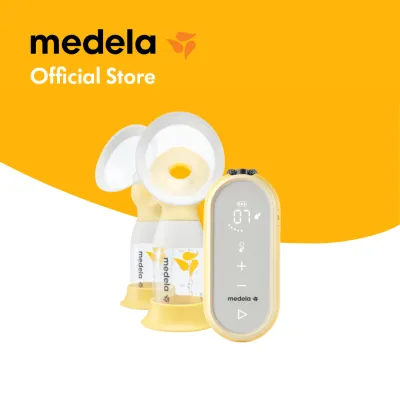
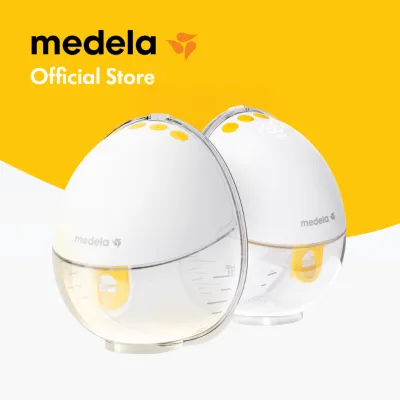
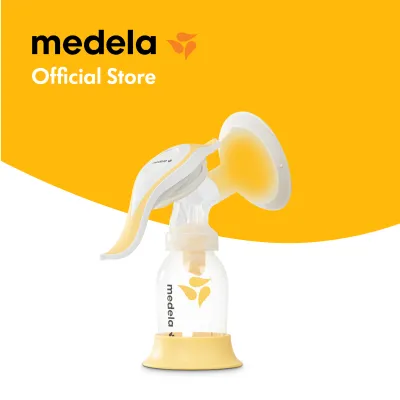
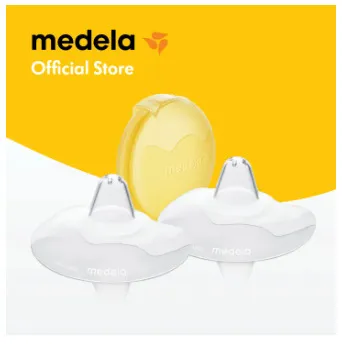
Prices are valid at publication and may change. Please refer to the product page for the latest price.
Core Differences: Design, Mobility, and Hands-Free Capability
The physical design of a breast pump dictates how much freedom of movement you will have during each expression session. The Medela Swing series features a traditional setup, consisting of a compact tabletop motor unit, standard PVC tubing, and external collection bottles. Because the bottles hang directly beneath the breast shields, you will generally need to hold them in place manually or wear a specialized, highly structured hands-free pumping bra. This configuration is highly effective but naturally lends itself to dedicated, seated pumping sessions where you can relax, read, or work on a laptop.

In contrast, the Medela Freestyle series is built from the ground up to maximize physical mobility. Depending on the specific generation of the Freestyle, it utilizes lightweight, wearable collection cups or an ultra-compact motor unit that can be slipped into a pocket or clipped to a waistband. The shorter, streamlined tubing and low-profile collection cups fit discreetly inside most standard nursing bras. This hands-free design empowers you to move around the kitchen, type comfortably at a desk, or attend to your baby without the physical obstruction of protruding bottles.
When deciding between these two designs, it is highly beneficial to audit your typical daily schedule and physical environment. Consider whether you have access to a private, comfortable room where you can sit undisturbed for 20 to 30 minutes several times a day. If your routine requires you to multitask constantly or travel frequently, the physical design of the Freestyle will likely alleviate the stress of finding dedicated downtime. However, if you prefer to use your pumping sessions as a quiet, stationary break, the traditional setup of the Swing will serve you perfectly without the added complexity of wearable components.
Pumping Performance, Modes, and Comfort
At the heart of both models is Medela’s proprietary 2-Phase Expression technology, which is engineered to mimic a baby’s natural nursing rhythm. Each pumping session begins with a rapid, shallow stimulation phase designed to trigger your milk ejection reflex, commonly known as the let-down. Once your milk begins to flow, the pump transitions to a slower, deeper expression phase to maximize milk removal. While this core technology is shared, you should always verify the specific cycle speeds and customizable modes on the official product packaging for your exact model generation.
Control interfaces and customization options differ notably between the two lines. The Swing series typically utilizes straightforward, tactile buttons or manual dials that allow you to adjust suction levels incrementally until you reach your maximum comfortable vacuum. The Freestyle series offers a more advanced digital experience, often featuring a touchscreen interface, memory functions that save your favorite patterns, and smart connectivity. These digital features allow you to track your sessions and fine-tune your suction profiles with high precision, which can be incredibly helpful for tracking daily output.
No matter how advanced a pump’s motor is, overall performance and physical comfort are ultimately determined by correct flange fit. Using a flange that is too large or too small can compress your milk ducts, lead to friction injuries, and significantly reduce your overall milk yield. To ensure a safe and productive experience, measure your nipple diameter before your first use and consult the manufacturer’s sizing guide. If you experience persistent pain, localized swelling, or a sudden drop in milk output, stop using the pump immediately and consult a lactation professional or healthcare provider.
Power Options, Battery Life, and Daily Convenience
Understanding how each pump is powered is essential for planning your daily logistics, especially if you need to pump outside the home. The standard Medela Swing often relies on a direct connection to a mains power adapter, meaning you must set up your pumping station near an electrical outlet. While some sub-models within the Swing family offer alternative battery compartments for emergency use, they are generally designed with stationary power in mind, which can limit your flexibility during travel or unexpected power interruptions.
On the other hand, the Freestyle is powered by an integrated, rechargeable lithium-ion battery. This built-in power source is designed to support multiple pumping sessions on a single charge, freeing you entirely from wall outlets. When evaluating the Freestyle, you should check the manufacturer’s documentation to verify the expected battery run time, the specific charging method—such as USB-C compatibility—and whether the battery is user-replaceable. USB-C charging capability is particularly convenient for modern mothers, as it allows you to recharge the pump via a laptop, car charger, or portable power bank.
Daily cleanup and maintenance are critical factors in protecting your baby’s health and ensuring the longevity of your equipment. Both pumps require systematic cleaning, sanitizing, and drying of all parts that come into contact with breast milk, including bottles, valves, and membranes. However, the Freestyle’s specialized hands-free collection cups or unique tubing connectors may require more meticulous handling and specific drying routines to prevent residual moisture. In warm, humid tropical climates, ensuring that every small crevice is completely dry is vital to prevent mold growth, so always follow the official user manual for exact care and sterilization instructions.
Budget, Accessories, and Long-Term Value
Your financial investment is another major factor in this decision, encompassing both the initial purchase price and the long-term cost of ownership. The Medela Freestyle is positioned as a premium, high-end product due to its advanced mobility features, digital interface, and specialized accessories. The Medela Swing is a highly accessible, mid-range alternative that delivers the same high-quality suction technology at a lower price point. To find the best deal, it is wise to compare current pricing, package inclusions, and promotional bundles at authorized local retailers, official brand stores, or reputable pharmacies.
Beyond the initial kit, you should consider the ongoing cost and availability of replacement parts. Over time, consumable components such as silicone membranes, valves, and tubing will wear out and must be replaced to maintain optimal suction. Standard Medela replacement parts are widely distributed and easy to find, but specialized accessories for the Freestyle, such as wearable collection cups or proprietary connectors, may carry a higher price tag and require sourcing from authorized specialty shops. Ensuring you have easy access to these consumables prevents stressful downtime in your pumping routine.
When making your purchase, prioritize buying from authorized local distributors to guarantee product authenticity and secure a valid warranty. Counterfeit breast pumps and unbranded replacement parts sold on unauthorized online marketplaces can present significant safety risks, including electrical hazards or chemical leaching from non-food-grade plastics. Purchasing an authentic unit ensures that you have access to official customer support and reliable warranty services should you encounter any technical issues with your motor or battery.
Side-by-Side Specification Checklist
To help you quickly compare the fundamental attributes of both models, the table below highlights the key differences across major decision dimensions.
| Feature | Medela Swing (Standard/Maxi) | Medela Freestyle |
|---|---|---|
| Primary Use Case | Stationary or semi-portable home use | Highly mobile, on-the-go, and travel use |
| Hands-Free Capability | Requires a separate pumping bra or manual holding | Integrated hands-free design or wearable cups |
| Power Source | Mains power adapter (with optional battery backup) | Built-in rechargeable lithium-ion battery |
| Control Interface | Simple tactile buttons or manual dials | Digital display with memory and smart features |
| Ideal User Profile | Mothers seeking a reliable, budget-friendly desk pump | Active mothers requiring maximum physical freedom |
| Maintenance Profile | Standard bottles and connectors; easy to clean | Multi-part wearable cups; requires detailed drying |
Note: Because product weights, exact dimensions, and accessory configurations can vary slightly across different production years and regional model generations, please verify the precise physical specifications on the product box if travel weight or bag space is a strict constraint for you.
Final Decision Framework: Matching the Pump to Your Lifestyle
To make your final choice, align the unique strengths of each pump with your specific lifestyle demands and daily environment.
Choose the Medela Swing if:
- You plan to pump primarily in a fixed location, such as a comfortable chair at home or a dedicated desk at your workplace.
- You prefer a simple, classic mechanical setup with fewer electronic menus to navigate.
- You want a highly reliable, high-performance pump from a trusted brand without paying a premium for hands-free mobility features.
- You have easy access to wall outlets during your scheduled pumping times.
Choose the Medela Freestyle if:
- You need to stay physically active, manage household chores, or care for other children while expressing milk.
- You commute regularly, travel frequently, or lack access to a dedicated space with a nearby power outlet.
- You appreciate digital tracking features, customizable session memory, and modern charging options like USB-C.
- You are willing to invest more upfront for a premium, highly compact system that minimizes disruptions to your daily routine.
Verify First or Seek Professional Help if:
If you are experiencing severe milk supply challenges, require a hospital-grade pump for medical reasons, or are managing a premature infant’s feeding plan, neither of these personal-use pumps may be the optimal starting point. In these specialized scenarios, it is crucial to stop and consult an International Board Certified Lactation Consultant (IBCLC) or your pediatrician. A qualified professional can provide a tailored feeding plan and help you determine if a rental hospital-grade pump is necessary before you transition to a personal double electric pump.
Frequently Asked Questions (FAQ)
Can I use the same flanges for both Medela Swing and Freestyle?
While Medela maintains standard sizing dimensions across their PersonalFit flange range, the physical connectors that attach the flange to the tubing and collection system often differ between the Swing and Freestyle lines. For example, standard Swing models use traditional bottle connectors, whereas modern Freestyle models frequently utilize specialized hands-free cup connectors or closed-system joint pieces. Always verify connector compatibility on the official Medela website or product packaging before purchasing extra flanges or spare parts to ensure a secure, airtight fit.
Which pump is better for exclusive pumping?
Both pumps are highly capable of supporting an exclusive pumping routine, but the best choice depends entirely on how you plan to manage your time. Exclusive pumping requires expressing milk 8 to 10 times a day, which can quickly lead to physical and mental fatigue if you are constantly anchored to a wall. If you must balance exclusive pumping with a busy job or active childcare, the Freestyle’s built-in rechargeable battery and hands-free design can prevent burnout by letting you move freely. However, if you have a highly structured schedule, a dedicated pumping station, and prefer a simpler, lower-cost system that is easy to sterilize, the Swing is an exceptionally durable and efficient choice.

Community discussion
Share your experience or ask a question. Comments are reviewed before publication.