
Deciding between a maternity support belt and a pregnancy pillow depends entirely on when and where you experience discomfort. If physical strain, lower back pain, or pelvic pressure disrupts your daytime movement and daily activities, a maternity support belt is typically the primary tool to help distribute weight. Conversely, if your main struggle is finding a comfortable sleeping position, maintaining spinal alignment on your side, or managing hip pain at night, a specialized pregnancy pillow is the more appropriate solution. Many expecting mothers find that their needs evolve across trimesters, sometimes requiring both tools or simply relying on standard household adjustments.
Managing these physical changes in a warm, humid climate like the Philippines requires careful consideration of materials, breathability, and daily routines. Selecting the right support can make a significant difference in your daily comfort and overall rest.
Identify Your Primary Pregnancy Discomfort
Pregnancy introduces rapid physical changes that alter your center of gravity and stretch supporting ligaments. To choose the right support, you must first pinpoint exactly when and where you feel discomfort.
Products mentioned in this guide


Prices are valid at publication and may change. Please refer to the product page for the latest price.
Daytime discomfort often manifests during movement, standing, or walking. You might feel a dull ache in your lower back, a sharp pulling sensation in your lower abdomen (often associated with round ligament stretching), or a heavy, downward pressure in your pelvic area. These symptoms are typically triggered by gravity and physical activity, worsening as the day progresses.
Nighttime discomfort, on the other on the other hand, centers around rest and sleep posture. As your belly grows, sleeping on your back becomes less comfortable and is generally discouraged, forcing you onto your side. This side-sleeping position can place uneven strain on your hips and lower back, leading to hip soreness, spinal misalignment, and frequent waking throughout the night.
By tracking when your discomfort peaks—whether during your morning chores and office hours or while trying to settle into bed—you can identify whether your primary challenge is mobility-related strain or resting posture issues.
Is a Maternity Support Belt Right for Your Daytime Needs?
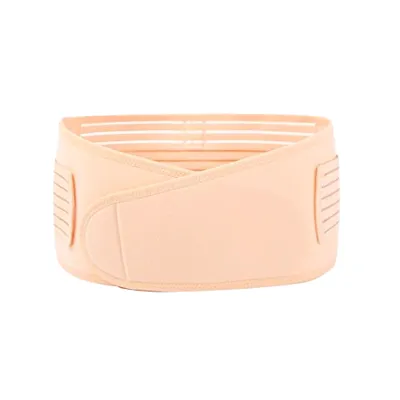
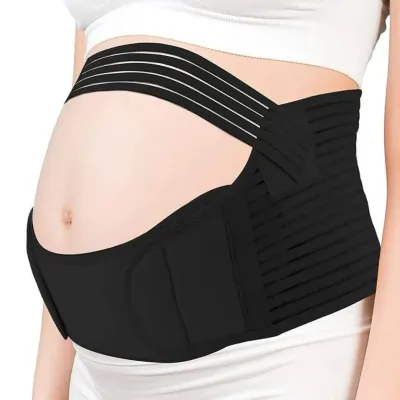
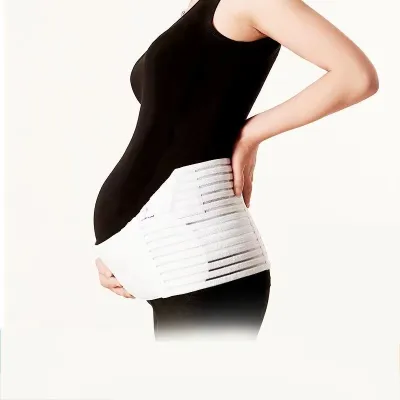
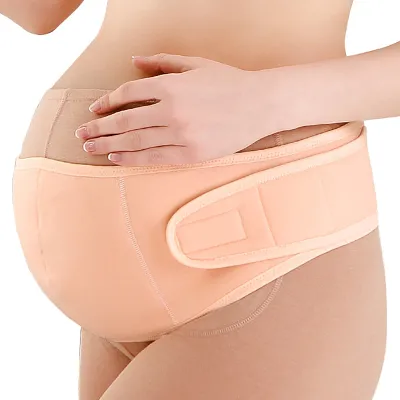
A maternity support belt, also known as a belly band or pelvic joint belt, is designed to provide upward lift to your growing abdomen. This mechanical lift helps redistribute weight away from your lower back and pelvic floor, mimicking the natural support of your abdominal muscles.

If you experience sharp, sudden pains in your lower belly when standing up quickly, or a constant heavy sensation in your pelvis during walks, a support belt can offer immediate relief. It stabilizes the pelvis and reduces the load on your lower back during daytime activities, making tasks like grocery shopping or standing at a desk much more manageable.
When selecting a support belt, prioritize adjustable fasteners and breathable fabrics. In warm, humid tropical climates, heavy or non-breathable elastic can quickly cause skin irritation, heat rashes, or general discomfort. Look for lightweight, perforated materials that allow airflow, and ensure the belt can be adjusted as your belly grows.
Keep in mind that a support belt is a temporary comfort aid rather than a permanent cure. It should not replace gentle core-strengthening exercises or prenatal physical therapy if recommended by your doctor. Over-relying on a belt without maintaining natural muscle engagement can sometimes lead to weaker core muscles over time.
Is a Pregnancy Pillow the Better Choice for Sleep?
A pregnancy pillow is specifically engineered to support your body while resting, helping you maintain a safe and comfortable side-sleeping position. As your pregnancy progresses, keeping your spine, hips, and knees aligned becomes crucial to preventing morning stiffness and deep hip aches.
Placing a specialized pillow between your knees and under your belly helps take the pressure off your lower back and pelvis. This targeted support prevents your upper leg from pulling your spine out of alignment, which is a common cause of tossing and turning during the night.
Pregnancy pillows come in several shapes to accommodate different sleep preferences and bedroom setups. Full-body U-shaped pillows offer front-and-back support, which is excellent if you tend to roll over during the night, though they require significant bed space. C-shaped or J-shaped pillows are more compact, providing targeted support for your head, belly, and knees without taking up the entire mattress. Wedge pillows are the most compact option, designed specifically to slide under your belly or behind your back.
Before purchasing, check the product labels for care instructions and material specifications. Opt for pillows with removable, machine-washable covers made of breathable cotton or bamboo blends to handle night sweats in warm weather. Ensure the filling material provides firm support without flattening too quickly under pressure.
Do You Need Both, or Can You Skip Specialized Gear?
Because maternity support belts and pregnancy pillows target entirely different parts of your daily routine, they are complementary rather than mutually exclusive. If you struggle with both daytime mobility and nighttime sleep quality, utilizing both products can provide comprehensive relief throughout your pregnancy journey.
However, you may not need to purchase specialized gear if your discomfort is mild or occasional. Standard household items can often serve as effective alternatives. For nighttime support, you can place a firm, standard bed pillow between your knees and tuck a smaller, folded towel under your belly to achieve a similar aligning effect.
For daytime relief, practicing mindful posture adjustments can significantly reduce strain. Focus on keeping your weight evenly distributed on both feet, avoiding crossing your legs while sitting, and taking regular breaks to sit down and rest.
If these simple lifestyle adjustments and household pillow arrangements successfully alleviate your discomfort, you can comfortably skip specialized maternity gear. While specialized pillows can range from budget-friendly options to premium models costing over ₱2,000, standard household pillows cost nothing to repurpose. Monitor your body’s response; if your daily activities remain pain-free and you wake up feeling rested, your current setup is fully sufficient.
Safety Checks and When to Consult a Healthcare Provider
While maternity support products are generally safe, proper usage is essential to protect both your health and your baby’s development. Always read and follow the manufacturer’s instructions regarding how tightly to wear a support belt. A belt that is too tight can restrict blood circulation, cause digestive discomfort, or put unnecessary pressure on your uterus.
Limit the continuous wear time of a support belt according to the manufacturer’s guidelines, typically removing it when sitting down for long periods, eating, or resting. Overusing a belt can cause your core muscles to become lazy, potentially worsening your back pain over time.
It is crucial to distinguish between normal pregnancy discomfort and symptoms that require immediate medical attention. If you experience sharp, persistent abdominal pain, cramping, vaginal bleeding, sudden swelling in your hands or face, or a noticeable decrease in fetal movement, do not attempt to manage these symptoms with support gear. Contact your obstetrician or healthcare provider immediately.
If you have a high-risk pregnancy, pre-existing back or joint conditions, or are carrying multiples, consult your doctor or a qualified physical therapist before purchasing or using any maternity support products. They can provide personalized recommendations tailored to your specific physical needs.
Frequently Asked Questions (FAQ)
Can I wear a maternity support belt all day?
No, you should not wear a maternity support belt all day. Most manufacturers recommend limiting wear to a few hours at a time, particularly during periods of physical activity, walking, or standing. It is important to remove the belt when you are sitting, resting, or eating to prevent circulation restriction and allow your core muscles to work. Always check the specific product instructions for the maximum recommended daily wear times.
When should I start using maternity support products?
There is no set trimester or week to start using maternity support products; the timing depends entirely on your individual comfort levels and physical symptoms. Some expecting mothers may feel the need for a support belt or pregnancy pillow early in their second trimester due to carrying multiples or experiencing rapid physical changes, while others may not require them until late in the third trimester, or at all. Listen to your body’s signals, and consult your healthcare provider if you experience sudden or severe pain.

Community discussion
Share your experience or ask a question. Comments are reviewed before publication.