
Pregnancy brings a beautiful glow, but it also triggers significant hormonal and physiological changes that affect your skin. During these nine months, your skin barrier can become highly sensitive, prone to dryness, sudden breakouts, or hyperpigmentation like melasma. Because your skin is your body’s largest organ, some topically applied ingredients can undergo dermal absorption, entering your bloodstream in trace amounts. While many everyday cosmetics are perfectly fine, certain potent active ingredients require strict caution or complete avoidance to protect your developing baby.
Navigating the beauty aisle during pregnancy can feel overwhelming, especially with the rise of “natural,” “organic,” or “clean” marketing labels. It is crucial to understand that these marketing terms are not strictly regulated and do not automatically guarantee safety for expectant mothers. A botanical extract can be just as irritating or biologically active as a synthetic chemical. This guide serves as an educational resource to help you identify which ingredient categories warrant a closer look. However, every pregnancy is unique, and your body undergoes individual shifts. Always consult your obstetrician or a board-certified dermatologist before making any changes to your daily skincare regimen.
Common Ingredient Categories to Review with Your Doctor
When evaluating your vanity case, certain ingredient groups frequently spark debate or carry medical restrictions. These categories are typically flagged because of their chemical structure, potential for systemic absorption, or their physiological effects on the body. Understanding which components to look out for allows you to make informed decisions alongside your healthcare provider.
Products mentioned in this guide
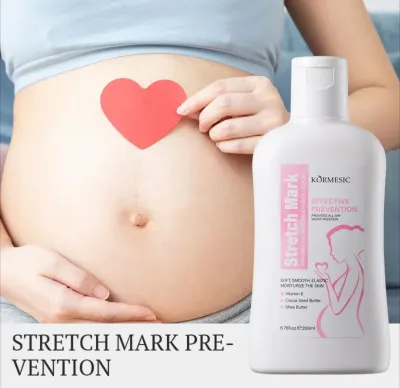
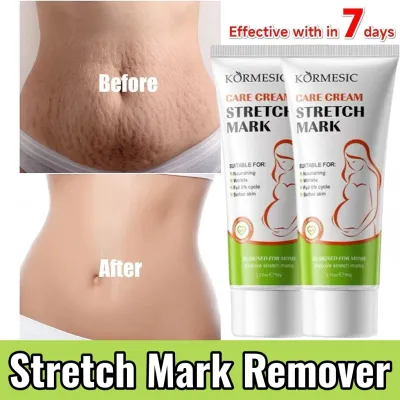
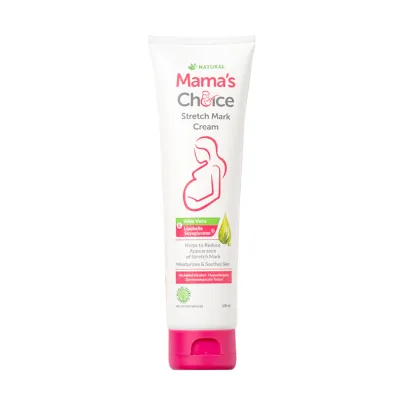
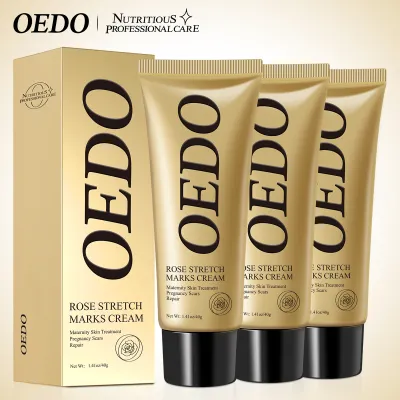
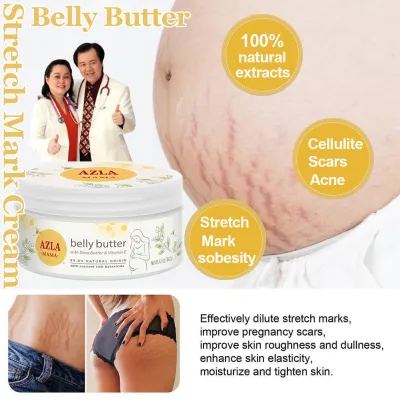
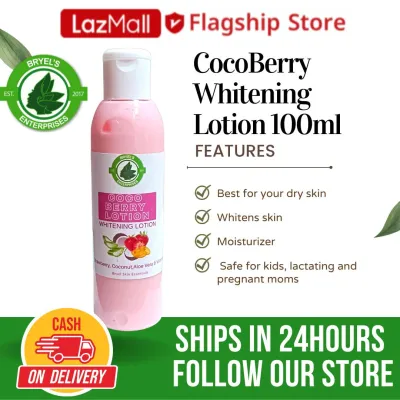
Prices are valid at publication and may change. Please refer to the product page for the latest price.
It is important to note that the actual risk of any skincare ingredient often depends on several variables. These include the concentration of the active ingredient, the specific formulation, how much skin surface area you cover, and your personal medical history. A wash-off cleanser, for instance, behaves differently on the skin than a leave-on treatment designed to sit on your face overnight. Your doctor can help you weigh these factors based on your unique skin profile.
Many ingredients are placed on the caution list simply due to a lack of comprehensive clinical trials involving pregnant individuals. Because ethical standards rightly prevent testing experimental substances on expectant mothers, dermatologists and obstetricians rely on precautionary avoidance as the safest standard. You should always cross-reference your product labels with your healthcare provider’s direct recommendations rather than relying solely on online forums or social media trends.
Vitamin A Derivatives (Retinoids)
Vitamin A derivatives, collectively known as retinoids, are the gold standard for anti-aging and acne treatment in the general population. However, they are the most widely agreed-upon category to strictly avoid during pregnancy. Both prescription and over-the-counter formulations should be paused during this time.
When scanning your product labels, look closely at the ingredient deck for common International Nomenclature of Cosmetic Ingredients (INCI) names. These include retinol, retinyl palmitate, retinaldehyde, retinyl retinoate, and adapalene. Prescription-strength formulations may also list tretinoin, tazarotene, or isotretinoin. If you spot any of these names, it is best to set the product aside.
The medical precaution surrounding topical retinoids stems from the known risks associated with high-dose oral Vitamin A treatments, which are proven to cause congenital developmental issues. While scientific consensus shows that topical application results in very low systemic absorption, medical professionals maintain a strict precautionary stance. It is safest to pause all forms of topical retinoids until after pregnancy and breastfeeding.
Be sure to check both your prescription acne treatments and your over-the-counter anti-aging serums, night creams, and eye treatments. Retinoids are frequently added to nighttime formulations, so a thorough audit of your evening routine is essential. Replacing them with gentle, hydrating alternatives ensures your skin remains supported without unnecessary exposure.
Exfoliating Acids and Chemical Peels
Managing pregnancy acne and dullness often leads expectant mothers to look for exfoliating acids. However, navigating this category requires careful distinction between different types of chemical exfoliants and their concentrations. Not all acids are created equal, and some require much stricter limits than others.
Salicylic acid, a popular Beta Hydroxy Acid (BHA), is highly effective at penetrating deep into pores to treat acne. While low concentrations (typically 2% or less) found in wash-off cleansers are often considered acceptable by healthcare providers, high-strength leave-on treatments, serums, and chemical peels require strict medical clearance. High doses of salicylic acid are chemically related to aspirin, making precautionary limitation the standard medical advice.
Alpha Hydroxy Acids (AHAs), such as glycolic acid and lactic acid, are often suggested as gentler alternatives for surface exfoliation. Even so, these acids can significantly increase your skin’s sensitivity to the sun. In tropical climates like the Philippines, where UV exposure is consistently high, using AHAs without rigorous daily sun protection can worsen pregnancy-related hyperpigmentation. Always use a reliable sunscreen alongside these ingredients.
Avoid undergoing strong clinical-grade chemical peels or using high-strength, multi-acid peeling solutions at home. These intense treatments compromise the skin barrier and increase the risk of systemic absorption and severe irritation. Any advanced exfoliation treatment should be postponed or performed only under direct professional supervision.
Chemical Sunscreens and Essential Oils
Daily sun protection is non-negotiable, especially during pregnancy when hormonal shifts make your skin highly susceptible to melasma, often called the “mask of pregnancy.” However, the type of sunscreen you choose matters, as some UV filters are absorbed more readily than others.
Many chemical UV filters, particularly oxybenzone, avobenzone, octisalate, and homosalate, work by absorbing UV rays and converting them into heat. Some of these chemical filters have raised concerns regarding dermal absorption and potential endocrine disruption. To minimize any risk, dermatologists frequently recommend swapping chemical sunscreens for physical or mineral alternatives. Mineral sunscreens utilize active ingredients like zinc oxide and titanium dioxide, which sit on top of the skin to physically reflect UV rays without absorbing into the bloodstream.
Another category to approach with caution is concentrated essential oils. While they are natural plant extracts, oils such as rosemary, clary sage, jasmine, and sage can have potent biological effects. Some essential oils are associated with uterine stimulation or hormonal activity when used in high concentrations, while others can trigger severe allergic contact dermatitis on sensitive pregnancy skin.
To keep your routine low-risk, consider opting for fragrance-free products or those specifically formulated for maternity use. Always perform a patch test on your inner forearm before introducing any new product to check for unexpected sensitivities. This simple step can prevent widespread irritation and keep your skin barrier intact.
How to Read Labels and Build a Safe Maternity Skincare Routine
Empowering yourself to read skincare labels is the most effective way to ensure your routine remains safe. The key lies in understanding the International Nomenclature of Cosmetic Ingredients (INCI) list printed on the back of your product packaging, rather than relying on front-label marketing claims.

Ingredients on an INCI list are always organized in descending order of concentration. The ingredients listed at the very top make up the majority of the product, while those near the bottom are present in very small amounts, often less than one percent. This structure helps you identify whether a flagged active ingredient is a primary component of the formula or merely a trace additive, allowing for a more precise evaluation.
While you can use reputable pregnancy-safe skincare databases or mobile applications as a preliminary screening tool, remember that these digital resources are not infallible. They often rely on generalized algorithms and cannot account for your specific skin condition, allergies, or medical history. Use them as a starting point, but always defer to your doctor’s personalized advice.
Building a safe maternity routine does not require a complex, ten-step regimen. In fact, simplifying your skincare is highly beneficial during this period. Focus on a basic, gentle structure: a mild, non-stripping cleanser to remove impurities, a simple hydrating moisturizer formulated with barrier-supporting ceramides or glycerin, and a broad-spectrum mineral sunscreen for daytime protection.
By pausing complex layering, multi-step active serums, and aggressive treatments, you significantly reduce the risk of cumulative chemical exposure and skin irritation. A minimalist approach keeps your skin barrier healthy while ensuring peace of mind. You can always reintroduce advanced active ingredients after your pregnancy and breastfeeding journey is complete.
When to Stop Using a Product and Seek Professional Advice
Even when using products marketed as gentle or pregnancy-safe, your changing hormones can cause unexpected skin reactions. Knowing when to halt your routine and seek guidance is vital for maintaining both your skin health and your peace of mind.
If you experience observable adverse reactions—such as severe redness, peeling, burning, stinging, persistent itching, or sudden cystic breakouts—stop using the product immediately. Do not attempt to “purge” through the discomfort, as this can permanently damage your skin barrier and lead to post-inflammatory hyperpigmentation. Wash the area with cool water and let your skin rest.
Pregnancy alters your immune system and hormonal balance, which can trigger entirely new allergies or contact dermatitis to ingredients you tolerated perfectly before. A product you have used for years might suddenly cause a flare-up, requiring you to temporarily simplify your routine to basic, bland moisturizers. This is a normal physiological response, but it requires a cautious approach.
When consulting your obstetrician or dermatologist about a skin reaction, bring the physical product or a clear photograph of the full ingredient list. Note how frequently you applied it, where you applied it, and the exact timeline of when the reaction began. This information helps your doctor pinpoint the potential trigger and recommend safe, soothing alternatives.
Finally, remember that conditions like melasma or severe gestational acne are deeply tied to internal hormonal fluctuations. Attempting to treat these conditions with unverified, potent over-the-counter lightening agents or harsh acne treatments can do more harm than good. These concerns are best managed under the direct supervision of a medical professional who can prescribe safe, targeted therapies.
Frequently Asked Questions (FAQ)
Can I use anti-aging products while pregnant?
Most potent anti-aging active ingredients, particularly retinoids and high-strength chemical peels, should be paused during pregnancy. However, you do not have to abandon your skin-aging concerns entirely. You can discuss safer, non-irritating alternatives with a board-certified dermatologist. Ingredients like peptide-based serums, bakuchiol, and stable vitamin C derivatives are popular options that can help support collagen production and brighten the skin without the risks associated with traditional retinoids.
Is hyaluronic acid safe for maternity skincare?
Yes, hyaluronic acid is a naturally occurring substance in the human body and is generally considered safe and highly recommended for topical hydration during pregnancy. It works by drawing moisture into the skin, helping to combat the dryness that many expectant mothers experience. However, always check the full ingredient list of your specific hyaluronic acid serum to ensure the formula does not contain hidden retinoids, strong chemical exfoliants, or irritating synthetic fragrances.
What should I do if I accidentally used a restricted ingredient?
If you realize you have accidentally used a product containing a restricted ingredient, try not to panic. Stop using the product immediately and gently wash the application area with lukewarm water and a mild cleanser to remove any residue. Contact your obstetrician or healthcare provider to let them know what you used and how often. In almost all cases of accidental, short-term topical exposure, the risk to your developing baby is extremely low, and your doctor can provide the personalized reassurance you need.

Community discussion
Share your experience or ask a question. Comments are reviewed before publication.