
As your pregnancy progresses, your body undergoes remarkable physical changes to accommodate your growing baby. While these changes are beautiful, the rapid shift in your center of gravity and the release of pregnancy hormones like relaxin can lead to significant physical discomfort. The added weight of your baby bump places continuous strain on your lower back, pelvis, and abdominal muscles, making daily activities and restful sleep increasingly difficult. Finding the right maternity tummy support is essential for staying comfortable, maintaining your mobility, and protecting your physical well-being throughout these three trimesters.
However, navigating the world of prenatal support products can be confusing. Maternity belly bands, pregnancy support belts, and specialized pillows all promise relief, but they serve entirely different purposes, target distinct types of pain, and fit into different parts of your daily routine. Choosing the wrong product can result in inadequate support, wasted money, or even increased physical discomfort. Understanding the unique design, benefits, and limitations of each option will help you make an informed decision tailored to your specific body and lifestyle needs.
Quick Answer: Choosing the Right Maternity Tummy Support
To choose the most effective maternity tummy support, you must first identify when you experience the most discomfort and what activities trigger your pain. Different products are engineered for specific scenarios—some are designed to help you stay active during the day, while others are crafted exclusively to assist your body during rest.
Products mentioned in this guide
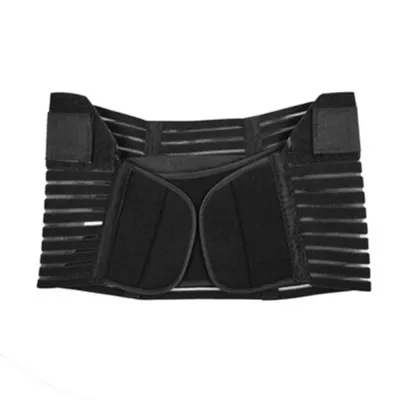
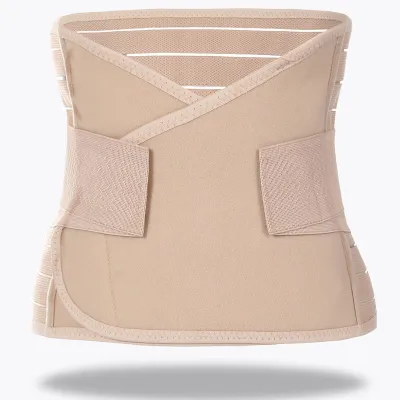
Prices are valid at publication and may change. Please refer to the product page for the latest price.
- Choose a Maternity Belly Band if: You are in your first or second trimester, need light abdominal compression, want to extend your pre-pregnancy wardrobe by keeping unbuttoned pants secure, or prefer a smooth, seamless layer under your clothing.
- Choose a Pregnancy Support Belt if: You are in your second or third trimester and experience moderate to severe lower back pain, pelvic girdle pain (PGP), or round ligament pain during daily activities, walking, standing, or working.
- Choose a Pregnancy Pillow if: Your primary discomfort occurs at night, you struggle to find a comfortable side-sleeping position, or you experience hip, back, and belly strain while lying down.
While these products are generally safe and highly beneficial for low-risk pregnancies, you should always verify their suitability with your OB-GYN or a physical therapist first. This is especially crucial if you have a high-risk pregnancy, are carrying multiples, or experience severe pelvic pain, as improper compression or support placement can sometimes exacerbate underlying structural issues.
Maternity Belly Bands: Light Compression and Layering
Maternity belly bands are flexible, tube-like accessories made from highly stretchable fabrics such as nylon, spandex, or cotton blends. Unlike structured orthopedic devices, they do not feature rigid panels, stays, or heavy-duty adjustable straps. Instead, they slip over your head or hips to cover your midsection, providing a gentle, uniform hug around your entire abdomen and lower back.

Their primary function is to offer mild compression and serve as a practical wardrobe extender. During the transitional phase of early pregnancy, when your regular pants are too tight to button but maternity wear is still too loose, a belly band can be worn over unzipped jeans or skirts to hold them securely in place. They also provide a smooth, continuous silhouette under fitted tops, preventing your clothes from riding up and keeping your exposed skin covered as your bump expands.
Despite their popularity, belly bands have clear physical limitations. Because they rely entirely on the elasticity of lightweight fabric, they do not physically lift the weight of your uterus or stabilize your pelvic joints. If you are dealing with severe lower back strain, pelvic instability, or the heavy weight of a third-trimester bump, a simple fabric band will not offer sufficient structural support. They are best suited for mild fatigue and light daily activities rather than prolonged standing or walking.
To get the most out of a maternity belly band, proper fit and fabric selection are essential. Look for seamless designs with silicone grip strips along the bottom hem to prevent the fabric from rolling down or bunching up as you move. When sizing, refer to the manufacturer’s guide, which is usually based on your pre-pregnancy clothing size. Ensure the band feels snug but never restrictive; it should never impede your breathing, press uncomfortably on your stomach, or cause any changes in your digestion or blood circulation.
In warm and humid tropical climates, fabric breathability is a major consideration. Opt for belly bands made from moisture-wicking, lightweight materials to prevent sweat accumulation. Wearing a heavy synthetic band in high heat can trap moisture against your skin, leading to heat rashes, itching, and general discomfort during the day.
Pregnancy Support Belts: Targeted Relief for Back and Pelvic Pain
Pregnancy support belts, often referred to as maternity support binders or pelvic bands, are structured, orthopedic-grade devices designed to provide targeted physical lifting and stabilization. These belts are typically constructed from heavy-duty elastic webbing and feature adjustable tension straps, Velcro closures, and sometimes flexible plastic or metal stays built into the back panel.
Unlike a simple fabric band, a support belt is engineered to sit low under your abdomen, acting as an external sling that lifts the weight of your baby bump up and away from your pelvis. This lifting action immediately redistributes the weight of your uterus, relieving pressure on your bladder, pubic bone, and lower spine. Additionally, the circumferential compression helps stabilize your sacroiliac (SI) joints and pelvic ring, which frequently become hypermobile and painful due to pregnancy hormones.
These belts are highly recommended for active individuals and those suffering from specific orthopedic issues. If you experience round ligament pain (sharp, shooting pains in the lower abdomen), Symphysis Pubis Dysfunction (SPD), or pelvic girdle pain (PGP) during daily movements, a support belt can significantly improve your mobility. It is particularly useful for teachers, healthcare workers, retail employees, or anyone who must stand or walk for extended periods during their second and third trimesters.
However, the structural design of support belts comes with specific trade-offs. They are significantly bulkier than belly bands and will often show through thin or form-fitting clothing. Because they are designed to restrict excessive joint movement, they can feel highly uncomfortable when you sit down for long periods. Furthermore, they must never be worn while sleeping, as the rigid compression and potential shifting of the belt can restrict blood flow to your uterus and baby when lying down.
To ensure safety and effectiveness, you must position the support belt correctly. The main strap should run low across your hips, resting just above your pubic bone and curving upward under your belly to lift it. It should never sit directly across the middle of your bump, as this applies direct, harmful pressure to your baby. Adjust the tension so that you feel a noticeable lift and support, but ensure it is not so tight that it restricts deep breathing, causes skin indentation, or limits your natural range of motion.
To prevent your core muscles from becoming weak or dependent on the external support, do not wear the belt continuously. Limit its use to active periods—such as walking, running errands, or performing household chores—and take it off when you are resting, sitting at a desk, or relaxing at home. Aim to wear it for no more than three to four hours at a time unless otherwise directed by your physical therapist or OB-GYN.
Pregnancy Pillows: Sleep Support and Full-Body Alignment
Pregnancy pillows are specialized sleep aids designed to address the unique challenges of nighttime comfort during pregnancy. As your abdomen grows, sleeping on your back is no longer recommended, as the heavy weight of the uterus can compress the vena cava, a major blood vessel, potentially reducing blood flow to your baby. Side-sleeping becomes the safest and most comfortable option, but it can place immense rotational strain on your hips, pelvis, and lower back.
These pillows are available in several distinct shapes, including U-shapes, C-shapes, and compact wedges, each filled with supportive materials like polyester fiberfill, memory foam, or microbeans. By placing a pregnancy pillow between your knees, under your belly, and behind your back, you can maintain proper spinal and pelvic alignment throughout the night. This prevents your upper leg from sliding forward and twisting your pelvis, which is a primary cause of waking up with lower back and hip stiffness.
While highly effective for rest, pregnancy pillows have clear functional boundaries. They are strictly stationary support tools; they offer absolutely no benefit or physical support for your daytime activities, walking, or standing. Additionally, full-length U-shaped and C-shaped pillows are incredibly bulky. They can easily take up more than half of a standard double or queen-sized bed, which may be a tight fit in smaller bedrooms or for couples who share a bed.
If space or budget is a constraint, a compact wedge pillow is an excellent alternative. These small, sloping foam cushions can be tucked directly under your belly to prevent it from pulling forward, or placed behind your back to keep you from rolling onto your spine during sleep. They are highly portable, making them easy to pack for travel or use as a supportive backrest while sitting on the sofa.
When choosing a pregnancy pillow, pay close attention to the cover material and ease of maintenance. In tropical climates, night sweats are incredibly common, especially during warm, humid evenings. Look for pillows with removable, machine-washable covers made from natural, breathable fibers like 100% cotton or bamboo-derived fabrics. These materials allow for better airflow, helping you stay cool and dry throughout the night while ensuring you can easily wash away sweat, oils, and dust mites.
Side-by-Side Comparison: Bands, Belts, and Pillows
To help you quickly evaluate which product aligns with your immediate physical needs, budget, and lifestyle, the table below compares these three primary support options across key decision dimensions.
| Feature / Dimension | Maternity Belly Band | Pregnancy Support Belt | Pregnancy Pillow |
|---|---|---|---|
| Primary Function | Light compression, wardrobe extension, smoothing | Targeted lifting, pelvic stabilization, orthopedic support | Spinal and pelvic alignment, pressure point relief |
| Best Time to Use | Daytime (early to mid-pregnancy) | Daytime active periods (second & third trimesters) | Nighttime, sleeping, and resting |
| Pain Relief Level | Mild (general fatigue, light back strain) | Moderate to High (SPD, PGP, severe back pain) | Mild to Moderate (rest-based hip and back pain) |
| Portability | High (lightweight, easily folded, fits in a purse) | Medium (can be folded, but has structured parts) | Low (bulky, except for compact wedge styles) |
| Sleep Compatibility | Yes (if seamless and tension is very light) | No (never wear while sleeping or lying down) | Yes (specifically designed for sleep and rest) |
| Typical Price Band | Budget-friendly (approx. ₱300 to ₱800) | Moderate to Premium (approx. ₱600 to ₱2,500+) | Moderate to Premium (approx. ₱500 to ₱3,000+) |
It is important to recognize that you do not have to choose just one of these products. Many expectant mothers find that their needs change as they transition through different stages of pregnancy. For example, you might use a simple belly band during your second trimester to keep your favorite pre-pregnancy shorts secure, transition to a structured support belt during your third trimester to manage pelvic pain during daytime errands, and rely on a full-body pregnancy pillow every night to ensure a restful, pain-free sleep. Combining these tools strategically allows you to address different physical demands throughout your 280-day journey.
Safety, Fit, and When to Consult Your Doctor
While maternity support products are excellent tools for managing daily discomfort, they are not a substitute for professional medical care. It is vital to pay close attention to your body’s signals and understand when physical discomfort transitions from normal pregnancy aches into a condition that requires medical evaluation.
Always stop using any support band, belt, or pillow immediately and consult your healthcare provider if you experience any of the following warning signs:
- An increase in pelvic, abdominal, or lower back pain rather than relief.
- Numbness, tingling, or a "pins and needles" sensation in your legs, hips, or pelvic area.
- Any restriction in your ability to breathe deeply or digest food comfortably.
- A noticeable decrease in your baby's movements or daily kick counts.
- Any localized skin irritation, bruising, or deep indentations left by the product.
Using compression garments in hot, humid tropical climates requires extra attention to skin health. The combination of sweat, friction, and tight elastic can quickly lead to painful chafing, heat rashes, or fungal skin infections. To protect your skin, consider wearing a thin, breathable cotton camisole or undershirt beneath your support belt to act as a barrier. Wash your bands and belts regularly using gentle, hypoallergenic detergents, and ensure your skin is completely clean and dry before putting them on.
Finally, always seek a professional fit assessment or guidance from your OB-GYN or a specialized prenatal physical therapist if you are unsure which product to use. This is particularly critical if you have a history of spinal injuries, are experiencing severe pelvic girdle instability, have a high-risk pregnancy condition, or are carrying twins or triplets. A professional can guide you on the exact placement, tension, and daily duration that will keep both you and your baby safe and comfortable.

Community discussion
Share your experience or ask a question. Comments are reviewed before publication.