
Choosing the right plate set for kids during the weaning journey is not just about finding an appealing design; it requires aligning specific physical features—such as suction base strength, compartment depth, and handle ergonomics—with your baby’s rapidly developing motor skills and feeding milestones. As your little one transitions from milk to solid foods, their ability to grasp, scoop, and coordinate their hands changes month by month. By matching the structural design of their tableware to these developmental stages, you can minimize mealtime messes, encourage self-feeding confidence, and ensure a smoother, frustration-free transition to family meals.
Understanding Your Baby's Weaning Stages and Motor Skills
Before selecting any tableware, observe your baby’s physical readiness and motor development. Around six months of age, most infants show signs of readiness for solid foods, such as sitting upright with minimal support and holding their head steady. At this early stage, their grasping reflex is dominated by the palmar grasp, where they use their entire hand to clutch objects. This means they cannot yet pick up small pieces of food with precision, often relying on their palms to scoop up larger, soft items or purees.
As the months progress, typically between seven and nine months, you will notice a transition toward the pincer grasp. This milestone involves using the index finger and thumb to pinch and lift smaller pieces of food. Hand-eye coordination also improves significantly during this window, allowing them to guide food more accurately to their mouths. However, if your baby shows signs of fatigue, frustration, or consistently pushes food away, it is crucial to pause, adjust your feeding expectations, and consult a pediatrician.
Products mentioned in this guide

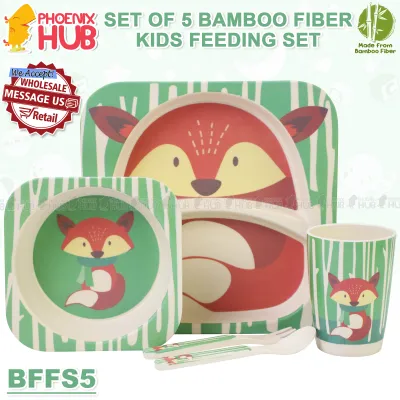
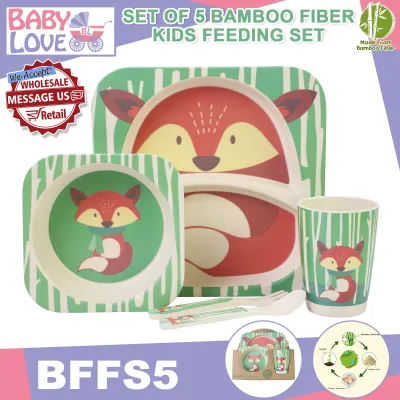
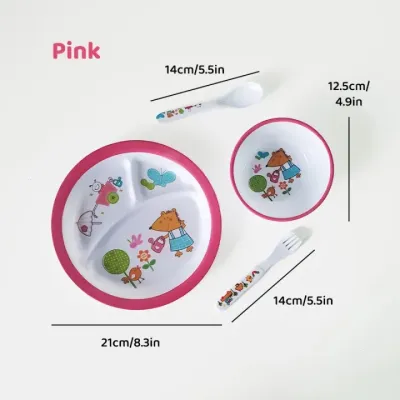
![[Same Day Ship] 3Pcs/Set Baby Dinnerware Anti-hot Wheat Training Plate Baby Feeding Bowl Set Tableware Plates with Spoon and Fork](https://img.lazcdn.com/g/p/ffad040f903247da887e501c5e884882.jpg_400x400q80.jpg_.webp)
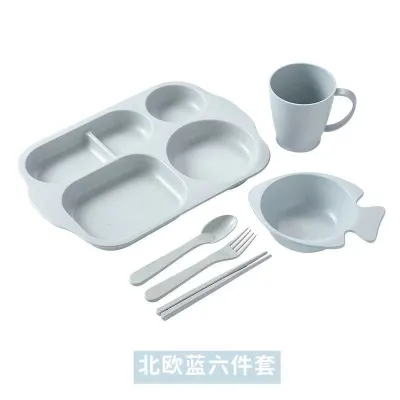

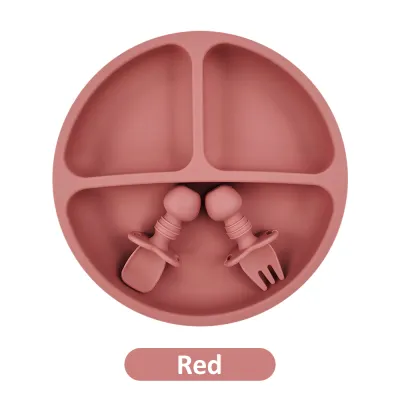
Prices are valid at publication and may change. Please refer to the product page for the latest price.
Key Plate Set Features to Evaluate
When shopping for a plate set for kids, evaluating the physical attributes of the tableware is just as important as choosing the right foods. The way a plate is shaped, weighted, and secured directly impacts how easily your baby can interact with their meals without tipping the entire dish onto the floor.

Suction Bases and Stability
A reliable suction base is often the first line of defense against flying meals. When evaluating suction plates, check the manufacturer’s specifications regarding surface compatibility, as some suction bases only adhere to completely smooth, non-porous surfaces like plastic high-chair trays, while failing on textured wooden dining tables. Look for plates that feature integrated, low-profile release tabs. These tabs allow caregivers to break the vacuum seal easily after meals, preventing the sudden spills that occur when trying to pry a strong suction plate off a surface by force.
Divided Sections and Portion Control
Divided plates serve a dual purpose: they keep different food textures separate and assist in portion management. For a baby learning to scoop, deep compartments with vertical or slightly inward-curved walls are highly beneficial. These steep walls provide a physical barrier that your baby can push their spoon or fingers against to secure a bite. When inspecting a plate set for kids, verify that the individual section volumes align with age-appropriate serving sizes recommended by pediatric nutritionists, ensuring you do not overfill the plate and overwhelm your child.
Grip Handles and Ergonomics
Ergonomic handles and raised rims are critical for supporting a baby’s emerging self-feeding skills. Look for plates with wide, textured handles that are easy for small, slippery hands to grasp when they try to stabilize the dish. Additionally, a sloped or raised outer edge helps guide food onto a spoon rather than letting it slide off the side of the plate. This design feature is particularly helpful during the transitional phase when hand-eye coordination is still developing, and food is easily pushed over flat plate edges.
Matching Features to Specific Weaning Milestones
As your baby grows, their interaction with tableware shifts from sensory exploration to functional self-feeding. Choosing a plate set for kids requires understanding how these design features serve different purposes at each stage of the weaning journey.
Early Weaning (Around 6 Months)
At the very beginning of the weaning journey, usually around six months, mealtime is primarily about sensory exploration and introducing new textures. During this stage, babies are highly prone to swatting, grabbing, and knocking objects over as they explore their physical boundaries. For this reason, prioritizing a high-strength suction base is essential to keep the plate firmly anchored to the high-chair tray.
At this point, simple, shallow designs are ideal. A single-compartment plate or a shallow bowl works best for holding smooth purees, mashed sweet potatoes, or local squash (kalabasa). Because babies at this stage are not yet coordinating utensils or managing multiple food groups at once, a full, multi-section plate set is often unnecessary. In fact, starting with a simple, high-suction bowl or a specialized soft-rimmed weaning cup is often more practical and less overwhelming for a beginner.
Transitional Stage (7 to 9 Months)
As your baby enters the transitional stage between seven and nine months, they begin experimenting with finger foods and practicing their palmar grasp. This is the perfect time to transition to a divided plate set for kids. The physical dividers help separate different textures—such as soft-cooked vegetables, ripe mango slices, and small pieces of fish—allowing your baby to explore distinct flavors without them mixing together.
Look for divided plates with deep, raised edges that give your baby a solid surface to push food against as they practice scooping. Integrated handle grips on the sides of the plate can also be highly beneficial, as babies at this stage often try to pull the plate closer to themselves to inspect their food. Keep in mind that as your baby’s arm strength and pulling force increase, you must regularly monitor the suction base’s effectiveness to ensure they cannot easily break the seal and lift the plate.
Independent Eating (10 Months and Beyond)
By ten months and beyond, your baby’s pincer grasp is maturing, and they are likely eager to use utensils like spoons and forks. Tableware for this stage should actively support this independence. Look for plates that feature sloped interior walls specifically designed to help guide food onto a spoon, reducing frustration during self-feeding practice.
At this stage, you can begin transitioning away from heavy-duty suction bases toward standard plates equipped with non-slip silicone rings on the bottom. These rings provide enough friction to prevent the plate from sliding around during utensil use, while allowing your child to learn how to handle a plate naturally. Because toddlers are prone to dropping or throwing items when finished, ensure the plate set is made from highly durable, impact-resistant materials that can withstand repeated drops onto hard kitchen floors without cracking or chipping.
Safety Checks and Material Verification
Ensuring the safety and hygiene of your baby’s tableware is a continuous responsibility. When purchasing a plate set for kids, always verify the manufacturer’s specifications for heat resistance, microwave safety, and dishwasher compatibility. In warm, humid tropical climates like the Philippines, moisture can easily trap bacteria or mold in hard-to-reach crevices. Therefore, choosing materials that are easy to sterilize and dry thoroughly is crucial for maintaining daily hygiene.
Regularly inspect the tableware for physical wear and tear. Over time, exposure to heat and washing can cause silicone suction rings to degrade, lose their grip, or develop micro-cracks where food particles and moisture can accumulate. If you notice any peeling, cracking, or sticky residue on the suction base, stop using the plate immediately and replace it. Always check the age and weight recommendations printed on the product packaging rather than relying solely on generic marketing terms, ensuring the product is developmentally appropriate for your child.
Frequently Asked Questions (FAQ)
How do I test if a suction plate is working properly?
To test the suction base, first ensure that both the suction ring and the mounting surface—such as your high-chair tray or dining table—are completely clean, dry, and free of oily residue or dust. Press the plate firmly down from the center to expel any trapped air and establish a secure vacuum seal, following the manufacturer’s specific instructions. Attempt to lift the plate straight up; a functional suction base should resist vertical pulling. If the plate slides easily, lifts without resistance, or if the silicone appears warped or cracked, the suction has failed, and you should discontinue use to prevent hot food spills.
When should I transition from a suction plate to a regular kids' plate?
You can consider transitioning away from a suction plate when your child consistently demonstrates improved hand-eye coordination and utensil control, and no longer intentionally throws or tips their tableware. This behavioral shift typically occurs as they approach toddlerhood and begin to understand mealtime boundaries. If your child can successfully scoop food using a spoon or fork without sliding the dish across the table, transitioning to a standard plate with a non-slip silicone ring on the bottom is a practical next step that supports their growing independence.

Community discussion
Share your experience or ask a question. Comments are reviewed before publication.