
When your baby has a stuffy nose, finding the right tool to clear their airways quickly is essential for their comfort, feeding, and sleep. There is no single “best” baby nasal aspirator for every household. The ideal choice depends on your baby’s age, the thickness of their mucus, and your own comfort level as a parent.
To help you make an immediate decision, consider this quick framework:
- Choose a manual (bulb syringe) if you need an inexpensive, basic tool for occasional, mild congestion or as a backup for newborn care.
- Choose a mouth-suction aspirator if you want precise, adjustable suction control for moderate to thick mucus and do not mind the physical connection.
- Choose an electric aspirator if you need hands-free operation, consistent suction for frequent use, or if your baby is older, stronger, and more active during the process.
Understanding the Three Main Types of Baby Nasal Aspirators
To select the right baby nasal aspirator, it helps to understand how each type operates, along with its specific benefits and drawbacks. Clear nasal passages are vital for infants because they are obligate nasal breathers, meaning they naturally breathe through their noses rather than their mouths during their first few months of life. Choosing the right tool ensures you can relieve congestion safely without causing unnecessary distress.
Products mentioned in this guide
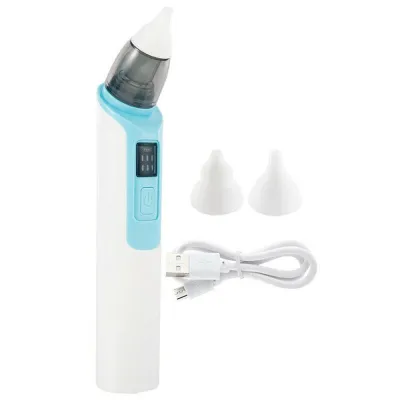
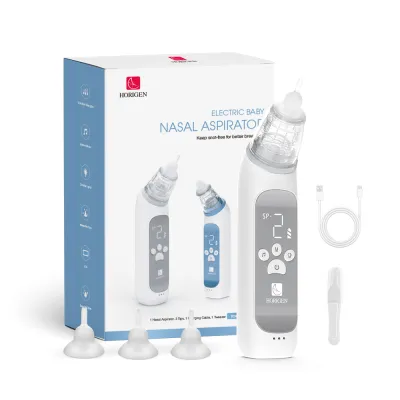
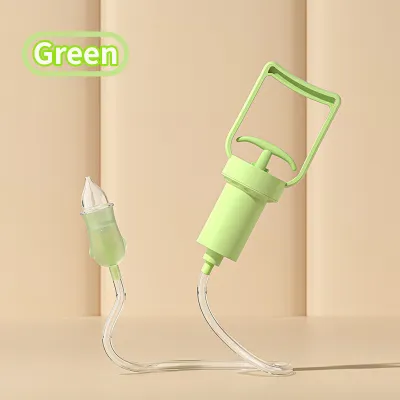
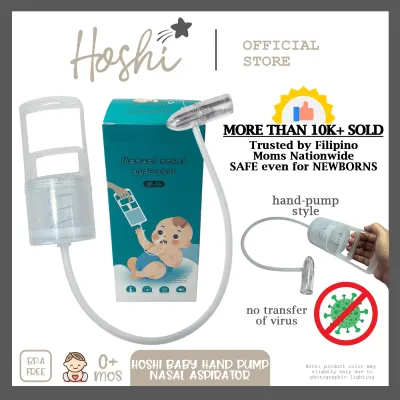
Prices are valid at publication and may change. Please refer to the product page for the latest price.
Manual (Bulb Syringe) Aspirators
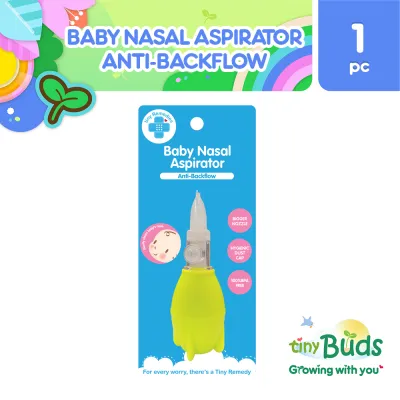
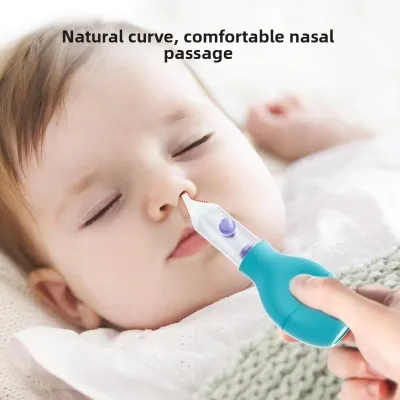
The manual bulb syringe is the classic, teardrop-shaped rubber or silicone tool often provided to parents in hospitals. Its operation relies entirely on manual compression. You squeeze the bulb to expel the air inside, gently insert the narrow tip into your baby’s nostril, and then slowly release your grip. This release creates a vacuum that draws loose mucus out of the nasal passage and into the bulb.
These devices are highly accessible, inexpensive, and can be found in almost any local pharmacy across the Philippines. Because they do not require batteries, charging cables, or replacement parts, they are highly portable and ready for immediate use. The simple design makes them a reliable backup option to keep in a diaper bag for emergencies.
However, bulb syringes have notable limitations. Controlling the exact suction strength is difficult, as it depends entirely on how quickly you release your squeeze. Additionally, the opaque, one-piece design of traditional bulb syringes makes it nearly impossible to see inside, raising concerns about hidden mold and bacterial growth. They are also generally less effective at extracting thick, stubborn mucus located deeper in the nasal canal.
Mouth-Suction Aspirators
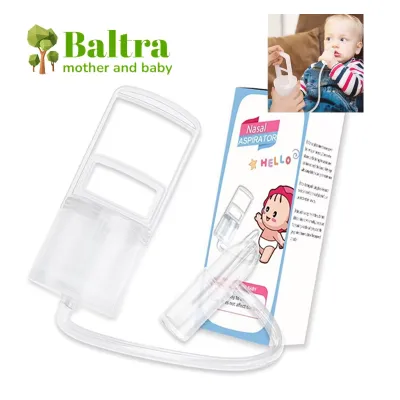
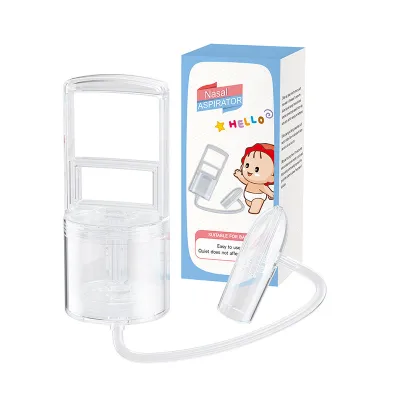
Mouth-suction aspirators utilize a parent’s own lung power to clear a baby’s nose. The design consists of a soft silicone tip that rests against the baby’s nostril, a flexible plastic tube, and a mouthpiece for the parent. When you gently suck on the mouthpiece, you create a controlled vacuum that pulls mucus out of the baby’s nose and into a collection chamber. A disposable or washable hygiene filter sits between the tube and the mouthpiece to ensure no mucus or bacteria can reach your mouth.
The primary advantage of this design is unparalleled suction control. As a parent, you can feel the resistance and instantly adjust your suction strength, applying a gentle pull for loose fluid or a stronger, steady draw for thick, stubborn blockages. This direct feedback loop makes the process highly efficient and reduces the risk of irritating the baby’s delicate nasal tissues. The clear collection chamber also allows you to monitor the color and consistency of the mucus.
Despite these benefits, some parents experience a psychological barrier, often referred to as the “ick” factor, regarding the physical connection involved. While the protective filter prevents any physical contact with the fluids, the concept can still be unappealing to some. Additionally, using this tool requires a degree of lung capacity and coordination, and you must purchase replacement filters regularly to maintain hygiene.
Electric Aspirators
Electric nasal aspirators are motorized, battery-operated, or USB-rechargeable devices designed to automate the mucus extraction process. At the press of a button, an internal motor-driven pump generates continuous, steady suction. Most modern electric models offer multiple suction power levels, allowing parents to adjust the intensity based on the severity of the congestion.
The standout benefit of an electric model is ease of use, particularly when dealing with a squirming baby. Because the device generates the suction automatically, you have one hand completely free to cradle your baby’s head, hold their hands, or gently soothe them. Many electric models also feature built-in distractions, such as soft lights or playful melodies, which can help keep a restless infant calm during the procedure.
On the downside, electric aspirators carry a higher upfront cost, with prices typically ranging from several hundred to over ₱2,000 on local e-commerce platforms. They also require ongoing maintenance, such as recharging the battery or replacing disposable batteries. The mechanical hum of the motor, even in quiet models, may startle sensitive babies, and the maximum suction level is sometimes gentler than what a parent can achieve with a mouth-suction device.
Key Comparison Dimensions for Baby Nasal Aspirators
When deciding which baby nasal aspirator to purchase, comparing them across specific functional dimensions can clarify which model fits your daily routine. Each type excels in different areas, making it important to weigh your priorities regarding control, ease of handling, and hygiene.

Suction Power & Control
Suction dynamics vary significantly among the three types. Mouth-suction models offer the most responsive experience, allowing you to modulate the pressure dynamically in real time. Electric models provide consistent, continuous suction, which is excellent for steady clearing but lacks the instant, tactile feedback of manual lung power. Bulb syringes offer the least control; the suction is sudden and brief, which can sometimes startle the baby or fail to dislodge thicker blockages.
Ease of Use & Baby's Comfort
Managing a congested, crying baby requires physical coordination. Electric aspirators shine in this scenario because their one-handed operation allows you to focus on stabilizing your baby. Mouth-suction models require you to manage the tube, the tip, and the mouthpiece simultaneously, which can be challenging if your baby is actively resisting. Bulb syringes are simple to hold but feature relatively stiff tips that can be difficult to position safely inside a tiny, moving newborn nostril.
Cleaning & Hygiene
Hygiene is a critical consideration, particularly in the humid tropical climate of the Philippines. High humidity levels create an ideal breeding ground for mold and bacteria inside damp, enclosed spaces. Traditional one-piece bulb syringes are notoriously difficult to clean and dry inside, often leading to internal mold growth that goes unnoticed. In contrast, mouth-suction and electric aspirators are designed to be fully disassembled, allowing you to wash, sterilize, and thoroughly air-dry every component that comes into contact with mucus.
Comparison Table
| Aspirator Type | Suction Control | Cleaning Ease | Maintenance Requirements | Best Use Case |
|---|---|---|---|---|
| Manual (Bulb Syringe) | Low (Unpredictable, sudden suction) | Difficult (Hard to clean and dry internally) | None (No parts or batteries to replace) | Occasional, mild congestion and newborn travel kits |
| Mouth-Suction | High (Parent controls pressure dynamically) | Moderate to Easy (Fully disassembles; washable) | Regular replacement of hygiene filters | Thick, stubborn mucus and precise suction control |
| Electric | Medium (Fixed, adjustable speed settings) | Easy (Removable collection cup and tips) | Battery charging or replacement | Active babies, frequent daily use, and hands-free operation |
How to Choose Based on Your Baby's Age and Congestion
Selecting the right baby nasal aspirator often depends on your child’s developmental stage and the specific nature of their congestion. What works perfectly for a sleepy newborn may not be effective for an energetic toddler.
For Newborns (0-3 Months)
Newborns have incredibly small, delicate nasal passages that are easily irritated. For babies in this age bracket, gentle handling is paramount. While hospitals often send parents home with a bulb syringe, many pediatricians and parents prefer mouth-suction aspirators for newborns. The ability to apply an incredibly soft, controlled pull minimizes the risk of irritating the sensitive mucous membranes. If you choose an electric model, ensure it is set to its lowest, gentlest setting and fitted with a small, newborn-sized silicone tip.
For Older, Active Babies (4+ Months)
As babies grow older, they develop more physical strength and are highly likely to resist nasal clearing. If your baby turns their head, pushes your hands away, or rolls over during the process, an electric aspirator is highly advantageous. The ability to operate the device with one hand leaves your other hand free to gently secure your baby’s forehead or arms, ensuring a quick and safe extraction before they become too distressed.
For Mild vs. Severe Congestion
The consistency of the mucus should also guide your choice. For light, watery runny noses, a simple bulb syringe or a low-power electric setting is usually sufficient to clear the entry of the nostrils. For thick, sticky, or deep-seated mucus, mouth-suction aspirators are often the most effective tool, as they allow you to sustain a strong, steady pull to dislodge stubborn blockages.
Parental Comfort Factor
Finally, consider your own comfort level. If the idea of using your mouth to create suction—even with a medical-grade protective filter in place—causes hesitation, you are less likely to use the tool effectively. In such cases, investing in a high-quality electric aspirator provides a highly effective, hygienic alternative that keeps a comfortable physical distance between you and the mucus.
Safety, Cleaning, and Maintenance Best Practices
Using a baby nasal aspirator safely requires adhering to proper techniques and hygiene standards to protect your baby’s health and prolong the life of the device.
Usage Limits
It is crucial to avoid over-suctioning your baby’s nose. Excessive or aggressive use of any nasal aspirator can irritate, inflame, or cause swelling in the delicate nasal lining, which can actually worsen congestion. Limit aspiration to a few times a day, ideally right before feeding times to help them latch comfortably, and before bedtime to promote better sleep. Always check the manufacturer’s documentation for specific usage limits and age recommendations.
Hygiene in Humid Climates
In the warm, humid climate of the Philippines, mold and bacteria can multiply rapidly on damp surfaces. After every single use, completely disassemble the aspirator. Wash all reusable parts in warm, soapy water, rinse them thoroughly, and allow them to air-dry completely in a well-ventilated area before reassembling or storing. For electric models, ensure that no moisture enters the motorized base, and always inspect the internal chambers of bulb syringes for any signs of discoloration or mold.
When to Stop and Consult a Doctor
Nasal aspirators are designed to relieve symptoms of congestion, but they do not cure underlying viral or bacterial infections. Stop using the device and consult a pediatrician immediately if you notice nasal bleeding, if the congestion persists for more than a few days without improvement, or if your baby shows signs of respiratory distress (such as rapid breathing, flared nostrils, or grunting). Additionally, any fever in an infant under three months of age requires immediate professional medical evaluation.
Checking Manufacturer Instructions
Before using any new baby nasal aspirator, carefully read the product packaging and instruction manual. Verify the recommended age and weight limits, ensure you are using the correct tip size for your baby’s current developmental stage, and follow the specified schedule for replacing filters or sterilizing parts. Never modify the device or use non-approved accessories, as this can compromise safety and void the manufacturer’s warranty.
Frequently Asked Questions (FAQ)
Can I use a nasal aspirator on my baby every day?
Yes, you can use a baby nasal aspirator daily during periods of illness or congestion, but you should limit its use to three or four times a day. Overusing it can irritate the delicate nasal lining. To make the process smoother and reduce the need for aggressive suction, always apply a few saline drops first to loosen the mucus naturally.
Do I need to use saline drops before using an aspirator?
While not strictly mandatory, using saline drops or a gentle saline spray before suctioning is highly recommended. Saline works to thin out thick, sticky mucus and soothe irritated nasal passages. This makes any type of aspirator significantly more effective and reduces the amount of suction pressure required to clear the airway.
How do I know if the suction is too strong?
You can gauge suction strength by closely monitoring your baby’s physical reactions. While some fussiness or crying is normal, signs of pain, immediate redness around the nostril, or any nasal bleeding indicate that the suction is too intense. Always start with the lowest setting on electric models or apply very gentle, gradual pressure when using mouth-suction or bulb aspirators.

Community discussion
Share your experience or ask a question. Comments are reviewed before publication.