
Choosing the right nasal suction for your baby depends on their age, the severity of their congestion, and your personal comfort with the device. Manual bulb syringes offer a simple, highly portable, and budget-friendly option for mild congestion, while electric nasal aspirators provide consistent, motorized suction that is often more effective for heavy mucus and active toddlers. By understanding how these two distinct tools perform across key usability and hygiene factors, you can select the most appropriate option to support your baby’s respiratory comfort.
In tropical environments where high humidity and seasonal changes can contribute to infant nasal congestion, having a reliable clearing method is essential. Babies are obligate nasal breathers for the first few months of life, meaning they primarily breathe through their noses. When mucus blocks their narrow nasal passages, it can quickly disrupt their feeding, sleeping, and overall comfort, making a safe and effective aspirator a staple in the nursery.
Understanding the Basics: Bulb Syringes vs. Electric Aspirators
Manual bulb syringes and electric nasal aspirators rely on different physical mechanisms to achieve the same goal: clearing excess mucus from an infant’s nasal passages. The classic manual bulb syringe is a single-piece, pear-shaped tool typically made of rubber or flexible plastic. It operates on a simple squeeze-and-release vacuum mechanism. By compressing the bulb, inserting the tip gently into the nostril, and releasing the pressure, you create a brief vacuum that draws mucus into the bulb’s interior cavity.
Products mentioned in this guide

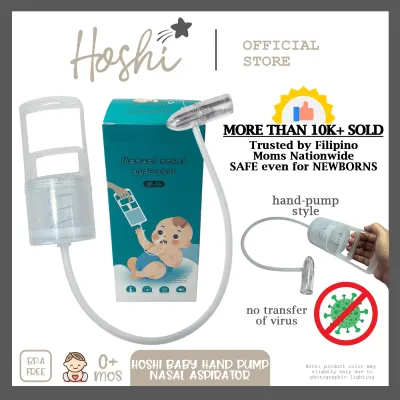
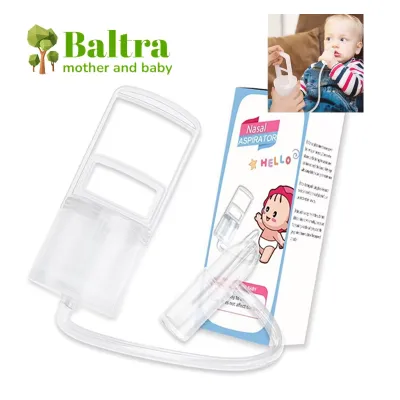
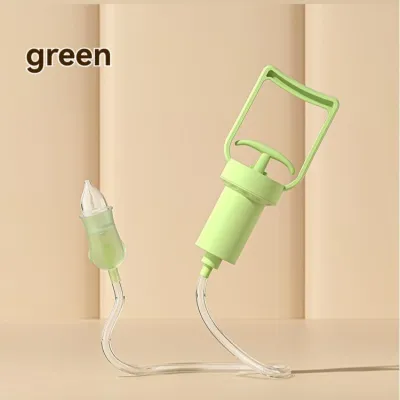
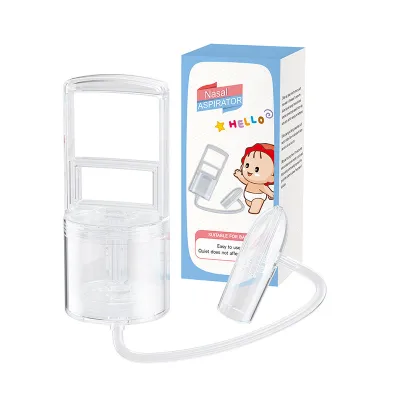
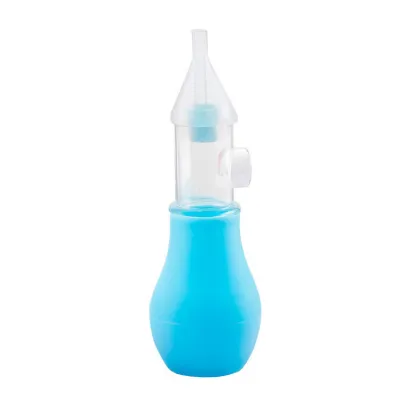
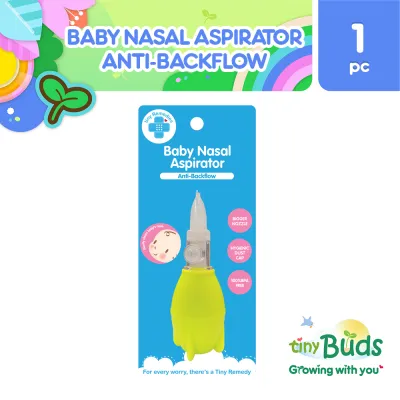
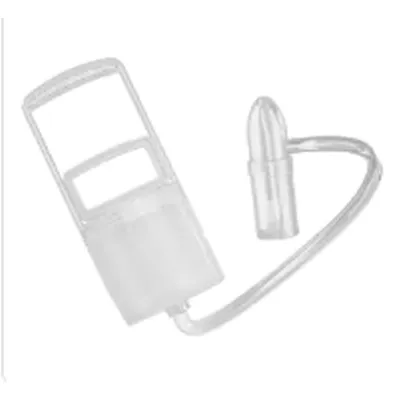
Prices are valid at publication and may change. Please refer to the product page for the latest price.
Electric nasal aspirators utilize a small, battery-operated or rechargeable motor to generate continuous suction. Instead of relying on manual hand strength, these devices maintain a steady flow of negative pressure at the touch of a button. They usually feature soft, medical-grade silicone tips of varying shapes and sizes, designed to sit comfortably at the entrance of the baby’s nostril without penetrating too deeply.
The daily operational experience differs significantly between the two types. A manual bulb requires no setup, charging, or assembly, making it instantly ready for use at any time. An electric model, while requiring charged batteries or a power source, offers a more controlled and automated process, allowing you to focus your attention on stabilizing your baby rather than coordinating manual squeezing motions.
Key Comparison Factors for Baby Nasal Suction
When evaluating nasal suction options, parents must balance several practical factors that directly influence daily usability and safety. The most critical dimensions to consider are suction control, daily convenience, and hygiene maintenance. Each factor plays a vital role in how easily you can clear your baby’s airway and how comfortable the experience will be for both of you.

Because nasal clearance is often required during stressful moments—such as in the middle of the night or right before a feeding—the ease of operating and cleaning the device is just as important as its raw suction power. A tool that is too difficult to clean or too cumbersome to operate can quickly become a source of frustration.
Suction Power and Effectiveness
Manual bulb syringes offer variable suction that is entirely controlled by the force of your hand. While this allows for quick adjustments, it also means the suction is brief and may lack the sustained power needed to draw out thick, sticky, or deep-seated mucus. If the mucus is stubborn, you may find yourself needing to perform multiple attempts, which can irritate the delicate lining of your baby’s nose.
Electric nasal aspirators provide consistent, motorized suction that does not fade during the procedure. This steady draw is highly effective at clearing heavy congestion and pulling mucus from deeper within the nasal cavity. The continuous airflow allows you to clear the nasal passage in a single, smooth motion, reducing the time spent performing the procedure.
When choosing an electric model, it is important to check the manufacturer’s specifications for adjustable suction settings. Many models offer multiple power levels, allowing you to start with a very gentle setting and increase the power only if the mucus is too thick to move. This adjustability ensures that the suction remains within safe limits for delicate infant tissues.
Ease of Use and Portability
Manual bulb syringes are unmatched in their simplicity and portability. They require no electrical outlets, charging cables, or replacement batteries, making them easy to toss into a diaper bag for travel or quick outings. Their silent operation is also a benefit, as it does not add sensory stress to an already congested and fussy baby.
However, operating a manual bulb syringe typically requires two hands: one to compress and position the bulb, and another to gently stabilize your baby’s head. This can become challenging if your baby is active or resistant to the procedure. The physical coordination required to maintain a proper seal while squeezing can sometimes lead to less effective suction.
Electric aspirators often feature ergonomic designs that allow for easy, one-handed operation. This leaves your other hand free to cradle your baby, hold their hands, or gently stabilize their head. While they are highly convenient at home, they are generally bulkier than manual bulbs and require you to monitor battery levels or carry a charging cable, making them slightly less convenient for spontaneous travel.
Cleaning and Hygiene Maintenance
Hygiene is one of the most critical differences between these two device types. Traditional, one-piece manual bulb syringes are notoriously difficult to clean because their opaque design prevents you from seeing inside. In warm, humid climates, moisture trapped inside the dark cavity of a rubber bulb can easily lead to mold and bacterial growth, posing a potential health risk if reused.
To mitigate this risk, some modern manual aspirators are designed to twist apart or open in the middle, allowing you to thoroughly scrub and dry the interior. If you choose a manual bulb, prioritizing a design that can be fully disassembled for visual inspection and cleaning is highly recommended.
Electric nasal aspirators are engineered with hygiene in mind, featuring removable parts that isolate the mucus from the motorized base. These devices typically consist of a silicone tip, a collection cup, and a barrier mechanism that can be easily disassembled after each use. You can wash these components individually, and many manufacturers specify that the silicone tips and collection cups are boil-safe or dishwasher-safe. Always consult the specific product manual to verify the approved cleaning and sterilization methods for your device.
Age and Development: Matching the Aspirator to Your Baby
Your baby’s developmental stage and physical size should heavily influence your choice of nasal suction. Newborns and young infants have extremely small, delicate nasal passages that are highly sensitive to pressure and friction. For these tiny babies, a gentle manual bulb syringe or an electric model set to its lowest, mildest suction setting is ideal. The priority for newborns is gentle clearance without causing tissue swelling.
As babies grow into older, more mobile infants and toddlers, their physical strength and resistance to nasal clearing increase. A wiggling eight-month-old or an active toddler is unlikely to sit quietly during the procedure. In these situations, attempting to use a manual bulb syringe can be difficult and potentially unsafe if the baby jerks away suddenly while the tip is inserted.
For mobile babies, the speed and efficiency of an electric aspirator are highly advantageous. The ability to clear the nasal passage in a few seconds with one-handed operation minimizes the struggle and reduces the overall distress for both the caregiver and the child. Always verify the age, weight, and developmental recommendations printed on the product packaging before use to ensure the device is suitable for your child’s stage.
Decision Framework: Choosing the Right Nasal Aspirator
To help you make the right choice for your household, consider how your daily needs align with the characteristics of each device type.
Choose a manual bulb syringe if:
- You are looking for a highly budget-friendly, simple tool for occasional, mild congestion.
- You need a completely silent, compact backup device to keep in your diaper bag for travel.
- Your baby is a cooperative newborn, and you prefer having direct, physical control over the suction pressure.
- You select a model that can be fully opened and disassembled for thorough cleaning and drying.
Choose an electric nasal aspirator if:
- Your baby frequently experiences heavy, thick, or stubborn congestion that is difficult to clear manually.
- You prefer a device that offers consistent, motorized suction without requiring manual hand strength.
- You are managing an active, wiggling older baby or toddler and need a fast, one-handed operation to minimize struggle.
- You want a highly hygienic design with clear, removable parts that are easy to wash and sterilize.
Before purchasing any nasal suction device, verify if your baby has any underlying respiratory conditions, structural nasal abnormalities, or if you feel unsure about safe suction limits. In these cases, consult a pediatrician or qualified healthcare professional to ensure you select a safe and appropriate tool.
Safe Usage and Maintenance Guidelines
Regardless of the type of aspirator you choose, protecting your baby’s delicate nasal lining is paramount. Limit the frequency of nasal suctioning to a few times a day—typically before feedings and bedtime—to prevent irritation, swelling, or bleeding of the nasal mucosa. Over-suctioning can cause the tissues inside the nose to swell, which can actually make the congestion feel worse for your baby.
Always pay close attention to your baby’s physical cues during the process. Stop the procedure immediately if you observe any warning signs, such as bleeding, extreme distress, or if the congestion seems to worsen after suctioning. Never force the tip of the aspirator deep into the nasal cavity; it should only rest gently at the entrance of the nostril to form a seal.
To make the process smoother and more comfortable, apply a few drops of pediatric saline solution into your baby’s nostrils before suctioning. The saline helps loosen and soften dry or thick mucus, allowing the aspirator to draw it out with minimal friction and lower suction pressure. This simple step significantly reduces the risk of tissue irritation.
Remember that home nasal suction is intended for temporary relief of simple congestion. If your baby exhibits persistent respiratory issues, rapid or labored breathing, a high fever, or difficulty feeding, stop home care immediately and consult a qualified healthcare professional for a proper evaluation.
Frequently Asked Questions (FAQ)
Can I use a nasal aspirator while my baby is sleeping?
It is generally not recommended to use a nasal aspirator while your baby is sleeping. The physical sensation of the tip resting against the nostril, combined with the sudden pull of suction, is highly likely to startle and wake your baby, causing sudden movement and distress. Additionally, electric models produce motor noise and vibrations that can easily disrupt deep sleep. If your baby is congested while sleeping, consider using a cool-mist humidifier in the room to help keep their airways moist, and save the nasal suction for when they are awake.
How do I know if the suction is too strong for my baby?
You can identify excessive suction by watching your baby’s immediate reactions and checking their nasal passages after use. Signs that the suction is too strong include intense crying, immediate redness or swelling around the nostrils, or any trace of blood in the cleared mucus. To prevent discomfort and tissue damage, always start with the lowest setting on an electric aspirator or apply minimal squeeze force on a manual bulb. Only increase the suction pressure if the mucus is not moving, and stop immediately if your baby shows signs of pain.

Community discussion
Share your experience or ask a question. Comments are reviewed before publication.