
Quick Answer: Manual vs. Electric Nasal Suction
When your baby is congested, choosing between a manual and an electric nasal aspirator depends on your budget, your comfort with the cleaning process, and how your baby responds to sensory stimulation. Neither device is universally superior; instead, each serves different parenting scenarios and baby developmental stages.
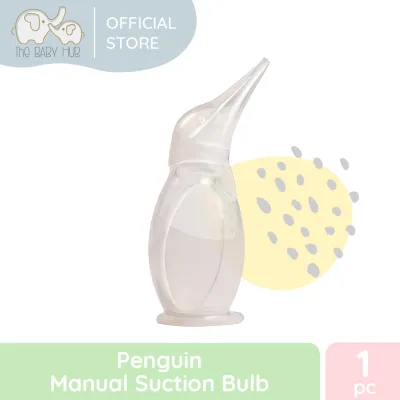
Manual bulb syringes and mouth-suction tubes are highly portable, completely silent, and cost-effective. However, they require careful hand-squeeze coordination or lung power, and traditional bulb models can be incredibly difficult to clean and dry thoroughly.
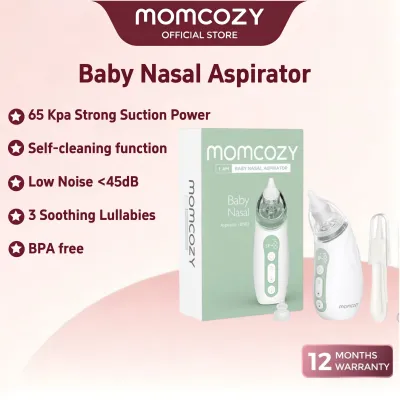
Electric nasal aspirators provide consistent, adjustable suction and feature detachable, easy-to-clean parts. On the downside, they are bulkier, more expensive, and produce motor noise that may startle sensitive infants.
Products mentioned in this guide
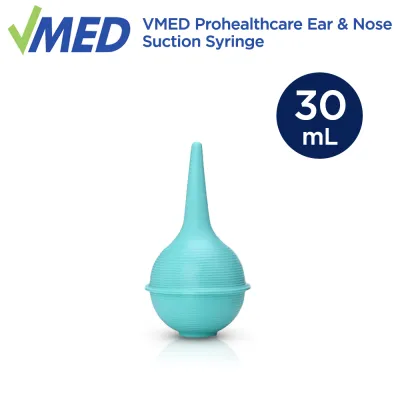
Prices are valid at publication and may change. Please refer to the product page for the latest price.
For a quick decision, choose a manual aspirator if you need an affordable, silent backup for travel or power outages. Opt for an electric model if you want consistent suction power for thick congestion and prefer transparent, easily sterilized components.
How Manual and Electric Nasal Aspirators Work
Nasal aspirators clear a baby’s blocked airway by creating a vacuum that draws out trapped mucus. Because infants are obligatory nose breathers for the first few months of life, keeping their nasal passages clear is vital for comfortable feeding and restful sleep.

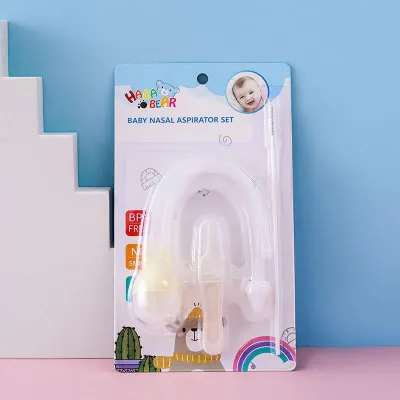
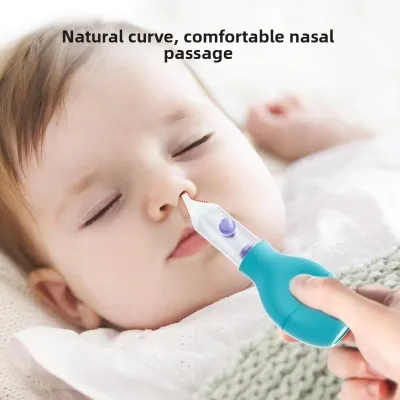
Manual aspirators generally fall into two categories. Traditional bulb syringes rely on the parent squeezing a rubber bulb to expel air, inserting the tip into the nostril, and releasing the bulb to create a vacuum. Mouth-suction aspirators, often called “snot suckers,” use a physical tube where the parent places one end in their own mouth and the other in the baby’s nostril, drawing out mucus using their own breath while a physical filter prevents any sanitary cross-contamination.
Electric nasal aspirators utilize a small, motorized pump powered by disposable batteries or a rechargeable USB connection. When activated, the motor creates continuous suction at the press of a button, pulling mucus directly into a collection chamber.
Regardless of which mechanical design you prefer, safety must always come first. Parents must verify the manufacturer’s specific age, weight, and developmental guidelines printed on the product packaging before introducing any device to their baby’s nasal passages. Never assume a device is safe for a newborn simply because of its name or category.
Key Comparison Dimensions for Baby's Comfort and Parent Convenience
Selecting the right tool requires balancing how the device performs during a stressful, congested night against how easy it is to maintain during your daily routine.
Suction Power and Control
Manual nasal aspirators offer highly variable suction that is entirely dependent on the parent’s physical input. With a bulb syringe, the strength of the vacuum depends on how hard and fast you squeeze the rubber bulb. While this allows for rapid adjustments, it also introduces the risk of applying too much pressure or, conversely, failing to generate enough suction to dislodge stubborn mucus. Mouth-suction models offer more intuitive, real-time control, as you can feel the resistance and adjust your inhalation pressure instantly.
Electric models remove the guesswork by providing consistent, regulated suction. Many modern electric units feature multiple power levels, allowing you to cycle from a gentle draw to a stronger setting. Before purchasing, parents should check the product label or user manual to verify the device’s maximum suction limits, ensuring they align with safe pediatric standards. This steady power is especially beneficial for clearing thick, sticky mucus that manual bulb syringes often struggle to dislodge.
Baby's Comfort and Noise Levels
An infant’s sensory experience plays a massive role in how smoothly a nasal clearing session goes. Manual aspirators are completely silent. This silence makes them highly effective for clearing a sleeping baby’s nose or managing congestion without triggering a startle reflex in an already fussy, sick infant.
Electric aspirators inherently produce a mechanical humming or buzzing noise. For some babies, this sound is highly distracting or frightening, leading to crying and resistance. To mitigate this, some manufacturers integrate soothing music, white noise, or colorful lights into the device to distract the child.
Beyond sound, physical comfort depends heavily on the nasal tip. Parents must verify that the silicone tip size and softness are appropriate for their baby’s specific age group. A tip that is too large will not create a proper seal, while a tip that is too hard can irritate the delicate, highly vascularized lining of the nasal passage.
Cleaning, Drying, and Hygiene
Maintaining a sterile device is critical to prevent reintroducing bacteria or mold into your baby’s respiratory system. Traditional rubber bulb syringes present a well-documented hygiene challenge. Because they are opaque and often made of a single molded piece, they are notoriously difficult to clean, view inside, and dry completely.
In humid tropical climates like the Philippines, where high relative humidity is common year-round, trapped moisture inside an opaque bulb creates an ideal breeding ground for black mold and bacterial colonies. If you use a manual bulb, you must look for models that twist apart for complete internal cleaning.
Electric aspirators and modern mouth-suction devices are generally designed with hygiene in mind. They typically feature transparent, detachable plastic collection cups and medical-grade silicone nozzles that can be easily pulled apart, washed with warm soapy water, and air-dried. Many of these components are compatible with steam sterilizers, though parents must strictly follow the cleaning, sterilization, and drying protocols outlined in their specific product’s user manual to avoid damaging the motorized parts.
Portability and Nighttime Use
For families on the go, manual aspirators are incredibly convenient. They are lightweight, compact, and require no power source, making them easy to toss into a diaper bag for day trips, family visits in the provinces, or travel where electricity might be unreliable. They also serve as an indispensable backup during seasonal power outages.
Electric aspirators are heavier and bulkier due to their internal motors and battery compartments. They require you to manage rechargeable batteries or keep spare AA batteries on hand.
However, electric models often prove far more convenient for nighttime use at home. Many electric units feature built-in LED screens or soft lights. This allows a parent to operate the device easily with one hand while cradling a congested baby in a dark nursery, eliminating the need to turn on bright overhead lights that could fully wake the child.
Which Type Fits Your Family? A Decision Framework
To help you decide which nasal suction device to purchase, consider how your daily routine, budget, and specific environment align with these two categories.
Choose a manual bulb syringe or mouth-suction aspirator if:
- You are budget-conscious: Basic manual options are highly affordable, typically ranging from under ₱150 to ₱600 on local online marketplaces.
- You travel frequently: You need a lightweight, pack-and-go tool that requires zero charging cables or replacement batteries.
- You need silent operation: Your baby is highly sensitive to mechanical noises, or you prefer to clear their nose while they sleep.
- You want an emergency backup: You want a reliable tool that functions perfectly during tropical storms and electricity brownouts.
Choose an electric nasal aspirator if:
- You struggle with manual coordination: You find it difficult to squeeze a bulb or maintain steady mouth suction while holding a wriggling baby.
- You manage frequent, heavy congestion: Your baby suffers from thick, stubborn mucus that requires consistent, multi-level suction power.
- You prioritize visible hygiene: You want transparent, detachable chambers where you can easily verify that all mold and residue have been washed away.
- You have a larger budget: You are comfortable investing between ₱1,200 and ₱3,500+ for long-term convenience and advanced features.
Verify first if your baby has special health considerations: If your baby was born prematurely, has underlying respiratory conditions, or has a structural variation like a deviated septum, do not use any nasal suction device without first consulting your pediatrician. Keep in mind that price, brand popularity, and positive online reviews do not guarantee that a specific device is safe or suitable for your child’s unique physiological needs.
Safe Usage Guidelines and When to Seek Medical Help
Using a nasal aspirator safely requires gentle technique and strict adherence to usage limits to protect your baby’s delicate airways.
Before initiating nasal suction, always use pediatric saline drops to loosen dry or thick mucus. Administer one to two drops into each nostril, wait approximately one minute to allow the saline to soften the congestion, and then gently apply the aspirator. This step makes the suction process significantly more effective and reduces the amount of pressure required to clear the airway.
Limit nasal suctioning to essential times of the day, such as right before feeding or before putting your baby down to sleep. Over-suctioning can irritate the sensitive nasal mucosa, causing swelling, increased mucus production, and localized inflammation, which ultimately worsens your baby’s congestion.
Always maintain a soft, gentle angle when inserting the silicone tip. Point the tip slightly outward toward the side of the nostril rather than straight up or inward toward the nasal septum, as pressure against the septum can cause discomfort or minor bleeding.
When to stop and seek professional medical help:
- Immediate Distress: Stop the procedure immediately if your baby shows severe physical distress, struggles to breathe, or turns pale or blue around the lips.
- Bleeding: Cease all suctioning if you notice any blood in the mucus or coming from the nasal passages.
- Swelling and Redness: Stop if the nasal tissues appear highly swollen, red, or irritated.
- Persistent Congestion: If your baby's congestion persists for several days despite regular suctioning, or is accompanied by a high fever, persistent cough, or poor feeding, consult a pediatrician.
Remember that nasal aspirators are designed solely for temporary symptom relief. They do not cure underlying viral or bacterial infections. Always read and follow the product-specific safety warnings provided by the manufacturer.
Frequently Asked Questions (FAQ)
Can I use a nasal aspirator on a newborn?
While many manual and electric nasal aspirators are marketed for use from birth, you must strictly verify the manufacturer’s minimum age, weight, and developmental requirements on the product packaging before use. Newborn nasal passages are incredibly narrow and delicate. If your baby was born prematurely or has any underlying health conditions, always consult your pediatrician before using any nasal suction device to ensure the tip size and suction strength are entirely safe.
How often should I suction my baby's nose?
To prevent tissue swelling and irritation, limit nasal suctioning to a few times a day, primarily before feeding sessions and bedtime. Overusing an aspirator can irritate the delicate lining of the nose, leading to increased inflammation and even more congestion. Always check your specific device’s user manual for any manufacturer-recommended daily limits, and consult your healthcare provider if your baby requires frequent suctioning over multiple consecutive days.

Community discussion
Share your experience or ask a question. Comments are reviewed before publication.