
Choosing the right nasal aspirator for your baby depends on balancing suction control, hygiene, ease of use, and your budget. There is no single ideal device; manual bulb syringes, mouth-suction tubes, and electric aspirators each serve different needs based on your baby’s age and your caregiving preferences. This guide compares the core features of each type to help you make an informed, condition-based decision.
In the humid, tropical climate of the Philippines, respiratory congestion from seasonal changes, dust, or air conditioning is a common challenge for parents. Keeping your baby’s nasal passages clear is essential for comfortable feeding and restful sleep, especially since infants breathe primarily through their noses. Understanding the distinct mechanisms, advantages, and limitations of each aspirator type allows you to select a tool that fits seamlessly into your daily caregiving routine.
Comparing the Three Main Types of Nasal Aspirators
Nasal aspirators generally fall into three categories, each utilizing a different method to generate the suction needed to clear mucus. The traditional bulb syringe is a classic manual tool made of rubber or silicone. You compress the bulb, gently insert the tip into the baby’s nostril, and release the bulb to create a vacuum that draws out congestion. Because of its simple, one-piece or two-piece design, it is highly portable and requires no external power source or additional accessories.
Products mentioned in this guide
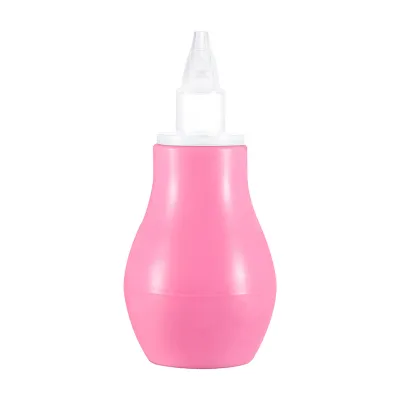
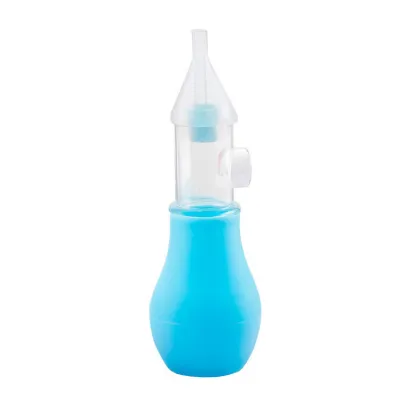
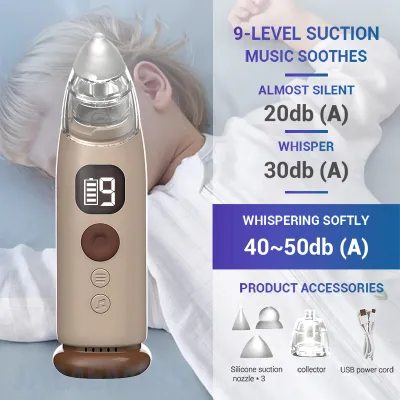
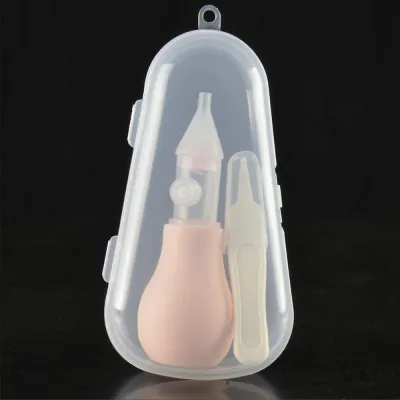
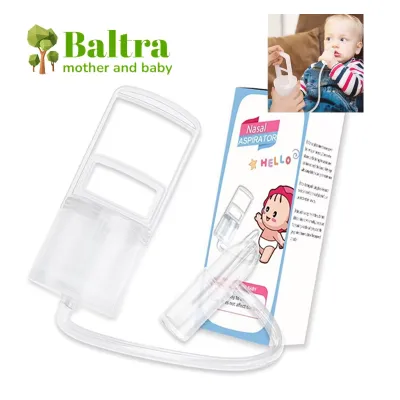
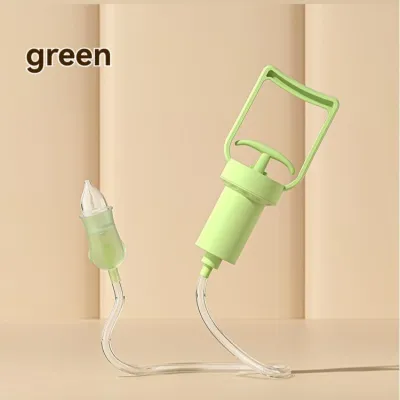
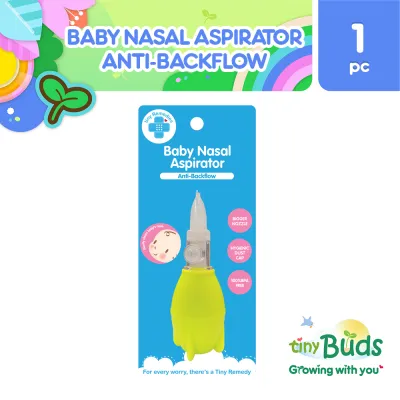
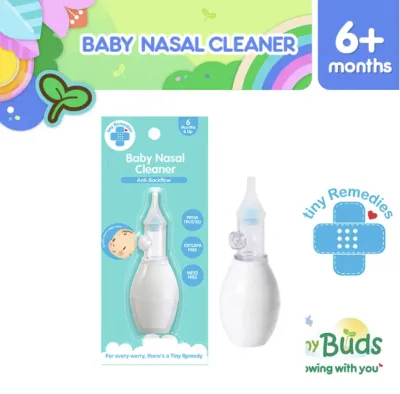
Prices are valid at publication and may change. Please refer to the product page for the latest price.
Mouth-suction aspirators, often called human-suction or tube aspirators, use your own breath to create suction. This design consists of a soft silicone tip placed at the baby’s nostril, a flexible tube, a protective filter chamber, and a mouthpiece for the parent. By inhaling through the mouthpiece, you can precisely modulate the suction strength based on the thickness of the mucus and your baby’s comfort level. The physical barrier and filter are designed to prevent any mucus or bacteria from reaching your mouth, making it a highly controlled yet hygienic option.
Electric nasal aspirators rely on a small, battery-operated or rechargeable motor to generate continuous suction. These devices typically feature multiple suction levels that you can adjust with the press of a button. Many models also include built-in distractions, such as soft lights or gentle melodies, to help keep your baby calm during the process. Because the motor does the work, you can focus your attention on stabilizing your baby’s head and positioning the tip safely inside the nostril. Specific features, tip materials, and safety mechanisms vary by manufacturer and require checking product labels.
Key Decision Factors: Suction, Hygiene, and Convenience
When evaluating these devices, suction control is often the primary concern for parents. Manual mouth-suction aspirators offer the most intuitive control, as you can instantly adjust your inhalation force to match the resistance of the mucus. Bulb syringes offer moderate control, but the suction force depends entirely on how quickly you release your grip, which can sometimes be unpredictable. Electric aspirators provide steady, continuous pressure, but you must verify the manufacturer’s specifications to ensure the suction levels fall within safe, pediatric-approved limits for delicate nasal tissues.

Hygiene and ease of cleaning are critical factors in preventing the growth of mold and bacteria within the device. Bulb syringes can be challenging to clean thoroughly, especially older, opaque models that do not open; parents should look for modern, detachable bulb designs that allow you to wash and dry the interior completely. Mouth-suction aspirators require regular replacement of their single-use hygiene filters to maintain a clean barrier between parent and child. Electric models feature detachable silicone tips and collection cups that must be washed after every use, and some parts may require manual boiling or steam sterilization depending on the manufacturer’s instructions.
Convenience and portability also shape your daily experience with a nasal aspirator. Manual options are lightweight, silent, and easily fit into a diaper bag for travel, making them highly convenient for on-the-go use. Electric aspirators are heavier and produce a humming sound from the motor, which might startle sensitive infants. However, rechargeable electric models eliminate the need for manual effort and are highly efficient during late-night congestion emergencies when you want to clear your baby’s nose as quickly as possible.
Age and Development: Matching the Aspirator to Your Baby
Your baby’s developmental stage plays a significant role in determining which nasal aspirator will be most effective. Newborns have extremely narrow, delicate nasal passages and are highly sensitive to sudden pressure changes. For these tiny infants, a gentle manual mouth-suction aspirator with a soft, narrow silicone tip is often highly suitable because it allows you to apply the softest possible suction. Always check the product packaging to verify that the tip size is appropriate for a newborn and avoid inserting any tip too deeply into the nostril.
As infants grow into active toddlers, they become much more mobile and are likely to resist having their noses cleared. A squirming toddler can make manual suction difficult and potentially unsafe if they move suddenly while a rigid tip is inserted. In these scenarios, an electric nasal aspirator can be highly advantageous because it works quickly and continuously, allowing you to complete the process in seconds. Many electric models also feature soft, flexible tips designed to bend slightly with your child’s movements, reducing the risk of irritation.
Regardless of the device you choose, always verify the age, weight, and size recommendations provided by the manufacturer. Some advanced electric models are designed specifically for older infants and may have suction levels that are too strong for a newborn. Conversely, some basic manual tools may not have a large enough tip or sufficient suction capacity to handle the thicker mucus typical of older toddlers. Matching the tool to your child’s current developmental stage ensures both safety and effectiveness.
Evaluating Costs and Long-Term Value
Budget considerations involve looking at both the initial purchase price and the ongoing maintenance costs over the lifespan of the device. In the Philippines, basic manual bulb syringes are the most affordable option, often available for a minimal cost at local pharmacies and online marketplaces. Mouth-suction aspirators represent a mid-range investment, offering a balance of affordability and enhanced control, though they require you to purchase replacement filters periodically to maintain hygiene.
Electric nasal aspirators carry a higher upfront cost, reflecting their motorized components and rechargeable battery systems. When choosing an electric model, it is important to factor in the long-term availability and cost of replacement parts, such as silicone tips, collection chambers, or charging cables. Checking local online stores or specialized baby boutiques can help you gauge the current ₱ pricing and ensure that spare parts are readily accessible in the local market when you need them.
To maximize the value of your investment, consider how long you plan to use the device. A high-quality, easily sterilizable mouth-suction or electric aspirator can last through multiple childhood stages or even be used for subsequent siblings, provided you replace the consumable parts like filters and tips. Weighing these long-term maintenance costs against your immediate budget will help you choose a sustainable solution for your family.
Safety Boundaries and When to Consult a Pediatrician
While nasal aspirators are excellent tools for relieving congestion, they must be used with care to avoid irritating your baby’s delicate nasal lining. Pediatricians generally recommend limiting the use of nasal aspirators to a few times a day, typically before feeding and bedtime, to prevent swelling and mucosal damage. Overusing any aspirator can lead to increased inflammation, which actually worsens the congestion rather than relieving it.
Always monitor your baby closely during and after using an aspirator. If you observe signs of irritation, such as minor bleeding, swelling, or increased distress, stop using the device immediately and allow the nasal passages to rest. It is also essential to verify that the product carries recognized safety certifications on its packaging, indicating that it has been manufactured to meet strict quality standards.
Before using any nasal aspirator on a premature infant, a baby with a history of respiratory conditions, or an infant who has recently undergone nasal surgery, consult your pediatrician for personalized guidance. Additionally, seek immediate medical attention if your baby exhibits warning signs of severe respiratory distress, such as rapid breathing, flaring nostrils, grunting, or chest retractions, as these symptoms require professional medical evaluation rather than home suctioning.
Final Decision Framework
To make your final choice, assess your specific caregiving situation, budget, and baby’s temperament. A manual bulb syringe is an excellent choice if you need a highly affordable, simple backup tool for occasional use and are comfortable managing the suction manually. It is highly portable and requires no ongoing purchases, making it a reliable staple for any basic baby care kit.
A mouth-suction aspirator is a highly suitable option if you prioritize precise control over the suction strength and want a highly hygienic, portable device. This type is particularly well-suited for newborns and younger infants who require gentle, customized care. It does require a commitment to purchasing replacement filters, but it offers an excellent balance of performance and safety.
An electric nasal aspirator is well-suited for parents who want a fast, hands-free suction method to manage frequent congestion or active, squirming toddlers. If your budget permits a higher upfront investment and you are comfortable maintaining a motorized device, the speed and built-in distractions of an electric model can significantly reduce the stress of nose-clearing sessions.
Before making a final purchase, always verify the manufacturer’s age guidelines and cleaning instructions to ensure the device fits your lifestyle. If your baby has any underlying health conditions, a quick consultation with your pediatrician will help confirm the safest approach to managing their congestion.
Frequently Asked Questions (FAQ)
How often can I safely use a nasal aspirator on my baby?
You should generally limit the use of a nasal aspirator to three to four times a day, preferably before feeding times and bedtime when clear breathing is most critical. Overusing the device can irritate the delicate nasal lining, causing swelling and increased mucus production. Always check the manufacturer’s instructions for specific usage limits and observe your baby’s comfort levels during use.
What should I do if my baby's nose bleeds after using an aspirator?
If you notice minor bleeding, stop using the aspirator immediately and keep your baby upright to prevent blood from flowing down their throat. Gently wipe away any external blood with a clean, damp cloth, but do not insert any cotton swabs or tissues into the nostrils. If the bleeding does not stop within a few minutes, or if your baby experiences frequent nosebleeds, consult your pediatrician promptly for a professional evaluation.

Community discussion
Share your experience or ask a question. Comments are reviewed before publication.