
Choosing the right breast pump is one of the most significant decisions you will make during your breastfeeding journey. The choice between a manual breast pump and an electric breast pump ultimately depends on your daily routine, how often you plan to express milk, and your personal budget. While one mother might find the simplicity and portability of a manual pump perfect for occasional use, another may rely on the speed and efficiency of an electric pump to sustain her milk supply while returning to a busy workplace.
To make an informed choice, you must evaluate how each option fits into your lifestyle, especially when navigating the unique demands of daily life, commuting, and working. Balancing your physical comfort, time constraints, and financial resources will guide you to the equipment that best supports your feeding goals.
Assessing Your Pumping Frequency and Lifestyle
Before comparing specific features, it is essential to clarify your primary goals for expressing breast milk. Mothers who plan to breastfeed directly most of the time and only need to express milk occasionally—perhaps to allow a partner to bottle-feed or to relieve engorgement—have very different requirements from those who are returning to full-time work or exclusive pumping. Identifying where you fall on this spectrum prevents you from overspending on features you do not need or, conversely, struggling with a pump that cannot keep up with your daily demands.
Products mentioned in this guide
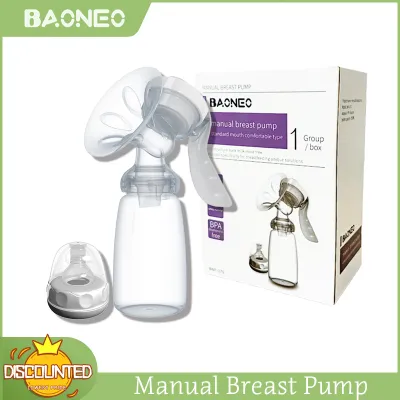
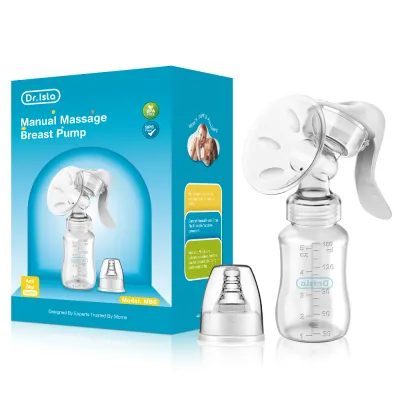
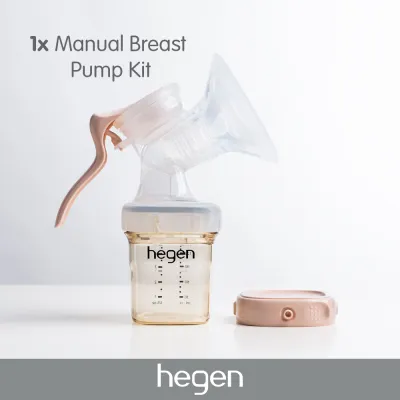
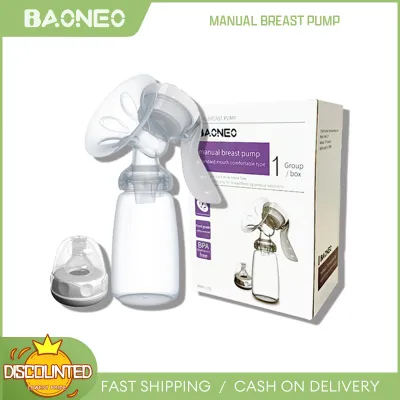
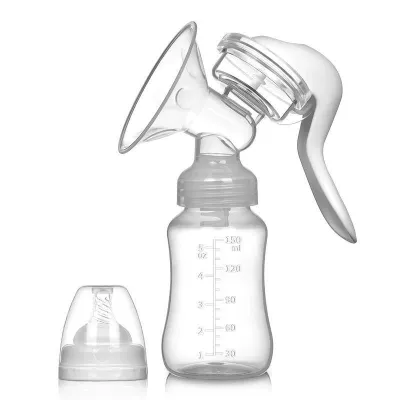
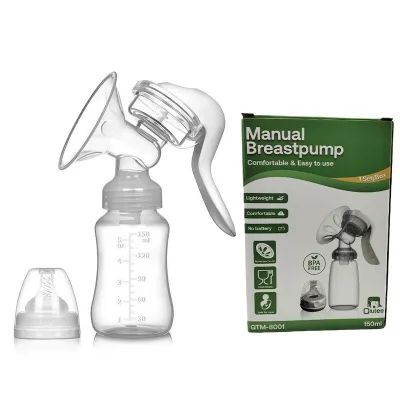
Prices are valid at publication and may change. Please refer to the product page for the latest price.
Your daily time commitments and multitasking needs also play a critical role in this decision. Expressing milk multiple times a day requires a significant block of time, and if you are managing household chores, working from home, or caring for other children, your ability to multitask becomes a priority. A pump that requires both hands to operate will limit your mobility, whereas a hands-free option can free you to complete other tasks during your sessions.
Furthermore, your physical environment and daily commute must be factored into the equation. Navigating public transportation, enduring long commutes in tropical humidity, or working in an office with limited private spaces can make pumping on the go highly challenging. You must consider whether you will have reliable access to clean electrical outlets, a private room with a lock, and a secure place to store your pump components and expressed milk throughout the day.
Manual Breast Pumps: Ideal for Occasional Use and Travel
Manual breast pumps are operated entirely by hand, using a handle or trigger mechanism to create suction and express milk. Because they do not rely on electricity, batteries, or motors, these pumps are exceptionally lightweight and compact. You can easily slip a manual pump into a diaper bag or purse, making it an excellent companion for quick errands, family trips, or situations where packing light is a necessity.

One of the greatest advantages of a manual pump is its complete independence from power sources. In areas prone to power interruptions or during outdoor activities where electrical outlets are unavailable, a manual pump ensures you can express milk without interruption. This independence also eliminates the worry of carrying heavy battery packs or searching for compatible adapters when traveling.
Additionally, manual pumps operate in complete silence. Without a motor hum, you can express milk discreetly in shared office spaces, public restrooms, or even right next to a sleeping baby without waking them. This level of privacy is highly valued by mothers who prefer to keep their pumping routine low-profile.
However, manual pumping requires continuous physical effort. Squeezing the handle repeatedly to mimic a baby’s nursing pattern can lead to significant hand and wrist fatigue, especially during longer sessions. If you need to pump multiple times a day, this physical strain can become uncomfortable and unsustainable over time.
From a financial perspective, manual pumps offer a clear budget advantage. They require a much lower upfront investment in ₱ compared to their electric counterparts. For families looking to minimize initial baby expenses, or for mothers who only need a backup pump, a manual model provides a highly cost-effective solution without compromising on basic functionality.
Electric Breast Pumps: Built for Efficiency and Exclusive Pumping
Electric breast pumps utilize an electrically powered motor to generate automatic suction, mimicking a baby’s natural sucking rhythm. These devices are designed for maximum efficiency, making them the standard choice for mothers who pump frequently or exclusively. By automating the suction process, electric pumps allow you to sit back and relax, reducing the physical exertion associated with manual expression.
For mothers returning to full-time employment, double electric pumps are highly efficient time-savers. By expressing milk from both breasts simultaneously, a double pump can cut your session times in half compared to single pumping. This efficiency is crucial when you only have short, designated lactation breaks during a busy workday.
Modern electric pumps also offer customizable settings, including adjustable suction strength and speed cycles. Many models feature a stimulation mode that uses fast, light suction to trigger your milk ejection reflex, followed by a deeper expression mode to draw out the milk efficiently. This level of control allows you to personalize the settings to match your comfort level and maximize your milk output.
Despite these benefits, electric pumps come with distinct trade-offs. They require a higher upfront investment in ₱, which can be a significant consideration for your household budget. They are also heavier and bulkier than manual pumps, requiring you to carry a motor unit, power cords, and sometimes external battery packs. The sound of the motor, while often designed to be quiet, still produces an audible hum that may limit your ability to pump discreetly in quiet environments.
When exploring electric options, you will encounter standard personal electric pumps and hospital-grade rental options. Personal electric pumps are designed for single-user daily use and are highly portable. Hospital-grade pumps, which are often available for rent through local medical supply distributors or lactation groups, feature heavy-duty motors and closed systems designed to support mothers with specific medical needs or those working to establish a milk supply for premature infants.
Direct Comparison: Manual vs. Electric Features
To help you weigh your options, it is helpful to compare the core features of both pump types side by side. The table below outlines the primary differences in cost, portability, noise, and physical effort to assist in your decision-making process.
| Feature | Manual Breast Pump | Electric Breast Pump |
|---|---|---|
| Upfront Cost | Low investment in ₱ | Moderate to high investment in ₱ |
| Portability | Highly portable, lightweight, fits in small bags | Bulkier, requires carrying motor and cords |
| Power Source | None (manual hand operation) | Electrical outlet, rechargeable, or AA batteries |
| Noise Level | Completely silent | Audible motor hum |
| Physical Effort | High (requires continuous hand pumping) | Low (automated suction) |
| Ideal Use Case | Occasional use, travel, power outages, backup | Daily use, returning to work, exclusive pumping |
Regardless of the type of pump you choose, regular maintenance and cleaning are vital to ensure hygiene and performance. You must thoroughly wash and sanitize all parts that come into direct contact with breast milk after every use to prevent bacterial growth, which is especially important in warm, humid tropical climates. Always consult the manufacturer’s instruction manual for specific guidelines on sterilization temperatures and dishwasher safety.
Additionally, before finalizing your purchase, verify the local availability of replacement parts. Components like silicone valves, membranes, and tubing wear out over time and require regular replacement to maintain optimal suction. Choosing a pump brand that has readily available spare parts in local baby boutiques or online marketplaces will save you from prolonged downtime when a part needs to be replaced.
Making Your Final Decision: Which Pump Should You Buy?
Your final decision should align with your specific daily routine and feeding goals. A manual breast pump is likely the right choice for you if you plan to breastfeed directly most of the time, need a pump primarily for occasional outings or travel, or are working within a tight budget. Its simplicity, silence, and independence from power sources make it a reliable, low-stress tool for occasional use.
On the other hand, an electric breast pump is highly recommended if you are returning to a full-time job, plan to pump multiple times a day, or are exclusively pumping. The time savings, adjustable settings, and automated operation make it a practical investment that can help you sustain your breastfeeding journey over many months.
It is important to recognize that neither option may fit your situation if you experience specific physical limitations, severe engorgement, or medical conditions affecting your milk supply. In such cases, relying solely on standard retail descriptions is not enough; you should consult a certified lactation specialist or healthcare professional for personalized guidance and equipment recommendations.
Finally, before purchasing any pump, verify that the included breast shield or flange size matches your unique anatomy. An improperly fitting flange can cause pain, damage breast tissue, and significantly reduce your milk output. Additionally, take the time to review the product’s warranty terms and the retailer’s return policy, as personal hygiene items like breast pumps are typically non-returnable once the seal is broken.
Frequently Asked Questions (FAQ)
Can I use a manual breast pump for exclusive pumping?
While it is physically possible to use a manual breast pump for exclusive pumping, it is generally not recommended for the long term due to the intense time commitment and physical strain. Exclusive pumping requires expressing milk eight to twelve times a day to maintain a healthy supply, and doing this manually can quickly lead to severe hand, wrist, and arm fatigue. If you find yourself experiencing persistent physical discomfort, or if you notice that your milk transfer is becoming inefficient and your supply is dropping, it is highly advisable to transition to an electric model or consult a lactation professional.
Do electric breast pumps require special cleaning?
Yes, electric breast pumps require careful cleaning to protect both your baby’s health and the pump’s motor. You must separate all parts that come into contact with breast milk—such as the flanges, valves, and collection bottles—and wash them thoroughly with warm, soapy water before sterilizing them according to the manufacturer’s instructions. The electric motor unit and power cords must never be submerged in water or exposed to moisture; instead, wipe them down with a clean, damp cloth if they become dirty. Additionally, regularly inspect the pump’s tubing for any signs of condensation or mold, and follow the manufacturer’s specific guidelines for drying or replacing the tubes to prevent water damage to the electronic components.

Community discussion
Share your experience or ask a question. Comments are reviewed before publication.