
Quick Answer: Manual or Electric?
Choosing between a manual breast pump and an electric breast pump is not about finding a universally superior device. Instead, the right choice depends entirely on your daily routine, physical comfort, pumping frequency, and budget. Neither option is objectively better than the other; they simply serve different breastfeeding journeys and lifestyle demands.
A manual breast pump is highly recommended if you plan to pump occasionally, need a silent and lightweight option for travel, or are working within a tight budget. These hand-operated devices offer complete control over suction speed and rhythm, making them excellent for relieving engorgement or building a modest milk stash. Conversely, an electric breast pump is the ideal choice if you are returning to work, pumping exclusively, managing a low milk supply, or needing to express milk multiple times a day. Motorized pumps automate the process, saving significant time and physical effort by allowing for rapid, double-sided expression.
Key Differences at a Glance
To make an informed decision, it is helpful to understand how these two types of breast pumps compare across key operational and practical categories. The best pump for your journey should align with your daily environment, your physical comfort, and the amount of time you can realistically dedicate to each pumping session.
Products mentioned in this guide

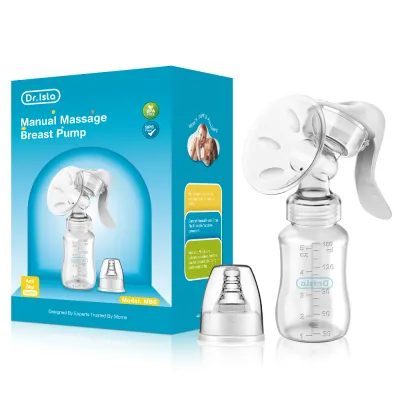
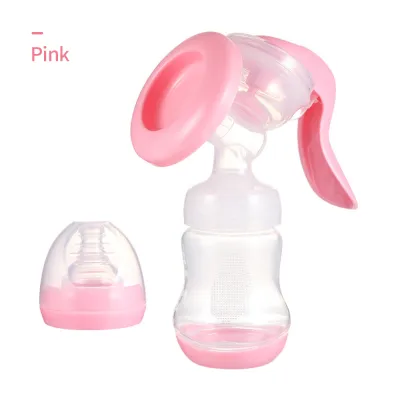
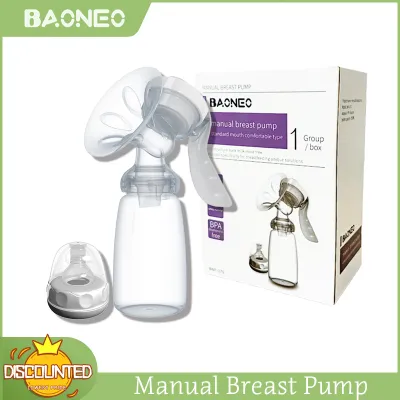
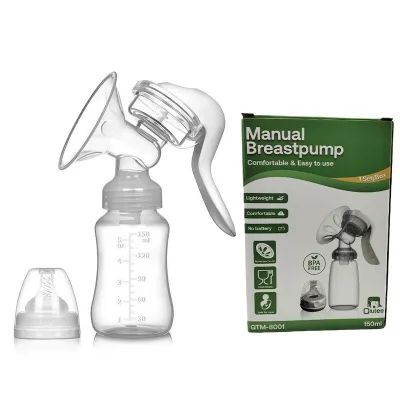
Prices are valid at publication and may change. Please refer to the product page for the latest price.

| Feature | Manual Breast Pump | Electric Breast Pump |
|---|---|---|
| Operation Method | Hand-operated handle or lever | Motorized vacuum pump (plug-in or rechargeable) |
| Portability | Extremely lightweight; fits easily in a small bag | Variable; wearable models are highly portable, while double electrics require a dedicated bag |
| Suction Control | Fully manual; determined by hand squeeze pressure | Programmed settings; adjustable vacuum strength and speed cycles |
| Noise Level | Completely silent | Low hum to moderate motorized noise |
| Setup & Cleaning | Minimal parts; very quick to assemble and wash | Multiple components (tubing, valves, membranes, connectors) |
| Power Source | None; relies entirely on physical effort | Wall outlet, AA batteries, or built-in rechargeable lithium-ion battery |
| Ideal Use Case | Occasional expression, travel, emergency power outages, and budget-conscious setups | Frequent or exclusive pumping, returning to office work, and boosting milk supply |
While this comparison highlights the structural differences, the actual experience of using each pump depends heavily on your physiological response and daily schedule. For instance, a mother commuting in a busy urban area may prioritize a different set of features than a mother who works primarily from home.
Understanding Manual Breast Pumps
Manual breast pumps operate on a straightforward mechanical principle. They feature a breast shield (flange), a collection bottle, and a manual handle or lever connected to a silicone diaphragm. When you squeeze the handle, it compresses the diaphragm, creating a vacuum that draws the nipple into the flange to express milk. Because there are no electrical components, the user has direct, real-time control over the strength, depth, and speed of every single suction cycle.
Pros and Cons of Manual Pumps
The primary benefit of a manual breast pump is its sheer simplicity and accessibility. In the Philippines, high-quality manual pumps are highly affordable, typically ranging from ₱500 to ₱2,500, making them an excellent entry point for new mothers. They are completely silent, allowing you to pump discreetly in a shared room, during office meetings, or right next to a sleeping baby without any motorized hum. Furthermore, their lightweight, compact design means they can be slipped into a standard diaper bag or purse without adding noticeable weight or requiring bulky carrying cases.
However, the manual design comes with distinct physical limitations. Because the suction is generated entirely by your hand, prolonged or frequent pumping sessions can lead to significant hand, wrist, and finger fatigue. This repetitive strain can become highly uncomfortable over time, especially for mothers who need to pump multiple times a day. Additionally, manual pumps can only express milk from one breast at a time, which naturally doubles the time required to complete a full session compared to a double electric pump. Maintaining a consistent suction rhythm for 15 to 20 minutes per breast also requires focused physical effort and patience.
When a Manual Pump Makes Sense
A manual breast pump is highly practical for mothers who primarily direct-latch and only need to express milk occasionally. If your goal is to have a partner give an occasional bottle feed, or if you need to soften your breasts to help your baby latch during the early days of engorgement, a manual pump is often all you need. It is also an invaluable tool for building a modest emergency milk stash without making a major financial investment.
In addition, a manual pump serves as an indispensable backup device. In tropical regions prone to seasonal typhoons and sudden power outages (brownouts), having a reliable, battery-free pumping option ensures you can safely express milk and maintain your supply even when the electrical grid fails. It is also highly suited for quick, on-the-go touch-ups, such as expressing a small amount of milk in a car or public restroom to relieve physical discomfort while away from home.
Understanding Electric Breast Pumps
Electric breast pumps utilize an electric motor to generate a vacuum, automating the suction and release cycle. These devices are available in several configurations, including single electric pumps, heavy-duty double electric pumps, and tubeless, wearable hands-free models. Modern electric pumps typically feature digital screens, built-in timers, and pre-programmed settings designed to mimic a baby’s natural nursing pattern, starting with a fast, light stimulation mode to trigger milk let-down, followed by a slower, deeper expression mode.
Pros and Cons of Electric Pumps
The outstanding advantage of an electric breast pump is efficiency. A double electric pump allows you to express milk from both breasts simultaneously, which not only cuts your pumping time in half but has also been shown to stimulate higher levels of prolactin, the hormone responsible for milk production. When paired with a hands-free pumping bra, traditional electric pumps allow you to read, work, or relax during your sessions. Wearable electric pumps take this convenience a step further by fitting entirely inside your regular nursing bra, eliminating external tubes and wires altogether.
These advanced features, however, come with a higher financial cost. Electric breast pumps in the local market generally range from ₱2,000 for basic single-motor models to upwards of ₱15,000 for premium, hospital-grade double electric or wearable systems. They also feature more complex assemblies, requiring you to clean and sterilize multiple small parts, including valves, membranes, connectors, and tubing. The reliance on electricity means you must always monitor battery levels or ensure access to a functional wall outlet. Additionally, even the quietest electric motors emit a distinct mechanical hum, which can make discreet pumping in quiet environments more challenging.
When an Electric Pump Makes Sense
An electric breast pump is highly recommended for mothers who are returning to a full-time workplace. Under the Expanded Breastfeeding Promotion Act of 2009 (Republic Act No. 10028) in the Philippines, working mothers are entitled to paid lactation breaks of at least 40 minutes for every 8-hour working period. An efficient double electric pump allows you to maximize these designated breaks, expressing a substantial volume of milk quickly and comfortably within the workplace lactation station.
Electric pumping is also the gold standard for mothers who are exclusively pumping, whether by choice or due to latching difficulties, premature birth, or medical separation from the baby. Maintaining a full milk supply without direct nursing requires expressing milk 8 to 12 times a day, a demanding schedule that is physically exhausting to sustain with a manual pump. Furthermore, mothers of multiples or those actively working with a lactation consultant to boost a low milk supply will benefit greatly from the consistent, powerful stimulation that only a motorized pump can provide.
How to Choose Based on Your Lifestyle and Frequency
To determine which pump best fits your life, it is helpful to evaluate your daily routine, long-term breastfeeding goals, and physical environment. Your needs will likely change over the first year of your baby’s life, so selecting a pump based on a realistic assessment of your weekly schedule is key.
Choose a Manual Pump if:
- Your primary feeding method is direct breastfeeding: You only need to pump occasionally to relieve fullness, mix milk into early solid foods, or prepare for a rare outing.
- You operate on a strict budget: You want a highly affordable, durable tool without the ongoing costs of specialized electronic replacement parts.
- You prioritize silence and discretion: You need to express milk in quiet spaces, during travel, or late at night in a shared bedroom without disturbing others.
- You want a lightweight, zero-maintenance travel companion: You do not want to worry about charging batteries, finding compatible voltage outlets abroad, or carrying heavy gear.
Choose an Electric Pump if:
- You are returning to an office or active work environment: You need to express milk quickly and efficiently during structured breaks to maintain your supply.
- You are exclusively pumping: Your baby receives all or most of their breast milk via bottle, requiring you to pump multiple times every single day.
- You need to maximize milk yield in minimal time: You want to pump both breasts at once to finish your sessions in 15 to 20 minutes.
- You experience hand or wrist discomfort: You want to avoid the repetitive physical strain of manual pumping and prefer to relax or multitask while a motor does the work.
- You are managing supply challenges: You need consistent, structured suction patterns to stimulate milk production effectively.
Consider Both if:
- You want the ultimate flexibility: Many mothers find that owning both types of pumps offers the perfect balance. You can use a high-efficiency double electric pump as your primary workhorse at home or the office, while keeping a compact manual pump in your diaper bag for quick relief, travel, or unexpected power outages.
As your breastfeeding journey evolves, your pumping routine will adapt. A mother who starts with a manual pump during her maternity leave may find that transitioning to an electric pump becomes highly practical once she returns to her professional routine. Assessing your daily constraints early on will help you invest in the tools that support your physical comfort and feeding goals.
Essential Features and Safety Checks Before Buying
Before purchasing any breast pump, it is crucial to verify specific safety, material, and design specifications to protect both your health and the quality of your expressed milk. Breast pumps are personal hygiene items, and careful selection ensures a sanitary, comfortable experience.
First, always verify that all plastic and silicone parts that come into contact with your breast milk are certified BPA-free (Bisphenol A). Look for food-grade polypropylene or silicone construction. Additionally, prioritize a closed-system pump design. A closed system features a physical barrier, such as a silicone diaphragm, that completely separates the milk collection kit from the pump tubing and motor. This design prevents milk particles and condensation from backing up into the motor or tubing, which is especially critical in the warm, humid climate of the Philippines, where moisture trapped inside unhygienic spaces can quickly lead to mold and bacterial growth.
Second, pay close attention to flange sizing (the breast shield that fits over your nipple). Most breast pumps come packaged with a standard 24mm flange, but nipple sizes vary widely. Using an incorrectly sized flange can cause friction, pain, nipple damage, and blocked milk ducts, while significantly reducing the amount of milk you can express. Before buying, measure the diameter of your nipple base (excluding the areola) using a printable ruler, or consult a certified lactation professional, peer counselor, or local breastfeeding support group to find your correct size. Many brands sell alternative flange sizes (ranging from 17mm to 30mm) or silicone flange inserts to ensure a precise, comfortable fit.
Finally, check the local availability of replacement parts and warranty terms. Consumable pump parts, such as silicone valves, membranes, and diaphragms, naturally stretch and wear out over time, leading to a loss of suction. Before committing to a specific brand, ensure that you can easily purchase authentic replacement parts from local baby specialty stores or authorized online distributors. If buying an electric pump, verify that the manufacturer offers a reliable local warranty and accessible customer service to handle any potential motor issues quickly and efficiently.
Frequently Asked Questions (FAQ)
Can I exclusively pump using only a manual breast pump?
While it is physically possible to exclusively pump using a manual breast pump, it is exceptionally challenging and physically demanding. Exclusive pumping requires expressing milk 8 to 12 times a day in the early weeks to establish and maintain your milk supply. Doing this entirely by hand can lead to severe hand, wrist, and finger fatigue, and the time required to pump each breast individually can quickly become overwhelming. For exclusive pumping, a high-quality double electric breast pump is strongly recommended to protect your physical well-being, save valuable time, and maintain a consistent milk supply over the long term.
Do electric breast pumps yield more milk than manual ones?
An electric breast pump does not automatically guarantee a higher milk yield than a manual pump. Milk expression relies heavily on your body’s let-down reflex, which is triggered by the hormone oxytocin and stimulated by physical comfort, relaxation, and a properly fitted flange. While double electric pumps are highly efficient, save time, and can stimulate higher prolactin levels by pumping both sides at once, a relaxed mother using a comfortable, well-fitted manual pump can express just as much milk during a single session. Ultimately, proper flange sizing, physical comfort, and a stress-free environment are far more influential to your milk yield than the power source of your pump.

Community discussion
Share your experience or ask a question. Comments are reviewed before publication.