
Choosing between a manual and an electric breast pump is a pivotal decision in your breastfeeding journey. The right choice depends on how often you plan to express milk, your daily schedule, and your personal comfort. While a manual pump offers portability and budget-friendly simplicity, an electric pump provides speed and efficiency for parents who need to express milk multiple times a day. By evaluating your lifestyle, work environment, and feeding goals, you can select the tool that best supports your body and your baby.
Assessing Your Pumping Frequency and Lifestyle Needs
Your daily routine and long-term breastfeeding goals serve as the foundation for choosing the right equipment. If you plan to breastfeed directly most of the time and only need to express milk occasionally—such as for a rare evening out or to relieve engorgement—your needs will differ significantly from someone who is returning to a full-time office job. Parents who anticipate being away from their babies for several hours a day must consider how they will maintain their milk supply and how much time they can realistically dedicate to pumping during busy intervals.
Lifestyle transitions play a major role in this decision. Commuting in busy metropolitan areas or traveling frequently requires a setup that is easy to pack, carry, and use in various environments. If you are returning to a workplace, you will need to think about where you will pump, whether you will have access to a private space with electrical outlets, and how much time your employer allocates for expression breaks. Conversely, if you primarily stay at home or have a highly flexible schedule, your pumping sessions might be more easily integrated into your day without the need for rapid, highly portable equipment.
Products mentioned in this guide
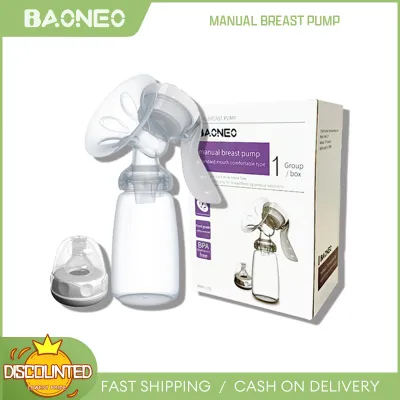
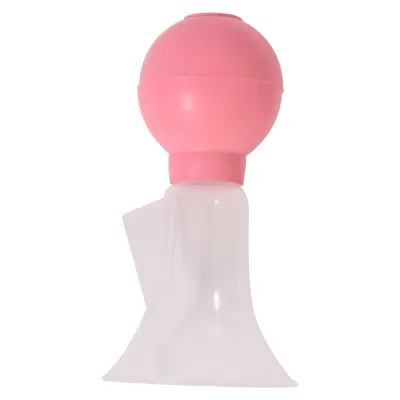
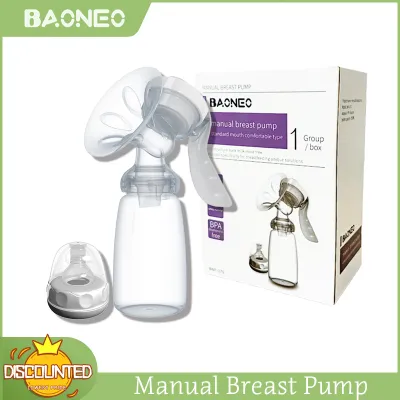
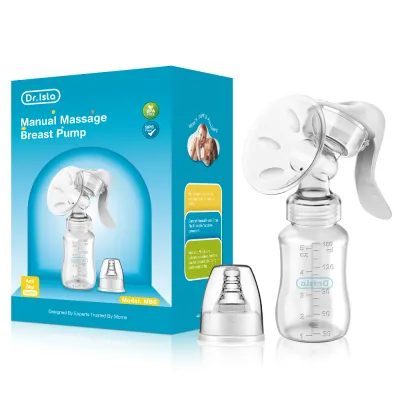

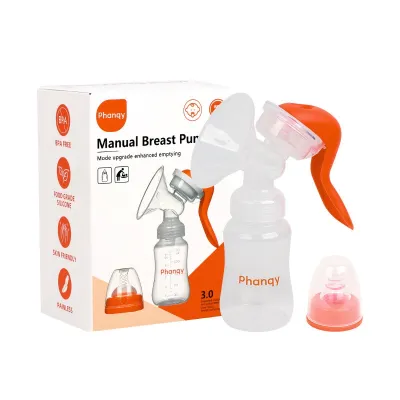
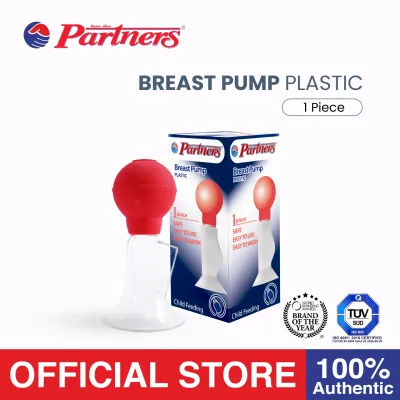
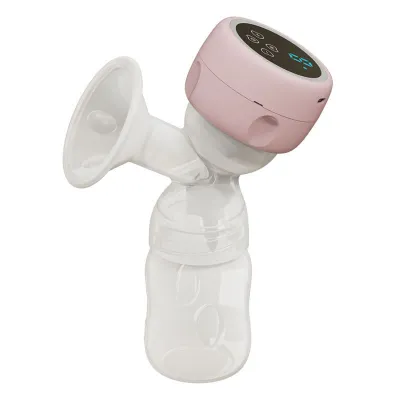
Prices are valid at publication and may change. Please refer to the product page for the latest price.
Finally, determine whether the pump will serve as your primary method of milk extraction or merely as a supplement to direct nursing. Exclusive pumping—where a baby receives all their breast milk from a bottle—demands a highly durable, efficient system that can withstand frequent daily use. On the other hand, if you are simply building a modest backup stash of milk in your freezer while nursing directly, a simpler, less intensive option may serve you perfectly well.
Manual Breast Pumps: Best for Occasional Use and Portability
Manual breast pumps are hand-operated devices that rely entirely on your physical effort to create suction and express milk. One of their greatest advantages is their lightweight, compact design, which allows them to fit easily into a diaper bag or purse without adding significant bulk. Because they do not require a motor, they operate in complete silence, offering a level of discretion that many parents appreciate when pumping in public spaces or near a sleeping baby. Additionally, they do not require batteries or electrical outlets, making them incredibly reliable during travel or unexpected power outages, which are common in tropical regions during the rainy season.

However, manual pumps do have distinct limitations that make them less suitable for high-frequency use. Because you must manually squeeze a lever or handle to generate suction, pumping can become physically tiring for your hands and wrists over longer sessions. This continuous physical effort can make it difficult to maintain a consistent rhythm, potentially leading to longer expression times. Furthermore, manual pumps are designed to extract milk from only one breast at a time, which effectively doubles the time required to complete a full session compared to double electric models.
These characteristics make manual pumps ideal for specific, low-frequency scenarios. They are excellent for parents who only need to pump occasionally to build a small milk stash or to relieve fullness between direct feedings. They also serve as a highly dependable backup pump to keep in your car or office, ensuring you are never left without a way to express milk if your primary electric pump malfunctions or loses power.
Electric Breast Pumps: Best for Frequent Pumping and Efficiency
Electric breast pumps utilize an electrically powered motor to automatically generate suction, mimicking a baby’s natural nursing pattern. The primary advantage of an electric pump is its high level of efficiency, which allows you to express milk quickly and with minimal physical effort. Most modern electric pumps offer adjustable suction strength and speed settings, enabling you to customize the pumping experience to match your comfort level and stimulate milk flow effectively. Many models also support double pumping, allowing you to express milk from both breasts simultaneously, which can cut your pumping time in half and help stimulate overall milk production.
Despite their efficiency, electric pumps come with practical trade-offs that you must consider. They are generally bulkier and heavier than manual pumps due to the motor unit, making them more cumbersome to transport during daily commutes. They also require a reliable power source, whether that means plugging into an electrical outlet or ensuring a rechargeable battery is fully charged before use. The presence of a motor also means these pumps produce some level of noise, though many modern designs aim to minimize this sound for quieter operation. Additionally, electric pumps represent a more significant financial investment upfront, with prices in ₱ reflecting their complex technology and features.
An electric pump is highly recommended for parents who need to express milk frequently or exclusively. If you are returning to a full-time job and need to pump multiple times during the workday, the speed and hands-free options of an electric pump are invaluable for maintaining your supply without disrupting your workflow. It is also the practical choice for anyone looking to build a substantial milk supply or manage feeding challenges that prevent direct nursing.
Key Features to Compare Before You Buy
When comparing specific models, evaluating your budget against the long-term value of the pump is an essential first step. While manual pumps have a lower upfront cost, an electric pump may offer better value over time if you plan to pump daily for several months or years. It is also wise to research the availability and cost of replacement parts, such as valves and membranes, which require regular replacement to maintain proper suction. Ensure these parts are easily accessible through local distributors or reliable online marketplaces to avoid unexpected disruptions to your pumping routine.
Portability and power options should align closely with your daily environment. If you commute frequently or work in an office, look for electric pumps with rechargeable lithium-ion batteries or USB charging capabilities, which offer greater flexibility when outlets are scarce. Consider the overall weight of the motor unit and whether the pump can be used with a hands-free pumping bra, allowing you to multi-task or relax during your sessions. In humid, tropical climates, a lightweight and compact setup is also easier to carry comfortably during warm commutes.
Maintenance and cleaning routines are critical for keeping your equipment safe and hygienic. Review the manufacturer’s instructions regarding how many parts must be disassembled, washed, and sterilized after each use. In warm and humid environments, moisture can easily trap bacteria or mold if parts are not dried thoroughly in a clean, well-ventilated space. Choosing a pump with a closed system—which features a physical barrier to prevent milk from entering the tubing and motor—is highly recommended, as it simplifies cleaning and prevents contamination.
Flange fit and compatibility are paramount for both comfort and milk expression. The breast shield, or flange, must fit your nipple correctly to prevent friction, pain, and blocked milk ducts. Before purchasing, check the manufacturer’s specifications and sizing guides, as many brands offer various flange sizes or silicone inserts to ensure a proper fit. Do not assume the standard flange included in the box will fit perfectly; measuring your nipple base according to the brand’s instructions is a crucial step before your first session.
| Feature | Manual Breast Pump | Electric Breast Pump |
|---|---|---|
| Power Source | Manual hand power | Electrical outlet or rechargeable battery |
| Portability | Highly portable, lightweight | Moderately portable, heavier motor unit |
| Physical Effort | High (requires continuous hand pumping) | Low (motor handles suction automatically) |
| Best Use Case | Occasional use, travel, power outages | Daily use, returning to work, exclusive pumping |
When to Stop and Consult a Lactation Professional
While using a breast pump may take some adjustment, it should never cause ongoing pain or physical damage. If you experience persistent nipple pain, bruising, bleeding, or severe discomfort during or after your pumping sessions, stop using the pump immediately. These symptoms often indicate an incorrect flange size, excessive suction settings, or improper positioning, which can lead to tissue damage and clogged ducts if left unaddressed.
You should also seek professional guidance if you are struggling with a low milk supply, if your infant is having difficulty latching, or if you are unsure how to properly size your pump accessories. A certified lactation consultant can evaluate your pumping technique, verify your flange fit, and help you develop a personalized plan to meet your feeding goals. Relying on professional clinical advice rather than general product reviews or online forums ensures you receive safe, accurate guidance tailored to your body and your baby’s needs.
Frequently Asked Questions (FAQ)
Can I use both a manual and an electric breast pump?
Yes, many parents find that using both types of pumps offers the ultimate flexibility for their breastfeeding journey. You can use a double electric breast pump as your primary tool at home or at the office to quickly express milk during long separations from your baby. Meanwhile, keeping a compact manual pump in your diaper bag or car provides a reliable, lightweight backup for quick relief, travel, or situations where you do not have access to electricity.
How do I know which flange size is right for me?
To determine your correct flange size, you should measure the diameter of the base of your nipple (excluding the areola) using a ruler or a printable sizing tool provided by the manufacturer. Compare this measurement to the brand’s specific sizing chart to select the appropriate flange diameter, which is typically a few millimeters larger than your nipple measurement. If you observe your nipple rubbing against the sides of the tunnel during pumping, or if a large portion of your areola is pulled into the tunnel, you may need to adjust your size.
Are hospital-grade breast pumps worth the investment?
Hospital-grade breast pumps are heavy-duty, multi-user devices designed with powerful motors and advanced suction patterns to initiate and build milk supply under challenging circumstances. These pumps are typically rented rather than purchased outright due to their high cost, and they are generally recommended for specific medical situations, such as when a baby is in neonatal care or when a parent is working to overcome a severe supply deficit. For standard daily or occasional pumping, a high-quality personal electric pump is usually more than sufficient and much more practical for home and office use.

Community discussion
Share your experience or ask a question. Comments are reviewed before publication.