
Choosing the right pump for breast milk is a significant decision for new parents. The choice often comes down to a fundamental comparison: manual versus electric breast pumps. Each type offers distinct advantages designed to accommodate different lifestyles, daily routines, and feeding goals.
In the Philippines, this decision is often shaped by practical daily realities, such as navigating warm tropical weather, managing long commutes, dealing with occasional power interruptions, and balancing work commitments. Whether you plan to breastfeed directly most of the time or need to express milk multiple times a day while away from your baby, selecting the appropriate tool can make a substantial difference in your comfort and milk supply.
Understanding Your Pumping Needs and Frequency
Before choosing a pump, analyze your anticipated pumping frequency and daily environment. Parents who plan to breastfeed directly and only need to express milk occasionally—such as to relieve mild engorgement or to leave a bottle for a short outing—have very different requirements than those who will be pumping exclusively or returning to a full-time job. Establishing your primary goal early on will help you avoid overspending on features you may not need.
Products mentioned in this guide
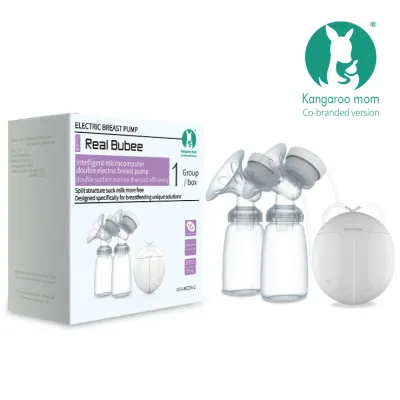
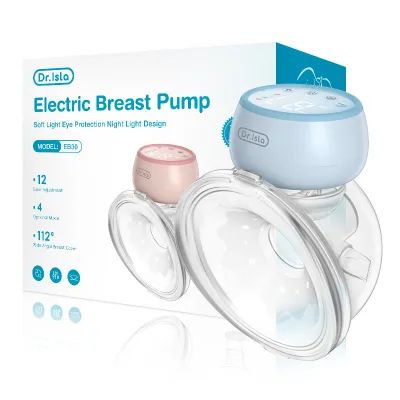
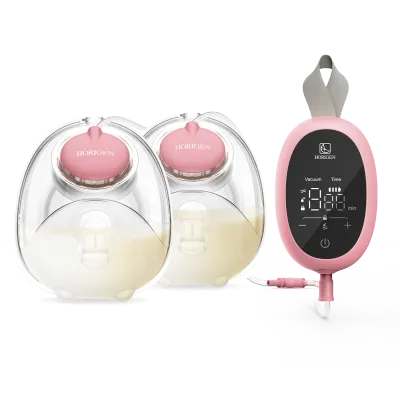
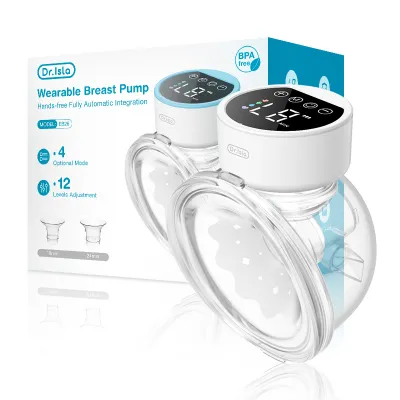
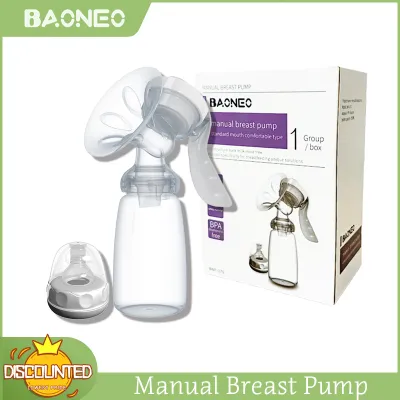
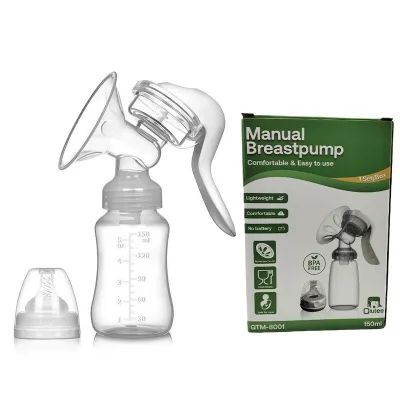
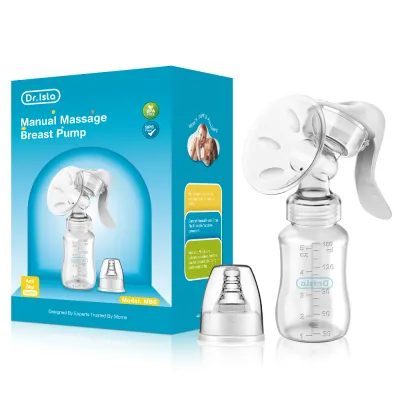
Prices are valid at publication and may change. Please refer to the product page for the latest price.
Your daily environment and routine also play a critical role. If you are a working parent commuting to an office, you must consider the logistics of your workplace. Many offices provide dedicated lactation rooms, but the availability of convenient power outlets, private spaces, and refrigeration can vary. Additionally, long commutes in tropical humidity mean that portability, weight, and ease of transport are major factors to keep in mind when selecting your equipment.
Finally, consider your physical stamina and the time you have available for each pumping session. Expressing milk requires patience, and a typical session can last fifteen to thirty minutes. Manual pumping requires continuous, active hand coordination to maintain suction, which can become physically exhausting if done multiple times a day. Electric pumps automate the suction cycles, allowing you to relax your hands or multi-task while expressing milk.
Manual Breast Pumps: Features, Trade-offs, and Ideal Users
Manual breast pumps are hand-operated devices that rely entirely on manual force to create suction and express milk. One of the most significant advantages of a manual pump is its exceptional portability. Because they do not require heavy motors, power cords, or batteries, these pumps are incredibly lightweight and compact, fitting easily into a standard diaper bag.

Another major benefit of manual pumps is their silent operation. Without an electric motor humming in the background, manual expression is completely quiet, allowing you to pump discreetly in public restrooms, shared office spaces, or next to a sleeping baby. Furthermore, manual pumps do not depend on electricity, making them highly reliable backups during power outages or when traveling to areas with limited power infrastructure. They also represent a much lower initial financial investment.
However, manual pumps come with notable trade-offs. The most prominent limitation is the physical effort required to operate them. Squeezing the handle repeatedly to maintain a consistent suction rhythm can lead to significant hand and wrist fatigue during longer sessions. Additionally, manual pumps are designed for single-breast expression, meaning you can only pump one side at a time, which doubles the overall time spent pumping compared to a double electric setup.
Electric Breast Pumps: Features, Trade-offs, and Ideal Users
Electric breast pumps utilize an electrically powered motor to generate suction automatically, mimicking the natural sucking patterns of a nursing infant. The primary advantage of an electric pump is its high efficiency and ability to save time. Most electric models are available as double pumps, allowing you to express milk from both breasts simultaneously, which cuts your pumping time in half and helps maintain a robust milk supply.
Modern electric pumps offer a high degree of customization, featuring adjustable suction strengths and speed settings. Many models include a stimulation mode with fast, shallow cycles to trigger milk let-down, followed by an expression mode with slower, deeper suctions. Some advanced designs are completely wearable and hands-free, fitting directly inside a standard nursing bra without external tubes or wires, allowing parents to multi-task or work at a desk while actively expressing milk.
Despite their efficiency, electric pumps have several limitations. They are significantly more expensive upfront than manual pumps, and their complex designs mean they consist of more parts—such as tubing, backflow protectors, and valves—that require meticulous cleaning. Electric pumps are also dependent on a power source; if the battery dies or there is a power interruption, the pump cannot function. Additionally, the motor produces an audible sound, which may reduce discretion in quiet environments.
Comparing Budget, Portability, and Daily Maintenance
When comparing manual and electric breast pumps, budget is often a primary consideration. A manual pump requires a relatively low initial investment, making it an accessible option for most households. However, it is important to consider long-term consumable costs. Over months of regular use, parts like silicone valves and membranes will wear out and require replacement to maintain proper suction.
Electric pumps involve a much higher initial cost, which varies widely depending on whether you choose a single electric, double electric, or wearable hands-free model. In addition to the higher upfront price, replacement parts for electric pumps—such as specialized tubing, rechargeable batteries, and motor servicing—can be more costly. It is wise to research the availability of replacement parts in local baby stores or authorized online marketplaces before committing to a specific brand.
Daily maintenance and cleaning are critical factors, particularly in the warm and humid climate of the Philippines, where moisture can quickly lead to mold or bacterial growth on damp pump parts. Manual pumps are simple to clean because they consist of only a few durable, detachable pieces that can be easily washed and sterilized. Electric pumps feature complex assemblies, and the silicone tubing must be kept completely dry, as any moisture trapped inside can damage the motor or become a breeding ground for mold.
Portability and discretion during travel or commutes are also highly practical concerns. A manual pump is lightweight and requires no accessories other than a bottle and a cap, making it the ultimate travel-friendly option. Electric pumps, even compact portable models, require you to carry a motor unit, power adapters, and charging cables. If you commute daily via public transport, carrying a bulky electric pump along with insulated cooler bags can be physically demanding.
Decision Framework: Which Pump for Breast Milk Fits You?
To make a confident decision, evaluate your choices through a structured framework based on your lifestyle and feeding goals. You should choose a manual breast pump if your pumping needs are infrequent, such as expressing milk once a day or a few times a week. It is also the ideal choice if you are working with a tight budget, prefer a completely silent pumping experience, or need a reliable, lightweight backup pump that does not rely on electricity.
On the other hand, you should choose an electric breast pump if you are returning to work full-time, plan to pump exclusively, or need to build and maintain a substantial milk supply. The automated suction and double-pumping capabilities of an electric model will save you hours of time and physical effort every week, making long-term lactation much more manageable.
For many parents, a combination of both types offers the most practical solution. You can use a double electric pump at home or at your office desk for maximum efficiency, and keep a simple manual pump in your diaper bag for quick, on-the-go relief. Before purchasing any pump, always verify the availability of different flange sizes for that specific model, check the local warranty terms in the Philippines, and carefully read the manufacturer’s safety and sterilization guidelines.
Frequently Asked Questions (FAQ)
Can I rely solely on a manual pump for exclusive pumping?
While it is technically possible to use a manual pump for exclusive pumping, doing so is highly challenging and physically demanding. Exclusive pumping requires expressing milk eight to twelve times a day to match a newborn’s feeding schedule, which can quickly lead to severe hand and wrist fatigue when using a manual lever. Furthermore, manual pumps may not empty the breasts as thoroughly or consistently as a high-quality electric pump, which can gradually lead to a decrease in your milk supply. If exclusive pumping is your primary feeding method, it is highly recommended to use a double electric pump and consult a lactation professional to establish a sustainable routine.
When is a hospital-grade electric pump necessary?
Hospital-grade electric pumps are heavy-duty, multi-user devices designed with closed systems that prevent milk from entering the motor, ensuring complete hygiene. These pumps feature exceptionally powerful motors and advanced suction patterns designed to initiate, build, and protect a parent’s milk supply when direct breastfeeding is not possible. They are typically recommended or rented under professional guidance for specific medical situations, such as premature births, prolonged mother-baby separation, severe infant latch issues, or when a parent is struggling with a critically low milk supply. For the vast majority of healthy, full-term breastfeeding journeys, a standard personal-use electric breast pump is entirely sufficient.
How do I verify the correct flange size for my pump?
Using the correct flange size is essential for both comfort and efficient milk expression, as an ill-fitting flange can cause friction, pain, nipple damage, and reduced milk output. To find your correct size, measure the diameter of the base of your nipple in millimeters (excluding the areola) using a ruler or a printable sizing guide, ideally after a feeding or pumping session when the nipple is fully stimulated. Compare your measurement to the manufacturer’s sizing chart; most brands recommend a flange size that is 2 to 4 millimeters larger than your nipple diameter to allow room for movement during suction. Because your nipple size can change during the postpartum period, you should periodically re-evaluate the fit if you begin to experience sudden discomfort or a drop in milk expression.

Community discussion
Share your experience or ask a question. Comments are reviewed before publication.