
Deciding on a pump for breast milk expression is one of the most significant choices a breastfeeding mother will make. In the Philippines, where mothers often balance returning to work with managing a busy household, finding the right tool is essential for maintaining a consistent milk supply. The choice between a manual and an electric breast pump depends primarily on your daily routine, budget, and how often you plan to express milk. While manual pumps offer quiet, cord-free portability at an affordable price point, electric pumps provide automated efficiency and speed that are essential for frequent or exclusive pumping.
Assessing Your Pumping Frequency and Lifestyle
To narrow down your options, start by evaluating how often you will need to use a pump for breast milk expression. If you plan to breastfeed directly most of the time and only need to express milk occasionally—such as for a date night, a quick errand, or to relieve engorgement—a simple manual pump may be all you need. On the other hand, if you are returning to a full-time job, planning to pump exclusively, or need to build a substantial milk stash, an electric pump becomes a highly practical investment.
Your daily environment also plays a major role in this decision. Consider your commute and workplace setup. Commuting in busy urban areas often involves navigating crowded public transport under humid, tropical weather, making a heavy, bulky pump highly inconvenient. Additionally, while Republic Act 10028 mandates lactation stations in workplaces, the actual facilities can vary widely. Some offices provide fully equipped rooms with electrical outlets and refrigerators, while others may offer more basic private spaces where a battery-operated or manual pump would be much easier to use.
Products mentioned in this guide
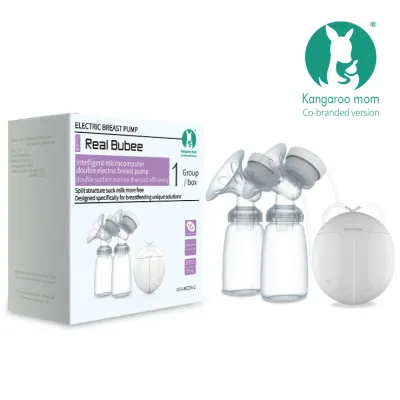
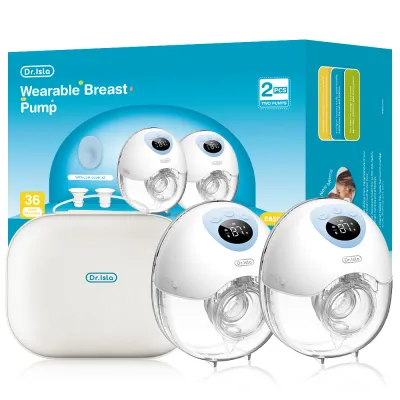
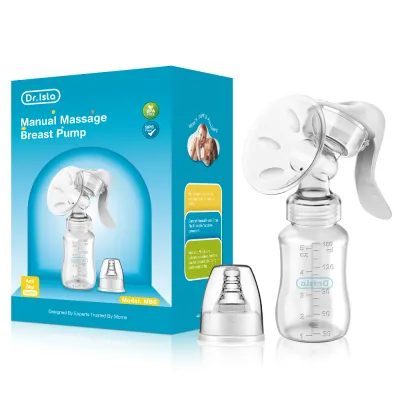
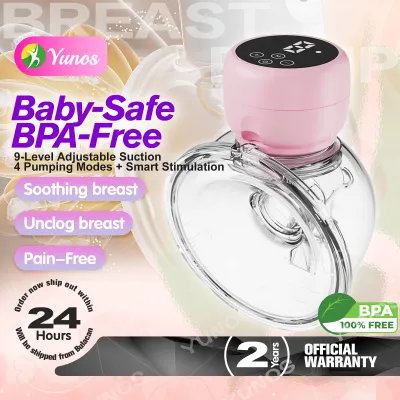
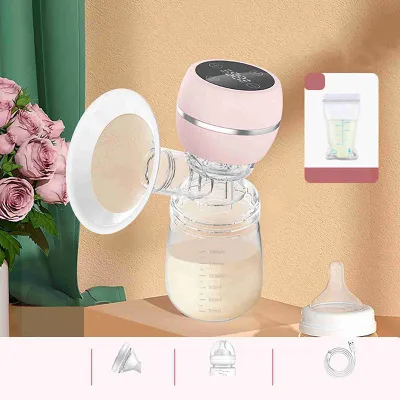
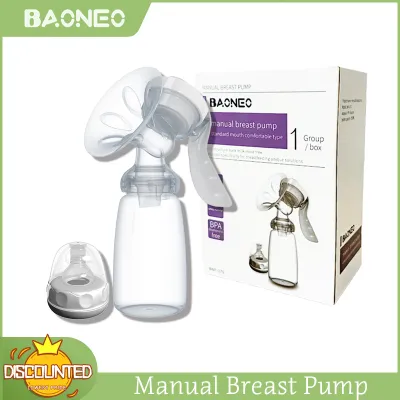
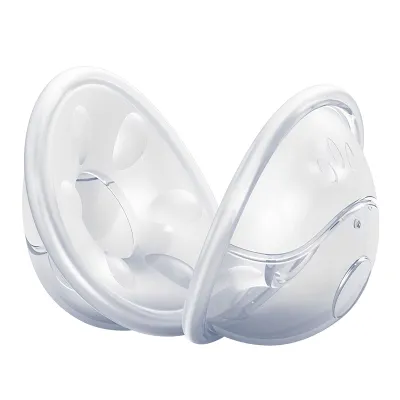
Prices are valid at publication and may change. Please refer to the product page for the latest price.
Finally, think about your physical comfort and time constraints. Expressing milk manually requires continuous hand coordination and physical effort, which can lead to fatigue over longer sessions. If you have limited break times during the workday, an electric pump can express milk from both breasts simultaneously in a fraction of the time, allowing you to maximize your rest periods.
When to Choose a Manual Breast Pump
A manual breast pump is operated entirely by hand, using a handle or lever to create suction and express milk. This type of pump is highly suited for mothers who prioritize simplicity, portability, and budget-friendliness. Because they do not require electricity, batteries, or charging cords, manual pumps are incredibly reliable during power outages or when traveling to areas with limited electrical access.

One of the primary advantages of a manual pump is its lightweight and compact design. It easily fits into a standard diaper bag or purse, allowing you to express milk discreetly wherever you are. Manual pumps are also virtually silent, making them ideal for pumping next to a sleeping baby or in public spaces where you prefer complete privacy. From a financial perspective, manual pumps are highly accessible, typically costing a fraction of the price of electric models, making them an excellent entry-point option for budget-conscious families.
However, manual pumps do have clear limitations. Because the suction is generated entirely by your own hand, using one requires continuous physical effort, which can quickly lead to hand and wrist fatigue. The expression process is generally slower compared to electric models, as you cannot easily replicate the rapid, automated stimulation phases of an electric motor. For these reasons, manual pumps are best reserved for occasional use rather than multiple daily sessions.
When to Choose an Electric Breast Pump
An electric breast pump utilizes a motorized unit to automate the suction and release cycle, mimicking a baby’s natural nursing pattern. This category is the standard choice for mothers who need to express milk frequently, such as those returning to full-time work or practicing exclusive pumping. The automated motor does all the physical work, allowing you to sit back and relax during your sessions.
The most significant advantage of an electric pump is its efficiency and speed. Many electric models offer double-pumping capabilities, allowing you to express milk from both breasts at the same time, which can cut your pumping time in half. Modern electric pumps also feature adjustable suction levels and expression modes, enabling you to customize the settings for optimal comfort and milk flow. For ultimate convenience, wearable electric pumps fit directly inside your nursing bra, giving you the freedom to multitask around the house or work at your desk hands-free.
Despite these benefits, electric pumps come with certain trade-offs. They represent a much higher initial financial investment, with prices ranging from moderate to premium depending on the features and brand. Electric pumps also consist of more components, including tubing, valves, and diaphragms, which require careful cleaning and thorough drying to prevent mold growth in humid tropical climates. Additionally, they rely on a power source, meaning you must always ensure you have access to an electrical outlet, fresh batteries, or a fully charged power bank.
Comparing Key Features and Specifications
When comparing different models of a pump for breast milk expression, looking closely at manufacturer specifications will help you choose the right fit for your daily routine. Portability and weight are crucial if you plan to carry your pump between home and work. Manual pumps generally weigh under 200 grams and have no extra accessories, while electric pumps can range from compact, battery-operated units to heavier, hospital-grade plug-in models.
Noise level is another essential specification to check, especially if you plan to pump in a shared office or public space. Manufacturers often list the decibel (dB) levels of electric pumps, with quieter models operating below 50 dB to ensure discretion. You should also review the cleaning requirements and the availability of replacement parts. Electric pumps with closed systems prevent milk from entering the tubing, making them more hygienic and easier to maintain, though they still require more assembly than a simple two-piece manual pump.
Before purchasing, always verify the manufacturer’s warranty terms and ensure that replacement parts, such as valves and diaphragms, are easily accessible through local distributors or authorized online marketplaces.
| Feature | Manual Breast Pump | Electric Breast Pump |
|---|---|---|
| Power Source | None (Manual hand power) | AC Adapter, USB, or Rechargeable Battery |
| Portability | Extremely high; lightweight and compact | Moderate to high (wearable models are highly portable) |
| Expression Speed | Slower; depends on manual pumping pace | Faster; automated cycles and adjustable speeds |
| Noise Level | Silent | Low hum to moderate motor noise |
| Cleaning & Parts | Few parts; easy to wash and sterilize | Multiple parts, valves, and tubing to maintain |
| Physical Effort | High; requires continuous hand squeezing | Low; automated suction does the work |
Final Decision Framework: Which Pump Should You Get?
To make your final decision, consider how your daily needs align with the unique strengths of each pump type.
Choose a manual pump if you are on a tight budget, plan to pump only occasionally to relieve fullness, or need a highly portable, silent option for travel and emergency backup during power interruptions.
Choose an electric pump if you are returning to work, pumping multiple times a day, or need to maximize your milk expression in a limited amount of time. If you prefer a hands-free experience that allows you to multitask, a wearable electric model is highly recommended.
Consider a hybrid approach if you want the best of both worlds. Many mothers find it highly practical to use a double electric pump as their primary device at home or in the office, while keeping a lightweight manual pump in their diaper bag for quick, on-the-go relief or travel.
Regardless of which type you choose, always prioritize safety and comfort. Before finalizing your purchase, verify on the product packaging that all milk-contact parts are made from BPA-free materials and carry recognized safety certifications. Additionally, ensure the pump is appropriate for your specific stage of postpartum recovery and that you select the correct flange size to prevent discomfort and support healthy milk flow.
Frequently Asked Questions (FAQ)
Can I use both a manual and an electric pump?
Yes, many mothers find a hybrid approach highly practical. Use the electric pump for your main sessions at home or work, and keep a manual pump in your bag for emergencies, power outages, or quick relief. Check if the brand offers compatible bottles and flanges to avoid buying duplicate accessories.
How do I ensure the breast pump flanges fit correctly?
Flange size depends on your individual nipple anatomy, not just standard pump kits. A flange that is too small or too large can cause pain, friction, and reduced milk output. Measure your nipple diameter (excluding the areola) and consult the manufacturer’s sizing guide, or seek advice from a certified lactation consultant.
Are wearable electric pumps as effective as traditional ones?
Wearable electric pumps offer excellent hands-free convenience, allowing you to move around or work. However, their suction strength, battery life, and cleaning complexity vary by model. Some mothers find traditional plug-in or heavy-duty portable pumps express milk faster, so you should verify specific manufacturer specifications and reviews before deciding.

Community discussion
Share your experience or ask a question. Comments are reviewed before publication.