
Choosing between a manual and an electric breast milk collector is one of the most practical decisions you will make during your breastfeeding journey. The right device is not simply the most expensive or the most technologically advanced option; rather, it is the one that seamlessly integrates into your daily routine, matches your milk expression frequency, and fits your physical comfort levels. By understanding how each type operates under real-world conditions, you can select a tool that supports your feeding goals without adding unnecessary stress to your busy schedule.
Understanding the Core Operational Differences
Manual breast milk collectors rely entirely on physical force to generate suction. This is typically achieved by squeezing an ergonomic handle, compressing a silicone bulb, or utilizing a simple trigger mechanism. Because they do not require an external power source, these devices operate in complete silence, allowing you to express milk discreetly in almost any environment. The user maintains absolute control over the speed, rhythm, and strength of each suction cycle, adjusting the pressure instantly based on physical comfort.
Electric breast milk collectors utilize an electrically powered motor to automate the suction and release cycles. These devices are powered either by a direct connection to a wall outlet, disposable batteries, or built-in rechargeable lithium-ion batteries. The motor drives a small pump mechanism that mimics a baby’s natural sucking pattern, often transitioning from a rapid, shallow stimulation mode to a deeper, slower expression mode. While highly efficient, electric motors generate a distinct mechanical hum and require a reliable power source to function.
Products mentioned in this guide
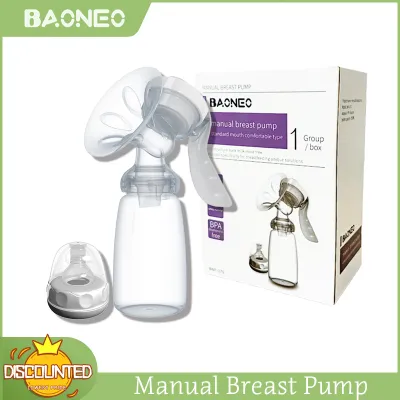
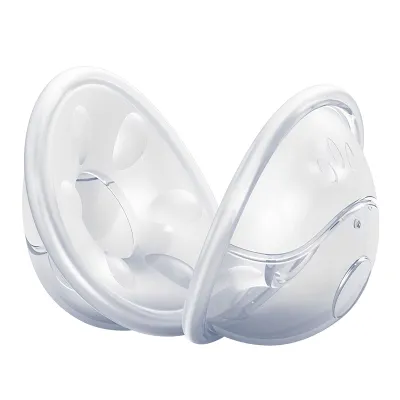
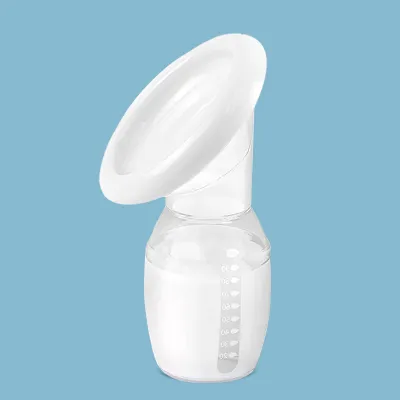
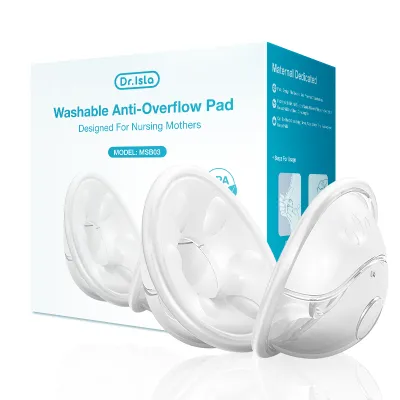
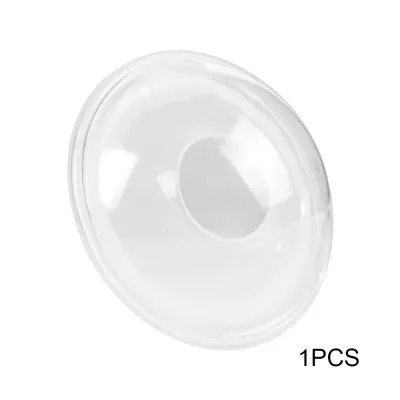

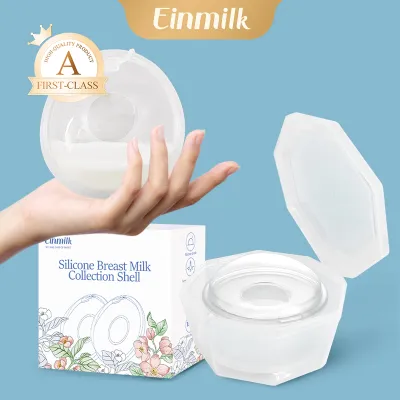
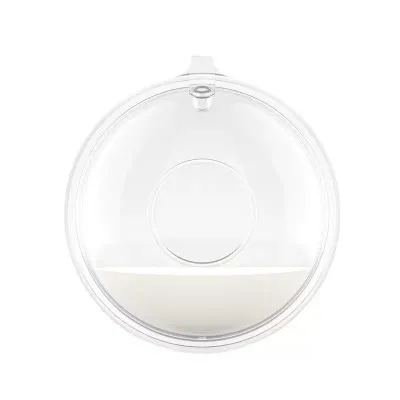
Prices are valid at publication and may change. Please refer to the product page for the latest price.
Aligning the Device With Your Pumping Frequency
Your daily milk expression schedule is a primary factor in determining which collector is most suitable. If you primarily breastfeed directly and only need to collect occasional letdown, relieve mild engorgement between feeds, or build a modest backup supply in your freezer, a manual collector is often highly sufficient. It allows for quick, spontaneous sessions without the setup time required by motorized units.

Conversely, if you are returning to full-time work, managing a separation from your baby, or exclusively expressing milk, an electric collector is generally more practical. High-frequency pumping—such as four or more sessions per day—requires consistent, sustained suction that can be physically exhausting to replicate manually. Relying solely on a manual pump for frequent sessions can lead to significant hand, wrist, and forearm fatigue over time. Electric models automate this repetitive motion, allowing you to maintain a consistent expression schedule with minimal physical strain.
Navigating Portability and Workspace Constraints
For parents navigating daily commutes, travel, or shared workspaces, portability and physical footprint are critical considerations. A manual breast milk collector is exceptionally lightweight, compact, and easy to slip into a standard diaper bag or purse. It requires no power cords, adapters, or battery chargers, making it highly reliable for travel, outdoor activities, or situations where electrical outlets are unavailable, such as during seasonal power interruptions.
Electric breast milk collectors, while increasingly compact, still require more planning. Traditional double-electric pumps involve a central motor unit, tubing, power cords, and multiple collection bottles, which can quickly fill a large tote bag. Even modern wearable electric pumps, which fit directly inside a nursing bra, require you to monitor battery levels and carry charging cables. When pumping in shared offices or public spaces, the quiet operation of a manual pump offers unmatched privacy, whereas the audible hum of an electric motor may feel less discreet in quiet environments.
Managing Daily Cleaning and Assembly Time
The time spent washing, sterilizing, and reassembling pump parts can significantly impact your daily routine. Manual breast milk collectors generally feature a highly simplified design with very few detachable components—often just a single silicone body, a valve, and a breast shield. This minimal design makes them exceptionally quick to disassemble, wash, and dry.
In contrast, electric breast milk collectors consist of numerous small, intricate parts, including backflow protectors, delicate silicone membranes, valves, tubing, and connectors. Each of these components must be carefully disassembled and cleaned after every use to prevent milk residue from building up and harboring bacteria. In warm, humid tropical climates, ensuring that these complex parts dry completely is essential to prevent mold growth. The additional time required to clean and dry these intricate parts can become a significant chore when managing multiple pumping sessions throughout the day.
Scannable Comparison of Daily Use Factors
To help you quickly evaluate your options, the table below summarizes the practical differences between manual and electric breast milk collectors under typical daily use conditions.
| Factor | Manual Breast Milk Collector | Electric Breast Milk Collector |
|---|---|---|
| Power Source | Manual physical effort (no electricity required) | Wall outlet, rechargeable USB battery, or AA batteries |
| Ideal Use Case | Occasional pumping, relieving engorgement, travel backup | Frequent or exclusive pumping, workplace use, multi-tasking |
| Noise Level | Completely silent | Low to moderate humming sound |
| Maintenance Effort | Low (fewer parts, easy to wash and dry) | Moderate to high (multiple valves, membranes, and connectors) |
| Portability | Extremely high (lightweight, fits in small bags) | Moderate (requires carrying motor, cords, or battery packs) |
Before purchasing any device, always verify the specific suction strengths, flange compatibility, and warranty terms on individual product labels to ensure the model meets your personal comfort and safety requirements.
Final Decision Framework: Which Type Fits You?
To finalize your decision, consider how the following conditions align with your lifestyle and feeding goals.
Choose a manual collector if:
- You pump occasionally or only to relieve fullness between direct feedings.
- You prioritize silent, discreet operation in shared spaces.
- You travel frequently or need a reliable backup during power outages.
- You prefer a straightforward device with minimal parts to clean and maintain.
Choose an electric collector if:
- You pump multiple times a day, exclusively express milk, or are returning to a structured workplace.
- You need to express milk efficiently within limited break times.
- You want to minimize physical hand and wrist fatigue from repetitive squeezing.
- You prefer automated, hands-free options that allow you to multi-task while pumping.
Before making your final choice, always verify the manufacturer’s sizing guides to ensure a proper flange fit, as an incorrect size can cause discomfort and reduce milk expression efficiency regardless of the power source.
Frequently Asked Questions (FAQ)
Can I use both a manual and an electric collector?
Yes, many parents find that a combination of both devices offers the greatest flexibility. You might use a double-electric pump at home or in the office for efficiency, while keeping a lightweight manual collector in your diaper bag for quick relief, travel, or as a backup during power interruptions.
Do I need to verify flange sizing for both types?
Yes, proper flange fit is essential for both manual and electric collectors. An incorrectly sized breast shield can compress milk ducts, cause painful friction, and significantly reduce the amount of milk you are able to express. Always measure your nipple diameter and consult the manufacturer’s sizing chart before use.

Community discussion
Share your experience or ask a question. Comments are reviewed before publication.