
Choosing between a manual bulb syringe and an electric nasal aspirator comes down to your baby’s age, the consistency of their mucus, and your personal comfort with the device. There is no single option that suits every family perfectly. While manual bulb syringes offer a simple, budget-friendly way to clear mild, occasional congestion, electric nasal aspirators provide consistent, adjustable suction that is highly effective for frequent or stubborn blockages. Evaluating your daily routine, your baby’s developmental stage, and the typical climate-induced congestion they experience will help you select the safest and most efficient tool for respiratory relief.
Understanding the Basics: Bulb Syringes vs. Electric Aspirators
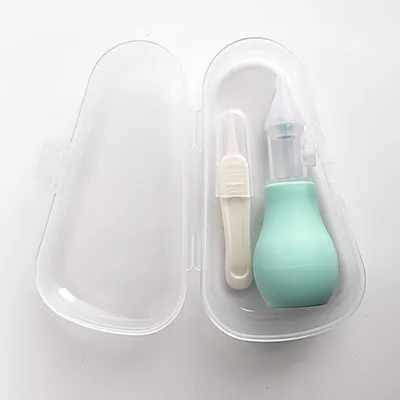
Manual bulb syringes rely entirely on mechanical, hand-operated vacuum pressure. These classic, teardrop-shaped tools are typically made of rubber or medical-grade silicone. To operate a bulb syringe, you compress the bulb with your hand to expel the air inside, gently insert the narrow tip into the baby’s nostril, and slowly release your grip. This release creates a temporary vacuum that draws loose mucus directly into the bulb chamber.
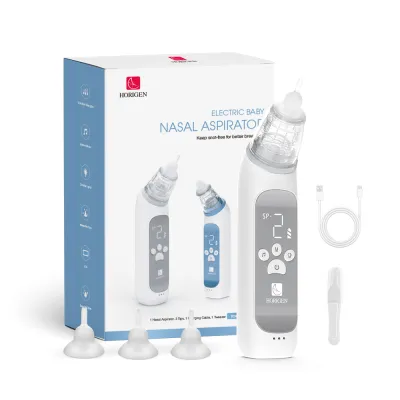
Electric nasal aspirators utilize a small, motorized pump to generate continuous suction. Powered by replaceable batteries or rechargeable USB connections, these devices maintain a steady vacuum flow without requiring manual hand strength. The physical design usually resembles a lightweight wand, featuring an ergonomic handle, a clear plastic mucus collection cup, and interchangeable silicone nozzles designed to fit different nostril sizes.
Products mentioned in this guide

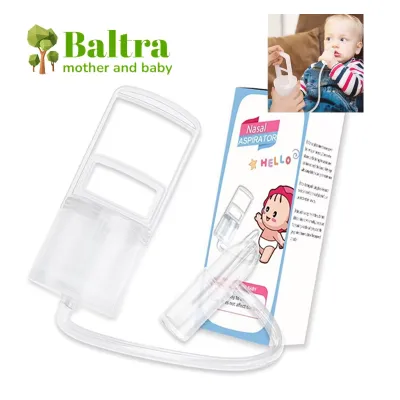
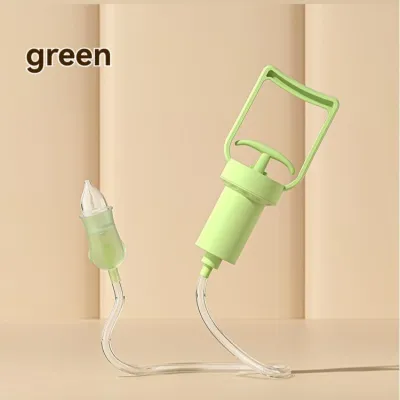
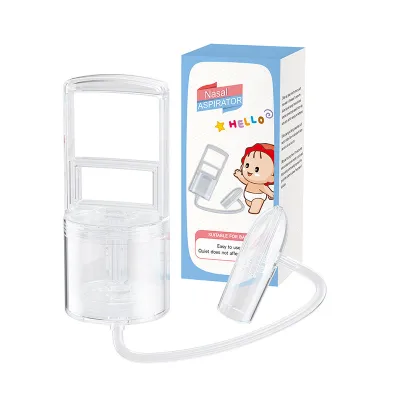
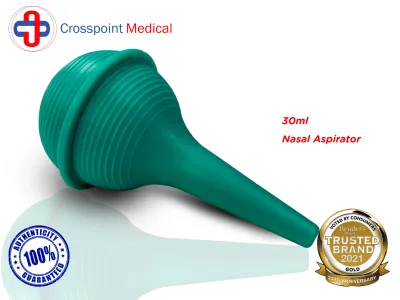
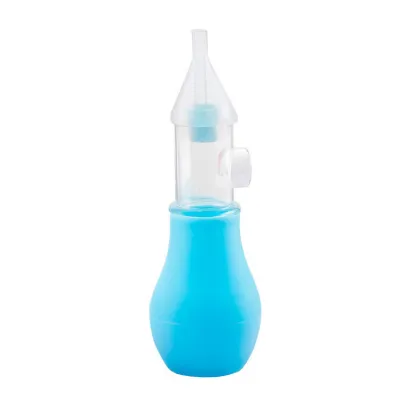
Prices are valid at publication and may change. Please refer to the product page for the latest price.
While both devices serve the same primary purpose, their physical components differ significantly. Manual bulbs are simple, single-piece or two-piece structures with no moving parts, making them highly portable and silent. Electric models are more complex, incorporating electronic motor housings, internal seals, and disposable or washable filters designed to prevent mucus from entering the motor compartment.
Key Comparison Dimensions for Daily Nasal Care
Suction control is a critical factor when managing a baby’s delicate nasal passages. Manual bulb syringes require careful physical coordination, as the speed and force of your hand’s release determine the suction strength. Squeezing too hard or releasing too quickly can cause sudden pressure changes that may startle or discomfort your baby. Electric aspirators, by contrast, offer multiple pre-set suction levels that you can adjust with the press of a button, ensuring a predictable and steady pull.

Ease of use and visibility during the process also vary between the two types. Electric models are designed for convenient, one-handed operation, leaving your other hand free to gently steady your baby’s head or offer comfort. Many electric models also feature angled tips and built-in LED lights to improve visibility inside the dark nasal passage. Manual bulbs often require a steadier two-handed approach to ensure the tip does not slip out of place during compression and release.
Sensory impact plays a major role in how a baby tolerates nasal clearing. Electric motors produce a low-frequency humming or buzzing sound during operation. In a quiet room, this noise can sometimes startle or upset a sensitive infant. Manual bulb syringes are completely silent, making them less intimidating visually and auditorily, though the physical sensation of suction remains a common trigger for baby fussiness.
Maintenance routines are vital for preventing mold and bacterial growth, especially in warm, humid tropical climates like the Philippines. Traditional one-piece rubber bulb syringes are notoriously difficult to clean because the interior cannot be seen or scrubbed, creating a high risk of hidden mold buildup. Electric aspirators feature fully detachable collection cups and silicone tips that can be easily disassembled, washed with warm soapy water, and thoroughly air-dried. Modern manual bulbs that twist apart into two separate pieces also offer this improved level of hygiene.
Matching the Device to Age and Congestion Severity
Newborns have incredibly narrow, delicate nasal passages that require a gentle touch. Gourd-shaped silicone tips, which are common on both high-quality manual and electric devices, are ideal for infants because they rest gently at the opening of the nostril rather than inserting deep inside. For very young babies, the silent and gentle pull of a manual bulb is often sufficient for occasional sniffles.
As babies grow into active infants and toddlers, they are more likely to resist nasal suctioning. A squirming, crying baby makes manual suctioning difficult and potentially unsafe if the tool slips. The speed, efficiency, and one-handed design of an electric nasal aspirator allow caregivers to complete the process quickly and safely, even when dealing with a highly active child.
The consistency of the mucus also dictates which device will perform better. Thin, watery mucus from minor colds or environmental irritants is easily cleared with a simple manual bulb. However, thick, sticky, or deep congestion—often exacerbated by dry air-conditioned bedrooms—requires the sustained, continuous suction power that only an electric model can provide.
Regardless of the device you choose, using sterile saline drops or spray is an essential preparatory step. Administering a few drops of saline into each nostril helps hydrate and loosen stubborn, dried mucus before you begin suctioning. This simple step maximizes the effectiveness of both manual and electric tools while minimizing the risk of irritating the delicate nasal lining. Always check the manufacturer’s packaging for specific age, weight, and usage guidelines before using any nasal suction device for the first time.
Safety Boundaries and When to Seek Medical Advice
To protect your baby’s delicate nasal passages, limit suctioning to three or four times a day, preferably before feeding times and bedtime. Over-suctioning can irritate the sensitive mucosal lining of the nose, leading to swelling, inflammation, and increased mucus production, which actually worsens congestion. Always prioritize gentle placement over deep insertion.
Perform careful visual checks during and after every suctioning session. Look for signs of redness, swelling, or minor bleeding inside the nostrils. If you notice any blood, or if your baby becomes excessively distressed and cries uncontrollably, stop the procedure immediately. Give the nasal passages time to rest and recover before attempting to clear them again.
Nasal suctioning is intended only for temporary relief of simple congestion. It is crucial to recognize when home care is insufficient and professional medical evaluation is required. Seek immediate assistance from a pediatrician if your baby exhibits warning signs such as a persistent fever, flaring nostrils, chest retractions where the skin pulls in tightly around the ribs, or rapid, labored breathing.
Always read and follow the specific safety warnings, material care instructions, and replacement schedules provided in your device’s product manual. Replacing worn-out silicone tips and disposable filters regularly ensures the device operates safely and hygienically over time.
Decision Framework: Choosing the Right Suction Type
To finalize your selection, evaluate your household’s specific needs, budget, and daily challenges.
Choose a manual bulb syringe if you are looking for a simple, low-cost backup tool that requires only a small investment in pesos. It is highly suitable for managing mild, occasional nasal drips, and its silent operation is excellent for travel or quick, quiet touch-ups.
Choose an electric nasal aspirator if you frequently manage moderate to severe congestion, struggle with the manual coordination of a bulb, or need a fast, one-handed tool to clear mucus from an active, squirming toddler. The adjustable power settings and easy-to-clean detachable parts offer long-term convenience for busy households.
Verify with a doctor before using any suction device if your baby was born prematurely, has underlying respiratory or cardiovascular conditions, or if their nasal congestion persists for more than a few days without any signs of improvement.
| Scenario / Mucus Type | Recommended Device Type | Key Reason | Caregiver Action |
|---|---|---|---|
| Mild, watery newborn sniffles | Manual Bulb Syringe (Take-apart design) | Gentle, silent, and highly portable | Use with saline drops; compress bulb before inserting |
| Thick, stubborn, or deep congestion | Electric Nasal Aspirator | Continuous, adjustable suction power | Apply saline, select lowest setting first, and increase as needed |
| Active, squirming older infant | Electric Nasal Aspirator | Quick, one-handed operation | Steady the baby gently; complete the suctioning quickly |
| Budget-conscious occasional backup | Manual Bulb Syringe | Low cost, no batteries or charging needed | Ensure the bulb is a two-piece design for thorough drying |
Frequently Asked Questions (FAQ)
Can I use a baby nose suction device while my baby is sleeping?
No, you should not use a nasal suction device while your baby is sleeping. Attempting to suction a sleeping infant’s nose carries a high risk of startling them, which can cause sudden head movements and lead to accidental injury to the delicate nasal lining. Additionally, proper nasal clearing requires careful positioning to ensure the airway remains clear and safe. It is always best to perform suctioning while your baby is awake, alert, and held in a slightly upright or comfortably reclined position.
How do I properly clean and maintain an electric nasal aspirator?
To clean an electric nasal aspirator safely, first identify which parts are detachable and washable. The silicone tips, collection chamber, and internal seals can typically be removed and washed thoroughly with warm, soapy water. The main handle containing the motor and batteries must never be submerged in water; instead, wipe it down with a damp cloth. In humid climates, ensure all washed components are completely air-dried on a clean towel before reassembling the device to prevent mold growth. Always consult your product manual for specific sterilization limits and filter replacement schedules.

Community discussion
Share your experience or ask a question. Comments are reviewed before publication.