
When your baby is congested, finding a quick and safe way to clear their nasal passages becomes your top priority. Because infants are primary nose breathers, even mild congestion from weather changes, dust, or air conditioning can disrupt their feeding, sleeping, and overall comfort. As a parent, you will likely find yourself choosing between two main categories of nasal clearance tools: manual and electric nose suction devices. The right choice depends on your baby’s age, how often they experience congestion, and your personal preference for hands-on control versus automated convenience.
In the Philippines, where tropical humidity, seasonal rains, and indoor air conditioning can create a challenging environment for sensitive baby airways, having a reliable nasal aspirator is a household essential. Manual aspirators, including traditional bulb syringes and mouth-tube models, offer direct, physical control over the suction process. Electric aspirators, powered by batteries, provide consistent, motorized suction with minimal effort. By understanding the practical differences in suction control, cleaning requirements, and safety, you can confidently select the best device to keep your baby breathing comfortably.
Understanding the Main Types of Nasal Aspirators
To make an informed decision, it is helpful to understand how each type of nasal aspirator operates. While they all serve the same primary purpose—removing excess mucus from your baby’s nasal passages—their designs, mechanisms, and user experiences differ significantly.
Products mentioned in this guide
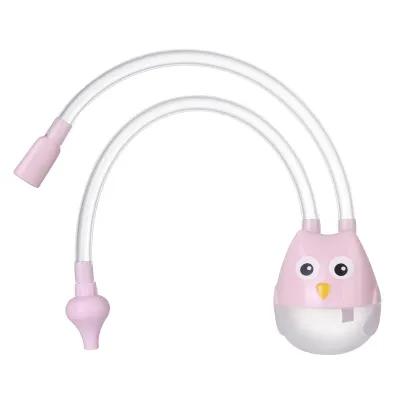
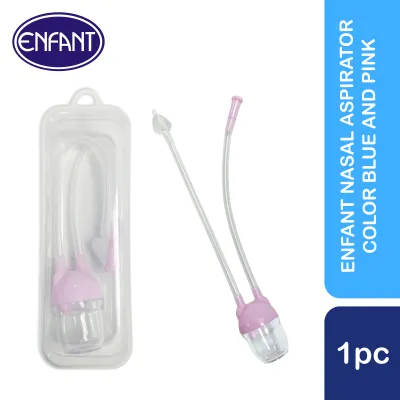
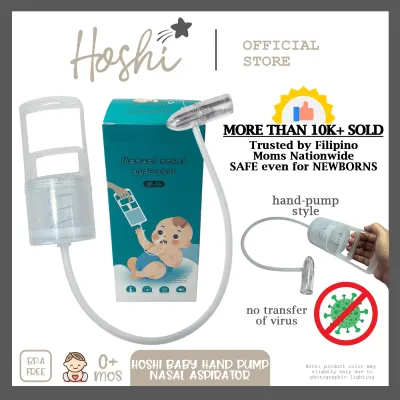
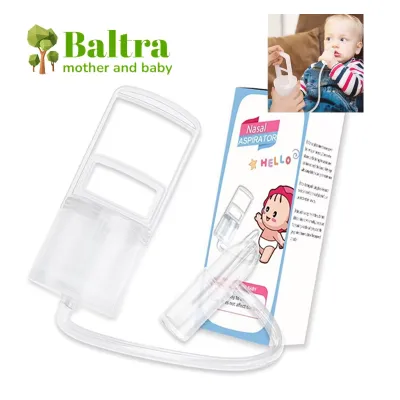
Prices are valid at publication and may change. Please refer to the product page for the latest price.
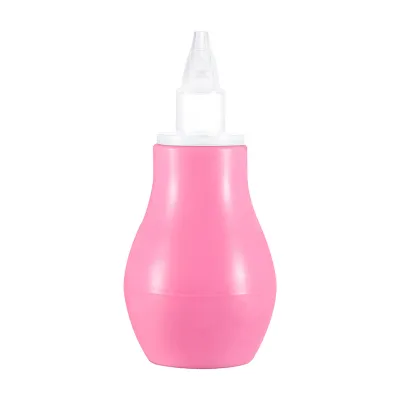
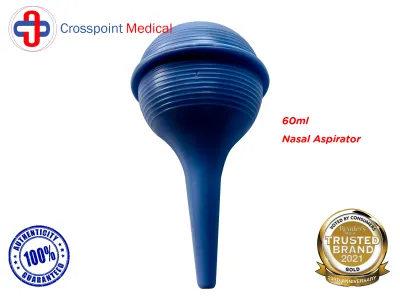
Bulb syringes are the most traditional and familiar manual suction tools available. These devices consist of a simple, hollow bulb made of rubber or silicone attached to a tapered nozzle. To use a bulb syringe, you compress the bulb to expel the air, gently insert the tip into the opening of your baby’s nostril, and slowly release your grip. The resulting vacuum draws mucus into the bulb. They are highly affordable, widely accessible, and require no external power source or replacement parts, making them a common staple in newborn care kits.
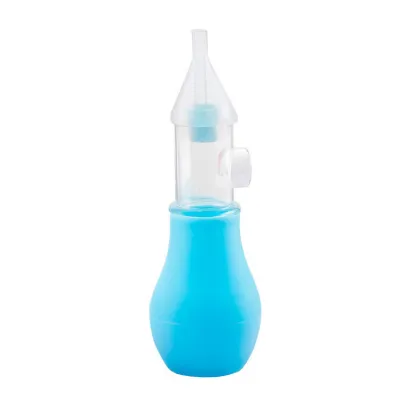
Mouth-tube manual aspirators, often referred to as nasal aspirators with a mouthpiece, offer a more modern approach to manual suction. This design features a soft silicone tip that rests against the baby’s nostril, connected by a flexible plastic tube to a mouthpiece that you place in your own mouth. When you inhale through the mouthpiece, you create the suction needed to draw mucus into a collection chamber. A built-in, disposable hygiene filter prevents any mucus or bacteria from traveling up the tube toward your mouth.
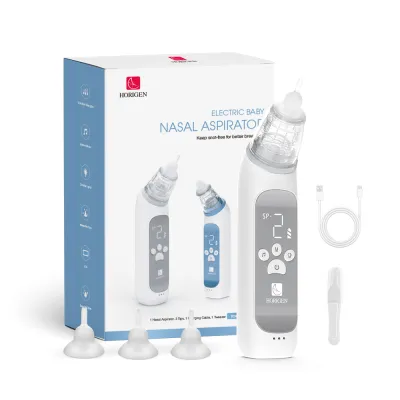
Electric or battery-operated nasal aspirators are motorized devices designed to automate the suction process. These devices feature a small, handheld motor housing, a collection cup, and soft silicone nozzles of varying sizes. With the press of a button, the motor generates continuous, steady suction to clear nasal passages without requiring any physical effort from the caregiver. They are designed for parents who prefer a hands-free, consistent suction method that does not rely on manual squeezing or breathing.
Comparing Suction Control and Effectiveness
When evaluating these devices, suction control and effectiveness are critical factors for protecting your baby’s delicate nasal lining. An infant’s nasal passages are incredibly sensitive, and applying too much force can cause swelling, discomfort, or minor irritation.

Mouth-tube manual aspirators excel in suction control because you regulate the force directly with your own breath. If your baby has thin, watery mucus, you can apply a very gentle inhale. For thicker congestion, you can increase your breathing force slightly to clear the passage, adjusting the intensity instantly based on your baby’s comfort and reactions. This real-time feedback loop allows you to stop immediately if your baby squirms or shows signs of discomfort.
Electric aspirators, on the other hand, rely on preset motor settings to generate suction. Many models offer multiple power levels, allowing you to select a gentle or stronger setting depending on the severity of the congestion. While electric models provide highly consistent suction that does not tire you out, they lack the instant, intuitive adjustment of a mouth-tube device. When using an electric model, you must rely on the manufacturer’s specified power levels and observe your baby’s breathing and comfort closely during operation.
Bulb syringes offer the least amount of suction control. The force is determined entirely by how quickly and deeply you release your squeeze on the bulb. Because you cannot see inside the opaque bulb and cannot easily adjust the pressure mid-suction, it is easier to accidentally apply too much force or lose suction entirely. Parents must exercise caution and practice squeezing the bulb gently to avoid irritating the sensitive tissues inside the baby’s nose.
Evaluating Cleaning Effort and Daily Convenience
Maintaining a clean and hygienic aspirator is vital for preventing the growth of mold, bacteria, and viruses. In the warm, humid climate of the Philippines, moisture trapped inside a device can quickly become a breeding ground for pathogens, making ease of cleaning a top priority.
Bulb syringes are notoriously difficult to clean and dry thoroughly. Because most traditional bulb syringes are molded as a single piece, you cannot open them to scrub the interior. Cleaning typically involves flushing the bulb repeatedly with warm, soapy water and letting it air dry tip-down. Over time, moisture can remain trapped inside, leading to mold accumulation. If you choose a bulb syringe, look for modern, two-piece designs that unscrew completely for easy washing and sterilization.
Mouth-tube manual aspirators are generally straightforward to disassemble and clean. The silicone tip, collection chamber, and tubing can be separated and washed with warm water and mild dish soap. Many brands design these parts to be top-rack dishwasher safe or compatible with steam sterilizers. However, you must factor in the ongoing cost of disposable hygiene filters. These filters must be replaced after every use to maintain hygiene and prevent cross-contamination, which requires purchasing replacement packs regularly.
Electric aspirators require careful attention during cleaning to protect the motorized base. While the silicone tips and plastic collection cups are fully detachable and washable, the main body housing the motor must never be submerged in water. You must wipe the exterior clean with a damp cloth and ensure no liquid enters the motor compartment. Additionally, electric models introduce battery management into your daily routine. You will need to keep spare batteries on hand or remember to recharge the device regularly so it is ready when your baby experiences sudden nighttime congestion.
Essential Safety Checks and Usage Limits
Regardless of the type of nose suction device you choose, safety must always come first. Improper use of any nasal aspirator can lead to nasal irritation, swelling, or damage to the delicate blood vessels inside your baby’s nose.
Before using any aspirator, always verify the age, weight, and health suitability guidelines printed on the product packaging or in the manufacturer’s instruction manual. Some electric models are designed with specific nozzle sizes intended only for older infants, while certain manual tips are shaped specifically for newborns. Never force an aspirator tip deep into your baby’s nostril; the nozzle should only rest gently at the opening to create a seal.
Monitor your baby closely during and after suctioning for any signs of nasal irritation, redness, or minor bleeding. If you notice blood-tinged mucus or if your baby cries excessively during the process, stop using the device immediately and allow the nasal passages to rest. For manual mouth-tube devices, always check that the hygiene filter is properly seated and intact before use to protect yourself from inhaling airborne pathogens or mucus particles.
Nasal suctioning is a temporary relief measure and does not cure the underlying cause of congestion. If your baby’s congestion persists for several days, worsens, or is accompanied by a high fever, difficulty breathing, poor feeding, or unusual lethargy, stop suctioning and consult a pediatrician immediately. A healthcare professional can diagnose the root cause of the congestion and recommend a safe, comprehensive treatment plan.
How to Decide: A Practical Choice Framework
To choose the right nose suction device for your family, consider your daily routine, budget, and how comfortable you feel operating each type. A structured approach can help you select the tool that best fits your parenting style and your baby’s needs.
A bulb syringe is an excellent choice if you are looking for a basic, highly affordable backup tool. It is ideal for occasional, mild congestion and fits easily into a diaper bag for emergency use. If you select this option, prioritize a model that can be disassembled into two pieces to ensure you can clean and dry the interior thoroughly.
A mouth-tube manual aspirator is highly recommended if you want precise, real-time control over the suction strength. This type is perfect for parents who want to feel exactly how much pressure is being applied and prefer a highly portable, quiet device that does not require batteries. It is an excellent middle-ground option that offers high effectiveness, provided you are comfortable using your own breath and purchasing replacement filters regularly.
An electric nasal aspirator is the best fit if you prioritize convenience, speed, and hands-free operation. If your baby experiences frequent congestion due to environmental allergies or air-conditioned environments, the consistent motor power of an electric model can save time and physical effort. This option is ideal for parents who prefer a structured cleaning routine and do not mind managing battery charging or replacement.
Before making your final purchase, consult your pediatrician or healthcare provider, especially if your baby was born prematurely, has sensitive airways, or has any underlying respiratory conditions. A professional recommendation ensures you choose a device that supports your baby’s health safely and effectively.
Frequently Asked Questions (FAQ)
How often is it safe to use a nasal aspirator on a baby?
You should generally limit nasal suctioning to a few times a day, preferably before feeding times and bedtime to help your baby breathe easier while eating and sleeping. Over-suctioning can irritate the delicate lining of your baby’s nose, leading to increased swelling, inflammation, and even more mucus production. Always refer to the manufacturer’s instructions for specific daily usage limits. If your baby’s nose appears red, irritated, or shows signs of bleeding, stop using the device and give their nasal passages time to heal.
Can I use saline drops before using a nose suction device?
Yes, using saline drops before suctioning is a highly effective way to loosen thick, dry, or stubborn mucus. Applying one to two drops of a gentle, preservative-free saline solution into each nostril helps soften the mucus, making it much easier to extract with either a manual or electric aspirator. Always check the saline product label to ensure it is formulated specifically for infants and is preservative-free. After applying the drops, wait a few moments to allow the solution to moisten the nasal passages before gently using your nose suction device.

Community discussion
Share your experience or ask a question. Comments are reviewed before publication.