
When your baby is congested, finding a safe and effective way to clear their nasal passages is essential for their comfort. Because infants primarily breathe through their noses during their first few months, even mild stuffiness can disrupt their feeding, sleeping, and daily peace. In tropical climates like the Philippines, where sudden weather shifts, high humidity, and constant exposure to air conditioning can dry out or irritate delicate nasal linings, congestion is a frequent challenge for parents. However, there is no single “best” nose suction device that works for every family. The ideal choice depends on your baby’s age, the severity of their congestion, and your own comfort level as a caregiver.
Nasal aspirators generally fall into three categories: manual bulb syringes, tube-style (mouth-suction) aspirators, and electric or battery-operated devices. Each type offers distinct advantages and trade-offs in terms of suction control, ease of cleaning, and portability. Understanding how these devices operate and how they interact with your baby’s developing anatomy is the first step toward making an informed purchase. By evaluating your daily routine and your baby’s specific needs, you can select a tool that provides effective relief without causing unnecessary discomfort or irritation.
Understanding How Bulb, Tube, and Electric Aspirators Work
Manual bulb syringes are the most traditional and widely recognized nasal aspirators. These devices consist of a flexible rubber or silicone bulb attached to a narrow nozzle. The mechanism relies entirely on manual pressure: you squeeze the bulb to expel air, gently insert the tip into the baby’s nostril, and slowly release your grip to create a vacuum that draws out mucus. Because they are simple, mechanical, and require no external power source, they are highly portable and easy to use on the go. However, the suction they generate is brief and depends entirely on how quickly and firmly you release the bulb.
Products mentioned in this guide

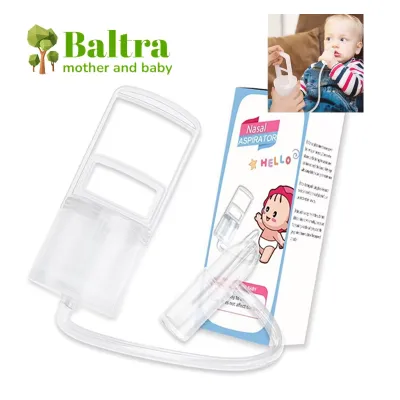
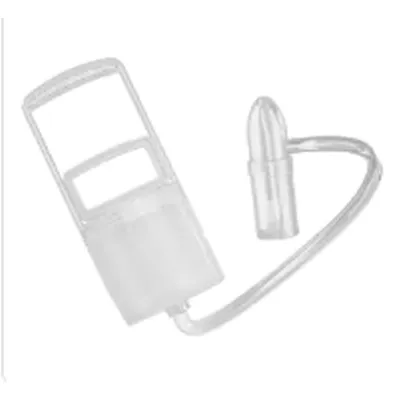
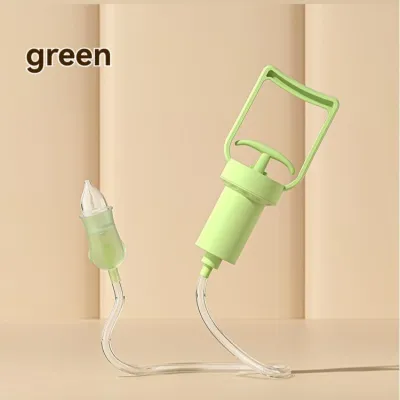
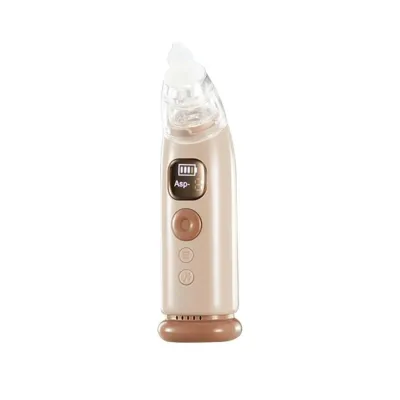
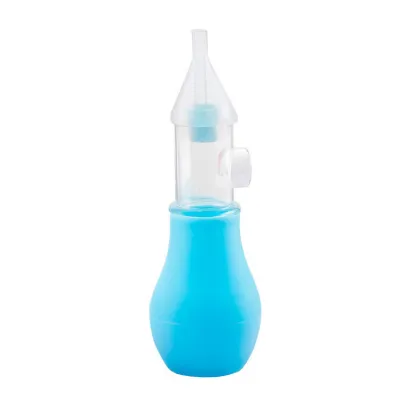
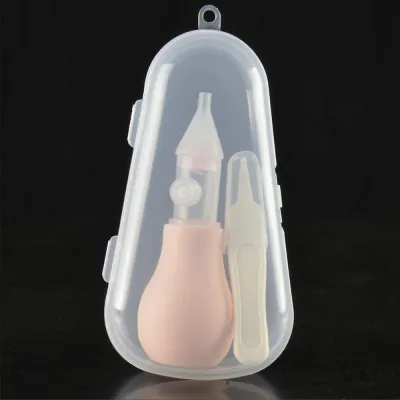
Prices are valid at publication and may change. Please refer to the product page for the latest price.
Tube-style aspirators, often referred to as mouth-suction or nasal aspirator tubes, utilize the caregiver’s own lung power to clear the baby’s nose. This design features a soft silicone tip that rests against the baby’s nostril, connected by a flexible plastic tube to a mouthpiece held by the caregiver. When you inhale through the mouthpiece, you create a continuous vacuum that pulls mucus into a collection chamber. To address hygiene concerns, these devices are equipped with physical barriers, such as disposable foam filters or backflow prevention valves, which are designed to block mucus, bacteria, and viruses from traveling up the tube toward your mouth.
Electric or battery-operated aspirators represent the most modern approach to infant nasal care. These devices feature a small, motorized pump housed within a handheld handle, powered by standard batteries or a rechargeable USB connection. With the press of a button, the motor generates continuous suction, drawing mucus into a detachable collection cup. Many electric models offer adjustable suction settings, allowing you to increase or decrease the pressure based on the consistency of the mucus. This motorized design eliminates the need for manual squeezing or active inhalation, offering a consistent and hands-free suctioning experience.
Comparing Suction Control, Daily Convenience, and Cleaning
When choosing between these three types of aspirators, suction control and consistency are critical factors to consider. Manual bulbs offer the least control, as the suction pressure is sudden and cannot be easily adjusted mid-use. In contrast, tube-style aspirators provide exceptional, real-time feedback. Because you are using your own breath, you can instantly feel the resistance of the mucus and adjust your inhalation strength accordingly, making it easy to apply a very gentle pull for loose fluids or a slightly firmer draw for stubborn blockages. Electric models provide a highly steady and predictable output, but you must rely on the device’s pre-set levels, making it important to verify the manufacturer’s specifications to ensure the suction limits are safe for infant tissues.

Caregiver comfort and the learning curve also vary significantly across these designs. Operating a manual bulb can be physically awkward, especially if you are trying to stabilize a squirming baby with one hand while squeezing and positioning the bulb with the other. Tube-style aspirators require you to be very close to your baby’s face, which some caregivers find comforting, though others may experience a psychological barrier regarding the proximity to nasal secretions, despite the built-in filters. Electric aspirators are often the most convenient for solo parenting, as their ergonomic, single-handed design allows you to keep one hand free to gently support your baby’s head or hold their hands to prevent them from pulling the device away.
Cleaning and maintenance routines are vital for preventing mold and bacterial growth, and each device demands a different level of effort. Traditional one-piece manual bulbs are notoriously difficult to clean because you cannot see inside them, making them prone to retaining moisture and developing mold; if you choose a bulb, look for a modern, two-piece design that pulls apart for thorough washing and drying. Tube-style aspirators consist of several small parts, including the mouthpiece, tube, collection chamber, and silicone tip, all of which must be disassembled, washed in warm soapy water, and air-dried completely. Electric models require careful handling; while the silicone tips and collection cups are easily detachable and washable, you must verify whether the motor unit is waterproof or if it must be kept strictly dry to avoid damaging the internal circuitry. Additionally, consider the ongoing cost and local availability of consumables, such as replacement foam filters for tube models or replacement silicone nozzles for electric units, which are typically sold in packs on major online marketplaces.
Matching the Device to Your Baby's Age and Congestion Severity
A baby’s developmental stage plays a major role in determining which nasal aspirator is most suitable. Newborns and young infants under six months of age have incredibly narrow nasal passages and highly delicate mucosal linings that are easily irritated. For these tiny babies, gentle and highly controlled suction is paramount. A tube-style aspirator is often the preferred choice during the first few months because it allows you to apply the softest possible suction, minimizing the risk of bruising or swelling inside the tiny nasal cavity. Always verify the manufacturer’s age guidelines on the packaging, as some tips are specifically contoured for newborn nostrils while others are designed for older infants.
As babies transition into older infants and toddlers, their physical strength, mobility, and resistance to nasal clearing increase. A toddler is much more likely to wiggle, turn their head, or actively push your hand away during the process. In these situations, speed and efficiency are essential. An electric aspirator can be highly advantageous for older babies because it works continuously and quickly, allowing you to complete the process in a matter of seconds before your child becomes too distressed. However, keep in mind that some babies are highly sensitive to the noise and vibration of a motorized device; if the sound startles your child, a quiet tube-style aspirator may remain the more cooperative option.
The severity and consistency of the congestion should also guide your selection. For a mild, watery runny nose caused by minor environmental irritants or air conditioning, a simple manual bulb or a quick, gentle session with a tube-style aspirator is usually more than enough to provide relief. However, during seasonal respiratory illnesses when mucus becomes thick, sticky, and abundant, a manual bulb may lack the sustained suction power required to clear the airway effectively. An electric model or a high-performance tube-style aspirator is better equipped to handle heavy congestion, though you must always monitor your baby for signs of severe respiratory distress—such as chest retractions, rapid breathing, or difficulty feeding—which require immediate consultation with a pediatrician rather than continued home suctioning.
Essential Safety Checks and Features to Verify Before Purchase
Before purchasing any nasal aspirator, it is essential to perform a few safety and design checks to protect your baby’s delicate airways. First, inspect the tip design and material. The nozzle that enters or rests against the nostril must be made of soft, flexible, medical-grade silicone rather than hard plastic. It should have a rounded, bulbous shape that prevents you from inserting it too deeply into the nasal cavity. Deep insertion can scratch the mucosal lining, cause nosebleeds, or trigger swelling that actually worsens the congestion.
Second, evaluate the hygiene barriers and backflow prevention features, particularly for tube-style models. Ensure the device utilizes a reliable filter system or a physical chamber design that completely prevents mucus and air from traveling back up the tube. If the model requires disposable filters, verify that these replacements are readily available for purchase in your local area or through trusted online baby stores. Using a tube-style aspirator without its designated filter can expose you to pathogens and compromise the hygiene of the entire process.
Finally, always consult the manufacturer’s official guidelines and product manual before using a new device. Check for specified age limits, weight ranges if applicable, and instructions on how often the device can be safely used within a twenty-four-hour period. Never ignore warning labels regarding sterilization methods; for instance, some silicone parts can be boiled or steam-sterilized, while others may warp under high heat. If your baby was born prematurely, has a history of respiratory issues, or has a highly sensitive nasal septum, seek professional medical advice before introducing any nasal suction device to their care routine.
Decision Framework: Which Nose Suction Fits Your Needs?
To help you finalize your decision, consider how each type of nasal aspirator aligns with your budget, your baby’s temperament, and your daily parenting routine. You can use the following guidelines to determine which style is the most practical fit for your household:
- Choose a manual bulb if: You are looking for an extremely budget-friendly option, with many basic models priced under ₱200. It is a great choice if your baby only experiences occasional, mild stuffiness, and you prefer a highly portable, silent tool that requires no batteries or replacement filters. To ensure proper hygiene, prioritize a model that can be disassembled into two pieces for complete cleaning and drying.
- Choose a tube-style aspirator if: You want complete, real-time control over the suction strength and prefer a quiet, non-invasive process. This is highly suitable if your baby is easily frightened by motor noises and you are comfortable with the concept of mouth suction. It offers an excellent balance of affordability—typically ranging from ₱300 to ₱800—and highly effective clearing power for all infant ages.
- Choose an electric aspirator if: Your baby experiences frequent congestion, and you want a fast, continuous suctioning process that can be easily managed with one hand. This is the ideal option if you prefer to avoid mouth suction entirely and are willing to invest a bit more—with quality models often ranging from ₱1,000 to ₱3,000 or more. Ensure you are comfortable managing battery charging and regular maintenance of the motorized unit.
- Verify first if: Your baby shows any signs of underlying health complications, has a history of frequent nosebleeds, or if you feel unsure about the correct technique. If the congestion does not improve after a few days, or if your baby exhibits labored breathing, consult a pediatrician or a qualified healthcare professional immediately to rule out more serious respiratory conditions.
Frequently Asked Questions (FAQ)
How often is it safe to use a nasal aspirator on a baby?
You should always follow the specific manufacturer’s recommended daily limits, which typically advise against suctioning more than three to four times a day. Excessive or overly aggressive suctioning can easily irritate the highly sensitive nasal mucosa, leading to localized swelling, inflammation, or even a rebound effect where the body produces more mucus to protect the irritated tissues. To minimize discomfort, try to limit suctioning to key moments in your baby’s daily routine, such as right before feeding to help them latch comfortably, or right before bedtime to promote better sleep. If your baby’s nose remains congested despite occasional suctioning, focus on maintaining comfortable humidity levels in the room and consult your pediatrician for further guidance.
Can I use saline drops before using a nose suction device?
Yes, using saline drops before suctioning is highly recommended as it plays a supportive role in loosening and softening dry, thick, or stubborn mucus. Before proceeding, check both the nasal aspirator manual and the saline product label to verify compatibility, proper dosage, and the recommended waiting time—which is typically one to two minutes to allow the saline to effectively break down the mucus. When administering saline drops, ensure you do so very gently, letting the fluid drip naturally into the nostril rather than forcing it under high pressure. This simple preparatory step makes the subsequent suctioning process much easier, faster, and significantly more comfortable for your baby.

Community discussion
Share your experience or ask a question. Comments are reviewed before publication.