
Finding the right extra-extra-large (XXL) diaper for a growing toddler in a warm, humid climate requires balancing absorbency, fit, skin health, and the household budget. As toddlers transition into active play, running, and longer overnight sleeping patterns, their diapering needs change significantly. While MamyPoko, Pampers, Huggies, and Equator are popular choices in the XXL segment, there is no single diaper that fits every toddler perfectly. The ideal choice depends on your child’s unique body shape, skin sensitivity, and your family’s daily routine. Parents must evaluate each brand’s design philosophy, structural features, and sizing guidelines to find the most comfortable and cost-effective option for their child.
Understanding the Contenders: Brand Profiles for XXL Sizes
To make an informed decision, it is essential to understand how each manufacturer positions its XXL diaper line. MamyPoko is widely recognized for its focus on high-capacity overnight absorption. Their design philosophy typically centers on thick, multi-layered cores intended to handle heavy wetters during long sleep stretches, reducing the need for midnight changes. In contrast, Pampers generally emphasizes a slim, lightweight, and highly flexible fit. This design is aimed at active toddlers who need maximum mobility without the bulk, making it a common choice for daytime wear and outdoor play.
Huggies frequently highlights secure waistband comfort and snug elastic fits. Their design often features wide, stretchy waistbands and pocketed back sheets to prevent leaks during active movement, crawling, or climbing. Equator is positioned as a budget-friendly alternative that focuses on essential utility. It aims to provide reliable basic protection at a lower price point, making it an option for families looking to manage high-volume daily diaper changes without a high upfront cost.
Products mentioned in this guide
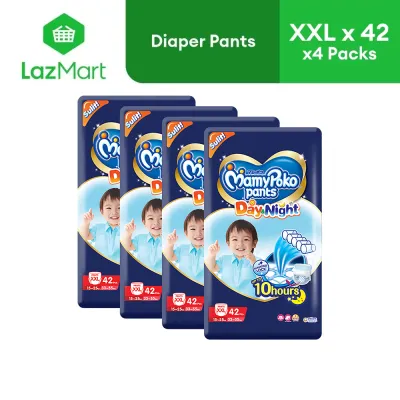
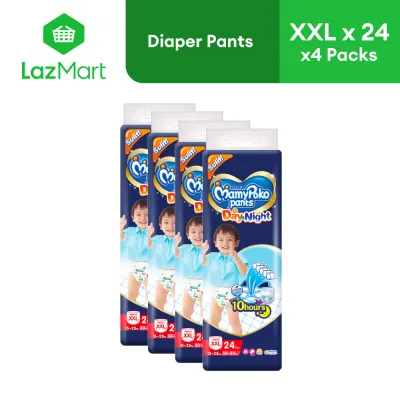
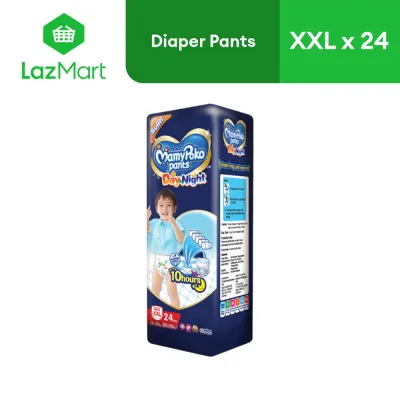
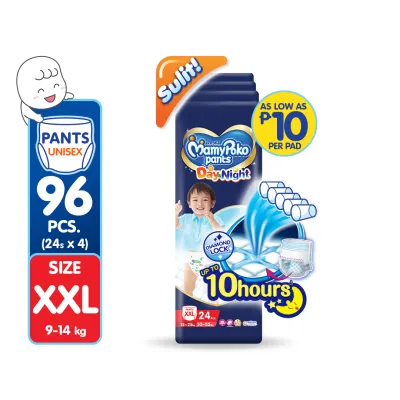
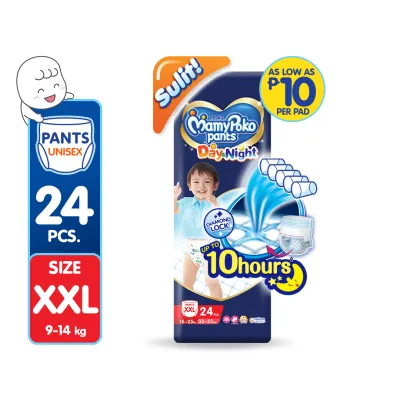
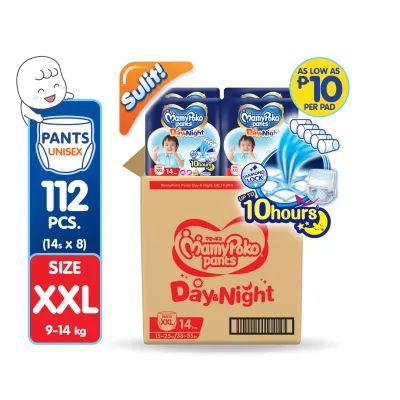
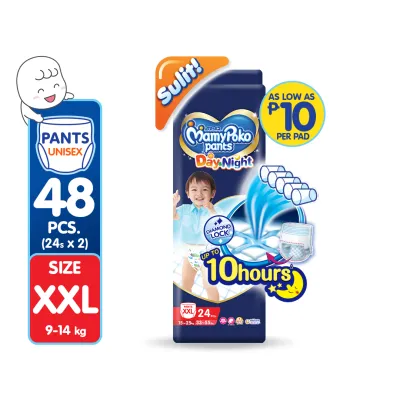
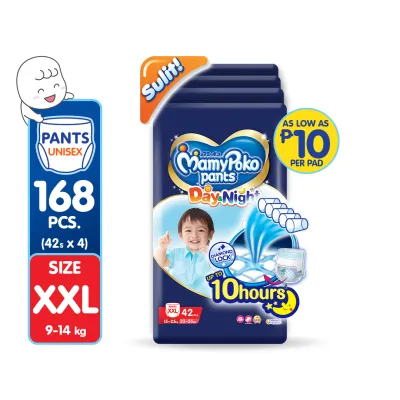
Prices are valid at publication and may change. Please refer to the product page for the latest price.
When browsing the diaper aisle or online marketplaces, parents should carefully check the packaging for weight ranges, mobility stages, and specific product lines, such as pants versus tape diapers. Sizing is not standardized across manufacturers; a Pampers XXL may fit differently than a MamyPoko XXL. Direct weight-to-size mapping is an essential first check, as a toddler who fits comfortably in one brand’s XXL might find another brand’s XXL too tight or too loose. Always verify the recommended weight range printed on the specific packaging before purchasing.
Absorbency and Leak Protection: Checking the Specs
Evaluating liquid retention and leak-prevention features requires looking closely at the diaper’s structural specifications rather than relying solely on marketing claims. When examining diaper packaging, look for indicators of the absorbent core’s construction. High-quality diapers typically utilize superabsorbent polymers (SAP) mixed with fluff pulp to lock away moisture. Some brands feature multi-layer cores or specialized distribution channels that help spread liquid evenly across the diaper, preventing the core from sagging or clumping in one spot when wet. Wetness indicators, which change color when the diaper is full, are also useful features to verify on the packaging.

Structural leak guards are equally important for active toddlers. Examine the diaper’s leg cuffs to ensure they feature double leg cuffs or standing leak guards. These elasticized barriers run along the inner thighs to contain liquid and prevent side leaks during sudden movements. Additionally, check for elastic back sheets or waistbands, which help prevent blowouts along the spine when the toddler is sitting or active.
Because laboratory tests do not always replicate daily life, parents should monitor real-world performance through a short trial period. When testing a new brand, note morning dryness by checking if the toddler’s skin feels damp or dry after a full night’s sleep. Observe how quickly the diaper sags after a single wet, and keep track of any blowout or leak frequency. This hands-on observation is the most reliable way to validate the packaging’s absorbency claims for your specific child.
Fit, Comfort, and Skin Sensitivity
A toddler’s comfort and skin health depend heavily on how well the diaper’s cut and materials match their body shape and local environmental conditions. In tropical climates with high humidity, trapped heat and moisture can quickly lead to diaper rash and skin irritation. Therefore, checking the breathability of the outer cover and the softness of the inner lining is crucial. Look for packaging claims regarding micro-pores, breathable materials, or hypoallergenic properties. Some brands also include lotion coatings on the inner lining, which parents should verify to ensure they do not trigger sensitive skin reactions.
The cut of the diaper affects both comfort and mobility. Waistband elasticity is vital for toddlers who are constantly moving, bending, and sitting. High-waist designs offer more coverage and security, while low-rise cuts might suit shorter, stockier builds. Stretchy side panels allow the diaper to expand comfortably when the toddler eats or breathes deeply. Leg hole cuts should be snug but not restrictive; look for soft, elasticized leg bands that do not dig into chunky thighs.
To ensure your toddler is wearing the correct fit, use this checklist to identify potential issues:
- Red marks or deep indentations on the toddler's thighs, hips, or waist.
- Frequent sagging or slipping of the diaper, even when it is not fully wet.
- Tape tabs that detach easily or must be fastened at the very edge of the landing zone.
- Visible gaps around the leg cuffs or waistband when the toddler stands, sits, or crawls.
If you observe any of these signs, it may be time to adjust the fit, try a different brand’s cut, or transition to a larger size.
Price and Value: Calculating the Cost Per Diaper
When comparing diaper brands, looking only at the upfront price of a box or pack can be misleading. Pack sizes vary significantly between brands and product lines, making it essential to calculate the exact cost per diaper. To do this, divide the total pack price in ₱ by the number of diapers inside the pack. This simple calculation provides a standardized unit price that allows for an accurate, head-to-head cost comparison.
To optimize your diaper budget, consider purchasing strategies such as bulk buying and utilizing online marketplaces. Many major ecommerce platforms offer subscription discounts, bundle deals, and promotional vouchers that can substantially lower the cost per diaper. Buying larger boxes or multi-packs often yields a lower unit price than purchasing small convenience packs, though this requires a higher upfront investment.
However, parents must also factor in the “cost of failure” when choosing a budget-friendly brand. If a cheaper diaper leaks consistently, you may find yourself changing the diaper twice as often, using more baby wipes, and running extra laundry cycles to clean soiled clothing and bedding. Additionally, frequent leaks can lead to diaper rash, requiring expensive soothing creams or medical consultations. A slightly more expensive diaper that offers reliable overnight protection may ultimately prove more cost-effective than a cheaper alternative that fails regularly.
Decision Framework: Which Brand Should You Choose?
To finalize your purchasing decision, it helps to map your toddler’s specific needs and your household budget to the characteristics of each brand. Use the following guidelines to determine which diaper type aligns best with your daily routine:
- Choose MamyPoko XXL characteristics if: Your toddler is a heavy overnight wetter, and you require a high-capacity diaper to prevent sleep disruptions and midnight changes. This is ideal for parents prioritizing maximum absorption capacity for long stretches of sleep.
- Choose Pampers XXL characteristics if: Your toddler is highly active, prefers a slim, non-bulky fit that allows for easy movement, and does not experience leaks with a lighter core design. This is well-suited for daytime wear and outdoor activities.
- Choose Huggies XXL characteristics if: Your toddler has a rounder tummy or chunky thighs that require highly elastic, comfortable waistbands and secure leg cuffs to prevent red marks and blowouts.
- Choose Equator XXL characteristics if: You change diapers frequently during the day, have a tight household budget, and your toddler does not experience leaks or skin irritation with basic utility designs.
Verify first if: Your toddler has diagnosed skin conditions, unusual body proportions (such as an extremely long torso or very slim thighs), or is transitioning between sizes. In cases of persistent diaper rash or severe skin irritation, stop using the product immediately and consult a pediatrician or qualified healthcare professional.
Before committing to bulk purchases or long-term subscriptions, it is highly recommended to buy small trial packs or request samples. This allows you to test the diaper’s fit, absorbency, and skin compatibility on your toddler under real-world conditions without a significant financial commitment.
Frequently Asked Questions (FAQ)
When should I transition my toddler to XXL diapers?
While the weight guidelines printed on the diaper packaging serve as a helpful starting point, physical signs are the most reliable indicators that it is time to transition to XXL diapers. If you notice red marks or deep indentations on your toddler’s thighs, hips, or waist, the current size is too tight. Frequent leaks, blowouts, or a diaper that sags excessively even when lightly wet also suggest that the absorbent core is no longer sufficient for your child’s output. Additionally, if tape tabs are difficult to fasten or do not reach the center panel easily, or if the diaper’s waistband sits far below the belly button, it is time to move up. Always check the specific weight range on each brand’s XXL packaging, as sizing cuts vary significantly between manufacturers.
Can I mix different diaper brands for day and night use?
Yes, mixing different diaper brands for day and night use is a highly practical and cost-effective strategy for many families. During the night, toddlers require maximum absorbency to ensure uninterrupted sleep, making highly absorbent, premium diapers (such as those with MamyPoko’s design characteristics) an excellent choice for overnight wear. During the day, however, toddlers are active and changed much more frequently. For daytime use, you can opt for a slimmer, more flexible diaper (like Pampers) or a highly cost-effective budget option (like Equator). This hybrid approach allows you to maximize your budget by using cheaper diapers when changes are frequent, while relying on premium protection to keep your toddler dry and comfortable during long sleep stretches.

Community discussion
Share your experience or ask a question. Comments are reviewed before publication.