
Quick Answer: Which Newborn Diaper Should You Choose?
Choosing the right diaper for a newborn in the Philippines is a highly personal decision that depends on your baby’s unique body shape, skin sensitivity, and your household budget. There is no single diaper brand that performs perfectly for every infant. While one newborn may thrive in the highly absorbent layers of MamyPoko, another might get a better fit from the flexible design of Pampers, the blowout protection of Huggies, or the cost-effective simplicity of Equator. During the first few weeks of life, your primary focus should be on how well the diaper fits your baby’s current weight and how their skin reacts to the materials, rather than sticking strictly to one brand.
In the tropical climate of the Philippines, high humidity and elevated temperatures make proper diaper selection even more critical. Excess moisture trapped against a newborn’s delicate skin can quickly lead to diaper dermatitis or prickly heat. Therefore, understanding the distinct features of MamyPoko, Pampers, Huggies, and Equator allows you to make an informed choice that keeps your baby dry, comfortable, and free from irritation.
Core Performance Factors for Newborns
To evaluate which diaper brand will work best for your newborn, you need to understand the structural and functional elements of modern disposable diapers. A newborn’s skin is up to 30% thinner than adult skin, making it highly susceptible to friction, chemical irritants, and excess moisture.
Products mentioned in this guide
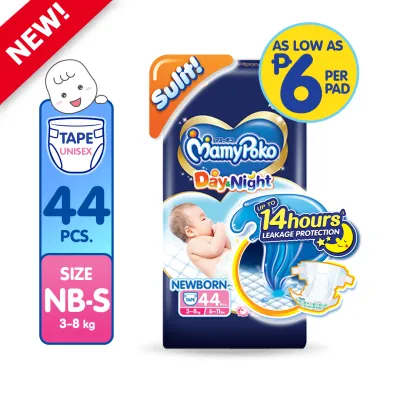
![[DUO PACK] MAMYPOKO Day & Night Baby Disposable Tape Diaper Unisex Newborn - Small](https://img.lazcdn.com/g/p/1143f9a82ab7bb248ebc3aac95747925.png_400x400q80.png_.webp)
![[MEGA BOX] MAMYPOKO Day & Night Baby Disposable Tape Diaper Unisex Newborn - Small](https://img.lazcdn.com/g/p/49d3f4210bc8bf38026417e4c1bb0799.png_400x400q80.png_.webp)
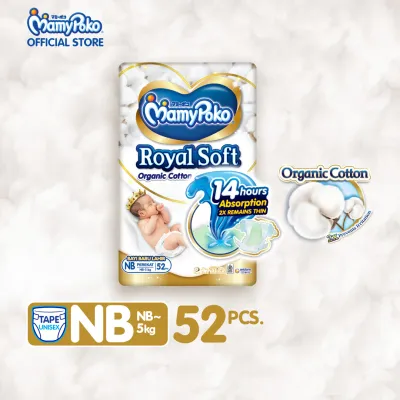
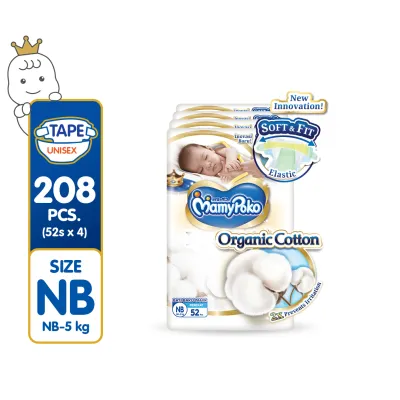
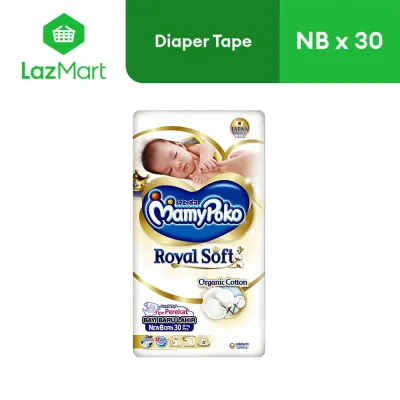
Prices are valid at publication and may change. Please refer to the product page for the latest price.

Absorbency and Wetness Indicators Newborns urinate frequently—often up to 20 times a day—but in small volumes. A high-quality diaper must draw this moisture away from the skin instantly to prevent maceration, which weakens the skin barrier. Superabsorbent polymers (SAP) inside the diaper core lock liquid away as a gel. A clear wetness indicator, typically a line that changes color when wet, helps caregivers identify when a change is needed without opening the diaper, minimizing unnecessary disruptions to a sleeping baby.
Fit and Umbilical Cord Cutout A newborn’s umbilical stump typically takes one to three weeks to dry and fall off. During this period, the area must be kept clean, dry, and free from friction to prevent bacterial infection. Some newborn diapers feature a specialized contoured waistband or a physical cutout at the front to ensure the diaper sits safely below the umbilical stump. If a diaper lacks this feature, caregivers must fold the front waistband downward, which can sometimes compromise the diaper’s overall fit and leak protection.
Leak Protection and Blowout Barriers Newborn stools are naturally loose and frequent, especially for breastfed babies. To contain these liquid stools, diapers rely on two main physical barriers: elasticized leg cuffs and back waistbands. Leg cuffs must hug the baby’s thighs snugly without leaving deep red marks, creating a double-layered seal. A secure back waistband prevents liquid feces from escaping upward when the baby is lying on their back.
Breathability and Skin Sensitivity In humid conditions, a diaper’s outer cover must allow water vapor to escape while keeping liquid water contained. This breathability helps regulate the microclimate inside the diaper, reducing the risk of heat rash. When shopping, parents should inspect packaging for terms like “hypoallergenic,” “dermatologically tested,” or “breathable outer cover.” However, because these marketing terms can vary by manufacturer, parents should verify the specific materials and look for any adverse skin reactions during the first few days of use.
Brand-by-Brand Breakdown: What to Expect
Each diaper brand approaches newborn care with a slightly different design philosophy, balancing material softness, structural features, and price points.
MamyPoko Newborn
MamyPoko is widely recognized for prioritizing high absorbency and overall dryness. The newborn size is designed to handle heavy wetness, making it a popular choice for parents who want to ensure their baby stays dry during longer sleep stretches. The materials used in MamyPoko diapers are typically soft and cloth-like, aiming to minimize friction against a newborn’s thighs and waist.
When purchasing MamyPoko newborn diapers, parents should carefully inspect the packaging to confirm whether the specific pack includes an umbilical cord cutout. While many of their premium newborn lines feature this contoured design, availability can vary depending on the product tier and the manufacturing batch. Additionally, verify the weight range specified on the box—typically up to 5 kilograms—to ensure the diaper matches your baby’s current growth stage. If your newborn is on the smaller side, check if the leg elastic provides a snug seal without gaps.
Pampers Newborn
Pampers is known globally for its focus on a slim, lightweight, and highly flexible fit. The brand’s design philosophy centers on minimizing bulk, allowing the diaper to contour naturally to the baby’s movements. Pampers newborn diapers generally feature highly sensitive wetness indicators and a soft top sheet designed to pull both liquid urine and loose baby stool away from the skin.
Parents must be aware that Pampers offers different product tiers in the Philippines, such as Pampers Premium Care and Pampers Baby-Dry. The premium line typically features softer materials, enhanced breathability, and a more flexible waistband, whereas the standard line focuses heavily on long-lasting dryness at a lower price point. It is essential to check the packaging to verify which line you are purchasing, as skin-friendly claims, material thickness, and the presence of lotions or fragrances can differ significantly between these tiers.
Huggies Newborn
Huggies is particularly famous for its robust leak defense mechanisms, most notably its signature pocketed waistband. This pocket is a physical barrier located at the back of the diaper, designed specifically to trap loose, runny stools and prevent them from leaking up the baby’s back. The brand generally offers a very snug, structured fit that holds its shape well even when wet.
When evaluating Huggies newborn diapers, parents should check the weight guidelines on the packaging, which often cater to different newborn sub-categories. Observe the leg cuffs carefully during the first few diaper changes; because Huggies diapers tend to have a more structured and secure elastication, they can sometimes leave mild pressure marks on babies with rounder thighs. Adjust the fastening tabs outward to find the right balance between leak protection and physical comfort.
Equator Newborn
Equator positions itself as a highly practical, value-oriented option in the local market. Because newborns require incredibly frequent diaper changes—often every two hours regardless of how full the diaper is—high-end premium diapers can quickly become a significant financial burden. Equator diapers are designed to provide the essential functions of containment and basic absorbency at a more accessible price point.
When choosing Equator, parents should inspect the diaper’s material thickness and overall softness compared to premium brands. Because value brands may use different core structures, the absorbency capacity might be lower, meaning they are best suited for daytime use when changes are frequent. Carefully check the packaging for any specific skin-safety certifications, hypoallergenic claims, or dermatological testing, and monitor your baby’s skin closely for any signs of redness or irritation, especially in hot and humid weather.
Feature Comparison Checklist
To help you quickly compare the general design characteristics of these four brands, refer to the checklist below. Please note that diaper features can change across different product tiers, regional distributors, and manufacturing batches. Always verify these features on the physical packaging of the exact box you intend to purchase.
| Feature | MamyPoko | Pampers | Huggies | Equator |
|---|---|---|---|---|
| Umbilical Cord Cutout | Varies by line | Varies by line | Check packaging | No |
| Wetness Indicator | Yes | Yes | Yes | Check packaging |
| Pocketed Waistband | No | No | Yes | No |
| Hypoallergenic Claims | Check packaging | Varies by line | Check packaging | Check packaging |
Note: “Varies by line” indicates that premium versions of the brand’s newborn diapers may include the feature, while standard or economy versions may not. “Check packaging” means the manufacturer’s label must be verified directly at the time of purchase.
How to Evaluate Cost and Value
Calculating the true cost of newborn diapers requires looking past the initial shelf price and focusing on the cost per individual diaper. To calculate this, divide the total retail price of the pack by the number of diapers inside. For example, if a pack of diaper brand A costs ₱400 and contains 40 pieces, the cost per diaper is ₱10.00. If diaper brand B costs ₱320 for 40 pieces, the cost is ₱8.00 per diaper.
While buying in bulk usually offers a lower cost per piece, parents should avoid purchasing bulk boxes before their baby is born. Newborns grow at an incredibly rapid rate, often outgrowing the newborn size within three to six weeks. Additionally, you cannot predict how your baby’s skin will react to a specific brand’s materials or fragrances.
A highly practical strategy is to purchase small trial packs of MamyPoko, Pampers, Huggies, and Equator. This allows you to test the physical fit, observe how well the diaper contains leaks during daily use, and monitor your baby’s skin for any adverse reactions. Once you have confirmed that a specific brand fits your baby perfectly and does not cause redness, you can confidently purchase larger packs to optimize your budget.
Final Decision Framework: Choose Based on Your Baby's Needs
To make your final decision, evaluate your daily routine, your baby’s physical build, and their skin sensitivity using this conditional framework:
- Choose MamyPoko if you prioritize exceptional absorbency and a soft, cloth-like feel, particularly if your baby tends to wet heavily or if you want to minimize diaper changes during nighttime sleep.
- Choose Pampers if your baby has a slimmer build and you prefer a lightweight, flexible diaper that contours closely to their body, with a highly visible wetness indicator for quick daytime monitoring.
- Choose Huggies if your baby is prone to frequent back blowouts and you want the physical security of a pocketed waistband to contain runny stools.
- Choose Equator if you are practicing highly frequent daytime diaper changes and want a budget-friendly, functional diaper that minimizes overall household expenses.
Verify first if your newborn was born prematurely, has an extremely low birth weight, or has diagnosed medical skin conditions such as eczema. In these situations, do not rely on standard retail comparisons. Consult your pediatrician or a qualified dermatologist for specific diaper recommendations, and strictly inspect product packaging for certified dermatological testing, fragrance-free labels, and hypoallergenic materials before use. If you ever notice persistent skin redness, open sores, or signs of infection around the umbilical stump, stop using the diaper immediately and seek professional medical advice.
Frequently Asked Questions (FAQ)
How often should I change a newborn's diaper?
A newborn’s diaper should be changed immediately after every bowel movement and approximately every 2 to 3 hours for urine. Because newborn skin is highly sensitive, leaving a wet or soiled diaper on for too long is the primary cause of diaper rash. Frequent changes, gentle cleaning with water or fragrance-free wipes, and allowing the skin to air dry completely are your best defenses against skin irritation, regardless of the diaper brand you choose.
When should I size up from newborn diapers?
You should transition to the next size (usually Size 1 or Small) when you notice physical signs of poor fit, rather than relying solely on the baby’s age. Key indicators include frequent leaks or blowouts, red elastic marks on your baby’s thighs or waist, or the fastening tabs failing to reach the center of the landing zone easily. Additionally, if your baby’s weight nears or exceeds the upper limit printed on the diaper packaging, it is time to transition to a larger size.

Community discussion
Share your experience or ask a question. Comments are reviewed before publication.