
Selecting the right diaper in the extra-large (XL) size is a major milestone for caregivers in the Philippines. As babies transition into active toddlerhood—crawling, walking, and exploring their surroundings—their physical dimensions, movement patterns, and urine volume change significantly. In a tropical climate characterized by high heat and humidity, finding a diaper that balances reliable dryness, breathability, and cost-effectiveness is essential for maintaining skin health and ensuring daily comfort.
No single diaper brand is universally superior for every baby. The ideal choice depends on your child’s unique body shape, urine output, skin sensitivity, and your household budget. MamyPoko, Pampers, Huggies, and Equator each offer distinct design philosophies, material selections, and price points in their XL lineups. To make an informed decision, caregivers must evaluate how these brands perform in real-world conditions and understand how to verify sizing and safety claims directly on the product packaging.
Quick Answer: Which Brand Fits Your Baby's Needs?
To simplify your decision-making process, caregivers can use a conditional framework based on their primary parenting priorities and their baby’s specific needs. Each of the four brands occupies a distinct niche in the market, particularly when it comes to the larger XL sizes designed for older infants and toddlers.
Products mentioned in this guide
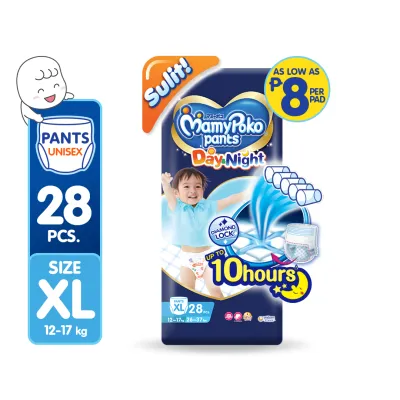
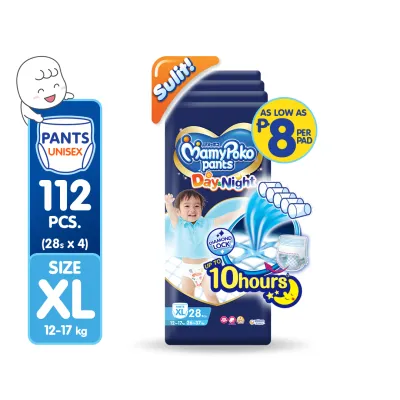
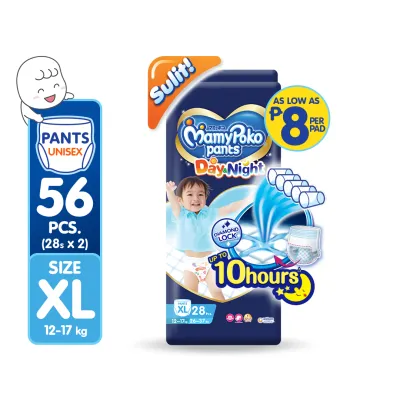
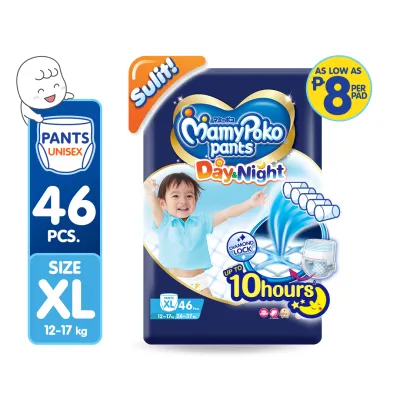
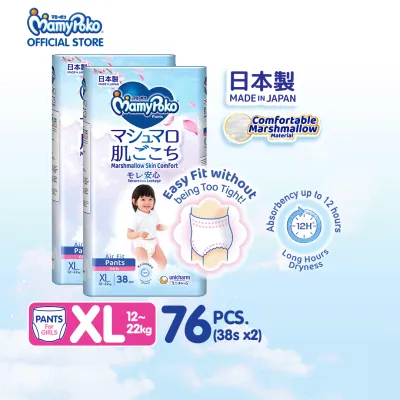

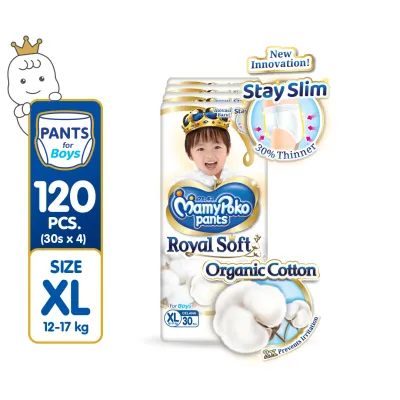

Prices are valid at publication and may change. Please refer to the product page for the latest price.
- Choose MamyPoko XL if your primary goal is maximum overnight absorbency. This brand is highly regarded for its high-capacity cores, making it a preferred option for long, uninterrupted stretches of sleep or extended travel where frequent changes are difficult.
- Choose Pampers XL if you prioritize a slim, lightweight fit for a highly active toddler. The design focuses on minimizing bulk, allowing babies who are learning to walk or run to move freely without a heavy, bunching core between their legs.
- Choose Huggies XL if your baby has a chunkier build with thicker thighs and a rounder tummy. The brand typically features robust, highly elastic waistbands and secure leg gathers that adapt well to stouter body shapes, helping to prevent back and side leaks.
- Choose Equator XL if you are managing a strict household budget and require an affordable option for frequent daytime changes. This brand offers a cost-effective alternative for daytime hours when diapers are changed every few hours regardless of wetness levels.
Before purchasing any brand in bulk, always verify the specific weight range printed on the packaging. Diaper sizing is not standardized across manufacturers, and a baby who fits an XL in one brand may require a different size or cut in another. Testing a small pack first allows you to observe how the diaper accommodates your baby’s unique movements and shape.
Absorbency and Leak Protection: What to Expect
As babies grow into the XL size range, their bladder capacity increases, resulting in larger, more concentrated volumes of urine. This shift requires a diaper core capable of rapidly drawing wetness away from the skin and locking it inside to prevent re-wetting. Different brands utilize distinct core technologies to manage this volume, and understanding these designs helps caregivers set realistic performance expectations.

Many modern diapers rely on Superabsorbent Polymers (SAP) mixed with wood pulp or arranged in specialized channel designs. MamyPoko often emphasizes its speed-wave or cross-line dry sheets, which are designed to distribute liquid evenly across the core rather than letting it pool in one spot. Pampers frequently utilizes thin channel technologies designed to lock wetness away in distinct pockets, reducing the overall thickness of the wet diaper. Huggies typically incorporates rapid-draw layers to pull liquid into the absorbent pad quickly. Equator generally uses standard pulp-and-SAP absorbent cores that provide functional protection suitable for regular daytime intervals.
Surface dryness and core sagging are critical factors to monitor, especially during the high-humidity seasons in the Philippines. When a diaper core absorbs liquid, the weight can cause the diaper to sag, pulling the waistband down and creating gaps around the legs. A high-quality core should keep the inner surface dry to the touch even when saturated. Caregivers should perform a quick physical check during changes; if the baby’s skin feels damp or cool immediately after removing the diaper, the core may not be absorbing quickly enough for your child’s specific urine volume.
Leg cuffs and waistband elasticity serve as the secondary defense against leaks. Active toddlers twist, climb, and sit abruptly, placing sudden pressure on the diaper core. Double-layered leg gathers must be manually flared outward during application to create a secure seal around the thighs. A secure, elasticized waistband is equally important for preventing blowouts at the back, particularly when the baby is sitting or active. Caregivers should observe their baby’s specific leak patterns—such as whether leaks occur primarily at night, around the thighs, or up the back—to determine which brand’s core and cuff design aligns best with their child’s anatomy.
Fit, Comfort, and Skin Sensitivity Checks
In the tropical climate of the Philippines, diaper comfort is closely tied to breathability and material softness. High humidity and ambient heat can trap moisture and sweat inside a diaper, creating an environment ripe for friction, chafing, and diaper rash. Evaluating the physical cut and material properties of each brand is essential for protecting your baby’s delicate skin barrier.
The overall cut of a diaper varies significantly between manufacturers. Slim-cut diapers, such as those often produced by Pampers, provide a contoured fit that hugs the body closely, which can reduce bulkiness under clothing. Roomier cuts, frequently associated with MamyPoko, offer broader coverage across the hips and bottom, which can be advantageous for babies with larger frames. If a diaper is cut too narrow for your baby’s build, the material may rub against the inner thighs, leading to painful chafing.
Breathability is another critical factor. Caregivers should look for diapers featuring micro-porous outer covers that allow hot air and moisture to escape while keeping liquid contained. While many brands advertise their materials as “hypoallergenic,” “dermatologically tested,” or infused with soothing lotions, these are marketing terms and dynamic standards. Caregivers must verify the actual ingredient list and material specifications on the product packaging, particularly if their baby has a known sensitivity to fragrances, latex, or specific synthetic fibers.
Skin reactions are highly individual. A diaper material that keeps one baby perfectly comfortable may cause friction or allergic contact dermatitis in another due to differences in skin chemistry and body shape. Caregivers should establish a routine of monitoring the diaper area during every change. Look for early warning signs of irritation, such as:
- Faint pink or red lines along the waistband or thigh creases, indicating excessive friction or a fit that is too tight.
- Localized red patches or small bumps on the buttocks or genital area, which may signal moisture retention or a reaction to the diaper materials.
- Chafing or peeling skin where the diaper edges rub against the active toddler's legs.
If persistent redness, swelling, or diaper rash occurs and does not improve with regular diaper-free time and standard barrier creams, stop using the brand immediately. Caregivers should consult a pediatrician or qualified healthcare professional for a proper diagnosis and treatment plan, rather than relying on brand claims of skin safety.
Price and Value: How to Compare the True Cost
Managing diaper expenses is a long-term financial consideration for families in the Philippines. Because exact retail prices fluctuate constantly due to inflation, supply chain changes, and local market conditions, comparing diapers based on shelf price alone can be misleading. Instead, caregivers should utilize a systematic approach to determine the true value of each brand.
The most accurate metric for comparison is the “cost per diaper” (or cost per piece). To calculate this, divide the total purchase price of the pack by the number of diapers inside. This calculation is especially important for XL sizes, as pack counts often decrease as the diaper size increases, meaning you get fewer diapers per pack compared to Medium or Large sizes. A pack that appears cheaper on the shelf may actually cost more per piece if it contains significantly fewer diapers.
Buying channels in the Philippines greatly influence the final cost per piece. Caregivers have several options, each with distinct advantages:
- Official Brand Stores on Online Marketplaces: Purchasing from verified flagship stores during monthly e-commerce sales (such as 8.8, 9.9, or double-digit campaigns) often provides access to high-value vouchers, store discounts, and bundle deals that lower the cost per piece substantially.
- Local Supermarkets and Hypermarkets: Buying from established local supermarket chains offers convenience and the ability to inspect packaging dates. Prices are generally stable, though promotional discounts may be less frequent than online options.
- Wholesale Clubs and Warehouse Outlets: Purchasing mega-boxes or bulk cartons from membership shopping clubs often yields the lowest standard cost per piece, making it highly economical if you have verified that your baby fits the brand and size comfortably.
When evaluating value, caregivers must balance the purchase price with diaper performance. A lower-priced diaper, such as Equator, may offer excellent value for daytime use when changes are frequent. However, if a cheaper diaper leaks regularly, leading to soiled clothing, extra laundry cycles, and increased usage of baby wipes and rash creams, the overall cost of ownership rises. Conversely, using a higher-priced, highly absorbent diaper like MamyPoko or Huggies for overnight use can prevent sleep disruptions and reduce the total number of diapers used per 24-hour cycle, proving more economical in the long run.
Sizing and Weight Ranges: Verifying the XL Fit
One of the most common mistakes caregivers make is assuming that “XL” represents a universal size across all diaper brands. In reality, diaper sizing is determined independently by each manufacturer based on proprietary fit models and target weight ranges. A baby who is comfortable in a Pampers XL might find a Huggies XL too tight or a MamyPoko XL too loose.
Caregivers must always check the exact weight guidelines printed on the specific packaging of the product they intend to buy. These guidelines typically overlap between sizes (for example, a Large size might cover 9 to 14 kilograms, while an XL size might cover 12 to 17 kilograms). This overlap is intentional, as weight is only one component of diaper fit; a baby’s height, waist circumference, and thigh thickness also play major roles in how a diaper sits on the body.
Instead of relying solely on the weight chart, caregivers should watch for physical indicators that a diaper fits poorly or that it is time to transition to a different size or brand. Key signs of a poor fit include:
- Deep Red Marks: If the elastic bands leave deep, persistent indentations on your baby's thighs, hips, or stomach, the diaper is too tight.
- Inadequate Coverage: The diaper waistband should sit comfortably near or just below the belly button. If the diaper sits too low on the hips or fails to cover the baby's buttocks completely, it is too small.
- Frequent Leaks or Blowouts: A sudden increase in leaks, especially if the diaper is applied correctly and is not fully saturated, often indicates that the diaper's cup capacity is too small or that the leg cuffs are no longer sealing properly against the thighs.
- Stretched Fasteners: For tape-style diapers, if the fastening tapes must be secured at the very edges of the landing zone to fit around the waist, the diaper is too small. For pants-style diapers, if the waistband lacks stretch when worn and feels rigid, a larger size is needed.
When your baby is approaching the upper weight limit of their current diaper size, or if you observe any of the physical signs of a tight fit, it is time to transition. To avoid wasting money on a large box that may not fit, always purchase a small trial pack of the new size or brand first. This allows you to test the fit during daily activities and sleep before committing to a bulk purchase.
Final Verdict: Building Your Diaper Strategy
Finding the perfect diaper setup for your baby does not require sticking exclusively to a single brand. In fact, many experienced caregivers in the Philippines find that a hybrid diapering strategy offers the best balance of performance, skin care, and budget management. By utilizing different brands for different scenarios, you can optimize your spending without compromising on your baby’s comfort.
A highly effective hybrid approach involves dividing your diaper usage into daytime and nighttime categories:
- For Overnight Sleep and Outings: Use a premium, high-absorbency diaper such as MamyPoko XL or Huggies XL. These diapers are engineered to handle larger volumes of liquid over extended periods, keeping your baby dry and comfortable throughout the night and helping to prevent sleep disruptions caused by wetness.
- For Active Daytime Hours: Use a more budget-friendly or lightweight diaper, such as Equator XL or standard Pampers lines. Because babies should be changed every three to four hours during the day to maintain hygiene and prevent sweat buildup in tropical heat, using a highly expensive diaper during these hours is often unnecessary. A lighter diaper also supports free movement during play.
Whenever you introduce a new diaper brand or transition to a larger size, treat the first week as a trial period. Carefully observe your baby’s skin for any signs of redness, chafing, or rash, and monitor how well the diaper contains wetness during active play. Remember that every baby’s body shape and skin sensitivity are unique; what works perfectly for another family may not suit yours. Finding the right diaper is a process of trial and error that evolves as your child continues to grow and develop.
Frequently Asked Questions (FAQ)
Can I mix different diaper brands during the day and night?
Yes, mixing different diaper brands is a highly practical and cost-effective strategy. Many caregivers use premium, high-absorbency diapers for overnight sleep or long outings to ensure maximum dryness and comfort. During the daytime, when changes are much more frequent due to regular feeding and play schedules, they switch to lighter, more economical brands. This hybrid approach helps manage household expenses while ensuring the baby remains dry and rash-free during long stretches of sleep.
How do I know if my baby needs to move up from XL to XXL?
Your baby may need to transition to a double-extra-large (XXL) size if you notice consistent physical signs of a tight fit. These signs include deep red marks left by the elastic bands on the thighs or waist, the diaper waistband sitting significantly below the belly button, or the diaper failing to fully cover the baby’s bottom. Additionally, if you experience sudden, frequent leaks or blowouts despite putting the diaper on correctly, or if your baby’s weight has reached the upper limit of the brand’s XL weight range, it is time to purchase a small trial pack of the next size up.
Do wetness indicators work the same way across all brands?
While most modern diaper brands incorporate a wetness indicator—typically a yellow line that changes to blue or green when exposed to moisture—their sensitivity and performance can vary. Some indicators are highly sensitive and will change color at the slightest hint of dampness, while others require a larger volume of liquid to trigger a full color change. High humidity in the Philippines can also occasionally cause the indicator to change color slightly before use. Caregivers should treat the wetness indicator as a helpful guide but should always rely on physical checks, such as feeling the weight of the diaper, to determine if a change is necessary.

Community discussion
Share your experience or ask a question. Comments are reviewed before publication.