
Choosing between a Mamme breast pump and other popular alternatives in the Philippines depends on matching your specific daily routine, budget in ₱, and comfort requirements with each pump’s verified specifications. While Mamme has gained traction for its portable design and customizable settings, other market alternatives offer varying levels of motor power, flange compatibility, and local customer support. By evaluating your pumping frequency, typical environment, and physical comfort thresholds, you can determine which option best supports your lactation journey.
Breastfeeding and pumping are highly individualized experiences, and no single pump is universally perfect for every mother. The right choice is the one that efficiently extracts milk without causing discomfort, fits seamlessly into your daily schedule, and remains easy to maintain over several months of use. Before committing to a specific brand, it is essential to establish your personal baseline requirements and understand how different features impact your daily routine.
Identifying Your Baseline Pumping Requirements
Your pumping frequency is the first and most critical factor to consider when evaluating any breast pump. If you are an exclusive pumper, you will need a heavy-duty motor designed to withstand multiple daily sessions without losing suction power over time. Conversely, if you only pump occasionally to relieve engorgement, build a modest freezer stash, or allow a partner to assist with feeding, a lighter, more compact model will likely meet your needs.
Products mentioned in this guide
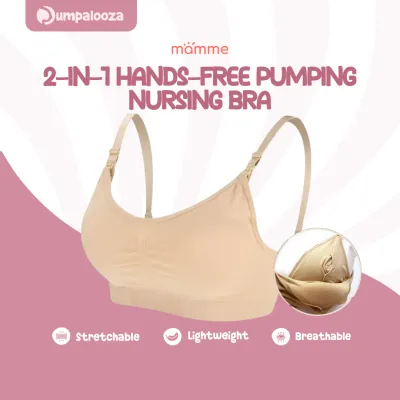
Prices are valid at publication and may change. Please refer to the product page for the latest price.
Your primary pumping environment also dictates the type of pump that will serve you best. For mothers returning to an office or commuting regularly in the Philippines, a wearable, hands-free pump offers the discretion and mobility needed to pump during travel or meetings. If you primarily pump at home, a traditional double electric pump with a tabletop motor might be more practical, as these units often provide highly consistent suction and do not require frequent recharging.
Physical considerations, such as nipple sensitivity and anatomical variations, must not be overlooked. Using an incorrect flange size can lead to friction, pain, and a significant reduction in milk output. Before purchasing any pump, you must measure your nipple diameter to ensure the brand offers compatible flange sizes or inserts that match your anatomy, as standard kits rarely fit every mother perfectly.
Core Feature Comparison: Mamme and Market Alternatives
When comparing the physical design and motor specifications of Mamme against other popular brands, motor noise is a key usability factor. Wearable pumps integrate the motor directly onto the collection cup, which can sometimes result in a noticeable hum. Traditional pumps house the motor in a separate unit, which may offer quieter operation or different sound frequencies; always check the manufacturer’s decibel claims to ensure the pump is quiet enough for your workplace or nighttime sessions.

Flange compatibility varies widely across brands and can make or break your pumping experience. Some manufacturers include multiple flange sizes or silicone inserts in the box, while others require you to purchase these accessories separately. Verify whether Mamme or your alternative choices offer food-grade silicone flanges, which many mothers find more comfortable and conforming than rigid plastic shields, particularly in hot and humid tropical climates.
Ease of cleaning and sterilization is another practical consideration for busy caregivers. Count the number of detachable parts—such as valves, membranes, diaphragms, and connectors—that must be washed and sterilized after every use. A pump with fewer parts saves valuable time and reduces the risk of assembly errors that can cause a sudden loss of suction. Always verify the manufacturer’s cleaning instructions to ensure the parts can withstand your preferred sterilization method, whether it is steam, boiling water, or UV light.
Analyzing Suction Modes and Comfort Settings
An effective breast pump should mimic a baby’s natural nursing rhythm, which begins with fast, shallow sucks to stimulate milk letdown, followed by slower, deeper draws during the expression phase. High-quality pumps offer distinct massage and expression modes, allowing you to transition smoothly between these phases. Some advanced models also include mixed modes that combine stimulation and expression to help trigger multiple letdowns during a single session.
Customizability is essential for preventing tissue damage and ensuring a comfortable experience. Look for pumps that offer independent controls for suction strength and cycle speed, rather than pre-programmed settings that cannot be adjusted. A memory function is also highly convenient, as it automatically saves your preferred settings from your last session, eliminating the need to manually adjust the levels every time you turn the pump on.
Before purchasing, verify the maximum vacuum pressure limits on the product labels or user manuals, typically measured in millimeters of mercury (mmHg). While higher suction is not necessarily more effective and can cause pain, having a wide range of adjustable levels allows you to find your personal comfort threshold. If you experience persistent pain, skin irritation, or a sudden drop in milk supply, stop using the pump immediately and consult a healthcare professional or a lactation consultant.
Evaluating True Value and Long-Term Usability
Evaluating the true value of a breast pump goes beyond comparing the upfront price point in ₱. Consider the out-of-the-box inclusions, such as spare valves, storage bags, bottle adapters, and carrying cases. A pump that appears cheaper initially may end up costing more if you have to purchase essential accessories separately to make it functional for your daily routine.
Warranty terms and the availability of local customer support are crucial factors for long-term usability in the Philippines. Because breast pumps are mechanical devices with moving parts, motors can occasionally fail or require troubleshooting. Check if the brand has an authorized service center or a responsive local distributor that can quickly provide replacement parts, such as silicone diaphragms and duckbill valves, which naturally wear out and must be replaced every few months to maintain optimal suction.
Battery life and charging convenience are also vital, especially during power outages or when traveling. Look for pumps that feature standard USB or USB-C charging ports, which allow you to power the device using standard power banks, car chargers, or laptops. Pumps that rely on proprietary adapters or require constant connection to an electrical outlet offer significantly less flexibility and can disrupt your pumping schedule if you are away from a power source.
Decision Framework: Choosing the Right Pump for Your Routine
You should choose Mamme if you prioritize a highly portable, wearable design that allows you to pump hands-free while multitasking, and if its verified suction modes and price point in ₱ align with your budget. It is an excellent option for active mothers, office workers, and those who need a convenient secondary pump for commuting or travel.
On the other hand, you should opt for a hospital-grade or premium tabletop alternative if you are an exclusive pumper who requires maximum motor durability, specialized clinical suction patterns, or a certified closed-system design for shared or multi-user scenarios. These robust systems are often better suited for establishing and maintaining a milk supply in the early weeks postpartum.
Neither option may be suitable if your measured nipple size is not compatible with the standard flanges or inserts provided by these brands. Using an ill-fitting flange can cause severe discomfort and inefficient milk expression, so you must verify accessory compatibility before making a purchase.
Always prioritize your physical well-being and lactation health. If you have unique anatomical considerations, a history of low milk supply, or experience pain during pumping, seek guidance from an International Board Certified Lactation Consultant (IBCLC) or your healthcare provider to receive a personalized recommendation tailored to your specific medical needs.
Frequently Asked Questions (FAQ)
Are closed-system pumps strictly necessary for second-hand use?
Yes, a closed-system pump is highly recommended if you are considering a pre-owned or second-hand device. A closed system features a physical barrier, usually a silicone diaphragm, that prevents milk, moisture, and humidity from entering the pump’s tubing and motor unit. This barrier ensures that the internal mechanics of the pump remain completely hygienic and free from contamination.
Open-system pumps lack this physical barrier, meaning microscopic milk particles and condensation can easily find their way into the motor. Over time, this trapped moisture can lead to mold and bacterial growth inside the motor housing, which cannot be cleaned or sterilized. Using a second-hand open-system pump poses a significant hygiene risk to your baby, so you should always verify the manufacturer’s explicit system classification before purchasing or accepting a used pump.
How do I determine the correct flange size before purchasing?
To find your correct flange size, you must measure the diameter of your nipple at the base, excluding the surrounding areola. Use a ruler, a tape measure, or a printable sizing tool specifically designed for breast pump fitting. It is best to take this measurement before a pumping session, when your nipples are in a resting state, to get the most accurate baseline reading.
Once you have the measurement in millimeters, add 2mm to 3mm to determine your starting flange size. For example, if your nipple base measures 19mm, a 21mm or 22mm flange is typically a good starting point. Keep in mind that nipple size can change during pregnancy, immediately after birth, and even throughout your breastfeeding journey, so you may need to remeasure if you experience sudden discomfort or a decrease in milk expression.
If you experience persistent rubbing, pain, or inefficient milk removal despite trying different flange sizes, consult an International Board Certified Lactation Consultant (IBCLC). A professional can observe your pumping session, assess your breast tissue elasticity, and help you find the precise fit and settings needed for comfortable and efficient milk expression.

Community discussion
Share your experience or ask a question. Comments are reviewed before publication.