
Deciding how to manage the physical challenges of pregnancy often comes down to choosing the right support tools. If you are exploring high-quality options, you have likely encountered the pregnancy pillow and the maternity support belt. While both products are designed to alleviate maternal discomfort, they serve fundamentally different purposes and are rarely direct substitutes for one another. Choosing the right one depends entirely on when and where your body needs the most assistance.
To make an informed decision, you can evaluate your daily routine through a simple conditional framework. If your primary struggles involve nighttime tossing and turning, lower back pain while lying down, hip pressure, or difficulty maintaining a safe side-sleeping position, the pregnancy pillow is your ideal choice. This product is engineered to support your entire body during rest, helping you achieve the deep sleep necessary for maternal health.
Conversely, you should choose the maternity support belt if your main issues occur during the day while you are upright and active. If you experience pelvic heaviness, lower back strain while standing or walking, or an uncomfortable dragging sensation in your abdomen during daily chores or office work, the belt provides the targeted lift you need. It acts as an external set of muscles, redistributing weight to keep you mobile and comfortable during your active hours.
Products mentioned in this guide
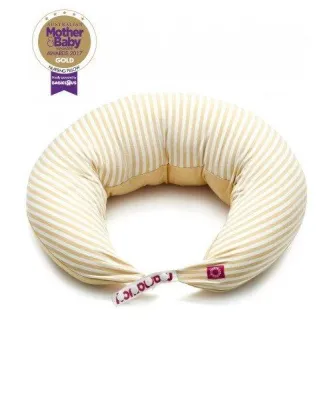
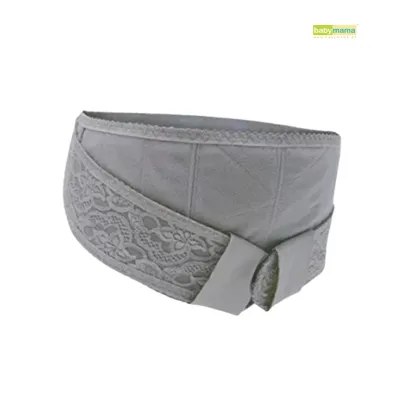
Prices are valid at publication and may change. Please refer to the product page for the latest price.
For mothers experiencing round-the-clock discomfort, considering both products is often the most practical solution. Because they target different times of the day and rely on distinct physical mechanics, they work in tandem rather than competing with each other. Ultimately, your immediate choice should depend on whether your most limiting physical discomfort happens when you are resting in bed or when you are on your feet.
Identifying Your Primary Pregnancy Discomforts
To select the most effective support gear, you must first pinpoint exactly when and how your body experiences strain. Pregnancy introduces rapid anatomical changes that affect your musculoskeletal system in different ways depending on your posture and activity level. Tracking your physical sensations for a few days can help you identify whether your most severe limitations are tied to sleep deprivation or daytime mobility challenges.
Nighttime and resting issues are primarily driven by gravity and horizontal positioning. As your uterus grows, it shifts your center of gravity forward, which can lead to spinal misalignment when you lie down. Side-sleeping is widely recommended during the second and third trimesters to optimize blood flow, but this position can place immense pressure on your hips and lower back. Without proper support, your upper leg can slide forward, twisting your pelvis and straining your lumbar spine throughout the night.
Daytime and active issues, on the other hand, stem from the physical toll of carrying extra weight against gravity. When you are upright, your pelvic floor, lower back, and abdominal muscles bear the brunt of your growing baby bump. This often results in pelvic girdle pain, round ligament pain, and a constant feeling of abdominal heaviness. These symptoms typically worsen during prolonged standing, walking, or during your daily commute, making physical tasks feel increasingly exhausting.
By taking the time to observe your body’s patterns, you can avoid purchasing products that do not align with your actual needs. If you find yourself waking up repeatedly due to hip soreness, your priority is resting support. If you find that you can sleep well but struggle to walk around the grocery store or stand at your kitchen counter without back pain, your focus should be on daytime stabilization.
Mama Way Pregnancy Pillow: Sleep and Resting Support
A high-quality pregnancy pillow is designed to address the unique challenges of resting a changing body. Typically available in full-body, U-shaped, or C-shaped configurations, these pillows work by simultaneously supporting your belly, back, knees, and head. By filling the gaps between your body and the mattress, they help maintain neutral spinal alignment and prevent you from rolling onto your back or stomach during sleep.

Proper alignment is crucial because it reduces the urge to toss and turn, allowing you to enter deeper, more restorative stages of sleep. When you place a portion of the pillow between your knees and ankles, it aligns your hips and takes the pressure off your sacroiliac joints. At the same time, the section tucked under your abdomen gently cradles your growing bump, preventing the pulling sensation that often strains your lower back muscles.
When choosing a pregnancy pillow in the Philippines, climate and material considerations are of paramount importance. The tropical heat and high humidity can make sleeping uncomfortable, and a bulky pillow that traps body heat will only exacerbate the issue. Before purchasing, carefully check the product label for breathable cover materials, such as cotton or bamboo-derived blends. Look for moisture-wicking properties and advanced fabric technologies that promote airflow, ensuring you stay cool and dry throughout the night.
Firmness and adjustability are also critical factors to verify before making your purchase. A pillow that is too soft will collapse under the weight of your belly and legs, rendering its support ineffective. Conversely, a pillow that is too firm can create uncomfortable pressure points on your joints. Look for designs that feature adjustable filling or detachable sections, allowing you to customize the height and density of the support to match your changing body shape.
Additionally, remember to measure your bed size before committing to a large U-shaped pillow. These products can be quite bulky and may take up a significant portion of a standard double or queen-sized mattress. Ensuring you have enough space for the pillow to fit comfortably alongside your partner is essential for maintaining a relaxing bedroom environment.
Mama Way Support Belt: Daytime Mobility and Lift
While a pillow secures your comfort at night, a maternity support belt is engineered to restore your mobility during the day. This wearable band works by gently lifting your abdomen from below, redistributing the weight of your bump across your hips and upper pelvis. By compressing the pelvic ring and stabilizing the sacroiliac joints, the belt relieves the structural strain on your lower back and reduces the pressure on your pelvic floor.
When shopping for a support belt, there are several key features you should verify to ensure daily comfort. Look for highly adjustable closures, such as secure Velcro straps, which allow you to loosen or tighten the belt as your bump grows and your posture changes throughout the day. A wide lower back panel is essential for providing robust lumbar support, while breathable, stretchable fabrics are necessary to prevent heat and sweat from building up under your clothing during outdoor travel or active workdays.
While support belts offer significant relief, it is vital to understand their safety and medical boundaries. A maternity support belt is a supportive accessory, not a medical device. You should always consult your obstetrician, gynecologist, or midwife before introducing a belly band to your routine. This is especially important if you have high blood pressure, restricted fetal growth, specific pelvic complications, or any condition where abdominal compression could pose a risk.
Furthermore, you must avoid wearing the belt too tightly. Overtightening the band can restrict your blood circulation, impede your digestion, and limit the natural movement of your baby. As a general rule of thumb, the belt should feel supportive and secure, similar to a gentle, reassuring hug around your lower abdomen, rather than tight or constricting. If you experience any pinching, shortness of breath, or skin irritation, you should loosen or remove the belt immediately.
Direct Comparison: Pillow vs. Support Belt
To help you finalize your decision, it is useful to compare these two maternity essentials side by side. Each product is tailored to a distinct phase of your day, utilizing different materials and structural designs to address specific physical pressures.
| Feature | Mama Way Pregnancy Pillow | Mama Way Support Belt |
|---|---|---|
| Primary Use Time | Nighttime, resting hours, and daytime lounging | Daytime, active hours, walking, and standing |
| Target Relief Areas | Hips, spine, knees, and full-body alignment | Pelvis, lower back, pelvic floor, and abdominal lift |
| Portability | Bulky, designed to remain in the bedroom | Compact, wearable under clothing, travel-friendly |
| Adjustability | Fixed shape, occasionally adjustable filling density | Highly adjustable straps to accommodate daily bump growth |
| Care and Maintenance | Removable, machine-washable fabric covers | Spot clean or gentle hand wash depending on product label |
Please note that product specifications, dimensions, materials, and care instructions can vary. You should always verify these details on the official packaging or authorized store listings of the specific model you are purchasing, as manufacturers frequently update their designs to improve comfort and performance.
Do You Need Both? Understanding Complementary Use
Choosing between a pregnancy pillow and a support belt is often a false dichotomy. Because they address entirely different physical challenges at different times of the day, many pregnant individuals find that using both products provides the most comprehensive relief. Wearing a support belt during your active daytime hours keeps your pelvis stable, while transitioning to a pregnancy pillow at night ensures your muscles can fully relax and recover while you sleep.
However, if you are working within a budget, prioritizing your purchase based on your most urgent physical limitation is a smart approach. If severe sleep deprivation is impacting your mental health, daily focus, and overall well-being, you should prioritize investing in the pregnancy pillow first. Rest is the foundation of a healthy pregnancy, and securing a good night’s sleep will pay immediate dividends for your daily energy levels.
On the other hand, if your daytime mobility is severely restricted, making it difficult for you to perform your job, care for older children, or manage household tasks, the support belt should be your first purchase. Restoring your ability to move without pain during the day can dramatically improve your quality of life. You can always plan to add the second item later in your pregnancy as your belly grows larger and your physical needs continue to evolve.
Safety, Fit, and Purchasing Checks
To get the maximum benefit from your maternity gear, you must ensure proper fit and safe usage habits. When purchasing a support belt, accurate sizing is critical. Take the time to measure your under-bump circumference using a flexible measuring tape, and compare your measurements to the manufacturer’s official sizing chart. Avoid the temptation to size up too early in anticipation of growth, as a belt that is too large will fail to provide the necessary compression and support.
For the pregnancy pillow, check the retailer’s return and exchange policies before buying. Because body types and mattress firmness levels vary, a pillow that feels perfect for one person might feel too high or too firm for another. Knowing that you can exchange the pillow or adjust its filling gives you peace of mind when making this investment.
You must also practice sensible usage limits with your support belt. To prevent your core and back muscles from becoming overly reliant on external assistance, avoid wearing the belt continuously all day. It is generally recommended to wear the belt for limited periods, such as two to three hours at a time during periods of physical activity, walking, or standing, and then taking a break to let your muscles work naturally.
Finally, always prioritize authenticity when purchasing your maternity products. To ensure you are getting genuine materials, accurate safety labeling, and access to customer support, purchase your items only from authorized retailers, official brand websites, or verified flagship stores on reputable e-commerce platforms. This protects you from counterfeit products that may use low-quality fabrics or toxic dyes, ensuring a safe and comfortable experience for both you and your baby.
Frequently Asked Questions (FAQ)
Can I wear the Mama Way support belt while sitting?
You should check the manufacturer’s specific guidelines, but support belts are generally designed for upright activities like standing and walking. Wearing a belt while sitting for long periods can cause the fabric to bunch up, dig into your ribs or thighs, restrict your digestion, and cause general discomfort. It is usually best to loosen or remove the belt when you plan to sit down for an extended duration.
Is the pregnancy pillow cover machine washable?
Always check the care label attached to your specific pillow. Most modern pregnancy pillows feature removable covers that are safe for machine washing, which is highly recommended for maintaining hygiene. In warm, humid climates like the Philippines, frequent washing helps remove sweat and skin oils. Be sure to verify the recommended washing temperature and drying instructions on the tag to prevent shrinkage.
When is the best time to start using these products?
There is no single correct timeline, as every pregnancy is unique. Many individuals begin using a pregnancy pillow during the late first trimester or early second trimester, as soon as side-sleeping becomes uncomfortable or a growing belly makes finding a restful position difficult. Support belts are typically introduced during the second or third trimester when the weight of the baby bump starts to cause noticeable lower back strain or pelvic pressure during daily activities.

Community discussion
Share your experience or ask a question. Comments are reviewed before publication.