
Finding the right XXXL diaper pants for your growing toddler is a balancing act between reliable leak protection, a comfortable fit, and your household budget. As toddlers grow more active, their diapering needs change significantly. Standard sizes may no longer accommodate their physical development, leading to discomfort or frequent leaks. While Makuku, Pampers, Huggies, and Equator all offer options in the XXXL size range, there is no single universal winner that fits every child perfectly. The ideal choice depends on your toddler’s unique body shape, skin sensitivity, and your family’s purchasing habits. By understanding how to evaluate these brands based on observable features and packaging specifications, you can make an informed decision that keeps your child dry and comfortable throughout the day and night.
Verifying the Right Fit: Is XXXL the Correct Size?
Before comparing specific brands, it is essential to confirm whether your toddler actually requires an XXXL size. Diaper sizing is primarily based on weight ranges, but these ranges are guidelines rather than absolute rules. Because every child’s body structure is different, two toddlers of the exact same weight may require entirely different diaper sizes. For instance, a child with a rounder tummy or thicker thighs might need to size up to XXXL sooner than a taller, leaner toddler of the same weight. You should always check the manufacturer’s weight range printed on the packaging of each brand’s XXXL variant, as sizing standards and cuts vary significantly between manufacturers.
Paying close attention to physical signs of a poor fit is the most reliable way to determine when to transition. If you notice deep red marks or indentations around your toddler’s waist or thighs, the diaper is too tight and is restricting movement. Frequent leaks, especially when the diaper is not fully saturated, often indicate that the core is misaligned or the leg cuffs are too small to contain messes. Sagging or a diaper that constantly slides down as your toddler walks, runs, or climbs is another clear sign that the current size or cut is no longer suitable.
Products mentioned in this guide
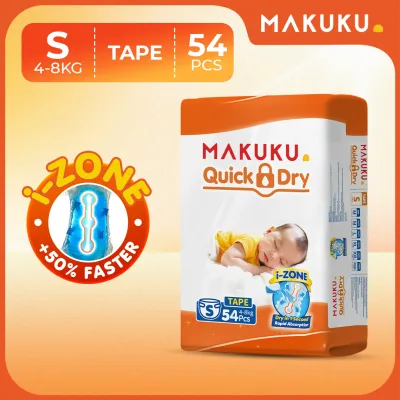
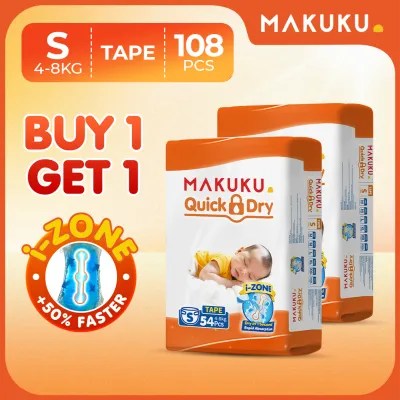
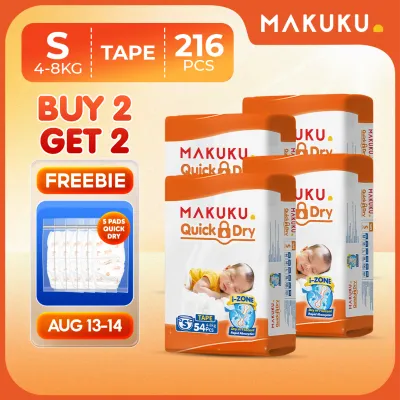
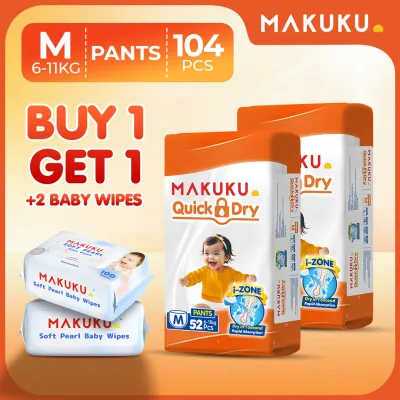
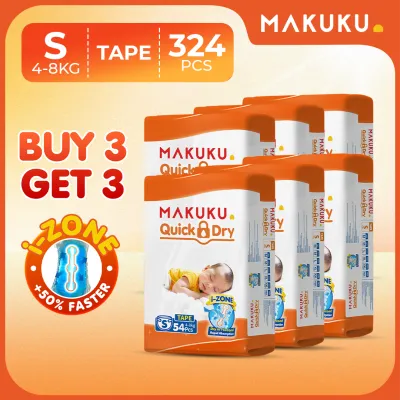
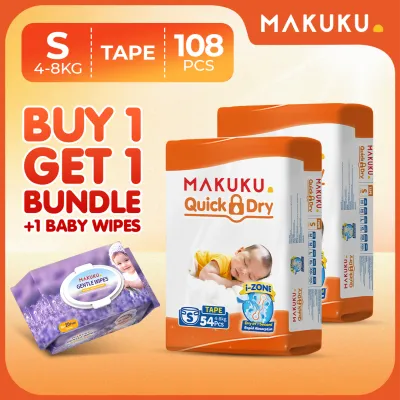
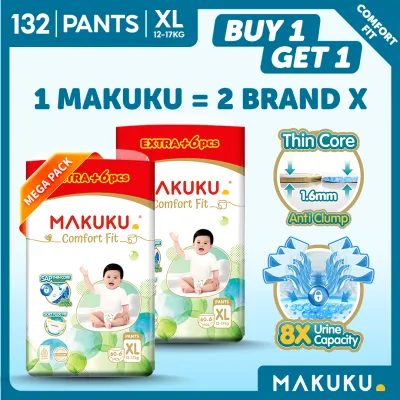
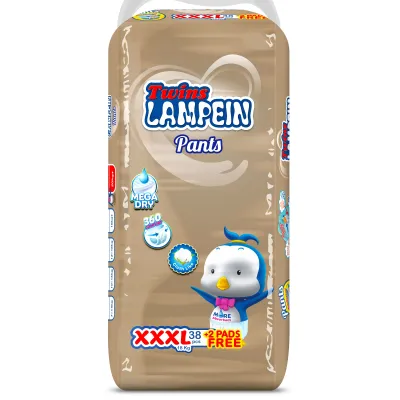
Prices are valid at publication and may change. Please refer to the product page for the latest price.
It is also important to note that diaper sizing is not consistent across different brands. Your toddler might fit comfortably in an XXL or XXXL in one brand but require a completely different size or cut in another. This variation is due to differences in waistband elasticity, leg cuff tension, and the physical placement of the absorbent core. When transitioning to a new brand, it is highly recommended to purchase a smaller trial pack first to verify the fit before investing in bulk quantities.
Comparing Core Features: Absorbency, Fit, and Comfort
Evaluating the core features of Makuku, Pampers, Huggies, and Equator requires looking closely at product labels, packaging claims, and the physical construction of the diaper pants.

For absorbency and leak protection, look for specific details regarding core technology on the packaging. Some modern diapers utilize advanced absorbent cores designed to lock away moisture quickly without clumping, while others rely on traditional wood pulp mixtures. For active toddlers, a core that resists clumping is highly beneficial as it maintains its shape and absorption capacity even during heavy movement. Additionally, check for the presence of a wetness indicator—a color-changing strip on the outside of the diaper that helps you monitor when it is time for a change. Pay close attention to the design of the leak-guard barriers around the legs; these double-layered cuffs should stand upright and hug your toddler’s thighs gently to prevent side leakage.
Regarding fit and elasticity, the waistband of diaper pants must offer a balance of secure hold and gentle stretch. For larger toddlers, a highly elastic, wide waistband is crucial to distribute pressure evenly across the abdomen and lower back. When handling the diaper, test the stretch of the waistband and side panels. It should expand easily to accommodate your toddler’s movements and contract gently without digging into the skin. The leg cuffs should also feature soft, elasticized threads that provide a snug seal without causing friction or chafing, which can be particularly uncomfortable in warm, humid climates.
In tropical conditions, heat and humidity can easily trap moisture inside a diaper, leading to skin irritation, redness, or heat rash. To prevent these issues, look for packaging labels that specify breathable outer covers or micro-pore designs that allow hot air to escape while keeping wetness inside. Check for dermatological testing labels, hypoallergenic claims, and the absence of added fragrances or chlorine processing, especially if your toddler has sensitive skin. Feeling the inner lining of the diaper can also give you a good indication of its softness; a velvety, smooth texture reduces friction against your child’s delicate skin during active play or sleep.
Evaluating Value and Purchasing Channels
Managing the ongoing cost of diapers is a primary concern for most families, especially as larger sizes like XXXL typically contain fewer pieces per pack and carry a higher price point. To determine the true cost of each option, you should calculate the cost per piece in ₱. You can easily do this by dividing the total price of the pack by the number of diaper pants inside. This simple calculation allows you to compare different brands and packaging sizes on an equal basis. Often, purchasing bulk boxes or enrolling in subscription models on major online marketplaces can yield significant long-term savings compared to buying small packs at local convenience stores.
Availability is another critical factor when choosing an XXXL diaper. Because demand for larger sizes is generally lower than for medium or large sizes, manufacturers often produce XXXL variants in smaller quantities. These larger sizes are sometimes restricted to premium product lines or may not be stocked regularly on the shelves of physical supermarkets. Before committing to a specific brand, verify how easily you can source it. If a brand is frequently out of stock, you may find yourself forced to switch unexpectedly, which can disrupt your toddler’s routine and potentially irritate their skin.
To ensure you are purchasing genuine products, always buy from authorized sellers. Counterfeit diapers or products that have been stored improperly in damp, hot warehouses can lose their absorbency and pose hygiene risks to your child. Look for official brand stores on reputable ecommerce platforms, or purchase directly from established physical supermarkets and baby specialty stores. Checking for official seals or verification badges on online listings can help you avoid unauthorized distributors.
Decision Framework: Which Brand Fits Your Toddler?
Selecting the right diaper brand involves matching your toddler’s physical needs and skin sensitivity with your household budget and convenience preferences.
You might choose Makuku if you prioritize advanced core thinness and lightweight material claims. If your toddler is highly active and you prefer a diaper that remains slim and resists clumping even when wet, check the current packaging of Makuku’s XXXL variants to verify their specific core technology and local availability. This option is often favored by parents looking for a modern, low-profile fit that fits comfortably under clothing.
You might choose Pampers or Huggies if you prefer established legacy brands with a long history of reliable performance. These brands offer widely available XXXL options, familiar fits, and highly visible wetness indicators. Because they are stocked extensively in both physical supermarkets and online stores, they are excellent choices if you value convenience and want to ensure you can always find a replacement pack quickly, whether you are at home or traveling.
You might choose Equator if you are looking for a highly budget-friendly alternative for daily wear. If your toddler does not have highly sensitive skin or specific allergy requirements, a value-focused brand like Equator can significantly lower your monthly diapering expenses. It is often a practical choice for daytime use when diaper changes are more frequent, allowing you to reserve premium brands for overnight wear.
Regardless of which brand you consider, safety and skin health must always come first. If your toddler has a history of eczema, severe diaper rash, or specific material allergies, verify the ingredient list and manufacturing standards carefully. Always consult a pediatrician or a qualified healthcare professional before switching to a new brand or if you notice persistent skin irritation that does not resolve with regular diaper changes.
Frequently Asked Questions (FAQ)
When should I transition my toddler from XXL to XXXL diaper pants?
You should consider transitioning your toddler to XXXL diaper pants when they reach the upper limit of their current XXL diaper’s weight range, or when you observe physical signs of tightness. These signs include deep red marks around the waist or thighs, the waistband sitting too low on the hips, or the diaper failing to cover the buttocks fully. Additionally, if you experience frequent leaks despite proper diaper application, or if the diaper feels excessively tight when fastening, it is time to size up to ensure your toddler’s comfort and protection.
Why do XXXL diaper pants leak even when they are not fully wet?
Leaks in diapers that are not fully saturated are almost always caused by fit issues rather than absorbency limits. If the diaper pants are too large, gaps can form around the legs or waist, allowing liquid to escape before the absorbent core can draw it in. Conversely, if the diaper is too small or the waist is pulled too high, the core may become misaligned, preventing it from catching wetness effectively. Ensuring that the leg cuffs are fully pulled out and that the waistband is positioned evenly around your toddler’s hips can help eliminate these gaps and prevent leaks.

Community discussion
Share your experience or ask a question. Comments are reviewed before publication.