
Choosing the right diaper pants for an active toddler in the Philippines requires balancing mobility, breathability, and reliable containment. As toddlers reach the Extra Large (XL) size, their increased movement, climbing, and running put significant stress on diaper seams and absorbent cores. Because toddler body shapes, skin sensitivities, and movement patterns vary significantly, no single brand universally outperforms the others for every child. Instead of relying on generalized marketing claims, parents should evaluate Makuku Dry Care Pants XL alongside Pampers, Huggies, and Equator based on observable structural features, packaging specifications, and real-world trial feedback. This guide provides a practical framework to compare these brands and identify the best match for your active toddler’s specific needs.
Understanding the Contenders: Design Focus for XL Toddlers
Makuku’s design philosophy typically centers on thin, structured core materials designed to minimize bulk. In tropical climates where high humidity is a constant factor, a heavy, sagging diaper can cause significant discomfort. Makuku generally emphasizes a flat, highly structured core that aims to distribute moisture evenly without clumping, which is particularly useful when toddlers begin walking and running.
Pampers typically focuses on stretch, contouring, and waist flexibility. The brand generally designs its diaper pants with highly flexible waistbands that mimic the natural movement of a toddler’s torso. This design philosophy prioritizes a snug, body-hugging fit that adapts as the child transitions between sitting, crawling, and standing.
Products mentioned in this guide
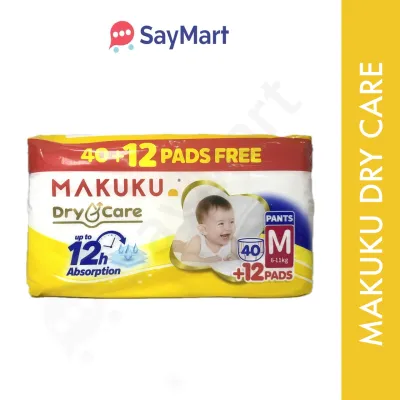
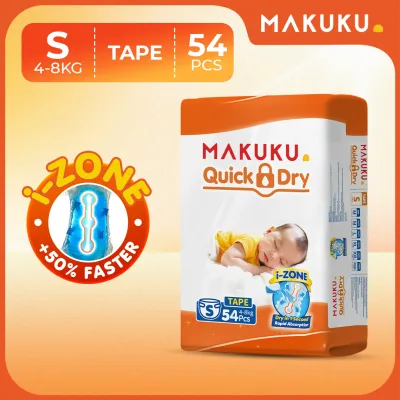
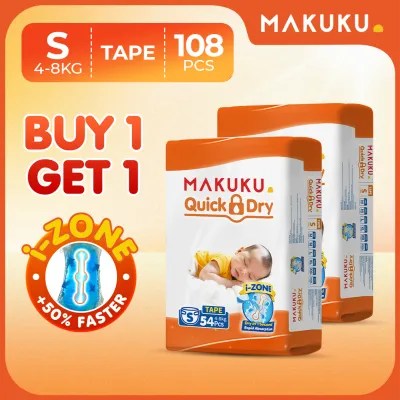
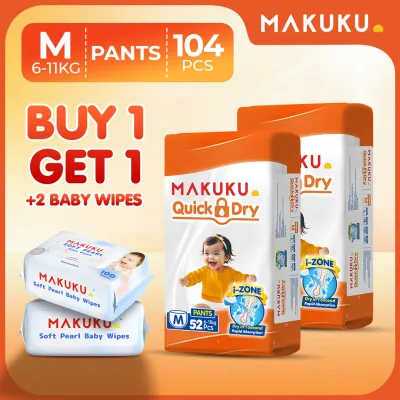
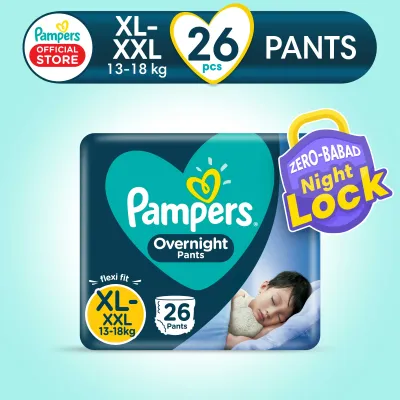
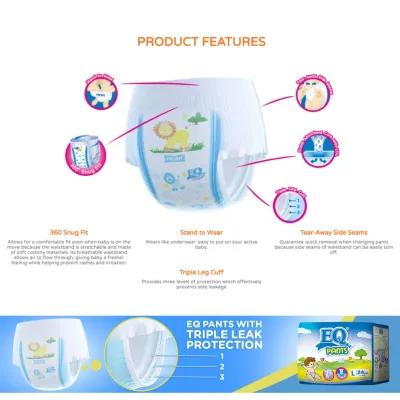
Prices are valid at publication and may change. Please refer to the product page for the latest price.
Huggies commonly emphasizes waistband security and robust leg barrier designs. Active toddlers often experience leaks when the diaper shifts during vigorous play. Huggies generally addresses this by incorporating wide, secure waistbands and reinforced elastic barriers around the thighs, aiming to keep the diaper anchored even during high-impact movements.
Equator positions itself as a practical, budget-conscious option for everyday use. Its design philosophy focuses on essential containment features and straightforward construction. This makes it a common choice for parents looking for a straightforward diaper for frequent daytime changes where high-end specialty features are not the primary requirement.
Key Comparison Dimensions for Active Toddlers
To determine which diaper pants will perform best for your child, you must look beyond brand names and inspect the physical construction of each product. Focus on three critical performance areas: absorbency, fit, and leak barriers.

Absorbency and Moisture Management
When evaluating absorbency, start by checking the stated weight capacity and core descriptions on the packaging. Active toddlers require a core that can rapidly draw moisture away from the skin to prevent irritation, especially in warm, humid tropical environments. Look for descriptions of the absorbent layers, such as whether the brand uses traditional fluff pulp or modern composite polymer structures.
Next, physically examine the diaper’s thickness and flexibility. A thick, stiff core can restrict movement and bunch up between the thighs, while a highly flexible core allows the toddler to move naturally. Gently bend the dry diaper to see how easily it conforms to a curved shape. A core that remains flat and flexible is less likely to break or clump when wet.
Finally, locate the wetness indicator on the exterior of the diaper. Most modern diaper pants feature color-changing lines that shift from yellow to blue or green when exposed to moisture. Note how clearly these indicators are printed and how easily they can be read through clothing, as this helps you time changes before the diaper becomes oversaturated.
Fit, Elasticity, and Movement
An active toddler needs diaper pants that stretch easily but recover their shape quickly to prevent sagging. Test the waistband and leg cuffs by gently pulling them apart. Observe how much force is required to stretch the elastic and how quickly the material snaps back into place. The waistband should feel soft to the touch, with smooth seams that will not chafe the skin during active play.
Inspect the overall cut and shape of the pants. Some brands feature a narrower crotch area designed to reduce bulk between the legs, which can make walking easier for some toddlers. Other brands offer wider coverage across the seat and hips, providing a more secure wrap for children with rounder builds. Compare the physical dimensions of different brands side-by-side to see which shape matches your toddler’s natural proportions.
Consider how the material behaves when stretched near its maximum limit. If your toddler is at the upper end of the XL weight range, the elastic fibers will be under constant tension. Check if the waistband retains its elasticity when fully extended, or if it begins to feel stiff and restrictive, which can cause discomfort during sitting or bending.
Leak Protection and Barrier Design
Leak protection relies heavily on the design of the inner leg gathers, also known as leak guards. Open the diaper pants and inspect these inner barriers. They should stand upright and feel soft and elastic. Run your finger along the edge to verify that the elastic is fully enclosed in soft fabric, which prevents the plastic barrier material from directly contacting the toddler’s sensitive thigh skin.
The outer leg cuffs serve as the second line of defense against leaks. Examine how these cuffs flare outward to create a secure seal around the thighs. The elastic should be snug enough to prevent gaps when the toddler bends their knees, but gentle enough that it does not dig into the skin or leave deep impressions after a few hours of wear.
During active play, monitor how the diaper responds to movement. Watch for physical gaps that open up around the thighs when your toddler climbs or squats. If the diaper rides up or bunches excessively in the crotch, the barrier design may not be compatible with your child’s specific leg shape, increasing the risk of leaks.
How to Evaluate the Right Size and Fit for Your Toddler
Sizing standards vary significantly between manufacturers, meaning an XL in one brand may fit differently than an XL in another. Always cross-reference your toddler’s current weight with the specific brand’s weight chart printed on the packaging. Do not rely solely on the size label, as the physical cut of the diaper—such as rise height and leg opening circumference—can dramatically alter the fit.
Regularly inspect your toddler’s skin for physical signs of a poor fit. Deep red marks or indentations around the waistline or thighs indicate that the elastic is too tight or that the diaper is too small. Conversely, if the diaper frequently sags, clumps heavily in the crotch, or slips down when your toddler runs, the fit is too loose, or the cut is too wide for their frame.
Recognizing when to adjust your sizing strategy is key to maintaining comfort and preventing leaks. If your toddler is experiencing frequent blowouts or leaks despite proper application, it may be time to size up to XXL, even if their weight falls within the XL range. If you notice persistent gaps around the legs but the waist is snug, trying a different brand with a narrower or more contoured cut is often more effective than simply changing sizes.
Decision Framework: Which Brand to Try First?
To help you navigate these options, use a conditional framework based on your toddler’s physical traits and your primary caregiving priorities. If your main goal is to evaluate a thin, highly structured core with a strong emphasis on breathability for active daytime wear in warm weather, starting with Makuku Dry Care Pants XL is a logical choice.
If your toddler has a standard, proportional build and you want a design that prioritizes overall stretch and flexible contouring, Pampers is an excellent starting point. This option is particularly suitable for toddlers who transition frequently between high-energy play and quiet sitting, as the flexible waistband adapts easily to changing body shapes.
If your toddler is exceptionally active, constantly climbing, jumping, and running, and you want to test robust waistband security and reinforced leg barriers, Huggies is a strong candidate. This design is well-suited for containing heavy movement and preventing the diaper from shifting out of place during intense physical activity.
If you are looking for a straightforward, budget-friendly option for shorter, supervised wear times—such as quick morning play sessions or frequent daytime changes—Equator offers a practical value proposition. This allows you to conserve resources while maintaining a clean, dry environment for your child through frequent diaper rotations.
Regardless of which brand you choose to test first, always prioritize your child’s skin health. If your toddler has a history of contact dermatitis, eczema, or severe skin sensitivities, verify the ingredient list and material specifications of the diaper. Consult a pediatrician or pediatric dermatologist before introducing a new brand to ensure it is appropriate for your child’s skin condition.
Smart Purchasing and Trial Strategies
Before committing to bulk boxes or subscription deliveries, implement a structured trial strategy to protect your budget and ensure your toddler’s comfort. Begin by purchasing small trial packs or single-pack options. Look for these smaller quantities on official brand stores or trusted e-commerce platforms to ensure you are receiving authentic products rather than counterfeit goods.
When the diapers arrive, inspect the packaging carefully before opening. Check for clear manufacturing dates, batch codes, and expiration indicators. Authentic, high-quality diapers should have legible, un-tampered print on the outer plastic. Avoid using products with damaged packaging or missing batch codes, as these may have been stored in poor conditions that compromise their hygiene.
Conduct a structured trial over a period of three to five days. During this time, track any skin reactions, the frequency of leaks, and how well the diaper retains its fit during active play. Keep a simple mental or written log of when leaks occur—such as during naps or during high-energy outdoor play. This systematic approach allows you to make an objective, evidence-based decision before investing in bulk purchases.

Community discussion
Share your experience or ask a question. Comments are reviewed before publication.