
When choosing baby bottle nipples featuring beloved characters like Bugs Bunny or Tweety, parents often focus on the fun designs. However, the most critical decision lies in the material of the nipple itself. Looney Tunes baby bottle nipples are typically made of either silicone or natural rubber latex, depending on the specific manufacturer licensed to produce them. Because “Looney Tunes” is a licensed character brand rather than a single manufacturer, the exact material, safety standards, and compatibility depend entirely on the underlying bottle brand that carries the design.
To determine which material is safer and more suitable for your baby, you must compare the physical properties of silicone and latex against your baby’s developmental stage, feeding habits, and potential sensitivities. While both materials are widely used, they require different care, have distinct lifespans, and react differently to tropical climates. Understanding these differences allows you to make an informed choice that supports your baby’s health and comfort.
How to Verify the Material of Your Looney Tunes Nipples
Because character-themed baby products are manufactured under licensing agreements, multiple companies may produce Looney Tunes bottles and nipples for different markets. This means you cannot assume all character-themed nipples are made of the same material. To confirm exactly what you are buying, your first step should always be to inspect the original packaging. Look for explicit material specifications, such as “100% medical-grade silicone” or “natural rubber latex,” which manufacturers are required to print on the label.
Products mentioned in this guide
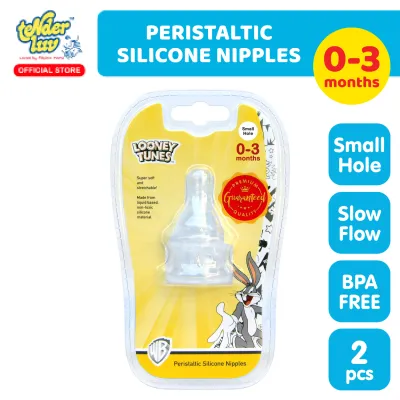
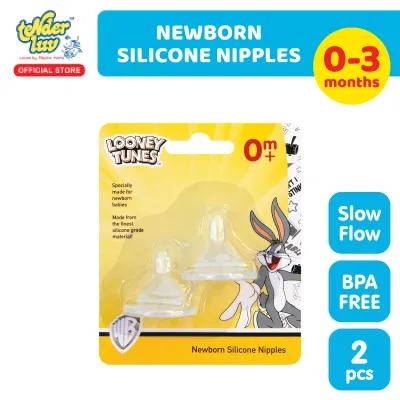
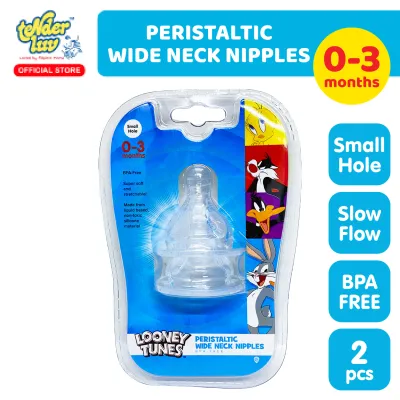
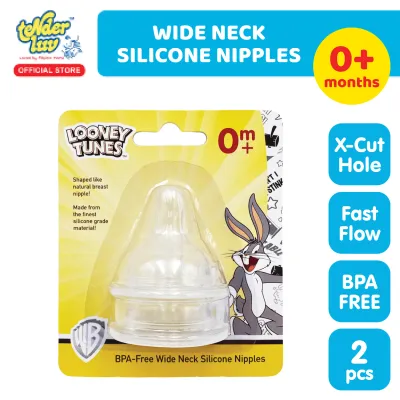
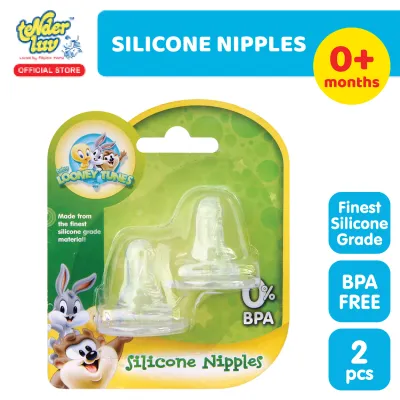
Prices are valid at publication and may change. Please refer to the product page for the latest price.
If you no longer have the packaging, you can often find clues molded directly into the nipple itself. Many manufacturers stamp material identification symbols, brand names, or size numbers onto the base or the outer rim of the nipple. If the base is completely smooth and lacks markings, you should consult the manufacturer’s official website or contact their customer service department, referencing the specific model or barcode of the bottle set.
It is vital to recognize that the Looney Tunes characters themselves do not guarantee a specific safety standard or material composition. The safety, durability, and chemical makeup of the nipple are dictated entirely by the actual manufacturing brand. Always verify that the underlying manufacturer is reputable, complies with local food-contact safety regulations, and provides clear contact information for consumer inquiries.
Silicone vs. Latex: Which Is Safer and More Suitable?
Silicone and natural rubber latex have distinct physical characteristics that make them suitable for different feeding preferences and developmental stages. Silicone is a synthetic, clear, and completely odorless material. It is highly durable, retains its shape over long periods of use, and is generally hypoallergenic. Because it is firmer than latex, it resists biting and tearing more effectively, making it an excellent standard choice for most infants, especially as they begin to transition through different flow stages.

In contrast, natural rubber latex is a plant-derived material characterized by its soft, highly flexible texture and distinct brownish or amber tint. Many babies prefer latex because its elasticity closely mimics the natural feel of a mother’s breast during feeding. However, because it is a natural substance, latex carries a potential risk of triggering latex allergies in sensitive infants. If you choose latex, you must closely monitor your baby for any signs of skin irritation, redness, or respiratory discomfort during and after feeding, and consult a pediatrician immediately if you suspect an allergic reaction.
When evaluating safety, there is no universal winner between silicone and latex, as both materials are considered safe for infant feeding when manufactured according to strict regulatory standards. Your primary safety check should be to verify that the packaging explicitly states the product is BPA-free and complies with local food-safe standards. Additionally, consider your local environment; in warm, humid tropical climates, natural materials like latex can degrade much faster than synthetic silicone, which may influence your decision based on convenience and long-term maintenance.
Cleaning and Sterilization Rules by Material
The material of your baby’s nipple dictates the specific cleaning and sterilization methods you must use to prevent bacterial buildup without damaging the product. Silicone is highly heat-resistant and can easily withstand the high temperatures of boiling water, electric steam sterilizers, and ultraviolet (UV) sterilization systems. This makes silicone nipples highly convenient for busy parents who prefer quick, high-heat sanitizing routines to keep feeding gear hygienic.
Latex, on the other hand, is highly sensitive to heat, light, and moisture. High temperatures from boiling or steam sterilization can cause natural rubber to degrade rapidly, making the material sticky, soft, or prone to tearing. UV light can also accelerate the breakdown of natural latex fibers. If you use latex nipples, you must follow the manufacturer’s instructions carefully, which often recommend gentle washing with warm, soapy water or using cold-water chemical sterilizing solutions instead of high-heat methods.
Regardless of the material, proper drying and storage are crucial, especially in humid tropical regions where mold and mildew thrive. After washing and sterilizing, place the nipples on a clean, elevated drying rack in a well-ventilated area away from direct sunlight. Never store damp nipples in airtight containers, as trapped moisture can encourage mold growth and compromise the structural integrity of both silicone and latex.
How to Inspect for Wear and When to Replace
Regularly inspecting your baby’s bottle nipples is a critical safety practice that prevents choking hazards and ensures a consistent milk flow. Before every single feeding, perform a quick visual and physical check. Gently pull the tip of the nipple in all directions to test its elasticity and structural integrity. If the nipple fails to snap back to its original shape, feels sticky to the touch, or appears swollen and discolored, it has begun to degrade and must be discarded immediately.
The lifespan of a nipple varies significantly depending on the material and how often it is used. Silicone nipples are highly durable and typically last longer, but they are still subject to wear and tear. Latex nipples degrade much faster due to exposure to milk fats, saliva, and heat, meaning they generally require more frequent replacement. While silicone nipples may require a slightly higher initial investment in ₱, their durability often makes them more cost-effective over time compared to latex nipples, which require frequent replacement.
There are several immediate replacement triggers that require you to throw away a nipple right away. If you notice any visible cracks, tears, or tiny holes, replace the nipple immediately, as these can harbor bacteria or tear further during feeding, posing a severe choking hazard. Once your baby begins to develop teeth, they may bite down on the nipple, making regular checks for bite marks even more critical. Additionally, if the milk flows out in a continuous stream rather than a steady drip, the hole has stretched, and the nipple must be replaced to prevent your baby from choking or swallowing too much air.
Frequently Asked Questions (FAQ)
Can I mix silicone nipples with other bottle brands?
While it might be tempting to swap nipples between different bottle systems, doing so can compromise safety and performance. A secure, leak-proof fit depends entirely on the specific bottle brand’s threading, collar design, and neck width, rather than the material of the nipple itself. Using a nipple with an incompatible collar can lead to severe leaks, air venting failures, or even cause the nipple to collapse or pull free during feeding, which presents a choking hazard. Always consult the manufacturer’s guidelines and use only compatible parts designed specifically for that bottle system.
Are printed or character-themed nipples safe for newborns?
Yes, character-themed nipples are safe for newborns, provided they are manufactured by a reputable brand that complies with strict safety standards. The safety of the product relies entirely on the quality of the underlying material and the manufacturing process, not the licensed Looney Tunes characters printed on the bottle. When purchasing these products, ensure that any decorative prints, inks, or colors are applied strictly to the outside of the bottle or non-feeding components. The nipple itself should remain completely free of external dyes or prints where the baby’s mouth makes contact, ensuring a safe and clean feeding experience.

Community discussion
Share your experience or ask a question. Comments are reviewed before publication.