
Finding the right diaper for your baby in the Philippines involves balancing comfort, absorbency, and cost. With the tropical heat and humidity, diaper performance is not just about how much liquid it can hold, but how well it keeps your baby’s skin dry and free from irritation. Choosing between Lampein, Pampers, Huggies, and Equator requires looking past marketing claims and focusing on how each diaper performs on your baby’s unique body.
There is no single diaper brand that works perfectly for every infant. A diaper that keeps one baby dry all night might cause leaks or chafing on another due to differences in body shape, movement patterns, and skin sensitivity. By understanding the design philosophies of these four popular brands and learning how to evaluate their performance in real-world conditions, you can make an informed choice that protects both your baby’s comfort and your household budget.
Brand Overview: Lampein, Pampers, Huggies, and Equator
Lampein is widely recognized in the local market as a highly practical, budget-friendly option. It is designed primarily for parents who prioritize frequent diaper changes throughout the day to maintain hygiene without overspending. The brand typically offers standard tape and pants varieties that focus on basic, reliable containment.
Products mentioned in this guide
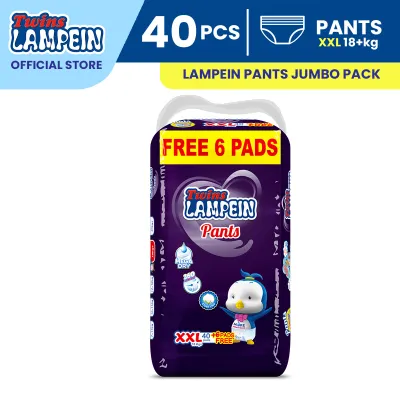
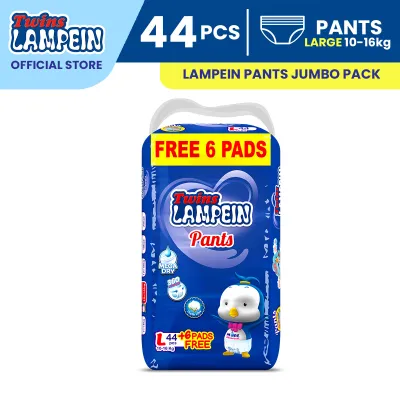
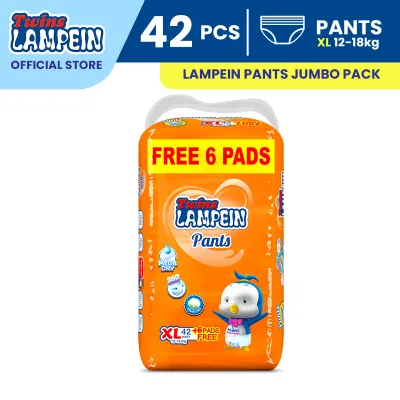
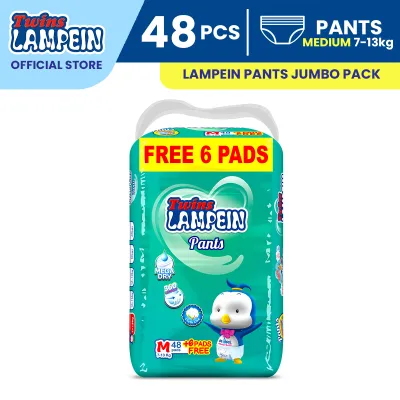
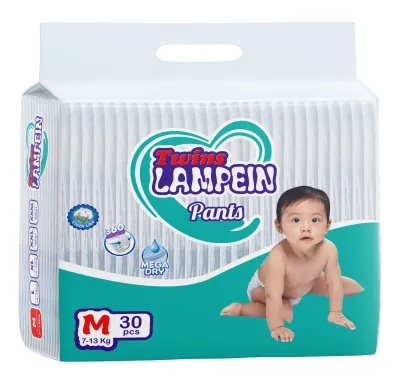
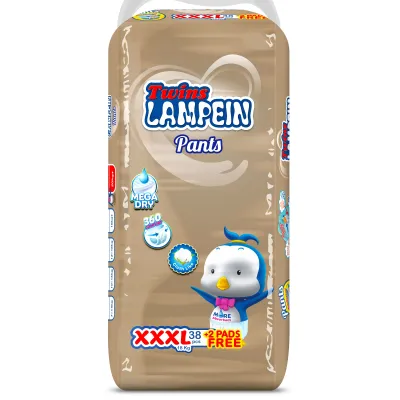
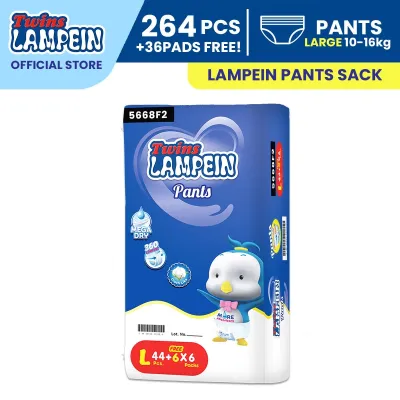
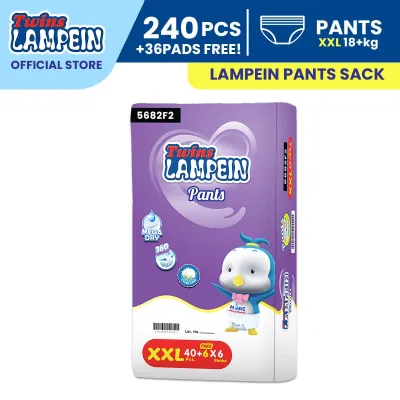
Prices are valid at publication and may change. Please refer to the product page for the latest price.
Pampers has long established itself with a focus on advanced wetness distribution and thinness. Its product lines often emphasize long-lasting dryness and lightweight materials. This design philosophy aims to minimize bulk, making it a popular choice for overnight use or active daytime play.
Huggies focuses heavily on structural fit and robust leak protection. Known for features like snug elastic waistbands and pocketed liners, Huggies diapers are designed to contour closely to a baby’s body. This makes them particularly appealing to parents of highly active babies or those prone to messy diaper blowouts.
Equator serves as another economical alternative, focusing on straightforward utility and affordability. It provides a functional design that meets basic diapering needs without the premium price tag. It is often favored by families looking to minimize daily diapering expenses while maintaining a regular changing schedule.
Because manufacturers frequently update their product lines, materials, and packaging claims, it is essential to verify specific features directly on the packaging. A brand’s standard line may differ significantly from its premium or pants versions, so checking the current label ensures you get the specific features your baby needs.
Comparing Core Performance Factors
Evaluating absorbency goes beyond checking how much liquid a diaper can hold in a laboratory setting. In daily life, you should observe how quickly the core draws moisture away from your baby’s skin. A high-performing diaper should feel relatively dry to the touch even after use, reducing the risk of prolonged wetness exposure.

Wetness indicators, when available, offer a quick visual cue for changes, but they should not replace physical checks. You should also monitor diaper sagging; a core that clumps or sags excessively when wet can pull the diaper away from the body, creating gaps that lead to leaks. For overnight use, observe whether the diaper can sustain several hours of sleep without leaking, keeping in mind that tropical humidity may require more frequent changes regardless of brand capacity.
A diaper’s fit is critical to preventing leaks and ensuring your baby can move freely. When trying a brand, check the elasticity of the waistband. It should stretch comfortably to accommodate your baby’s tummy after feeding without leaving deep red marks.
Leg cuff seals, often called double leak guards, must sit snugly in the groin creases. Run your finger along these cuffs after fastening the diaper to ensure they are flared outward rather than tucked inward, which is a common cause of leg leaks. Keep in mind that sizing consistency varies across brands; a size Medium in a highly elastic brand like Huggies may fit differently than a Medium in a more rigidly structured brand like Lampein.
The tropical climate of the Philippines makes breathability a top priority for infant skin health. High humidity and heat can trap moisture inside a diaper, creating an environment ripe for diaper rash. When assessing a diaper, feel the inner lining texture; it should feel soft and non-abrasive against your baby’s delicate skin.
Monitor your baby’s skin closely during the first few days of using any new brand. Look for signs of irritation, such as localized redness, chafing around the thighs, or a bumpy rash. If irritation occurs, it may be due to a sensitivity to the materials, fragrances, or a lack of breathability, indicating that a switch to a different brand or product line is necessary.
Price and Value Assessment
To determine the true economic impact of your diaper choice, you must calculate the cost per piece rather than comparing the total price of diaper packs. To do this, divide the retail price of the pack by the number of diapers inside. For example, if a pack costs ₱450 and contains 50 diapers, the cost per piece is ₱9.00. Tracking this metric across local retail stores and online marketplaces helps you identify genuine savings.
As your baby grows, the cost per piece naturally increases because larger diaper sizes contain fewer pieces per pack. While it might be tempting to delay sizing up to save money, doing so can be counterproductive. A diaper that is too small has less absorbent material, leading to more frequent leaks, extra laundry, and more diaper changes overall, which quickly erodes any perceived savings.
When testing a new brand, always opt for trial packs or the smallest available packaging size first. Purchasing bulk boxes before verifying fit and skin compatibility can lead to wasted money if your baby reacts poorly to the material or experiences frequent leaks. Once you have confirmed that a specific brand and size work well for your baby, transitioning to bulk packs or watching for promotional sales on online marketplaces can significantly lower your long-term expenses.
Decision Framework: Which Brand Suits Your Baby?
Choosing the right diaper is a matter of matching your baby’s physical needs and your family’s lifestyle to the strengths of each brand. You can use a conditional approach to narrow down your options.
Choose Lampein or Equator if your primary goal is to maintain a highly frequent daytime changing schedule on a strict budget. These brands offer excellent value for daytime use when you can change the diaper immediately upon wetness, minimizing the need for expensive, high-capacity overnight cores.
Choose Pampers if you prioritize a slim, lightweight diaper that offers reliable dryness for extended periods, such as during outings or overnight sleep. This brand is highly suitable for parents who prefer a less bulky fit under clothing and value advanced moisture-wicking technology.
Choose Huggies if your baby is highly active, crawling, or walking, and requires a secure, contoured fit that moves with them. The structured waistbands and robust leg guards are also ideal if you frequently deal with blowouts or need extra containment at the back of the diaper.
Verify first if your baby has highly sensitive skin, specific allergies, or unique body proportions. If your baby has chubby thighs or a very round tummy, you may need to size up earlier or choose brands known for high elasticity. Always consult a pediatrician if your baby experiences persistent diaper rash, as this may require medical guidance rather than just a change in diaper brands.
Frequently Asked Questions (FAQ)
How do I know if I need to size up my baby's diaper?
Several physical markers indicate it is time to transition to a larger diaper size. Look for red marks or chafing around your baby’s thighs, hips, or waist, which suggest the elastic is stretching too tightly. Frequent leaks, especially when the diaper is not completely full, and difficulty fastening the adhesive tabs comfortably near the center of the waistband are also clear signs that the current size is too small.
Can I mix different diaper brands for day and night use?
Mixing different diaper brands is a highly practical and cost-effective strategy used by many parents. You can use budget-friendly brands like Lampein or Equator during the day when you can change your baby frequently, and reserve higher-absorbency, premium brands like Pampers or Huggies for overnight use or long outings. This approach balances your household budget while ensuring your baby remains dry and comfortable during long stretches of sleep.

Community discussion
Share your experience or ask a question. Comments are reviewed before publication.