
Choosing the right formula milk for your child is one of the most significant decisions you will make as a parent, especially in the Philippines where options are vast and household budgets must be carefully managed. With prominent brands like Lactum, Nido, NAN, and Enfagrow lining the supermarket shelves, it is easy to feel overwhelmed by competing claims of superior brain development, immunity boosts, and digestive comfort. There is no single “best” brand for every child; the ideal choice depends on your child’s specific age, developmental milestones, digestive tolerance, and your family’s budget.
In the local market, these four brands cater to different developmental stages and nutritional priorities. Lactum and Nido are widely recognized as accessible, budget-friendly growing-up milks designed to support the physical growth of toddlers and school-aged children. On the other hand, NAN offers a comprehensive, highly specialized range starting from birth, focusing heavily on gut health, gentle proteins, and digestive comfort. Enfagrow sits in the premium tier, emphasizing cognitive advancement and immune support through advanced nutrient blends like MFGM Pro and high levels of DHA.
Before making any changes to your child’s diet, always consult a pediatrician. This is particularly critical for infants under 12 months, or children who have pre-existing medical conditions, known food allergies, or lactose intolerance. A healthcare professional can provide personalized guidance tailored to your child’s growth chart, ensuring that whatever brand you choose supports their development safely and effectively.
Products mentioned in this guide
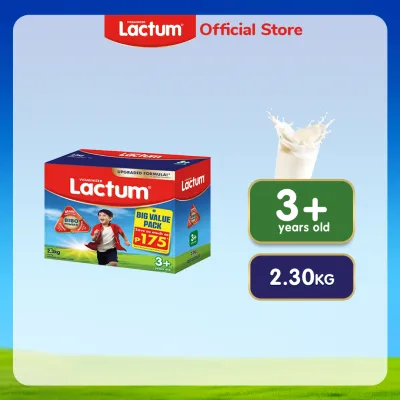
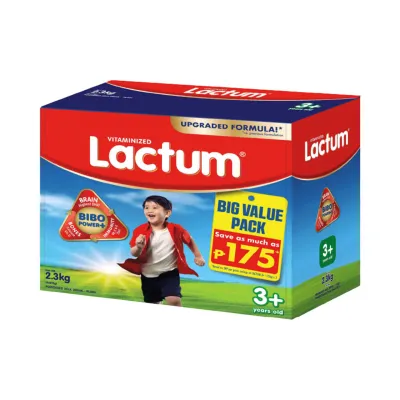
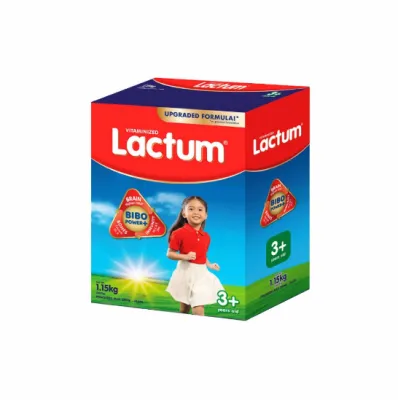
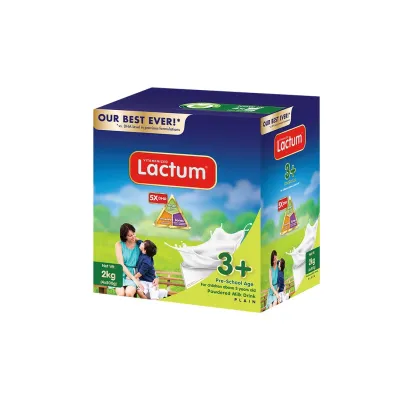
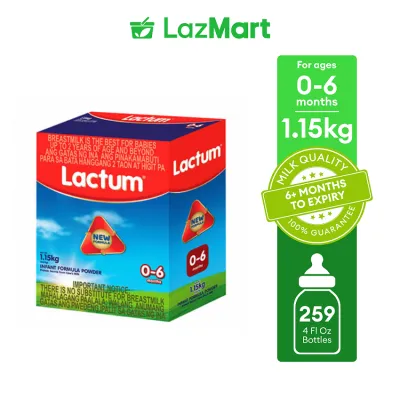
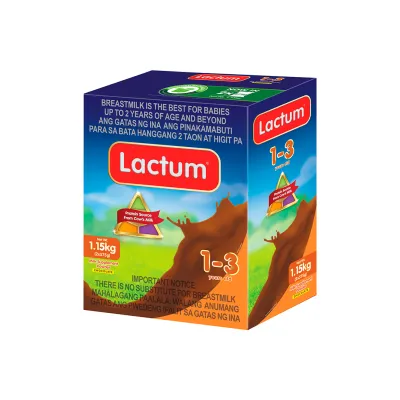
Prices are valid at publication and may change. Please refer to the product page for the latest price.
Quick Guide: Which Formula Brand Fits Your Child Best?
To help you navigate these choices, it helps to understand how each brand positions itself to meet specific parenting needs. If your primary goal is to find a reliable, everyday growing-up milk that provides essential vitamins and minerals without straining your monthly budget, Lactum and Nido are excellent starting points. Lactum focuses on providing complete nutrition to help support physical growth and prevent nutrient deficiencies, while Nido emphasizes bone health and immune support for active, older toddlers.
If you are caring for a younger infant or a toddler with a sensitive stomach, NAN is designed to address these specific needs. Its focus on optimized proteins and active probiotics helps ease digestion and promote healthy stool consistency, which can be a relief for parents dealing with colic or constipation. Conversely, if your budget allows for a premium option and you want to prioritize ingredients clinically shown to support brain development and cognitive milestones, Enfagrow offers some of the most advanced nutrient profiles available.
Remember that your child’s unique digestive system is the ultimate deciding factor. A formula that works wonderfully for one child might cause gas or fussiness in another, regardless of the price tag or brand reputation. Always monitor how your child reacts to a specific milk, and be prepared to seek professional medical advice if you notice persistent signs of discomfort or allergic reactions.
Age Stage Coverage: Infant Formula vs. Growing-Up Milk
Understanding the distinction between infant formula and growing-up milk is crucial for your child’s safety and nutritional health. Infant formulas, designed for babies from birth to 12 months, are highly regulated products formulated to serve as a sole source of nutrition when breastfeeding is not possible. Growing-up milks, designed for toddlers aged one year and older, are formulated to complement a solid food diet, helping to fill nutritional gaps as children transition to family meals.

Among these, NAN stands out for its comprehensive coverage of all developmental stages in the Philippines. Nestlé’s NAN line includes Stage 1 (for infants 0 to 6 months), Stage 2 (for infants 6 to 12 months), Stage 3 (for toddlers 1 to 3 years), and Stage 4 (for children 3 years and older). Because NAN spans both infant and toddler ranges, parents must pay close attention to the stage numbers on the packaging to ensure they purchase the correct formula for their baby’s age.
In contrast, Lactum, Nido, and Enfagrow are most famous in the Philippine market for their growing-up milk lines, which are strictly intended for children aged one year and older. Lactum offers Stage 3 (for 1 to 3 years) and Stage 6+ (for older children), while Nido is popular for its Nido 1+ and Nido 3+ formulations. Enfagrow provides Enfagrow A+ Four, which is specifically designed for children aged three years and older. These milks are enriched with nutrients suited for active toddlers but do not contain the precise nutrient balance required to sustain a young infant.
Parents should strictly adhere to the age and weight guidelines printed on the product labels. Introducing growing-up milk or regular cow’s milk to an infant under 12 months can strain their immature kidneys and digestive systems, and fail to provide the essential nutrients they need to survive and thrive. Always consult your pediatrician before transitioning your child to a new stage of formula or introducing supplemental milk to their diet.
Nutritional Focus: Comparing Lactum, Nido, NAN, and Enfagrow Key Ingredients
When comparing these brands, looking past the packaging and examining the nutrition facts panel is essential. Each brand utilizes a unique combination of proteins, prebiotics, and vitamins designed to target specific developmental areas.
Lactum’s Foundational Nutrition Lactum is formulated to provide nourishment when combined with three balanced meals a day. Its ingredient profile focuses on foundational growth and immune support, featuring essential vitamins and minerals such as Vitamin C, Zinc, Iron, and Calcium. Additionally, Lactum contains DHA (Docosahexaenoic Acid) and MFGM (Milk Fat Globule Membrane), which support cognitive function and behavioral regulation. This balanced approach ensures that toddlers receive the necessary nutrients to prevent common deficiencies during picky-eating phases.
Nido’s Bone and Immune Support Nido is highly regarded for its focus on physical growth and bone development, particularly through its Fortigrow nutrient blend. This formulation is rich in Calcium, Vitamin D, and Phosphorus, which are critical for building strong bones and teeth. Nido also incorporates prebiotics, such as soluble fiber, which help support a healthy digestive tract and improve nutrient absorption. For older toddlers, Nido provides a robust, milk-rich taste that appeals to children transitioning from younger formulas.
NAN’s Digestive Comfort and Optimized Proteins NAN is scientifically formulated to support digestive health and ease stomach discomfort. A key feature of NAN formulas is OPTIPRO, an optimized protein blend designed to deliver high-quality proteins necessary for growth without overloading developing metabolic systems. Furthermore, NAN is fortified with active probiotics, specifically Bifidobacterium lactis (B. lactis), which help maintain a balanced gut microbiome and promote soft, regular stools, making it an excellent choice for children prone to gas or constipation.
Enfagrow’s Cognitive and Immune Excellence Enfagrow positions itself as a premium brand with a strong focus on brain development and immune protection. It features MFGM Pro, which works synergistically with high levels of DHA to support rapid brain cell connections. Enfagrow also includes a proprietary blend of prebiotics (such as PDX and GOS) and essential antioxidants (Vitamins A, C, and E) designed to strengthen natural defenses in the respiratory and gastrointestinal tracts, helping active toddlers stay healthy as they explore.
To make an informed decision, parents should weigh these nutritional profiles against their child’s daily habits. If your toddler is a picky eater who needs broad nutritional support, Lactum or Nido can help fill those dietary gaps. If your child struggles with frequent tummy aches, the digestive support of NAN may be highly beneficial. For parents prioritizing cognitive development and advanced immune support, Enfagrow’s premium ingredients offer targeted benefits. Always check the labels for added sugars or flavorings, especially in milks designed for older children, to ensure you are comfortable with the nutritional content.
Pricing and Value: Budgeting for Daily Milk Consumption
Managing the cost of formula milk is a practical reality for every household in the Philippines. Because milk is a daily necessity, small differences in price add over weeks and months. Understanding where each brand sits on the pricing spectrum can help you establish a sustainable budget without compromising on nutritional needs.
Lactum and Nido are highly accessible, mid-range to budget-friendly options widely distributed in supermarkets, local drugstores, and neighborhood stores. NAN and Enfagrow, by contrast, are premium brands. Their higher price points reflect specialized manufacturing processes, advanced ingredient research, and the inclusion of proprietary nutrient blends like OPTIPRO and MFGM Pro.
To compare these brands accurately, calculate the cost per 100 grams or cost per serving instead of looking only at the retail price. Divide the total price of the package by its weight in grams, then multiply by 100. Often, purchasing a larger tin size or bulk pack results in a lower cost per gram than buying smaller boxes. Additionally, check the preparation instructions on the pack; some brands require more scoops per serving, which directly affects how long a package lasts.
Here are some practical tips to help you budget for your child’s milk consumption:
- Buy in Bulk: Look for bundle deals or larger packaging formats during monthly sales events on major online marketplaces.
- Opt for Refill Pouches: Many brands offer cardboard boxes containing sealed foil pouches. These are generally cheaper than metal tins. You can transfer the sealed foil pouch into a clean, dry, airtight container at home to maintain freshness.
- Shop Official Stores: When buying online, always purchase from official brand flagship stores or authorized distributors to guarantee product authenticity and take advantage of exclusive store vouchers.
Remember that a higher price tag does not automatically mean a formula is superior for your specific child. The most valuable formula is one that meets your child’s nutritional requirements, is easily digested without causing discomfort, and fits comfortably within your family’s monthly budget.
Final Decision Framework: Matching Brand to Your Child's Needs
To help you make the final choice, match each brand’s specific strengths to your child’s developmental stage, digestive health, and your household budget.
Choose Lactum if:
- Your child is a toddler (1 year or older) with no specific digestive sensitivities.
- You want a reliable growing-up milk providing solid foundational nutrition, including essential vitamins, minerals, and DHA.
- You prefer a mid-range, budget-friendly option that balances cost and nutrition.
Choose Nido if:
- Your child is an active toddler or preschooler (1 to 3+ years old) needing support for physical growth and bone development.
- You want an accessible, cost-effective milk fortified with Calcium, Vitamin D, and prebiotics.
- Your child prefers a rich, creamy, milk-forward taste that appeals to picky eaters.
Choose NAN if:
- You need a brand covering all stages, including infant formula (0-12 months).
- Your child has a sensitive stomach and experiences frequent gas, colic, or irregular stools.
- You want a formula with optimized proteins (OPTIPRO) and active probiotics, and have a flexible budget.
Choose Enfagrow if:
- Your child is a toddler and you want to prioritize advanced cognitive and immune support.
- You want premium ingredients like MFGM Pro, high levels of DHA, and specialized prebiotic blends.
- Your household budget comfortably accommodates a premium-priced formula.
Before purchasing any standard formula, verify if your child has a history of cow’s milk protein allergy (CMPA), lactose intolerance, or severe reflux. Standard formulas from these brands are made from cow’s milk and are not suitable for children with these conditions. If your child shows signs of an allergy or intolerance, consult your pediatrician for specialized hypoallergenic or lactose-free formulas.
Once you introduce a new formula, monitor your child closely for at least two weeks. Pay attention to stool consistency, skin condition, weight gain, and behavior. If you observe adverse reactions like persistent diarrhea, rashes, vomiting, or extreme fussiness, stop use immediately and consult your doctor.
Frequently Asked Questions (FAQ)
Can I mix two different formula brands in one bottle?
No, you should never mix different formula brands or different stages of formula in the same bottle. Each brand and stage is formulated with a precise balance of proteins, fats, carbohydrates, and minerals. Mixing formulas alters this balance, which can change the osmolarity of the feed, strain your baby’s developing kidneys, or cause digestive distress like diarrhea or constipation. Furthermore, if your child experiences an allergic reaction, mixing brands makes it impossible to identify which product caused the issue. If you need to transition your child to a new brand, do so gradually over several days by replacing one full feed at a time.
How do I know if my child needs to switch to a different formula brand?
While minor gas or occasional fussiness is normal as a child’s digestive system matures, persistent physical symptoms may indicate that their current formula is not agreeing with them. Watch for clear signals such as chronic diarrhea, severe constipation, excessive painful gas, unexplained skin rashes, frequent vomiting, or poor weight gain. If you observe these symptoms, do not self-diagnose or randomly switch brands. Stop using the current milk and consult your pediatrician immediately. They can help determine whether the symptoms are a normal developmental phase or require a specialized diet.
Is it safe to buy formula milk from online e-commerce platforms?
Yes, purchasing formula milk online is safe, provided you buy exclusively from official brand flagship stores, authorized major supermarket chains, or verified mall sellers on reputable online marketplaces. Avoid buying from unverified third-party sellers offering unusually low prices, as these products may be counterfeit, expired, or stored in hot, humid conditions that degrade nutritional quality. When your order arrives, inspect the package thoroughly. Ensure the security seal is intact, check that the expiration date is well into the future, and verify the batch code with the manufacturer if you have any doubts.

Community discussion
Share your experience or ask a question. Comments are reviewed before publication.