
Quick Answer: Is There a Single "Best" Formula?
Choosing the right milk for your growing toddler can feel overwhelming when standing in the supermarket aisle or browsing online marketplaces in the Philippines. With prominent options like Lactum, Nido, NAN, and Enfagrow, parents often look for a single, definitive “best” option. However, there is no universally superior formula milk for all toddlers aged 1 to 3 years old. The optimal choice depends entirely on your child’s unique dietary gaps, digestive tolerance, and specific developmental needs, always guided by your pediatrician’s advice.
Because a toddler’s primary source of nutrition should transition to solid foods, formula milk serves as a dietary supplement rather than a complete meal replacement. The right formula is the one that complements what your child eats daily. For instance, a toddler who is a picky eater may require a different nutritional profile than one who happily consumes a wide variety of meats, vegetables, and fish. Additionally, manufacturers frequently update their formulations and sub-variants, making it essential to read the actual product labels rather than relying solely on brand reputation.
Key Nutritional Dimensions to Compare on the Label
When comparing toddler formulas, the Nutrition Facts panel and the ingredient list on the back of the tin are your most reliable tools. Instead of relying on front-of-pack marketing claims, parents should learn to evaluate several critical nutritional dimensions to make an informed decision.
Products mentioned in this guide
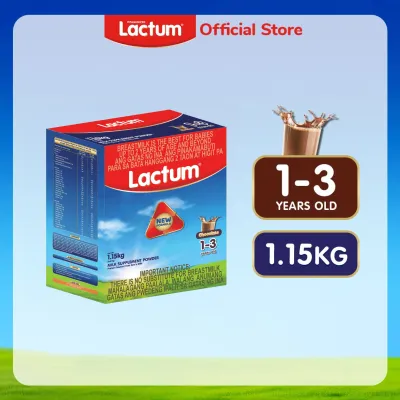

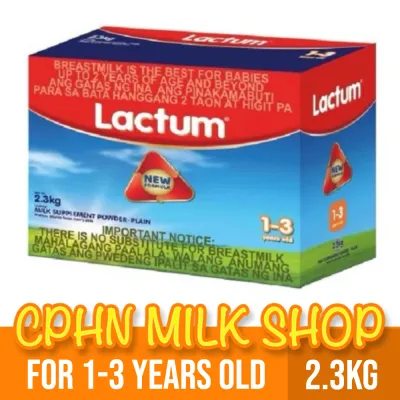


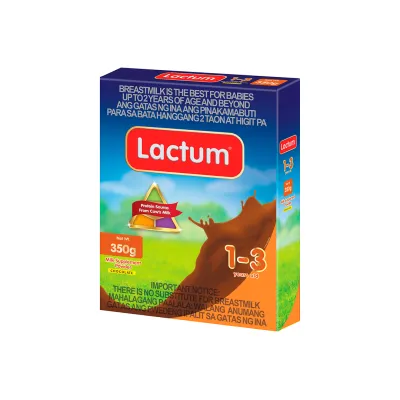
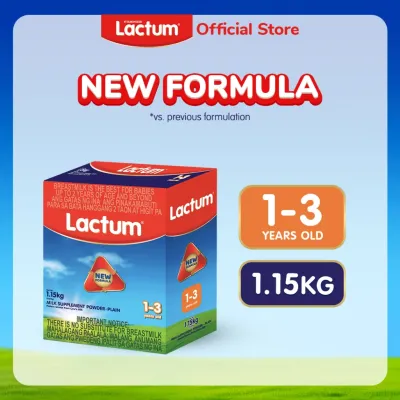
Prices are valid at publication and may change. Please refer to the product page for the latest price.

Macronutrients and Milk Base
Start by looking at the protein and fat sources listed in the ingredients. Some formulas use a whole milk base, which naturally retains milk fat and provides a rich, creamy taste that many toddlers prefer. Others utilize a skimmed milk base or a blend of vegetable oils to achieve a specific fat profile. Check the total protein content per serving to ensure it aligns with your child’s daily needs, especially if they are already consuming protein-rich solid foods like eggs, chicken, or tofu.
Brain and Eye Support
Cognitive development is a major focus during the active toddler years. When reviewing the label, look for declarations of Docosahexaenoic Acid (DHA), Arachidonic Acid (ARA), and Lutein. These compounds are typically measured in milligrams per serving. Compare these values across different brands to see which one offers a higher concentration if your child does not regularly consume DHA-rich foods like fatty fish.
Immunity and Bone Health
In a tropical climate like the Philippines, supporting a toddler’s immune system is a top priority for parents. Examine the levels of Iron, Zinc, Vitamin C, and Vitamin D on the label. Iron and Zinc are crucial for cognitive function and immune defense, while Calcium and Vitamin D work together to support strong bone development. Note the percentage of the Recommended Energy and Nutrient Intakes (RENI) that each serving provides to understand how much of your child’s daily requirement is met by the milk.
Digestive Aids
A toddler’s digestive system is still maturing, which can sometimes lead to tummy discomfort or irregular bowel movements. Look at the ingredient list for prebiotics, such as Fructooligosaccharides (FOS) and Galactooligosaccharides (GOS), which serve as food for beneficial gut bacteria. Some specialized formulas also include active probiotics, which are live beneficial microorganisms. These are usually listed by their specific strain names, such as Lactobacillus rhamnosus or Bifidobacterium lactis.
Understanding the General Focus of Each Brand
While every brand offers a mix of essential vitamins and minerals, each manufacturer tends to design its formulation around a specific developmental or nutritional focus. Understanding these general directions helps you narrow down which label to study closely.
Lactum: Comprehensive Growth and Picky Eating
Lactum is widely recognized for its focus on comprehensive growth and addressing the nutritional gaps of picky eaters. Its formulations are typically designed to provide a broad spectrum of essential nutrients, often marketed as a “complete” nutritional partner. When examining a Lactum package, you will generally find a balanced blend of vitamins and minerals aimed at supporting physical growth, weight gain, and general immunity, making it a common choice for parents whose toddlers are hesitant to eat diverse solid foods.
Nido: Foundational Nutrition and Whole Milk Taste
Nido is often favored for its rich, whole-milk taste and foundational nutrition. It is designed to transition toddlers from breast milk or infant formula to family milk. Many Nido variants focus on basic fortification, ensuring that toddlers receive adequate Calcium, Vitamin D, and Zinc alongside the natural fats found in whole milk. It is highly palatable and serves as an excellent, cost-effective option for toddlers who already eat a well-balanced solid diet and do not require highly specialized nutritional support.
NAN: Digestive Comfort and Gut Health
NAN formulas are highly regarded for their emphasis on digestive comfort and gut health. The brand frequently incorporates advanced protein technologies, such as partially hydrolyzed proteins, which are broken down into smaller pieces to make them easier for sensitive tummies to digest. Additionally, NAN labels often highlight specific probiotic strains and prebiotic fibers aimed at maintaining a healthy gut flora, reducing the likelihood of constipation, colic, or loose stools.
Enfagrow: Cognitive and Brain Development
Enfagrow places a heavy emphasis on cognitive development and brain support. Its marketing and formulations are centered around high levels of DHA, an omega-3 fatty acid crucial for brain and eye development. When comparing Enfagrow to other brands, parents often look at the specific milligram count of DHA and other supporting nutrients like Choline and Iron. It is positioned as a premium option for parents who want to prioritize cognitive milestones during these critical early years.
Note: These descriptions represent the general positioning of each brand. Because manufacturers regularly introduce sub-variants—such as organic options, lactose-free versions, or specialized comfort lines—it is vital to verify the exact ingredients and nutritional values on the specific tin you purchase.
Decision Framework: Matching the Formula to Your Toddler
To choose the right formula, you must assess your toddler’s current health status, daily diet, and physical comfort. Use this structured framework to match your child’s needs to the appropriate product profile.
Assess the Solid Diet First
Before selecting a milk, keep a food diary for a few days. If your toddler eats a wide variety of fruits, vegetables, meats, and fish, their micronutrient needs are likely well-met by their meals. In this scenario, a foundational whole-milk formula like Nido can provide the necessary calcium and hydration without unnecessary additives. Conversely, if your child refuses solid foods or has a very limited diet, a comprehensive formula like Lactum can help bridge the nutritional gaps.
Evaluate Cognitive Support Needs
If your family rarely eats seafood or other sources of healthy fats, your toddler might not get enough DHA from solid foods alone. In this case, prioritizing a formula with a higher DHA content, such as certain Enfagrow variants, can help support their brain development during this rapid growth phase.
Monitor Digestive Comfort
Observe your toddler’s bowel movements and general comfort after feeding. If they frequently suffer from hard stools, bloating, or excessive gas, they may benefit from a formula designed specifically for digestive comfort, such as NAN. Look for options containing prebiotics or probiotics, and consult your pediatrician about whether a partially hydrolyzed protein formula is appropriate.
Identify Medical and Allergen Constraints
Never ignore potential sensitivities. If your toddler has a diagnosed cow’s milk protein allergy, lactose intolerance, or any other medical condition, standard formulas will not be suitable. You must consult a pediatrician to obtain a prescription for specialized hypoallergenic, soy-based, or lactose-free formulas.
Safety, Transitioning, and Pediatric Guidance
Introducing a new formula milk or switching between brands requires care to avoid upsetting your toddler’s digestive system. Because the tropical heat and humidity in the Philippines can accelerate bacterial growth, safe preparation and storage are equally critical.
The Gradual Transition Method
When switching brands, do not make the change abruptly. A gradual transition allows your toddler’s digestive enzymes and taste buds to adapt. Start by mixing the old and new formulas in a single bottle, gradually increasing the proportion of the new formula over a period of five to seven days. For example, start with 75% of the old formula and 25% of the new, moving to a 50/50 mix after two days, and so on, until the transition is complete.
Observable Signs of Intolerance
During the transition, closely monitor your child for any adverse reactions. Watch for signs of intolerance, which may include:
- Persistent diarrhea or unusually loose, watery stools
- Severe constipation or straining during bowel movements
- Unexplained skin rashes, hives, or eczema flare-ups
- Excessive fussiness, crying, or vomiting shortly after feeding
When to Seek Professional Help
If you observe any of these signs of intolerance, stop using the new formula immediately and consult your pediatrician. Additionally, always seek professional medical advice before switching to a specialized or therapeutic formula. Remember that formula milk for children aged 1 to 3 is a dietary supplement; it should never displace solid meals or be used to self-diagnose nutritional deficiencies.
Safe Storage in Humid Climates
Always store opened formula tins in a cool, dry place, but never in the refrigerator, as the moisture can cause the powder to clump and spoil. Ensure the lid is tightly sealed after every use to protect the powder from humidity and pests.
Frequently Asked Questions (FAQ)
Can I mix two different brands of formula milk together?
Mixing two different brands of formula milk in the same bottle on a long-term basis is generally not recommended. Each brand has a specific scoop size and reconstitution ratio designed to deliver a precise balance of nutrients and water. Mixing them arbitrarily can lead to over-concentration or dilution, which may strain your toddler’s kidneys or cause digestive issues. However, mixing is acceptable as a temporary measure when gradually transitioning your child from one brand to another over a few days.
How many servings of formula milk should a 1-3 year old drink daily?
For toddlers aged 1 to 3 years old, the general recommendation is typically two to three servings of milk per day, totaling around 360 to 480 milliliters. It is crucial to check the feeding guide on your specific product label and consult your pediatrician for personalized advice. Consuming excessive amounts of milk can fill up your toddler’s small stomach, leaving little room or appetite for the solid foods that should now form the bulk of their daily nutrition.
Does a higher price mean better nutrition for toddler formula?
A higher price tag in ₱ does not automatically guarantee better nutrition or superior suitability for your specific child. Premium pricing often reflects patented ingredient blends, specialized manufacturing processes, or imported sourcing. While these advanced formulations can be highly beneficial for specific needs, a more affordably priced formula may provide excellent, complete nutrition if it aligns well with your toddler’s solid diet and digestive tolerance. Focus on the ingredient list and nutritional values rather than the price tag.

Community discussion
Share your experience or ask a question. Comments are reviewed before publication.