
Choosing the right toddler formula for your child between the ages of 1 and 3 can feel overwhelming when standing in the milk aisle of a local supermarket. With prominent options like Lactum, Nido, NAN, and Enfagrow lining the shelves, parents often wonder which brand truly delivers the best value and nutritional support. There is no single “best” toddler formula for every child; the ideal choice depends on your toddler’s digestive tolerance, specific nutritional gaps, taste preferences, and your family’s budget. Rather than relying on marketing claims, the most reliable approach is to compare the actual nutrition labels, observe how your child responds, and consult a pediatrician to ensure the formula aligns with your toddler’s individual developmental needs.
In the Philippines, the warm tropical climate and local dietary patterns also play a role in how parents select and store milk. Ensuring your child receives adequate hydration and nutrition while preventing spoilage requires a practical understanding of what goes into each glass. By looking past the colorful packaging and focusing on the ingredient list, you can make an informed decision that supports your child’s growth during these critical formative years.
Understanding Your Toddler's Nutritional Needs (1 to 3 Years)
During the toddler years, your child undergoes rapid physical and cognitive development. This stage is marked by a transition from a primary liquid diet of breastmilk or infant formula to solid foods. As toddlers explore new textures and flavors, their appetite can fluctuate significantly, sometimes leading to picky eating habits. It is important to remember that toddler formula is designed as a nutritional supplement to fill potential gaps, rather than a complete replacement for balanced, solid meals.
Products mentioned in this guide

Prices are valid at publication and may change. Please refer to the product page for the latest price.
To support this growth spurt, toddlers require a steady intake of macronutrients alongside key micronutrients such as iron, calcium, vitamin D, and zinc. Iron is crucial for healthy brain development and preventing anemia, while calcium and vitamin D work together to build strong bones and teeth. Because local dietary habits do not always guarantee a perfect balance of these nutrients daily, fortified toddler milks can serve as a practical safety net.
Before introducing or changing any toddler formula, a professional medical assessment is highly recommended. A pediatrician can evaluate your child’s growth chart, identify specific nutritional deficiencies, and recommend a formula type that matches their digestive capacity. This step is especially critical if your toddler shows signs of food sensitivities, persistent digestive issues, or slow weight gain.
Comparing the Major Toddler Formula Brands
The Philippine market offers several established toddler milk brands, each positioned to address different parental priorities and child profiles. Understanding the general characteristics of Lactum, Nido, NAN, and Enfagrow helps narrow down the choices before you examine the fine print on the nutrition facts panel.

Lactum (1 to 3 Years)
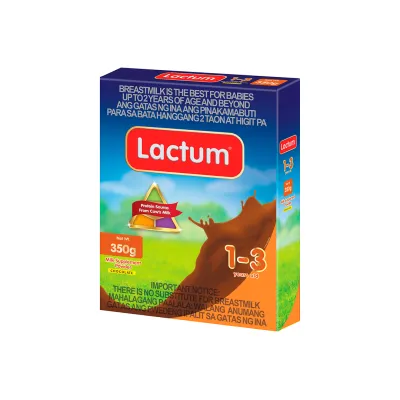
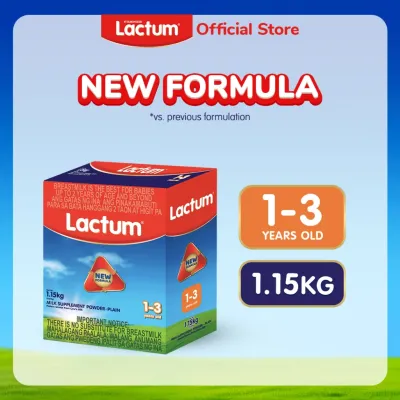
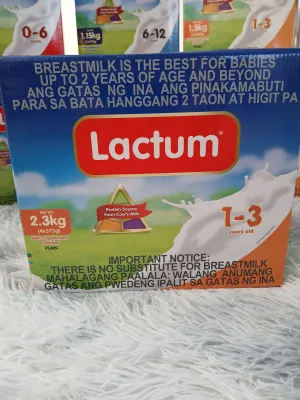
Lactum is widely recognized for its focus on providing essential nutrients to support overall growth and development. When researching options online, parents often search for terms like “lactun 1 to 3” to find information on Lactum 1-3, which is popular for its accessibility and targeted nutritional profile. This brand is commonly positioned as a daily supplement to help address the nutritional gaps of picky eaters.
When evaluating Lactum, parents should verify the specific levels of vitamins and minerals listed on the current packaging. The formula is designed to mix easily in warm water, making preparation straightforward during busy mornings. Many parents find that its taste profile is readily accepted by toddlers who may otherwise resist plain milk, though it is always wise to check the label for the types of carbohydrates and sugars used to achieve this flavor.
Nido (Toddler Stage)
Nido is a household name that offers various milk products, making it crucial for parents to perform a careful label check. There is a distinct difference between standard full-cream powdered milk and specifically fortified toddler formulas like Nido 3+. Standard powdered milk may not contain the specialized levels of iron, zinc, and vitamins required by growing toddlers, whereas the toddler-specific variants are formulated to support this developmental stage.
Nido’s toddler formulations are generally designed to complement a diet that already includes a reasonable variety of solid foods. They offer a cost-effective option for families transitioning their children toward regular milk drinks. When choosing Nido, verify that the product package explicitly states it is formulated for children aged 1 to 3 years to ensure your child receives the intended fortification.
NAN (Toddler Formula)
NAN toddler formulas are often positioned in the premium segment, with a strong emphasis on digestive comfort and gut health. Parents typically consider this brand when they are looking for options that are gentle on a toddler’s developing stomach. The brand frequently highlights its protein processing technologies and the inclusion of specific active cultures or prebiotics on its packaging.
If your child has a history of mild digestive discomfort, gas, or irregular bowel movements, NAN is a common starting point for discussions with your pediatrician. The protein structure in these formulas is designed to be easily digestible. However, because digestive health is highly individual, you must verify the specific ingredients on the label and seek medical advice to confirm if this formulation suits your child’s stomach.
Enfagrow (Toddler Stage)
Enfagrow is another premium option that is heavily marketed around cognitive development and brain nutrition. The brand frequently highlights its inclusion of docosahexaenoic acid (DHA), an omega-3 fatty acid that plays a key role in brain and eye development. Parents who prioritize specific brain-development nutrients often gravitate toward this brand.
When looking at Enfagrow, it is beneficial to check the exact milligrams of DHA per serving on the nutrition facts panel to compare it with other brands. The formula typically features a distinct taste profile that appeals to toddlers. Because premium formulas represent a higher ongoing investment, verifying the nutritional density per serving helps you determine if the specific nutrient levels justify the price point for your family.
Key Dimensions to Check on the Nutrition Label
To make an objective comparison, you must look past front-of-pack marketing claims and analyze the nutrition facts panel and ingredient list. Start by comparing the protein, fat, and carbohydrate content per serving. Be sure to calculate these values based on the recommended mixing ratio, as serving sizes and scoop weights vary between brands.
Next, examine the ingredient list closely for added sugars. Ingredients are listed in descending order of weight, so if sugars like sucrose, corn syrup solids, maltodextrin, or fructose appear near the top of the list, the formula may have a sweeter profile. Opting for formulas with lower added sugars helps prevent a preference for overly sweet drinks and supports long-term dental health.
Verify the actual amounts of essential micronutrients per serving, focusing on iron, zinc, calcium, and vitamin D. A high-quality toddler formula should provide a meaningful percentage of the daily recommended intake for these nutrients in the Philippines. If your child is a picky eater, higher levels of iron and zinc on the label can be a deciding factor.
Finally, calculate the cost per serving in ₱ to assess long-term budget sustainability. To do this, divide the retail price of the tin by the total number of servings yielded by the package weight. Since toddler formula is consumed daily, a slightly lower cost per serving can lead to significant savings over several months, allowing you to balance nutritional quality with your household budget.
Decision Framework: Which Formula Fits Your Child?
To simplify your decision, you can match your child’s specific profile and your family’s circumstances to the general strengths of each brand:
- Choose Lactum if you are looking for a widely available, accessible daily supplement to support a picky eater, provided your child enjoys its taste and you are satisfied with its nutrient-to-sugar ratio.
- Choose Nido if your child is eating a relatively balanced diet of solid foods and you want a cost-effective, fortified milk option, making sure to purchase the specific toddler variant rather than standard full-cream milk.
- Choose NAN if your toddler has a sensitive stomach or experiences mild digestive issues, and your pediatrician agrees that a formula focused on digestive comfort is appropriate.
- Choose Enfagrow if you want to prioritize specific levels of DHA and other cognitive-support nutrients, and your budget comfortably accommodates a premium formula over the long term.
Regardless of which brand seems to fit best on paper, always prioritize a pediatrician’s recommendation. If your child has a history of food allergies, lactose intolerance, or specific medical conditions, a specialized or hypoallergenic formula may be required instead of standard commercial toddler milks.
Practical Tips for Transitioning and Feeding
When introducing a new toddler formula, a gradual transition is the best way to prevent digestive upset and help your child adjust to the new taste. Start by mixing a small portion of the new formula powder with the old formula or breastmilk, slowly increasing the proportion of the new brand over a week. For example, begin with a ratio of 25% new formula and 75% old formula for the first few days, then move to a 50/50 mix, and eventually to 100% of the new formula.
During this transition period, closely monitor your child for any observable signs of digestive discomfort or allergic reactions. Watch for symptoms such as unusual bloating, excessive gas, skin rashes, vomiting, or sudden changes in stool consistency like diarrhea or severe constipation. If you observe any of these signs, stop using the new formula immediately and consult your pediatrician.
In the hot and humid climate of the Philippines, proper storage is essential to maintain formula safety. Keep the formula tin tightly sealed in a cool, dry place away from direct sunlight, and never store it in the refrigerator as the moisture can cause clumping and bacterial growth. Always use a completely dry scoop, and ensure that prepared bottles are consumed promptly to prevent spoilage.
Frequently Asked Questions (FAQ)
Can I mix different brands of toddler formula in the same bottle?
Mixing different brands of toddler formula in the same bottle is generally not recommended. Each brand has a specific formulation and scoop size designed to deliver a precise balance of nutrients and water. Combining them can alter the intended nutrient concentration, potentially causing digestive strain, constipation, or dehydration. If you need to transition your child to a new brand, it is safer to do so gradually by offering separate feeds of each formula or consulting your pediatrician for a structured transition plan.
How long can a prepared toddler formula sit at room temperature?
In the warm and humid climate of the Philippines, prepared toddler formula should not sit at room temperature for more than one hour. Bacteria thrive in warm, moist environments, and milk provides an ideal breeding ground for harmful pathogens. If your child does not finish a bottle within one hour of the start of a feeding, discard the remaining milk immediately to prevent foodborne illness. Unused, freshly prepared formula can be stored in a sealed container in the back of the refrigerator for up to 24 hours.
Is toddler formula necessary if my child eats a balanced diet?
Toddler formula is not strictly necessary if your child is growing well and consuming a diverse, balanced diet of solid foods. If your toddler regularly eats fruits, vegetables, proteins, and iron-rich foods, and drinks water or pasteurized whole milk, they may already be meeting their nutritional requirements. However, because many toddlers go through phases of picky eating, formula can serve as a helpful nutritional safety net. Consult your pediatrician to assess whether your child’s solid food intake is sufficient or if continued supplementation is beneficial.

Community discussion
Share your experience or ask a question. Comments are reviewed before publication.