
Choosing the right toddler formula for your child between the ages of 1 and 3 is a highly individual decision. In the Philippines, parents are often faced with a wide array of options on supermarket shelves, with Lactum, Nido, Enfagrow, and NAN being among the most prominent brands. The ideal choice depends on your toddler’s unique digestive tolerance, nutritional needs, taste preferences, and your household budget. Rather than looking for a single universal winner, the goal is to find the formulation that aligns best with your child’s daily diet and physical development.
How to Evaluate Toddler Formulas for 1 to 3 Year Olds
By the time a child reaches one year of age, solid foods should become their primary source of nutrition. Toddler formula is designed to act as a dietary supplement rather than a complete meal replacement. It serves as a nutritional safety net, helping to fill potential gaps in a toddler’s diet during a developmental stage often characterized by picky eating and rapid growth.
When evaluating different brands, the nutrition facts panel on the packaging is your most reliable tool. Key micronutrients to check include iron, which supports cognitive development and helps prevent anemia, as well as calcium and vitamin D, which are essential for building strong bones and teeth. Additionally, look for essential fatty acids like DHA, which play a role in brain development.
Products mentioned in this guide
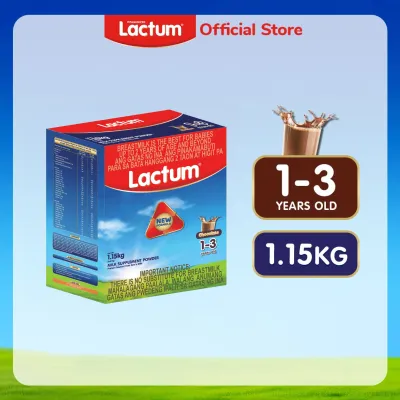
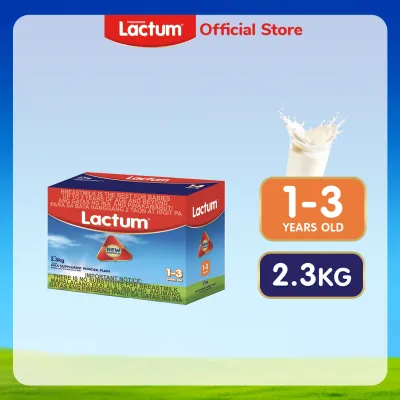
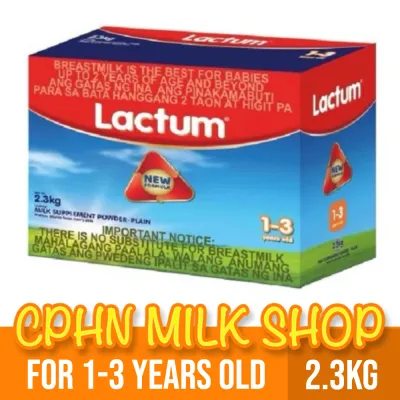
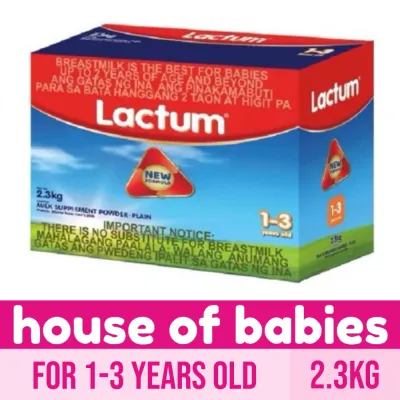
Prices are valid at publication and may change. Please refer to the product page for the latest price.
Beyond the numbers on the label, your child’s physical response is the ultimate test of suitability. A formula must be easily digested by your toddler and accepted in terms of taste and texture. Observing your child’s daily comfort, energy levels, and stool consistency will provide the most accurate feedback on whether a specific formulation is a good match.
Brand Profiles: Lactum, Nido, Enfagrow, and NAN
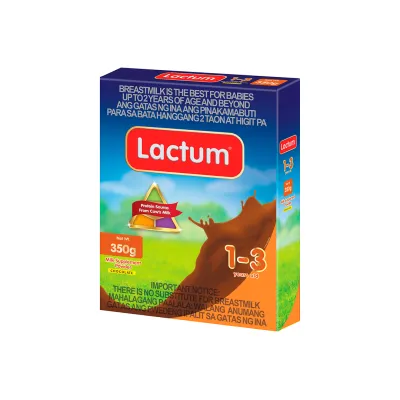
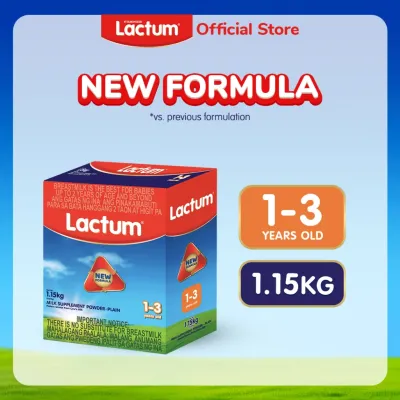
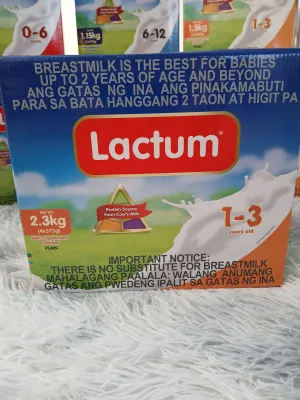
Lactum is widely recognized in the local market as a practical option for general growth support. Its packaging typically highlights essential vitamins and minerals, such as vitamin C, zinc, and iron, aimed at addressing common nutritional gaps. It is formulated to provide everyday nutritional support for toddlers who do not require specialized digestive care.

Nido is a popular choice for parents transitioning their toddlers from breast milk or infant formula. It is known for its rich, creamy taste profile, which many young children accept easily. Many Nido variants are based on whole milk powder, making them versatile options that can also be used in light family recipes, oatmeal, or smoothies alongside daily drinking.
Enfagrow positions itself in the premium segment, with marketing and formulations that focus heavily on brain development and cognitive support. When examining the ingredient list, you will find specific nutrient blends that emphasize high levels of DHA, ARA, and other micronutrients. It is often selected by parents who wish to prioritize targeted cognitive-support ingredients.
NAN is formulated with a strong emphasis on digestive comfort and easy absorption. Its product line often features specific protein structures, such as partially hydrolyzed proteins, alongside active probiotics and prebiotics. This brand is frequently considered for toddlers who have slightly sensitive digestive systems or are prone to mild stomach discomfort.
Key Comparison Dimensions for Your Toddler
To compare these brands effectively, start by analyzing their nutritional focus directly on the product labels. Because serving sizes and scoop dimensions vary across brands, the most accurate way to compare nutrients is to look at the values per 100 grams of powder or per 100 milliliters of prepared milk. Pay close attention to the sugar content, as some brands may use different types of carbohydrates or sweeteners to enhance flavor.
Digestibility is another critical dimension that requires close observation. After introducing a formula, monitor your toddler for physical signs of tolerance. Healthy digestion is characterized by soft, formed stools, normal bowel frequency, and minimal gas. If you notice persistent hard stools, excessive flatulence, frequent spitting up, or unexplained skin reactions, the formulation may not be fully compatible with your child’s digestive system.
Cost and preparation are practical daily considerations for Filipino households. To calculate the true cost, divide the retail price of the package in ₱ by the total number of servings it yields, rather than comparing the shelf price alone. Additionally, consider how easily the powder dissolves; in the humid tropical climate of the Philippines, some formulations may clump more easily than others, requiring careful storage and thorough mixing in warm water.
Decision Framework: Which Formula Fits Your Child?
Choose Lactum if you are looking for an accessible, everyday nutritional supplement that fits a standard household budget. It is highly suitable for toddlers who tolerate standard milk formulations well and eat a reasonably diverse diet of solid foods.
Choose Nido if your toddler is highly sensitive to taste and prefers a rich, creamy flavor profile. It is also an excellent option if you prefer a versatile whole milk powder variant that can be easily integrated into both drinking cups and simple family meals.
Choose Enfagrow if your primary goal is to prioritize specific nutrient blends, particularly those highlighting DHA and cognitive development, and your budget comfortably accommodates a premium brand. Ensure your child accepts the specific taste and texture of this formulation.
Choose NAN if your toddler has a sensitive stomach and you want to focus on digestive comfort through specialized protein structures and probiotics. Always verify the specific ingredients on the label to ensure they align with your child’s digestive needs.
Verify first if your child has a diagnosed cow’s milk protein allergy, severe lactose intolerance, or any other medical condition. Standard toddler formulas are not suitable for these situations. If you suspect an allergy or intolerance, stop use immediately and consult a pediatrician for specialized, hypoallergenic, or lactose-free alternatives.
Practical Tips for Transitioning and Feeding
When switching your toddler to a new formula brand, avoid making the change abruptly. A gradual transition method over five to seven days allows your child’s digestive system and taste buds to adapt. Start by mixing 75% of the old formula with 25% of the new formula for the first two days, then move to a 50:50 ratio for the next two days, followed by a 25:75 ratio, before serving the new formula exclusively.
During this transition period, monitor your child closely for any adverse reactions. Clear stop-conditions that require immediate cessation of the formula and a consultation with a healthcare professional include persistent diarrhea, vomiting, severe abdominal pain, hives, or facial swelling. Do not attempt to self-diagnose or switch through multiple brands rapidly if severe symptoms occur.
Proper hygiene and storage are vital to maintain the safety and quality of the milk powder. In warm, humid environments, keep the formula container tightly sealed in a cool, dry pantry—never in the refrigerator, which can introduce moisture and cause clumping. Always use the clean, dry scoop provided in the package, and discard any prepared formula that has been left at room temperature for more than one hour.
Frequently Asked Questions (FAQ)
Can I mix different brands of toddler formula?
It is generally not recommended to mix different brands of toddler formula in the same bottle for regular feeding. Each brand has a unique balance of nutrients, osmolarity, and specific preparation instructions; mixing them arbitrarily can alter the intended nutritional concentration and place unnecessary strain on your toddler’s developing kidneys and digestive system. The only exception is during a brief, gradual transition period where you are systematically shifting from one brand to another under careful observation.
When should I switch my toddler from formula to regular cow's milk?
Most healthy toddlers can transition to regular, full-cream cow’s milk after their first birthday, provided they are consuming a diverse and balanced diet of solid foods that supplies adequate iron and vitamins. If your child is a picky eater or has specific nutritional gaps, toddler formula can continue to serve as a helpful dietary supplement. You should consult your pediatrician to assess whether your child’s solid food intake is sufficient to support a complete transition to regular cow’s milk.
What should I do if my toddler refuses the new formula?
If your toddler rejects a new formula, first check the preparation temperature, as some children are highly sensitive to milk that is too warm or too cold. Try offering smaller portions during times when they are naturally hungrier, or mix it gradually with their previous milk to ease the taste transition. If the refusal is accompanied by signs of physical discomfort, lethargy, or refusal of solid foods, rule out underlying illness by consulting a healthcare professional.

Community discussion
Share your experience or ask a question. Comments are reviewed before publication.