
Quick Answer: Which Toddler Formula Should You Choose?
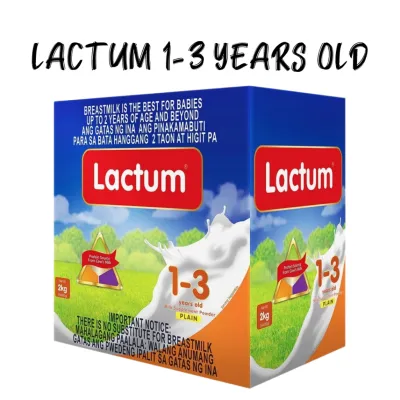
When your child transitions from infancy to toddlerhood, selecting the right nutritional support becomes a primary focus. If you are comparing popular options in the Philippines, such as lactum 1 to 3 year old 3kg packs, Nido, or Enfagrow, the ideal choice is not a single universal winner. Instead, the best option depends entirely on your toddler’s unique dietary gaps, taste preferences, and your household budget.
Each of these brands is formulated with a distinct nutritional emphasis to cater to different developmental priorities. Enfagrow is premium-priced and heavily positioned around cognitive and brain development, featuring higher levels of specialized lipids and fatty acids. Nido focuses on a dairy-rich, calcium-heavy base designed to support bone growth and muscle development. Lactum is positioned as a practical, everyday option that provides a balanced mix of essential vitamins and minerals with a strong focus on immunity and overall wellness.
It is important to remember that toddler formula is a dietary supplement, not a replacement for a diverse solid food diet. Between the ages of 1 and 3, solid foods should gradually become your child’s primary source of nutrients. Before switching formulas or introducing a new milk product, always consult your pediatrician. Professional guidance is especially crucial if your child has a history of food allergies, lactose sensitivity, or specific medical needs.
Products mentioned in this guide

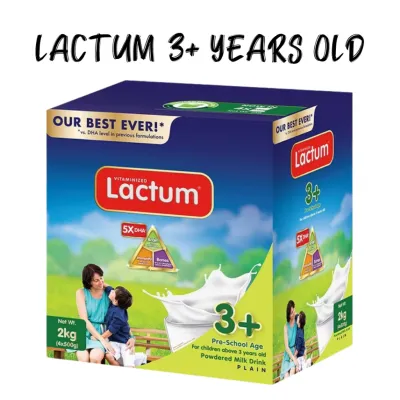
Prices are valid at publication and may change. Please refer to the product page for the latest price.
Nutritional Focus and Key Ingredients Compared
While all toddler formulas legally sold in the Philippines must comply with national regulatory standards for basic macronutrients, manufacturers differentiate their products through proprietary blends of micronutrients and functional ingredients. Understanding these differences allows you to align your purchase with your toddler’s specific physical and cognitive development needs.

When evaluating these formulas, avoid relying solely on front-of-pack marketing claims. Parents should carefully inspect the nutrition facts panel on the packaging to verify the presence of specific vitamins, minerals, and dietary fibers. This careful verification ensures you are not over-supplementing nutrients your child already receives in abundance from solid foods.
Lactum: Balanced Nutrition and Immunity Support
Lactum is formulated to address the common nutritional gaps of growing toddlers by providing a broad, balanced spectrum of essential nutrients. Its primary marketing and formulation focus centers on supporting the immune system, which is particularly relevant for active toddlers who are beginning to explore their environments and interact with other children.
To support natural defenses, Lactum incorporates key immune-supporting micronutrients, including Vitamin C, Vitamin E, and Zinc. These nutrients work synergistically to maintain cellular health and support immune function. Additionally, many Lactum formulations include prebiotic fibers, which help nourish beneficial gut bacteria, promoting healthy digestion and a strong intestinal barrier.
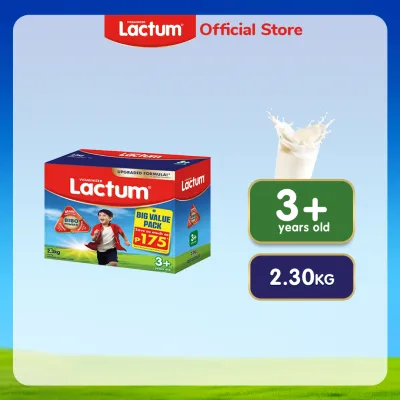
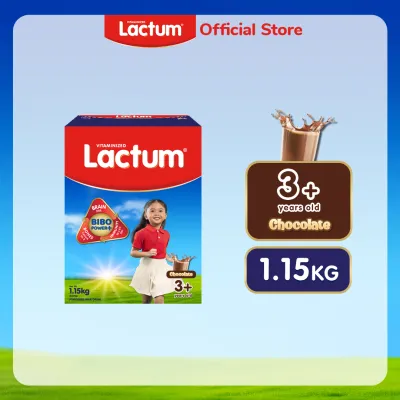
Because Lactum aims to provide a comprehensive daily baseline, it is highly suitable for toddlers who may be going through picky eating phases. However, parents must check the specific product label, such as Lactum 3+ or Lactum 1-3, to verify the exact vitamin profile. Compare these values against your child’s typical solid food intake to ensure their daily diet remains balanced and safe.
Nido: Dairy-Rich Base and Bone Health
Nido has long been a staple in Filipino households, recognized for its rich, traditional dairy taste and its focus on physical growth. This brand is structurally positioned as a milk-based powder that emphasizes bone and muscle development during the rapid growth spurts of early childhood.
To achieve this, Nido formulations are rich in calcium, phosphorus, and Vitamin D. Calcium and phosphorus serve as the essential structural building blocks for developing strong bones and teeth, while Vitamin D is critical for ensuring the body can efficiently absorb and utilize these minerals. The protein content in Nido also supports muscle tissue development and repair.
Parents must note that Nido is available in several different formulations, ranging from standard powdered milk products to specifically fortified toddler variants like Nido 1-3. It is vital to verify that the specific variant you purchase is fully fortified and designed for the 1-3 age bracket. Standard powdered milks may lack the precise micronutrient levels required to serve as a complete transitional supplement for young toddlers.
Enfagrow: Brain Development and Cognitive Support
Enfagrow is positioned as a premium toddler formula with a dedicated focus on supporting early brain development and cognitive function. The brand invests heavily in incorporating advanced, research-backed lipids and fatty acids that mirror components found in natural milk fat.
The defining feature of Enfagrow is its inclusion of docosahexaenoic acid (DHA) and arachidonic acid (ARA), which are omega-3 and omega-6 fatty acids critical for the structural development of the brain and retina. Some variants also feature Milk Fat Globule Membrane (MFGM) and sphingomyelin, which are specialized lipid-protein complexes that support rapid signal transmission between brain cells.
While these cognitive-focused ingredients are highly beneficial, parents should maintain realistic expectations. A toddler’s cognitive development is a complex, multi-faceted process that cannot rely on formula alone. It is deeply dependent on environmental stimulation, interactive play, consistent sleep hygiene, and a varied, nutrient-dense solid diet.
Taste, Mixability, and Toddler Acceptance
The nutritional profile of a formula matters very little if your toddler consistently refuses to drink it. Taste, texture, and ease of preparation are practical factors that directly impact daily feeding routines and your child’s willingness to accept a new milk.
Nido is widely recognized for its creamy, traditional dairy flavor, which closely mimics the taste of fresh cow’s milk. This familiar profile makes it highly palatable to toddlers who prefer a rich, milky taste. In contrast, Lactum and Enfagrow feature distinct, fortified flavor profiles. Depending on the specific variant, they may include mild vanilla flavors or subtle sweetness designed to appeal to young palates and mask the metallic taste sometimes associated with high iron and mineral fortification.
When transitioning your toddler from breast milk, infant formula, or a different milk brand, abrupt changes can trigger taste rejection or mild digestive upset. To ease this transition, implement a gradual mixing schedule over five to seven days. Start by mixing 25% of the new formula with 75% of the old formula for the first two days, then move to a 50/50 ratio for the next two days, and a 75/25 ratio for days five and six, before transitioning completely to the new brand.
Parents should also carefully inspect the ingredient list on formula packaging for added sugars, such as sucrose, corn syrup solids, or glucose syrup. While these additives can enhance taste and improve powder mixability, pediatric health guidelines generally recommend limiting added sugars in early childhood. Restricting highly sweetened drinks helps protect developing teeth from decay and prevents your toddler from developing a strong preference for overly sweet foods.
Preparation technique also plays a key role in toddler acceptance. Fortified formulas can sometimes be prone to clumping or leaving a gritty residue at the bottom of the cup. To prevent this, always follow the manufacturer’s preparation instructions printed on the packaging. Use previously boiled, lukewarm water rather than boiling water, as excessive heat can clump the proteins and destroy heat-sensitive vitamins like Vitamin C. Add the powder to the water, rather than water to the powder, and stir or shake vigorously until completely dissolved.
Sizing and Value: Evaluating Standard and 3kg Bulk Options
Managing household expenses is a major consideration for families in the Philippines, where daily milk consumption can quickly add up. Evaluating packaging sizes and understanding the financial trade-offs of bulk purchasing can help you optimize your grocery budget.
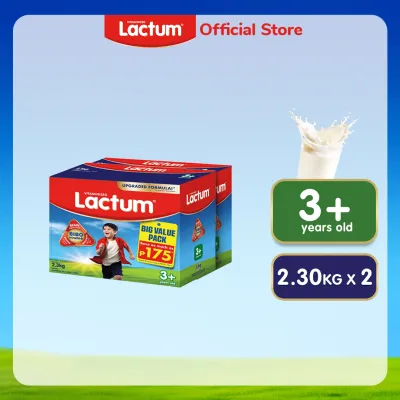
Toddler formulas are typically sold in standard sizes, such as 400g or 900g tins, which are convenient for trying out a new brand or for light, occasional use. However, for toddlers with a high daily milk intake, brands like Lactum and Nido offer large bulk options, including the highly sought-after lactum 1 to 3 year old 3kg box. These bulk packages usually contain multiple foil pouches sealed inside a sturdy cardboard box.
Purchasing in bulk offers distinct advantages, primarily a significantly lower cost per gram compared to smaller tins. It also reduces the frequency of shopping trips to local supermarkets or online marketplaces. However, bulk buying carries specific risks. If your toddler suddenly outgrows the formula, experiences a change in taste preference, or if the product reaches its expiration date before you finish it, the initial financial savings can be lost.
Furthermore, storing large quantities of milk powder presents a unique challenge in the hot, humid tropical climate of the Philippines. High humidity can easily cause moisture to penetrate unsealed packaging, leading to clumping, nutrient degradation, and potential spoilage. To protect your investment, follow these practical storage steps:
- Use Airtight Containers: Once you open a bulk foil pouch, transfer the powder immediately into a clean, completely dry, food-grade airtight glass or BPA-free plastic container.
- Keep Pouches Sealed: If you prefer to keep the powder in its original foil pouch, fold the top of the pouch tightly multiple times and secure it with a heavy-duty bag clip before placing the entire pouch inside an airtight container.
- Avoid Heat and Sunlight: Store the container in a cool, dry pantry away from direct sunlight, the stove, or other heat sources.
- Maintain Scoop Hygiene: Never use a wet or damp scoop to measure the powder, as introducing even a single drop of water into the container can promote bacterial growth and clumping.
- Do Not Refrigerate: Avoid storing dry milk powder in the refrigerator, as the temperature fluctuation when taking the container in and out of the fridge can create condensation inside the container.
To determine the true value of different packaging sizes, establish a simple cost-per-serving calculation framework. Do not rely solely on the retail shelf price. Instead, divide the retail price of the package by the total weight in grams, then multiply that by the manufacturer’s recommended serving size (typically around 30g to 40g of powder per glass). Comparing the resulting cost per glass across different brands and sizes will give you a clear, objective view of your long-term expenses.
Decision Framework: Matching the Formula to Your Toddler's Needs
To make a confident and informed final decision, assess your toddler’s specific developmental priorities, daily eating habits, and your household budget. Use this structured decision framework to match the right brand to your family’s circumstances.
- Choose Enfagrow if: You want to prioritize advanced, research-backed cognitive nutrients like DHA, ARA, and specialized lipid complexes, and your household budget comfortably accommodates a premium-tier price point.
- Choose Nido if: Your toddler prefers a creamy, classic dairy taste, already eats a highly varied and nutrient-dense solid food diet, and requires a reliable, calcium-rich base to support physical growth and bone development.
- Choose Lactum if: You are looking for a practical, balanced, and budget-friendly everyday formula that focuses on immunity and general nutrition, and you want the convenience of bulk purchasing options like a lactum 1 to 3 year old 3kg pack.
- Verify first if: Your child exhibits signs of lactose intolerance, a cow's milk protein allergy, or other digestive sensitivities. Standard commercial formulas are not suitable for these conditions. If your child experiences chronic diarrhea, abdominal bloating, skin rashes, or excessive spitting up, stop using the formula immediately and consult a pediatrician or pediatric allergist for specialized, hypoallergenic, or lactose-free alternatives.
Frequently Asked Questions (FAQ)
Can I mix different brands of toddler formula together?
You should avoid mixing different brands of toddler formula together in the same bottle or cup. Each brand is formulated with a specific, proprietary scoop size and powder-to-water ratio designed to ensure safe and proper nutrient dilution. Mixing different powders can easily lead to an incorrect concentration—making the milk either too diluted, which deprives your child of nutrients, or too concentrated, which can strain your toddler’s developing kidneys and cause digestive issues like constipation or diarrhea.
If you are transitioning your toddler from one brand to another, keep the preparations separate. Offer the old formula and the new formula in separate, alternating feeding sessions throughout the day, gradually increasing the frequency of the new brand over several days. Always follow the exact preparation and mixing instructions printed on each individual product’s packaging.
How long can a toddler safely drink formula instead of cow's milk?
Toddler formulas are specifically designed for children aged 1 to 3 years to serve as a transitional nutritional bridge as they adapt to eating solid foods and wean from breast milk or infant formula. After the age of 3, most children with normal growth and development can obtain all their necessary nutrients from a balanced, diverse solid diet and regular pasteurized whole cow’s milk, making specialized toddler formulas unnecessary.
If your child is a highly selective eater, has persistent growth delays, or has specific nutrient deficiencies, your pediatrician may recommend extending the use of fortified milk beyond age three. Always consult a qualified healthcare professional to receive personalized weaning advice tailored to your child’s unique growth chart and dietary habits.

Community discussion
Share your experience or ask a question. Comments are reviewed before publication.