
Choosing the right follow-on formula for a baby between 6 and 12 months is a pivotal decision for parents in the Philippines. During this rapid growth phase, breast milk or formula remains the primary source of nutrition, even as solid foods are introduced. If you are deciding between Lactum 6 to 12 months, NAN, and Enfagrow, the ideal choice depends on your baby’s digestive comfort, specific nutritional needs, and your household budget. There is no single formula that works perfectly for every infant, as each brand targets different developmental priorities and digestive profiles.
Before making any changes to your baby’s diet, always consult a pediatrician. Every infant has unique physiological needs, and a professional medical evaluation is the safest way to determine which formula aligns with your baby’s growth milestones and health status.
Quick Answer: Which 6-12 Month Formula Fits Your Baby?
When comparing these three major brands, it helps to understand their general market positioning and formulation focus. Each brand is designed to address distinct parental priorities, ranging from everyday nutritional support to specialized digestive care.
Products mentioned in this guide
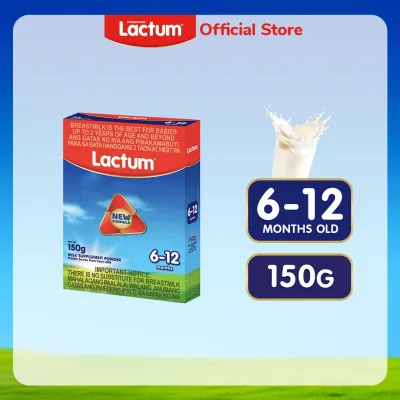
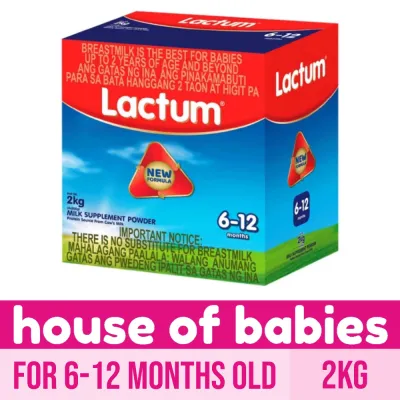

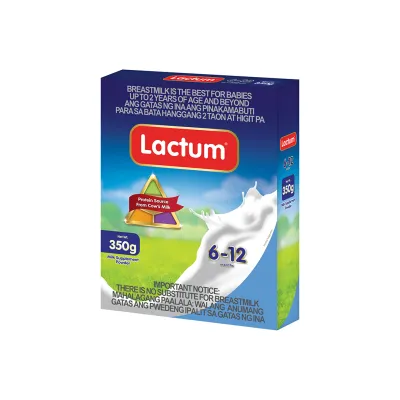
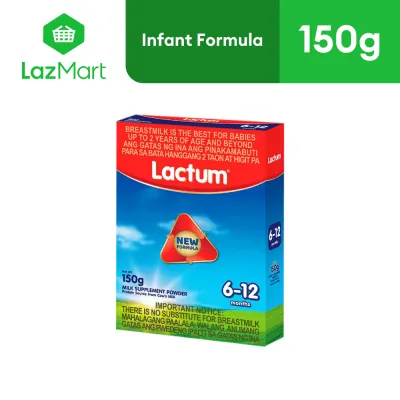
Prices are valid at publication and may change. Please refer to the product page for the latest price.
Lactum is widely recognized in the Philippines as an accessible, budget-friendly option. It is formulated to provide essential baseline nutrients that support overall growth and development, making it a practical choice for families looking to manage monthly grocery expenses without compromising on standard nutritional requirements.
NAN, produced by Nestlé, places a strong emphasis on digestive health and comfort. Many of the variants within the NAN line feature specific protein structures and probiotic strains designed to be gentle on a developing infant’s gastrointestinal tract. This makes it a common consideration for babies prone to mild digestive issues like gas or colic.
Enfagrow, manufactured by Mead Johnson, is positioned as a premium brand with a heavy focus on cognitive development and immune system support. Its formulations often highlight advanced nutrient blends, including specific levels of lipids and dietary fibers, tailored for parents who prioritize these specific developmental areas and have a more flexible budget.
Because manufacturers frequently update their formulations, parents must verify the specific sub-variant labels on the packaging and consult a pediatrician before making a final switch.
Nutritional Breakdown: Comparing Key Ingredients
As infants reach the 6-month mark, their nutritional requirements undergo a significant shift. Maternal iron stores begin to deplete, and their physical and cognitive development accelerates. When comparing Lactum, NAN, and Enfagrow, understanding how to read and compare the nutrition facts panel is essential for identifying which product meets your baby’s current developmental needs.

The Role of Iron in Follow-On Formula
Iron is a critical nutrient for babies aged 6 to 12 months because it supports cognitive development and the formation of red blood cells. When reviewing formula packaging, look for the iron content listed under the nutrition facts, usually expressed in milligrams (mg) per 100 grams of powder or per 100 kilocalories (kcal). Ensure the formula you select meets the standard dietary recommendations for older infants, and check if your pediatrician recommends additional iron supplementation based on your baby’s solid food intake.
DHA and ARA for Brain and Eye Development
Docosahexaenoic acid (DHA) and arachidonic acid (ARA) are omega-3 and omega-6 fatty acids, respectively, that play a vital role in brain development and retinal health. Premium formulas like Enfagrow often highlight their specific DHA and ARA blends. When comparing brands, locate these ingredients on the label to verify their presence and concentration. Keep in mind that while some brands market higher levels of these fatty acids, the overall balance of the diet, including complementary solid foods like fish and eggs introduced after 6 months, also contributes to your baby’s cognitive development.
Prebiotics and Probiotics for Gut Health
As babies begin eating solid foods, their gut microbiomes undergo a transition, which can sometimes lead to changes in digestion. Prebiotics (such as GOS and FOS) serve as food for beneficial gut bacteria, while probiotics (such as Bifidobacterium lactis) are live beneficial microorganisms. NAN formulations frequently emphasize their probiotic and prebiotic blends to support a healthy gut barrier. When evaluating these ingredients, check the ingredient list on the back of the tin to identify the specific strains of probiotics or types of prebiotics used, as different blends offer varying digestive benefits.
To make an accurate comparison, avoid relying on general marketing claims. Instead, place the physical tins side-by-side or compare official product specification sheets. Look at the nutrient values per 100kcal of prepared formula to ensure you are comparing equivalent serving sizes, as scoop sizes and dilution ratios can vary between brands.
Digestibility, Taste, and Baby Acceptance
How well a baby tolerates and accepts a formula is just as important as its nutritional profile. Even the most advanced formula will not benefit your baby if they refuse to drink it or if it causes digestive discomfort.
Protein Structures and Ease of Digestion
The structure of the proteins in infant formula significantly influences how easily a baby can digest it. Standard formulas, such as standard Lactum variants, typically use intact cow’s milk proteins (whey and casein). Most healthy infants digest intact proteins without any issues. However, some babies have sensitive digestive systems that struggle to break down these larger protein molecules, leading to fussiness, gas, or mild spitting up.
In contrast, certain lines within the NAN family utilize partially hydrolyzed proteins. In these formulations, the cow’s milk proteins are enzymatically broken down into smaller fragments, reducing the workload on the baby’s developing stomach and intestines. If your baby experiences frequent digestive discomfort, a formula with modified protein structures may be worth discussing with your pediatrician.
Taste Profiles and Palatability
Taste is a major factor in baby acceptance. The flavor of follow-on formulas can vary based on the carbohydrate sources and protein treatments used. Formulas that use lactose as their primary carbohydrate source tend to have a mild, naturally sweet taste similar to breast milk. Some brands may incorporate other carbohydrates, which can alter the sweetness level.
On the other hand, formulas containing hydrolyzed proteins can sometimes have a slightly bitter or metallic aftertaste. While young infants often adapt quickly to these taste profiles, older babies who have already experienced sweeter flavors or solid foods may show some initial resistance. If you are transitioning your baby, patience is key, as it can take several exposures for an infant to accept a new taste.
Observing Your Baby's Response
After introducing a new formula, closely monitor your baby for signs of tolerance and acceptance. Keep a daily log of their behavior, stool consistency, and feeding patterns. Normal adjustments to a new formula can take up to two weeks, during which you might notice minor changes in stool color or frequency. However, if you observe persistent signs of intolerance—such as excessive gas, hard stools, watery diarrhea, or unusual fussiness during or after feeds—consult your pediatrician to determine if a different formulation is necessary.
Evaluating Price and Value in the Philippines
Feeding an infant is a significant monthly expense for Filipino families. When comparing Lactum, NAN, and Enfagrow, evaluating the true cost-effectiveness of each brand requires looking beyond the retail price of a single tin.
Calculating the Cost per Serving
To determine the actual value of a formula, calculate the cost per 100 grams or the cost per prepared serving rather than comparing shelf prices directly. Different brands package their products in varying sizes, such as 400g, 800g, 900g, or 1.2kg.
To calculate the unit cost, use this simple formula:
Cost per Gram = Retail Price / Total Grams in Package
Once you have the cost per gram, refer to the manufacturer’s preparation instructions on the label to find the weight of a single scoop (usually between 4.3g and 5g) and the number of scoops required for a standard 2-ounce or 4-ounce bottle. Multiplying the cost per gram by the total grams of powder needed for a standard feed will give you the true cost per serving. This calculation often reveals that premium brands have a significantly higher long-term cost impact, which must be weighed against their specific nutritional benefits.
Packaging Formats and Unit Economics
In the Philippine market, manufacturers often offer formulas in both tin cans and cardboard box refill packs. Refill packs are generally more economical because they reduce packaging costs. If you choose to purchase refill packs, ensure you store the powder safely. Keep the formula in its original foil pouch, seal it tightly with a clip after each use, and place the sealed pouch inside a clean, airtight container. Never pour the loose powder directly into an old tin, as this can introduce moisture and bacterial contamination.
Safe Purchasing Channels
To ensure your baby’s safety, purchase formula milk only from authorized retail channels in the Philippines. These include major local supermarkets (such as SM Supermarket, Robinsons Supermarket, and Puregold), established pharmacies (such as Mercury Drug and Watsons), and official flagship stores on verified online marketplaces.
Avoid buying formula from unauthorized third-party online sellers or listings with suspiciously low prices. Counterfeit or improperly stored formulas pose severe health risks, including bacterial contamination, incorrect nutrient balances, or exposure to extreme heat during transit, which degrades essential vitamins and proteins.
Decision Framework: Which Brand Should You Choose?
To help you finalize your decision, use this structured framework to match your baby’s specific needs and your family’s circumstances with the most suitable brand.
- Choose Lactum if: You are looking for a widely available, budget-friendly option that covers essential baseline nutrients for older infants and fits a tighter monthly grocery budget. It is an excellent choice for healthy, typically developing babies who do not experience significant digestive issues and whose parents want a reliable, cost-effective formula.
- Choose NAN if: Your baby has a sensitive tummy, and you want to explore options with specific protein structures or probiotic blends aimed at gentle digestion. This is ideal for infants prone to mild gas, bloating, or hard stools, provided you verify the specific sub-variant on the label with your pediatrician.
- Choose Enfagrow if: You are prioritizing specific premium nutrient blends often marketed for cognitive and immune support, and you have a flexible budget to accommodate higher-priced tiers. This fits parents who want to maximize dietary intake of ingredients like DHA and ARA during key developmental windows.
- Verify first if: Your baby has a diagnosed medical condition, cow's milk protein allergy, or lactose intolerance. In these cases, standard formulas from any of these lines are entirely unsuitable. You must consult a pediatrician immediately, as your baby will require a specialized hypoallergenic, amino acid-based, or soy formula that must be used under strict medical supervision.
Safe Transitioning and Feeding Tips for 6-12 Months
Switching your baby to a new formula brand requires a careful, systematic approach to prevent digestive upset and ensure proper nutrient absorption.
The Gradual Transition Method
To transition your baby safely, introduce the new formula gradually over a period of 5 to 7 days. This allows your baby’s digestive enzymes and gut bacteria to adapt to the new protein and carbohydrate ratios. Unless otherwise directed by your pediatrician, use the following transition schedule:
- Days 1–2: Prepare bottles using 75% of the old formula and 25% of the new formula.
- Days 3–4: Prepare bottles using 50% of the old formula and 50% of the new formula.
- Days 5–6: Prepare bottles using 25% of the old formula and 75% of the new formula.
- Day 7 onwards: Transition completely to 100% of the new formula.
Always prepare each portion of the formula according to its specific manufacturer instructions before mixing them in the bottle. Do not mix dry powders together using a single scoop, as scoop sizes and water ratios differ between brands.
Balancing Formula and Solid Foods
Between 6 and 12 months, solid foods are introduced to complement, not replace, milk. Formula or breast milk remains the primary source of nutrition and hydration. Aim to offer solid foods after a milk feed or during designated family meal times, ensuring your baby still receives the recommended daily volume of formula for their age and weight. Check the feeding table on your formula packaging for general guidelines, and adjust based on your pediatrician’s advice.
Storage in Tropical Climates
The warm, humid climate of the Philippines requires extra care when storing formula powder. High humidity can cause the powder to clump and spoil quickly. Store the formula tin or container in a cool, dry pantry away from direct sunlight and heat sources. Never store formula powder in the refrigerator, as the temperature change when opening the container creates condensation, leading to mold growth. Always ensure the measuring scoop is completely dry before placing it back into the container.
Frequently Asked Questions (FAQ)
Can I mix two different formula brands in one bottle?
No, you should strictly avoid mixing different brands or types of formula in the same bottle outside of a temporary, gradual transition period. Each formula has a unique, carefully calibrated nutrient density and osmolality. Mixing them arbitrarily can alter the concentration of nutrients and minerals, which can strain your baby’s developing kidneys, cause dehydration, or lead to severe digestive upset. Always prepare each formula according to its own specific manufacturer instructions.
How long can I keep prepared formula out at room temperature?
Prepared formula should not be kept at room temperature for more than 1 to 2 hours. In the warm and humid tropical climate of the Philippines, bacteria can multiply rapidly in warm milk. If your baby does not finish a bottle within 1 hour of starting a feed, discard the leftover formula immediately. Saliva from the baby’s mouth enters the bottle during feeding, introducing bacteria that can quickly contaminate the remaining milk, making it unsafe to save for a later feed.
What are the signs that I need to switch my baby's formula?
Signs that your baby may not tolerate their current formula include persistent diarrhea, blood or mucus in the stool, severe eczema or skin rashes, frequent projectile vomiting, excessive crying due to abdominal pain, or poor weight gain. If you observe any of these red flags, stop using the formula and consult a pediatrician immediately. Do not blindly switch to another standard brand, as these symptoms may indicate a cow’s milk protein allergy or another medical condition that requires a specialized therapeutic formula.

Community discussion
Share your experience or ask a question. Comments are reviewed before publication.