
Finding the right balance between household budgeting and child nutrition is a constant challenge for parents. When a lactum 6 plus sale catches your eye at a local supermarket or on an e-commerce platform, the immediate instinct is to stock up and save. However, a discount is only a true bargain if the product aligns with your child’s developmental requirements and matches the value offered by competing brands like Nido and NAN.
Deciding whether to purchase Lactum 6 Plus on sale depends on your child’s specific nutritional gaps and taste preferences. A discounted price makes Lactum 6 Plus highly competitive if you want to prioritize brain-supporting nutrients and immune system defenses on a budget. However, if your child requires advanced bone growth support or specialized digestive care, Nido or NAN may still represent a more cost-effective choice in the long run.
Ultimately, the promotional price is only beneficial if your child willingly drinks the milk and the product is stored safely. Before purchasing multiple tins, parents must evaluate the cost per serving, inspect the expiration dates, and understand the functional differences between these popular formulations.
Products mentioned in this guide
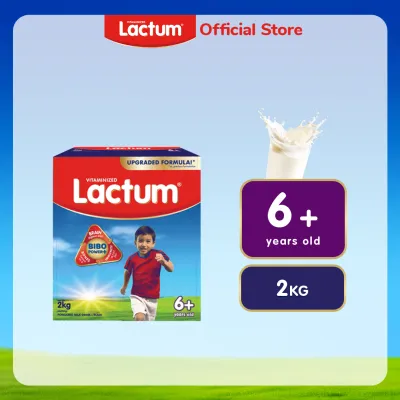
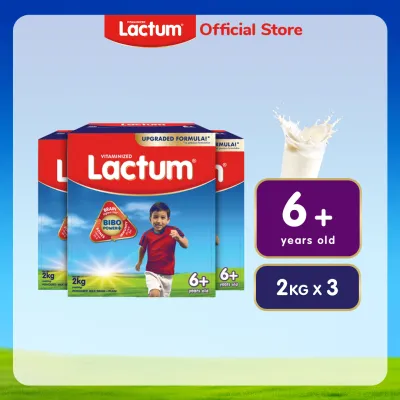
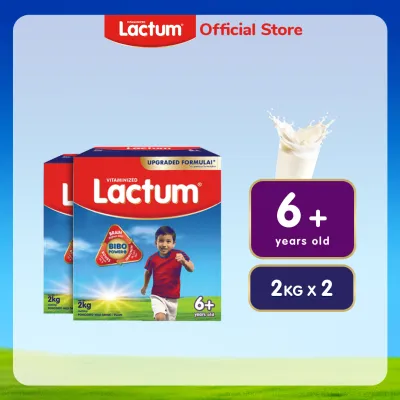
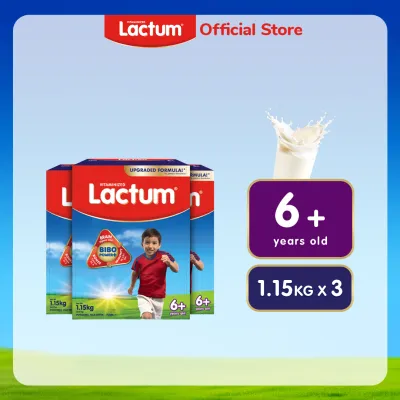
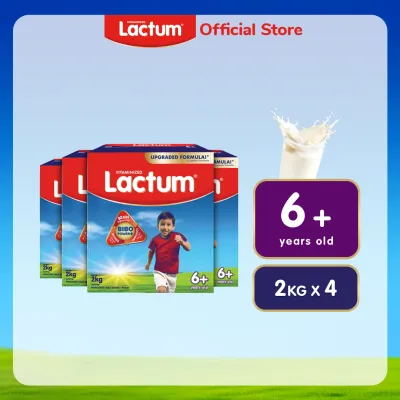
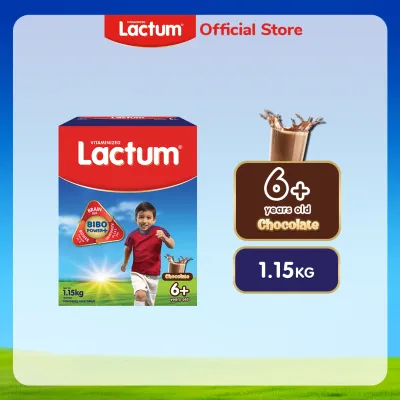
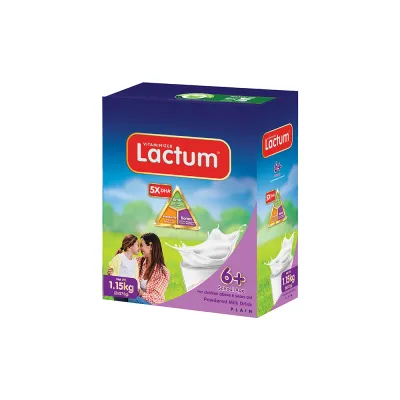
Prices are valid at publication and may change. Please refer to the product page for the latest price.
Baseline Profiles: What Lactum 6 Plus, Nido, and NAN Actually Offer
To determine if a sale price represents genuine value, you must first understand what each brand brings to the table. Every formula manufacturer designs its products with a distinct nutritional philosophy, targeting specific areas of childhood development.
Lactum 6 Plus is specifically formulated for school-aged children, typically those aged 6 years and older. Its nutritional profile focuses heavily on supporting cognitive development and maintaining immune defenses during crucial school years. The formulation generally centers on key nutrients such as DHA, ARA, Iron, Zinc, and essential vitamins like Vitamin C and E, which help support a child’s daily learning and physical activity.
Nido has established a long-standing reputation in the market for prioritizing physical growth and skeletal strength. Its formulations for school-aged children are heavily fortified with calcium, Vitamin D, and high-quality proteins. This makes it a traditional favorite for parents whose primary concern is supporting their child’s height, bone density, and overall physical development.
NAN takes a highly scientific approach that prioritizes gastrointestinal health and smooth digestion. It often incorporates specialized prebiotic fibers, active probiotic cultures, and optimized protein blends designed to be gentle on the stomach. By focusing on gut health, NAN aims to maximize nutrient absorption and minimize digestive discomforts like bloating or irregular bowel movements.
Because formulations, target age groups, and benefits vary significantly between sub-lines, parents must always verify the exact variant and age range on the product label. Never assume suitability based on the brand name alone, and consult a pediatrician to ensure the chosen formula meets your child’s individual developmental needs.
Calculating the Real Value: Beyond the Lactum 6 Plus Sale Sticker Price
A low shelf price can be highly deceptive if you do not calculate the actual cost of feeding. To determine if a discounted tin of Lactum 6 Plus is truly cheaper than its competitors, you must look past the front label and perform a few simple calculations.

Cost per Serving
To find the true daily cost, divide the sale price of the tin by the total number of servings it contains. You can find the recommended serving size and the estimated number of servings per pack on the nutritional information panel. A larger, more expensive tin of Nido or NAN might actually yield a lower cost per serving than a discounted, smaller tin of Lactum 6 Plus, making the regular-priced option more economical over several weeks.
Nutrient-to-Cost Ratio
Compare the price relative to the specific nutrients your child needs most. If your child’s pediatrician has recommended a higher calcium intake, and Nido offers significantly more calcium per serving than Lactum 6 Plus, paying a slightly higher price for Nido might save you money. Choosing the cheaper, discounted option could force you to purchase additional calcium supplements or specialized foods, which ultimately increases your overall household expenses.
Identifying False Promotions
Be highly vigilant against common retail traps when browsing a sale. Stores often discount powdered milk heavily when the stock is nearing its expiration date, when the packaging is dented, or when they want to clear slow-moving inventory. To ensure you are getting a legitimate deal, compare the sale price against the regular prices listed at reputable physical supermarkets and official online flagship stores. Avoid unverified third-party sellers whose discounted stock may have been stored incorrectly.
Nutritional Trade-Offs: Matching the Brand to Your Child's Needs
No single milk formula is perfect for every child. To maximize the value of your purchase, you must match the unique nutritional strengths of each brand to your child’s daily diet and physical development.
Prioritizing Brain Development and Immunity
Lactum 6 Plus becomes the logical choice when your child already consumes a highly diverse solid diet but needs reliable support for school performance and immune defense. If a sale brings the cost per serving of Lactum 6 Plus below that of other brain-focused formulas, it represents excellent value. Its balance of DHA, Iron, and Zinc provides cost-effective support for cognitive tasks, memory, and classroom concentration, while its antioxidant vitamins help protect your child from common school-yard illnesses.
Prioritizing Bone Growth and Calcium Intake
If your child is a picky eater who avoids calcium-rich foods like cheese, yogurt, small fish, or dark leafy greens, Nido’s specialized focus on bone health justifies a higher price tag. The robust calcium and Vitamin D levels in Nido support skeletal elongation and dental health during active growth spurts. However, if your child already eats a balanced diet with plenty of natural calcium sources, a discounted tin of Lactum 6 Plus serves as a highly practical and budget-friendly alternative.
Prioritizing Digestion and Gut Health
For children who experience frequent stomach discomfort, constipation, or hard stools, NAN remains the superior option despite the higher price. The specialized probiotics and prebiotics in NAN help maintain a balanced gut microbiome, which is essential for comfortable digestion and efficient nutrient uptake. Purchasing a discounted tin of Lactum 6 Plus is a poor investment if the formulation causes digestive distress, leading to skipped meals, discomfort, or wasted milk.
Sugar Content and Taste Acceptance
Before buying any milk formula in bulk, carefully inspect the ingredient list for added sugars, such as sucrose, corn syrup solids, or maltodextrin. High sugar content can affect your child’s long-term dietary habits and dental health. Furthermore, remember that the cheapest milk on the market is a complete waste of money if your child refuses to drink it. Always purchase a single, small, non-discounted pack to test flavor acceptance before committing to a large promotional bundle.
Safe Checkout Strategies for Discounted Milk Purchases
When you decide to take advantage of a sale, executing your purchase safely ensures that your financial savings do not come at the expense of your child’s health. Powdered milk is a sensitive food product that requires careful handling, especially in tropical climates.
Verify Expiration Dates
Always check the manufacturing and expiration dates printed on the bottom of the tin before finalizing your purchase. If you plan to buy in bulk, calculate your child’s average consumption rate to ensure they can realistically finish the entire stockpile before the expiration date. For example, if a 1.2-kilogram tin lasts approximately two weeks, buying six tins is only safe if the expiration date is at least three months away.
Inspect Packaging Integrity
Carefully examine the physical condition of the tin or pouch. Reject any items with deep dents, rust spots, bulging lids, or compromised foil seals. In the humid, tropical climate of the Philippines, any breach in the airtight packaging allows moisture and air to enter. This exposure quickly leads to powder clumping, rapid nutrient degradation, mold growth, and bacterial contamination.
Transition Gradually
If you are switching your child from Nido or NAN to Lactum 6 Plus to take advantage of a sale, do not change their diet abruptly. Introduce the new milk gradually over a week by slowly replacing one scoop of the old formula with the new one during preparation. This gradual transition allows you to monitor your child’s digestive tolerance and taste acceptance. If your child experiences vomiting, diarrhea, skin rashes, or persistent abdominal pain, stop using the product immediately and consult a healthcare professional.
Frequently Asked Questions (FAQ)
Can I mix Lactum 6 Plus with Nido or NAN in the same bottle?
No, you should never mix different brands or formulations of milk powder in the same bottle. Each brand has a unique nutrient concentration, specific scoop size, and precise water-to-powder ratio designed by the manufacturer. Mixing them can alter the density of the feed, leading to accidental over-concentration or dilution. This can cause severe digestive upset, dehydration, or kidney strain in children. It is always best to finish your current stock of one brand completely before gradually transitioning your child to the next.
How long can I safely store an unopened tin of discounted milk?
An unopened tin of milk can be safely stored until the exact expiration date printed on the packaging, provided it is kept under proper conditions. In hot and humid environments, store the tin in a cool, dry pantry away from direct sunlight, stove heat, and moisture. Never store unopened or opened tins of powdered milk in the refrigerator. The temperature change when you bring the tin out into room temperature causes condensation to form inside, which quickly ruins the powder by causing clumping, spoilage, and mold growth.

Community discussion
Share your experience or ask a question. Comments are reviewed before publication.