
Choosing a toddler formula in the Philippines often feels like navigating an overwhelming aisle of colorful tins, each promising to support your child’s growth, brain development, or immunity. There is no single “best” toddler formula among Lactum 3+, Nido, NAN, and Enfagrow; the right choice depends entirely on your child’s specific age, nutritional gaps, taste preferences, and your household budget. Rather than relying on front-of-pack marketing claims, parents must compare the actual nutrition labels, serving sizes, and ingredient lists to find the most suitable match. This guide provides a structured framework to evaluate these leading brands objectively and make an informed purchase decision.
Identifying Your Toddler's Specific Needs
Before comparing brands, you must first evaluate your child’s current diet and overall health status. After the age of one, solid foods should become the primary source of nutrition, with milk serving as a supplement rather than a replacement. If your toddler is a picky eater who struggles to consume a balanced diet of fruits, vegetables, and proteins, they may have specific nutritional gaps in essential minerals like iron or calcium.
Recognizing your child’s unique physical responses is also crucial. Some toddlers have sensitive digestive systems that react to certain milk proteins, leading to gassiness, bloating, or loose stools, while others might have strong flavor aversions that make them reject plain milk. In a tropical climate where hydration and consistent nutrient intake are vital for active toddlers, finding a formula they tolerate and enjoy is essential.
Products mentioned in this guide
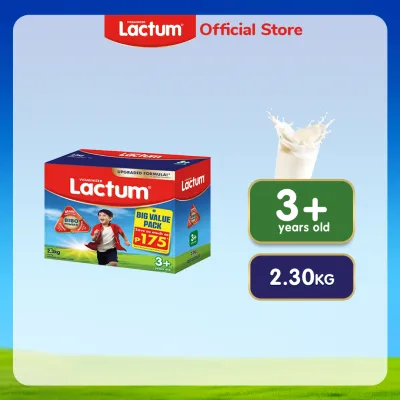

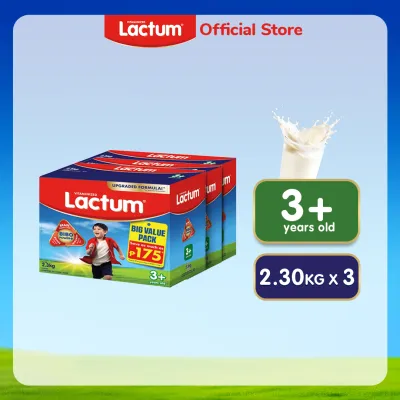
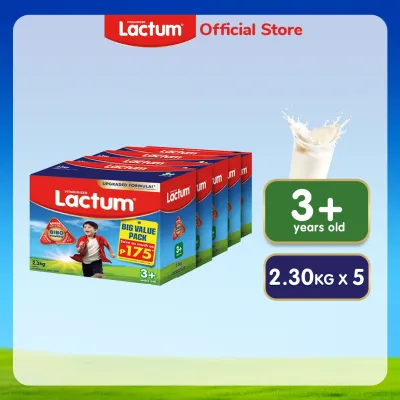
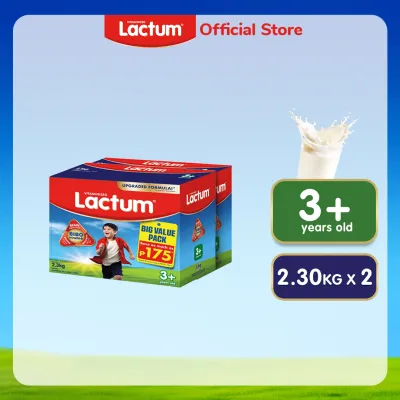
![[LAZ EXCLUSIVE] Lactum 3+ Plain Powdered Milk Supplement Drink for Children 3+ Years Old 13.8kg (2.3kg x 6)](https://img.lazcdn.com/g/p/3836595092b27440da246aa42d0c6675.jpg_400x400q80.jpg_.webp)
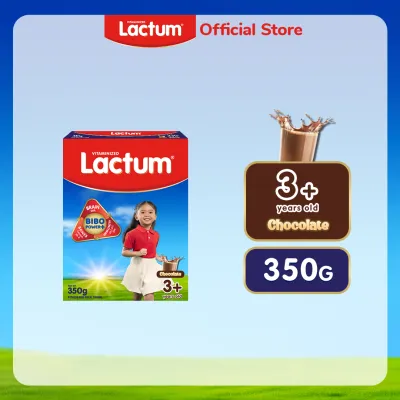
Prices are valid at publication and may change. Please refer to the product page for the latest price.
Always consult a pediatrician before switching brands or introducing a new growing-up milk. A healthcare professional can assess your child’s growth charts, identify genuine nutritional deficiencies, and advise whether a standard formula or a specialized option is appropriate.
Key Dimensions to Compare on the Nutrition Label
To look past flashy marketing slogans like “brain development” or “double immunity,” parents must turn the tin around. The standardized Nutrition Facts panel and the ingredient list are the only reliable sources of truth for comparing Lactum 3+, Nido, NAN, and Enfagrow.

Checking Age Appropriateness and Stage Transitions
The first step is verifying the specific age range printed on the packaging. Formulas are carefully calibrated for distinct developmental stages; for instance, a “3+” formula is designed for children aged three years and older, while a “1-3” or “Stage 3” formula is meant for younger toddlers. Using a formula that does not match your child’s age can result in an inappropriate balance of nutrients.
Standard toddler milks and older child growing-up milks differ significantly in their nutrient concentrations. Younger toddlers require different ratios of fats, proteins, and minerals to support rapid brain development and physical growth compared to older children who obtain more nutrition from solid foods.
When transitioning between stages or brands, always check the manufacturer’s guidelines. Sudden changes can upset a toddler’s delicate digestive system, so a gradual transition over several days is usually recommended by pediatricians and manufacturers alike.
Evaluating Core Nutrients and Special Additions
When comparing the Nutrition Facts panel, look at the exact amounts of calcium, iron, and vitamin D per recommended serving size rather than per 100 grams. This ensures you are comparing what your child actually consumes in a single cup.
Check the ingredient list for special additions such as DHA (docosahexaenoic acid), probiotics, prebiotics, or specific vitamin complexes. Keep in mind that the presence of these ingredients varies by brand, and their benefits are highly dependent on the overall formulation and your child’s existing diet.
Pay close attention to the presence and position of added sugars, flavorings, or maltodextrin in the ingredient list. Ingredients are listed in descending order of weight, so if sucrose, corn syrup solids, or maltodextrin appear near the top, the formula contains a higher proportion of added carbohydrates, which may affect your child’s taste preferences and dental health.
Assessing Taste, Mixability, and Tolerability
Taste is a major factor in whether a toddler will actually drink the prepared milk. Brands offer different flavor variants, such as plain, vanilla, or chocolate; while flavored milks can appeal to picky eaters, they often contain more added sugars than plain versions.
Tolerability is crucial for daily comfort. Check the label for lactose content or specific protein warnings if your child has known sensitivities or a history of mild digestive discomfort.
After introducing a new formula, closely observe your child’s digestion, spit-up frequency, and stool patterns. Any sudden changes in bowel movements or comfort levels should be noted and discussed with your pediatrician.
Calculating True Cost and Value per Serving
Comparing the retail price of a tin is not enough to determine its actual value. To find the most economical option, you must calculate the exact cost per serving using the retail ₱ price and the required number of scoops per cup as specified in the preparation instructions.
Compare the price per gram or price per prepared liter across different packaging sizes, such as a 400g box versus a 1.2kg or 2kg tin. Larger packs generally offer a lower cost per gram, but you must ensure the product can be consumed within the manufacturer’s recommended timeframe after opening, especially in humid tropical climates where moisture can spoil opened powder quickly.
Factor in the recommended daily serving frequency to estimate the monthly budget required for each brand. A formula that seems cheaper per tin might require more scoops per serving or more servings per day, ultimately costing you more over a month.
Decision Framework: Choosing the Right Formula
To finalize your choice, use a structured decision framework based on your label checks and your child’s specific needs.
Choose Lactum 3+ if your child is three years or older, accepts the flavor profile, and you are looking for a widely available, budget-friendly option that meets standard nutritional requirements for this age group without a premium price tag. Always verify the age suitability on the packaging before purchasing.
Choose Nido, NAN, or Enfagrow if your child requires specific nutrient additions—such as specialized probiotic strains, higher DHA levels, or alternative protein structures—and your budget comfortably accommodates a higher price per serving. For example, some premium formulations focus heavily on digestive comfort or specific brain-development nutrients that you may want to prioritize based on your pediatrician’s advice.
Verify first if your child exhibits signs of suspected allergies, poor weight gain, or persistent digestive issues. In these cases, do not switch formulas on your own; seek a pediatrician’s advice immediately to determine if a specialized or hypoallergenic formula is medically necessary.
Frequently Asked Questions (FAQ)
Can I mix two different toddler formula brands in one cup?
Mixing different brands or stages of formula powder in a single serving is generally discouraged. Each brand has a unique scoop size and a specific powder-to-water ratio designed to deliver a precise concentration of nutrients. Mixing them can result in a drink that is either too concentrated, which strains the toddler’s kidneys and digestive system, or too diluted, leading to nutritional deficiencies. If you need to transition your child from one brand to another, do so by gradually replacing entire feeds over several days rather than mixing the powders in the same cup.
How do I know if my toddler is allergic or intolerant to a specific formula?
Parents should watch for clear, observable signals of formula intolerance or allergy. These can include persistent skin rashes or hives, frequent vomiting, chronic diarrhea, excessive gas, or extreme fussiness and crying shortly after feeding. If you observe any of these symptoms, stop using the formula immediately and consult a qualified healthcare professional. Only a pediatrician can properly diagnose a milk protein allergy or lactose intolerance and recommend a safe dietary alternative.

Community discussion
Share your experience or ask a question. Comments are reviewed before publication.