
Choosing the right growing-up milk for your toddler can feel like an overwhelming task. In the Philippines, parents are often faced with a shelf full of options, wondering how popular choices compare in terms of nutrition, taste, and value. If you are looking at lactum 3plus alongside household names like Nido, NAN, and Enfagrow, the right choice is rarely a single, universal winner. Instead, the best option depends heavily on your child’s specific nutritional gaps, taste preferences, and your family’s monthly budget.
Each of these brands occupies a distinct niche in the local market. For instance, some formulas place a heavy emphasis on brain-development nutrients like DHA, while others focus on gut health, digestion, or offering a highly cost-effective daily option. As your child transitions from infancy to the active toddler years (ages 1 to 3), their primary source of nutrition must shift to solid foods. Growing-up milks are designed to supplement this solid food diet, not replace it, making it crucial to choose a product that matches your child’s current developmental phase under proper caregiver supervision.
Nutritional Profiles: Comparing Lactum 3Plus, Nido, NAN, and Enfagrow
To make an informed choice, parents must learn how to look past marketing claims and evaluate the actual nutrition labels on the back of the tin. When comparing lactum 3plus with Nido, NAN, and Enfagrow, there are several key nutrient groups you should examine closely.
Products mentioned in this guide
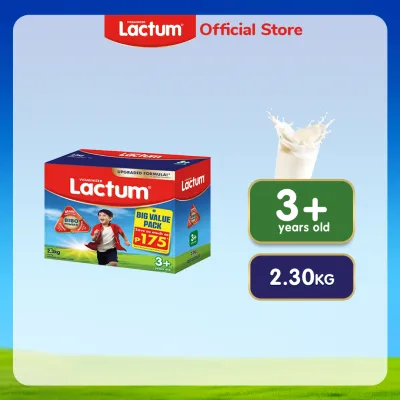
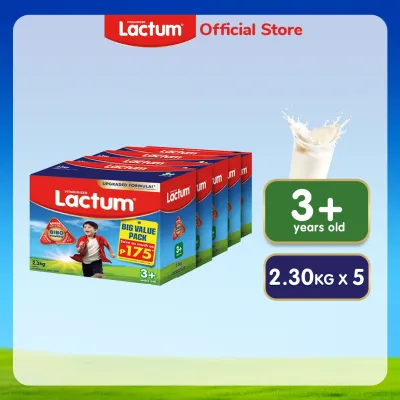
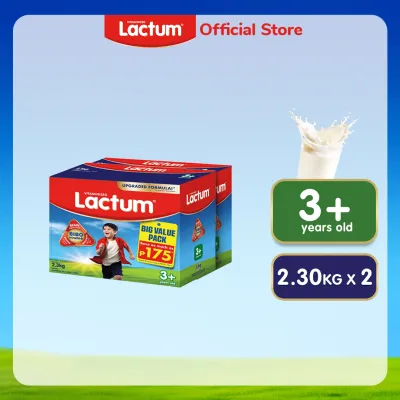
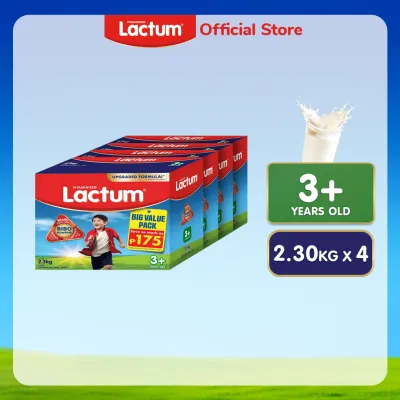
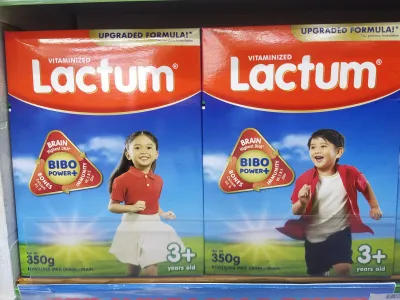

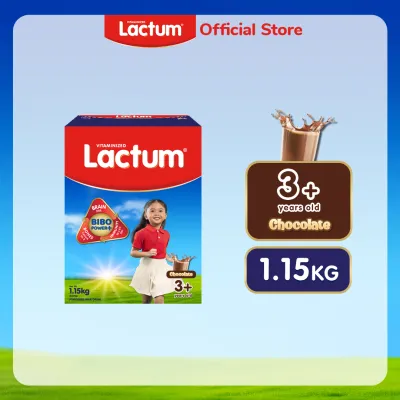
Prices are valid at publication and may change. Please refer to the product page for the latest price.
First, look at the levels of Docosahexaenoic Acid (DHA) and Arachidonic Acid (ARA), which are fatty acids essential for brain and eye development. Some premium brands, such as Enfagrow, are widely known for highlighting high DHA levels on their packaging, while everyday options like Lactum 3 Plus also include DHA as part of their core nutrient blend to support cognitive growth. If your toddler does not regularly eat oily fish or other DHA-rich foods, comparing the DHA content per serving across these brands is a practical starting point.
Next, evaluate the minerals essential for physical growth, particularly Iron and Calcium. Calcium supports bone and tooth development during these rapid growth years, while Iron is critical for preventing iron-deficiency anemia and supporting overall energy levels. Different brands formulate their products with varying levels of these minerals, so checking the percentage of the Recommended Energy and Nutrient Intakes (RENI) for Filipino children on the label can help you see how much a single serving contributes to their daily needs.
Digestive support is another critical area, often represented by the presence of prebiotics (such as Fructooligosaccharides or Galactooligosaccharides) or active probiotics. Probiotics and prebiotics help maintain a healthy gut flora, which is closely linked to a strong immune system. Brands like NAN and certain Nido formulations frequently focus on gut health by incorporating specific probiotic strains, whereas other formulas may rely primarily on prebiotic fibers to support digestion.
When reading the Nutrition Facts table, do not just compare the numbers in a single column. Pay close attention to the serving size and the number of scoops required to prepare one glass. A brand that appears to have higher nutrient levels per 100 grams might actually deliver less per glass if its recommended serving size is smaller or requires fewer scoops of powder. Always calculate the nutrient density based on the actual prepared serving your child will drink.
It is also vital to verify the specific age stage printed on the tin before purchasing. Formulations are carefully calibrated for specific developmental milestones, meaning Stage 3 formulas (typically for children aged 1 to 3 years) have different nutrient ratios than Stage 4 formulas (designed for children aged 3 years and older). Feeding a toddler the wrong stage may result in them receiving inappropriate amounts of certain vitamins and minerals.
Finally, keep in mind that standard growing-up formulas are formulated with cow’s milk and are not suitable for children with diagnosed cow’s milk protein allergy (CMPA) or severe lactose intolerance. If your child exhibits symptoms like persistent bloating, skin rashes, or digestive distress, standard options from any of these brands should be avoided. In such cases, always consult a pediatrician to get a recommendation for specialized, hypoallergenic, or lactose-free formulas.
Taste, Texture, and Daily Mixability in Tropical Climates
Even the most nutritionally complete formula is of no use if your toddler refuses to drink it. Toddlers are notoriously picky, and their acceptance of a milk brand often comes down to flavor and texture. In the Philippine market, you will find options ranging from plain milk flavors to vanilla and honey.

When evaluating these flavors, it is highly recommended to inspect the ingredient list on the tin for added refined sugars, such as sucrose, corn syrup solids, or maltodextrin. While some sweetness can make the milk highly palatable to a picky eater, parents often prefer formulas that rely on lactose (the natural sugar found in milk) to avoid setting a preference for overly sweet foods early in life. Premium brands often highlight lower added sugar content, while other brands might use flavorings to enhance acceptance.
If you decide to transition your toddler from one brand to another, doing so abruptly can lead to immediate rejection of the new taste. Instead of mixing two different powders in a single bottle, which can disrupt the precise water-to-powder ratio, a safer transition method is to alternate servings. Start by replacing just one of your child’s daily milk feeds with the new brand, gradually increasing the frequency over several days as they become accustomed to the new flavor profile.
Physical mixability is another practical factor that parents deal with multiple times a day. In the high humidity of the Philippines, milk powder can easily absorb moisture from the air, leading to clumping inside the tin and poor dissolution in water. Always store the tin in a cool, dry place, and ensure the lid is sealed tightly immediately after use to prevent moisture ingress.
When preparing the milk, always follow the manufacturer’s specific instructions regarding water temperature. Using water that is too hot can scald the toddler, clump the powder, and destroy heat-sensitive nutrients or live probiotics. Use lukewarm, previously boiled water to dissolve the powder smoothly. Stir or shake the bottle gently as directed by the packaging to ensure there are no dry clumps left at the bottom, which can clog the nipple or cup spout.
Price and Value: Calculating the True Cost per Serving
For many Filipino households, the monthly cost of milk is a significant portion of the family budget. When comparing lactum 3plus, Nido, NAN, and Enfagrow, looking only at the retail price of the tin can be highly misleading. To find the true economic value, you need to calculate the cost per serving.
To calculate the cost per serving, follow this simple formula:
- Step 1: Find the total weight of the tin (for example, 1.2 kilograms or 1,200 grams).
- Step 2: Check the nutrition label for the recommended serving size in grams (for example, 35 grams per serving).
- Step 3: Divide the total weight of the tin by the serving size to find the total number of servings per tin (1,200 divided by 35 equals approximately 34 servings).
- Step 4: Divide the retail price of the tin by the total number of servings to get the cost per serving (if the tin costs ₱900, then ₱900 divided by 34 yields approximately ₱26.47 per serving).
By performing this calculation, you might discover that a slightly cheaper tin actually runs out much faster because it requires a larger scoop or more grams of powder per glass. Generally, brands like Nido and Lactum 3 Plus are positioned as more budget-friendly options per serving, whereas NAN and Enfagrow sit at a higher premium price point due to their specialized ingredient profiles.
Where you buy your toddler’s milk also impacts both cost and safety. To protect your child from potentially dangerous counterfeit products, always purchase milk powder from authorized physical supermarkets, recognized pharmacy chains like Mercury Drug or Watsons, or the official flagship stores of the manufacturers on major e-commerce platforms. Avoid purchasing from unauthorized third-party online sellers, even if the prices seem unusually low.
To maximize your budget, look for bundle deals, bulk packs, or subscription discounts offered on official online stores. Many manufacturers offer loyalty programs where you can scan QR codes on the tins to earn points, which can later be redeemed for discounts or GCash vouchers. However, always verify that the seal is completely intact and check the expiration date on the bottom of the tin before opening any newly purchased milk.
Decision Guide: Which Brand Fits Your Toddler's Needs?
Choosing between these four prominent brands ultimately comes down to matching their specific formulations with your toddler’s daily diet, physical sensitivities, and your financial boundaries. This conditional framework can help guide your final decision.
- When to choose a DHA-focused formula: If your toddler is a picky eater who rarely consumes fish, eggs, or other sources of healthy fats, prioritizing a formula with a robust brain-development profile is highly beneficial. Brands like Enfagrow or lactum 3plus are formulated with this specific focus, helping to bridge the gap in cognitive-supporting nutrients while your child slowly adapts to a wider variety of solid foods.
- When to choose an immunity or digestion-focused formula: If your toddler has a sensitive stomach, experiences occasional mild constipation, or is transitioning to a daycare environment where they are exposed to more common illnesses, a formula with added prebiotics or probiotics may be the most suitable choice. Options like NAN or specialized Nido lines are designed to support gut health and strengthen natural defenses, though you should always seek pediatrician approval before switching to address a digestive issue.
- When to choose based on budget and daily value: If your toddler already eats a highly diverse, balanced diet of solid foods—including plenty of fruits, vegetables, proteins, and grains—their nutritional gaps are likely minimal. In this scenario, paying a high premium for specialized formulas may not be necessary. Opting for reliable, budget-friendly options like Nido or Lactum 3 Plus allows you to provide high-quality daily dairy nutrition without overstretching your household budget.
Regardless of the brand you select, always perform a safety check upon delivery or purchase. Verify that the outer seal is unbroken, the tin has no deep dents that could compromise the inner lining, and the expiration date is well into the future. Store the opened tin in a clean, dry cupboard away from direct sunlight, and never store it in the refrigerator, as the high humidity can cause the powder to spoil or clump.
Most importantly, monitor your child closely whenever you introduce a new formula. If you observe any adverse reactions—such as sudden skin rashes, hives, vomiting, persistent diarrhea, or unusual irritability after feeding—stop using the product immediately. These symptoms can indicate an underlying allergy or intolerance, and you should consult a pediatrician or medical professional right away to determine the safest next steps.
Frequently Asked Questions (FAQ)
Can I mix two different brands of toddler milk in one bottle?
No, it is highly discouraged to mix two different brands of toddler milk powder in a single bottle. Each brand has a unique scoop size and a precise water-to-powder ratio designed to ensure safe dilution and proper nutrient intake. Mixing them can easily lead to a formula that is too concentrated or too diluted, which can cause digestive upset, constipation, or put unnecessary strain on your toddler’s developing kidneys. If you are transitioning your child to a new brand, it is much safer to alternate complete bottles of the old and new formulas over several days.
Is toddler formula necessary if my child eats solid foods well?
Toddler formula is not strictly necessary if your child is eating a well-balanced, diverse diet that naturally meets all their nutritional requirements. If your toddler regularly consumes a variety of proteins, iron-rich foods, fruits, vegetables, and standard dairy products like whole cow’s milk, they may not require the added fortification of growing-up milk. However, many parents find these formulas helpful as a safety net during picky-eating phases. It is best to consult your pediatrician or a pediatric nutritionist to assess your child’s specific dietary intake before deciding to stop or start formula.
How long can I keep prepared toddler milk at room temperature?
As a standard food safety rule, prepared toddler milk should be discarded after 1 to 2 hours at room temperature, especially if your child has already started drinking from the bottle or cup. Bacteria from your toddler’s saliva can easily enter the milk and rapidly multiply in the warm, humid climate of the Philippines, posing a risk of foodborne illness. If you have prepared a fresh bottle that your child has not touched, you can store it in the refrigerator for up to 24 hours, but always check the specific manufacturer’s storage instructions printed on the tin, as guidelines can vary slightly between brands.

Community discussion
Share your experience or ask a question. Comments are reviewed before publication.