
Choosing the right toddler milk for your growing child is a highly individualized decision. Among the most prominent names in the Philippines are Lactum 3 Plus, Nido, Enfagrow, and NAN. Each of these official brands positions itself with a distinct nutritional focus, ranging from daily wellness and cognitive support to digestive comfort and comprehensive growth. However, there is no single “best” toddler milk that universally fits every child. The ideal choice depends entirely on your toddler’s unique nutritional gaps, digestive tolerance, taste preferences, and, most importantly, the guidance of your pediatrician.
As children transition from infancy to toddlerhood, their primary source of nutrition must shift from milk to solid foods. Toddler milk, often labeled for children aged one to three years and beyond, is formulated to complement a balanced diet rather than replace it. It serves as a safety net to help fill dietary gaps that may arise from picky eating habits or rapid growth spurts. To make an informed decision, parents must look past marketing claims and learn how to read and compare the official nutrition labels of these four leading brands.
Key Factors to Evaluate Before Choosing a Toddler Milk
Before comparing specific brands, it is essential to establish a clear framework for evaluating toddler milk formulas. The nutrition facts panel and the ingredient list on the back of the tin are your most reliable tools for understanding what your child is consuming.
Products mentioned in this guide
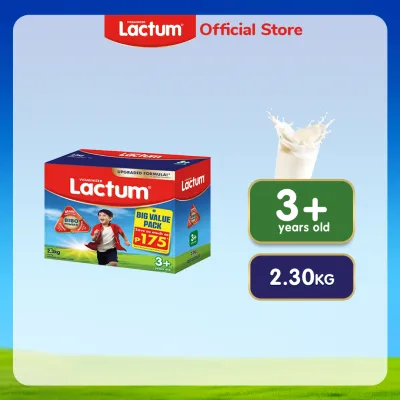
![[LAZ EXCLUSIVE] Lactum 3+ Plain Powdered Milk Supplement Drink for Children 3+ Years Old 13.8kg (2.3kg x 6)](https://img.lazcdn.com/g/p/3836595092b27440da246aa42d0c6675.jpg_400x400q80.jpg_.webp)
Prices are valid at publication and may change. Please refer to the product page for the latest price.
First, always verify the exact age stage printed on the front of the packaging. Formulas are carefully calibrated to meet the physiological needs of specific age groups, such as Stage 3 for toddlers aged one to three years, and Stage 4 for children aged three years and older. Feeding a child a formula designed for a different age group can lead to an imbalance in nutrient intake, as younger toddlers require different ratios of proteins, fats, and minerals compared to older children.
Second, examine the macronutrient profile and caloric density per serving. Toddlers require a balanced daily intake of healthy fats, proteins, and carbohydrates to fuel their active lives. Compare the total calories and protein content per prepared serving against your child’s typical daily solid food intake. If your toddler is an active eater who consumes a wide variety of meats, vegetables, and grains, they may require a different nutritional complement than a toddler who is currently experiencing a picky eating phase.
Third, scan the ingredient list carefully for added sugars and artificial flavorings. Ingredients such as sucrose, corn syrup solids, maltodextrin, and fructose are often added to enhance taste and solubility. While these ingredients provide quick energy, excessive consumption of added sugars can contribute to early childhood tooth decay and establish a preference for overly sweet foods. Opting for formulas that prioritize lactose as the primary carbohydrate source is generally closer to the natural composition of milk.
Finally, identify potential allergens or specific dietary sensitivities. Standard toddler milks are derived from cow’s milk and contain lactose and intact milk proteins. If your child has a history of mild digestive issues, skin rashes, or a diagnosed allergy, you must look for specific allergen warnings or alternative formulations. Always consult a healthcare professional before introducing any milk if you suspect your child has a food sensitivity.
Brand-by-Brand Label Verification Guide
To choose effectively, you must know what to look for on the physical packaging of each brand. Formulations can be updated periodically by manufacturers, meaning that online reviews or older articles may reference ingredients or nutritional values that are no longer accurate. Always verify the current label of the specific product available in your local store or official online outlet.

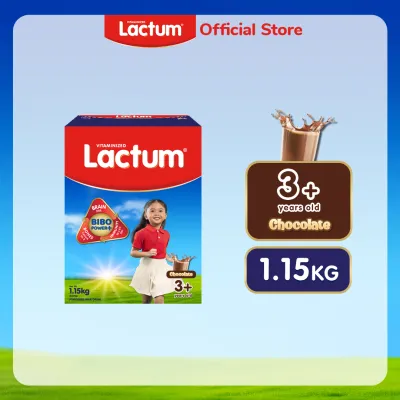
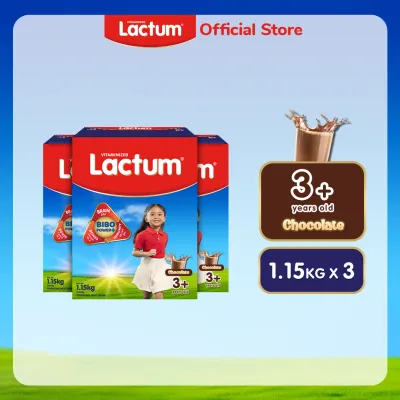
Lactum 3 Plus
When examining a tin of Lactum 3 Plus, pay close attention to the sections of the label dedicated to daily wellness and immune support. This brand is traditionally formulated to provide a balanced blend of essential nutrients that support overall growth and a healthy immune system. Look for the specific levels of Vitamin C, Zinc, Vitamin A, and Vitamin E, which are key micronutrients that contribute to the normal function of the immune system.
Additionally, check the label for the presence of dietary fibers or prebiotics, which support gut health and regular bowel movements. Verify the calcium and Vitamin D content per serving, as these are crucial for supporting bone and teeth development during this rapid growth phase. Always read the preparation instructions carefully to note the exact scoop-to-water ratio, ensuring you do not accidentally over-dilute or over-concentrate the drink.
Nido
Nido is a widely recognized brand that often focuses on comprehensive growth and taste acceptance, making it a popular choice for parents of picky eaters. When reviewing the Nido nutrition facts panel, examine the overall vitamin and mineral fortification levels. Look for the inclusion of micronutrients like Iron, Vitamin C, and B-vitamins, which help support energy metabolism and daily vitality.
Because Nido is designed to appeal to a broad range of children, it is particularly important to check the ingredient list for any added sugars or flavorings that might influence your child’s taste preferences. Furthermore, verify the specific product variant you are purchasing, as Nido offers various formulations, including powdered options and ready-to-drink formats. Each variant has distinct storage requirements, which must be strictly followed to maintain freshness in hot and humid tropical climates.
Enfagrow
Enfagrow is typically formulated with a strong emphasis on cognitive development and brain-supporting nutrients. When inspecting the packaging of Enfagrow, locate the declared amounts of DHA (docosahexaenoic acid) and ARA (arachidonic acid) on the nutrition panel. These long-chain polyunsaturated fatty acids are important structural components of the brain and retina, and their inclusion is a primary feature of this brand’s formulation.
Beyond brain nutrients, compare the protein source and quality listed in the ingredients. Ensure that the protein levels align with your child’s growth requirements without placing an unnecessary load on their developing kidneys. Check for any specific preparation guidelines or warnings on the tin, as specialized nutrient blends can sometimes be sensitive to high water temperatures during mixing.
NAN
NAN is often selected by parents whose toddlers require a focus on digestive comfort and gentle formulations. When evaluating NAN packaging, check the label for specific probiotic strains, such as Bifidobacterium lactis, which are beneficial bacteria that support a healthy gut microbiota. Some variants may also feature partially hydrolyzed whey proteins, which are broken down into smaller pieces to make them easier for a toddler’s sensitive digestive system to process.
Carefully review the allergen statements on the back of the tin, especially if your child has a history of mild skin sensitivities or digestive fussiness. Because gentle and hydrolyzed formulas can have unique physical properties, verify the concentration and mixing guidelines precisely. Proper preparation is essential to prevent digestive upset and ensure your child receives the intended nutritional value.
Ensuring Authenticity: Where to Buy Official Products
Ensuring the authenticity of your toddler’s milk is just as important as choosing the right brand. Counterfeit, expired, or improperly stored milk powder poses significant health risks to young children, including bacterial contamination and nutritional deficiencies. In the Philippines, the high humidity and warm temperatures make proper storage and supply chain integrity critical.
To guarantee product safety, purchase toddler milk only from official brand flagship stores on major e-commerce platforms or authorized physical supermarkets and pharmacies. Official flagship stores are directly managed by the manufacturers or authorized distributors, ensuring that the products are genuine and have been stored in temperature-controlled environments. Avoid purchasing from unauthorized third-party sellers on online marketplaces, especially those offering prices that are significantly lower than the standard retail rate.
When your purchase arrives or before you leave the store, conduct a thorough physical inspection of the packaging. Verify that the safety seals are completely intact and show no signs of tampering. Check the bottom or side of the tin for a clearly printed batch number and a valid expiration date. Do not purchase or use any product with dented, rusted, or bloated packaging, as these physical defects can compromise the sterile environment inside the tin and lead to spoilage.
Decision Framework: Which Brand Fits Your Toddler?
To finalize your choice, it helps to align each brand’s typical formulation focus with your child’s specific health profile and daily habits. Use the following guidelines as a starting point for your decision-making process, keeping in mind that your child’s individual response to the formula is the ultimate test of suitability.
Consider Lactum 3 Plus if your primary goal is supporting daily immunity and gut health, and your child has no history of digestive sensitivities or milk allergies. This option is designed to provide solid, balanced nutrition for everyday wellness. If your toddler is a picky eater who struggles to consume a varied diet, Nido may be a suitable choice due to its comprehensive vitamin fortification and high taste acceptance among young children.
If your pediatrician recommends prioritizing specific brain-supporting nutrients like DHA and ARA to complement your child’s cognitive development, Enfagrow is a strong candidate to discuss. On the other hand, if your toddler frequently experiences mild digestive discomfort, gassiness, or irregular bowel movements, NAN’s focus on probiotics and gentle proteins may offer the digestive support they need.
However, it is crucial to recognize that none of these standard toddler milks are suitable if your child has a diagnosed cow’s milk protein allergy, severe lactose intolerance, or specific metabolic conditions. These medical issues require specialized, hypoallergenic, or lactose-free formulas that must be prescribed by a specialist. Always consult your pediatrician before transitioning your child to a new brand of toddler milk, especially if they have a history of chronic reflux, failure to thrive, or if you are uncertain about the correct timing for transitioning from infant formula.
Frequently Asked Questions (FAQ)
Can I mix two different toddler milk brands in the same bottle?
No, mixing two different toddler milk brands in the same bottle is generally discouraged by pediatricians and nutritionists. Each brand of toddler milk is formulated with a specific concentration of nutrients, and the manufacturer designs a unique scoop size and water-to-powder ratio to achieve the correct balance. Mixing different powders can alter this delicate ratio, leading to a mixture that is either too concentrated or too diluted. A mixture that is too concentrated can strain your toddler’s developing kidneys and cause dehydration, while an under-concentrated mixture may deprive them of essential calories and nutrients.
Furthermore, mixing brands makes it extremely difficult to identify the cause of any adverse reactions. If your child experiences digestive upset, a skin rash, or an allergic reaction after consuming a mixed bottle, you will not be able to determine which brand triggered the response. To ensure safety and proper digestion, stick to one brand at a time. If you need to transition your child from one brand to another, consult your pediatrician for a safe, gradual transition schedule that allows your child’s digestive system to adapt.

Community discussion
Share your experience or ask a question. Comments are reviewed before publication.