
As your child reaches three years old, their nutritional needs shift dramatically to support rapid physical growth and cognitive development. Choosing the right growing-up milk can feel overwhelming with options like Lactum 3 Plus Chocolate, Nido, and Enfagrow lining the supermarket shelves. The ideal choice for your toddler depends on their specific dietary gaps, flavor preferences, and your family budget. Rather than looking for a single universal winner, the best approach is to evaluate how each brand’s formulation, taste profile, and cost per serving align with your child’s daily solid food intake and your household needs.
At this developmental stage, milk serves as a supplement to a diverse diet of solid foods, helping to fill potential nutritional gaps. Some toddlers are highly selective eaters who reject plain milk, making a flavored option like chocolate highly appealing, while others do well with standard formulations. By learning how to read the nutrition labels, calculate the actual cost per glass, and assess your child’s unique growth priorities, you can confidently select a growing-up milk that supports their health journey.
Key Nutritional Dimensions to Compare on the Label
When standing in the milk aisle, the nutrition facts panel on the back of the tin is your most reliable tool for making an informed decision. Manufacturers design growing-up milks with specific nutrient blends intended to support toddlers during this active phase of development. To make an accurate comparison between Lactum, Nido, and Enfagrow, you must look beyond the front-of-pack marketing claims and examine the exact values listed in the nutritional table.
Products mentioned in this guide
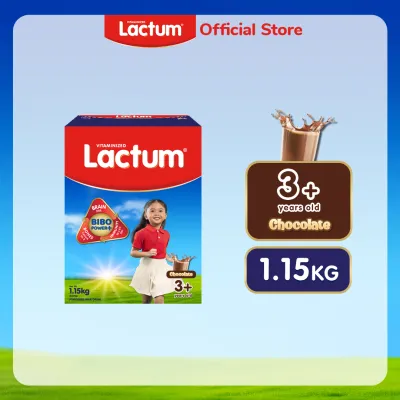
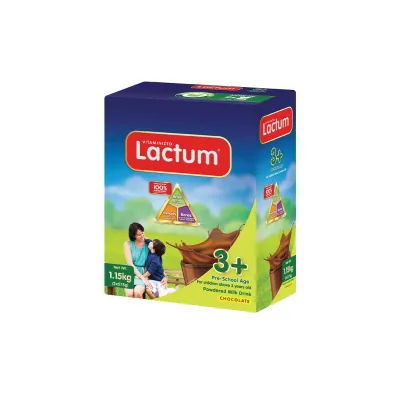
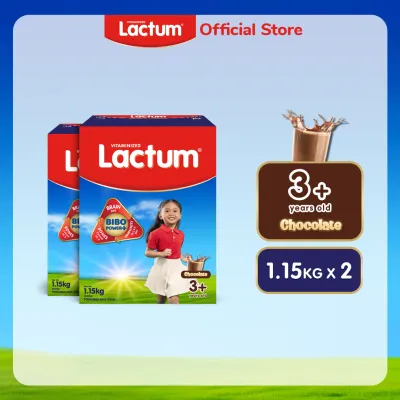
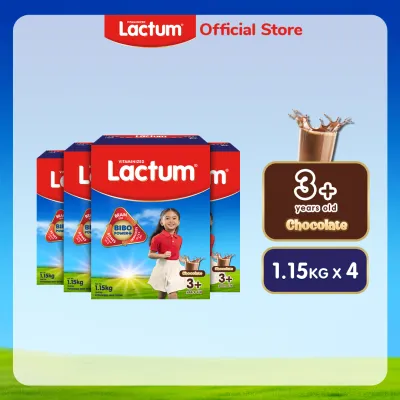
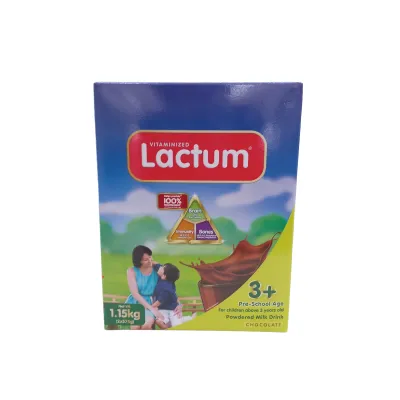
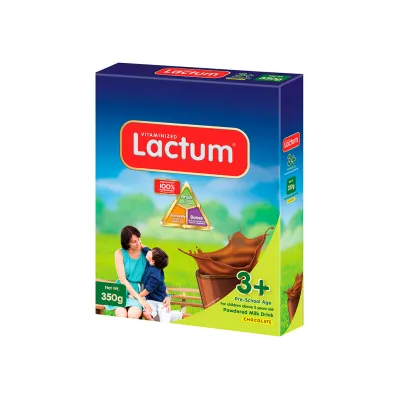
Prices are valid at publication and may change. Please refer to the product page for the latest price.
Start by identifying the key micronutrients essential for a three-year-old’s development: calcium, iron, vitamin D, zinc, and docosahexaenoic acid (DHA). Calcium and vitamin D work synergistically to support bone and teeth development, which is crucial as your toddler becomes more physically active. Iron and zinc play vital roles in supporting cognitive function and maintaining a healthy immune system. DHA, an omega-3 fatty acid, is frequently highlighted in toddler formulas due to its association with brain development.
To compare these nutrients effectively, look at the absolute amounts per 100 grams of powder or per serving, rather than relying solely on the percentage of daily recommended energy and nutrient intakes. Because serving sizes and dilution ratios vary significantly between brands, comparing the nutrient density per 100 grams provides a standardized baseline. If a brand lists nutrients per serving, ensure you check how many grams of powder constitute a single serving to make an accurate comparison.
Additionally, always verify the recommended age range printed clearly on the packaging. Growing-up milks are carefully formulated for specific developmental windows, and the nutrient concentrations in a formula designed for a one-year-old differ from those intended for a three-year-old. Ensure the tin you select is explicitly labeled for children aged three and above, often designated as “3+” or “Stage 4” depending on the brand’s specific labeling system.
Flavor Preferences and Sugar Content Considerations
Introducing a flavored option like Lactum 3 Plus Chocolate can be a practical strategy for parents dealing with picky eaters who consistently reject plain milk. The familiar, appealing taste of chocolate can encourage a toddler to consume their daily recommended milk intake, ensuring they do not miss out on essential vitamins and minerals. However, introducing flavored milk requires a careful balance to ensure your child’s overall diet remains healthy and balanced.

When considering a flavored growing-up milk, it is crucial to inspect the ingredient list and the carbohydrate breakdown on the nutrition label. Look specifically for “Added Sugars” or sucrose, which are often used to enhance flavor but do not contribute positive nutritional value. Compare the total carbohydrate and sugar content per serving across Lactum 3 Plus Chocolate, Nido, and Enfagrow. Plain formulations typically contain lactose, the naturally occurring sugar in milk, which is generally preferred over added cane sugar or corn syrup solids.
If you choose a flavored milk to address picky eating, you must actively manage your child’s broader daily diet to prevent excessive sugar consumption. High sugar intake in early childhood can contribute to dental cavities and establish a preference for overly sweet foods, potentially making it harder to introduce healthy solid foods later. Consider serving flavored milk only during specific meals rather than as a constant beverage throughout the day, and ensure your child drinks plenty of plain water to stay hydrated in our warm, tropical climate.
You can also use flavored milk as a transitional tool. If your goal is to eventually transition your child to plain milk, you can gradually mix small amounts of plain growing-up milk into the chocolate-flavored milk over several weeks. This slow adjustment allows your toddler’s palate to adapt to the less sweet taste without a sudden rejection of their cup.
Calculating Cost and Value per Serving
Evaluating the financial impact of a growing-up milk requires looking past the retail price of the tin and calculating the actual cost per serving. A larger, more expensive tin may actually offer better long-term value if it requires fewer scoops per serving or contains more total servings than a cheaper, smaller alternative. To manage your household budget effectively, you can use a simple calculation method to find the true cost of each glass of milk.
To calculate the cost per serving, first determine the total number of servings a single tin provides. Look at the packaging to find the net weight of the powder in grams and the recommended weight of a single serving (usually specified in grams or number of scoops). Divide the total net weight by the serving size to find the total number of servings per tin. Finally, divide the retail price of the tin (for example, ₱800) by the total number of servings to determine the exact cost per glass.
When performing this calculation, pay close attention to the recommended scoop sizes and water ratios, as these vary significantly across Lactum, Nido, and Enfagrow. One brand might require four scoops of powder per 200ml of water, while another might require five or six scoops for the same volume. This variation means that two tins of the same net weight can yield a different number of prepared glasses, directly affecting the daily cost of feeding your child.
To optimize your spending, look for bulk packaging options, such as multi-packs or larger box sizes, which typically offer a lower cost per gram compared to small tins. You can also check authorized online brand stores or local supermarkets for loyalty programs, subscription discounts, or seasonal promotions. Buying from authorized sellers ensures you receive authentic, properly stored products while taking advantage of genuine cost savings.
Decision Framework: Choosing the Right Milk for Your Child
Selecting the right growing-up milk involves matching each brand’s unique characteristics with your child’s specific developmental needs, eating habits, and your family’s financial plan. Because there is no single formula that suits every toddler, using a conditional framework can help you clarify which option aligns best with your current priorities.
Consider choosing Lactum 3 Plus Chocolate if your primary challenge is milk acceptance and your child consistently refuses plain milk. This option provides a highly palatable flavor that can help secure daily intake of essential nutrients, provided you actively monitor and balance their overall sugar consumption from other dietary sources throughout the day.
Opt for Nido if you are looking for a widely accessible, budget-friendly option that focuses on foundational nutrition. Before purchasing, carefully check the packaging to verify the exact stage and age recommendation for three-year-olds, and calculate the cost per serving to ensure it fits comfortably within your monthly household expenses.
Select Enfagrow if you prefer a formulation with a specific focus on cognitive and developmental nutrients, such as higher levels of DHA, and if this specific nutrient profile aligns with the guidance of your child’s pediatrician. This option is often chosen by parents who prioritize specific ingredient concentrations and are comfortable with a potentially higher cost per serving.
Regardless of which brand you lean toward, always consult your pediatrician before making a final decision or switching formulas, especially if your child has a history of food allergies, lactose intolerance, or digestive sensitivities. A qualified medical professional can assess your child’s growth chart and dietary intake to recommend whether a standard growing-up milk or a specialized medical formula is necessary.
Practical Tips for Serving and Transitioning Milks
Introducing a new milk brand or transitioning from plain to flavored milk requires a gentle, systematic approach to prevent digestive discomfort and minimize the risk of food rejection. Toddlers can be highly sensitive to changes in taste, texture, and temperature, so making gradual adjustments is key to a successful transition.
To transition your child smoothly, implement a gradual mixing plan over a period of seven to ten days. Start by mixing three-quarters of the old milk with one-quarter of the new milk in the same cup for the first few days. If your child tolerates this well without digestive upset or refusal, move to a half-and-half mixture for the next three days, followed by a three-quarters new milk mixture, before finally serving the new milk exclusively. This slow progression gives your child’s digestive system and taste buds time to adapt.
Maintaining strict hygiene during preparation is essential to protect your toddler from foodborne illnesses, particularly in humid, tropical environments where bacteria can multiply rapidly. Always wash your hands thoroughly with soap and water before handling the milk powder and utensils. Ensure that all cups, spoons, and preparation surfaces are clean and dry. Follow the manufacturer’s instructions precisely regarding water temperature and powder-to-water ratios; using too much or too little powder can lead to dehydration or nutritional imbalances.
Finally, always remember that growing-up milk is designed to supplement, not replace, a balanced diet of solid foods. By the age of three, your child should receive the majority of their daily nutrients from a diverse variety of solid foods, including fruits, vegetables, grains, and proteins. Limit milk consumption to the recommended daily servings to ensure your child remains hungry enough to enjoy and explore solid foods during family mealtimes.
Frequently Asked Questions (FAQ)
Can I mix different brands of growing-up milk in the same cup?
Mixing different brands or stages of growing-up milk in the same cup is generally discouraged. Each brand has a unique formulation with specific nutrient concentrations, scoop sizes, and water dilution ratios designed by the manufacturer. Mixing them together can alter the intended nutritional balance, potentially making the drink too concentrated or too diluted, which can strain your toddler’s developing kidneys or cause digestive issues. If you need to transition your child from one brand to another, it is safer to prepare each milk separately according to its specific instructions, or use a gradual transition method where you slowly adjust the ratio of fully prepared milks.
How many servings of growing-up milk should a 3-year-old drink daily?
You should always check the specific feeding guide printed on your chosen product’s packaging, as recommended daily servings vary by brand and formulation. Generally, pediatric guidelines suggest that toddlers drink around two small glasses of milk per day. Consuming excessive amounts of milk can fill up your child’s small stomach, reducing their appetite for essential solid foods and potentially leading to nutritional deficiencies, such as iron-deficiency anemia. If you are unsure about the ideal daily intake for your child, consult your pediatrician to get a personalized recommendation based on your toddler’s growth and overall diet.

Community discussion
Share your experience or ask a question. Comments are reviewed before publication.