
Choosing the right formula milk for your growing child is a frequent decision Filipino parents face. With prominent options like Lactum, Nido, and Enfagrow lining supermarket shelves, finding the ideal match requires balancing your child’s developmental needs with your household budget. There is no single “best” formula milk that works universally; instead, the optimal choice depends on specific factors such as your child’s age, nutritional requirements, taste preferences, and your financial planning.
To navigate this decision effectively, parents must look beyond brand names and marketing slogans. A thorough comparison involves evaluating the nutrition facts panels, understanding age-stage availability, observing how well your child digests the milk, and calculating the actual price per serving in Philippine Pesos (₱). By taking a systematic approach, you can select a formula that supports your child’s growth milestones while remaining sustainable for your family’s monthly expenses.
Understanding Your Child's Nutritional Needs and Age Stage
Before comparing specific brands, it is essential to assess your child’s unique dietary requirements. Children go through rapid physical and cognitive developmental phases, particularly during the toddler and preschool years. During these stages, their daily diet of solid foods may sometimes fall short of meeting all their nutritional needs, leaving gaps in essential vitamins and minerals. Consulting your pediatrician is the most reliable way to identify these gaps and determine if a fortified milk formula is appropriate to supplement their daily meals.
Products mentioned in this guide
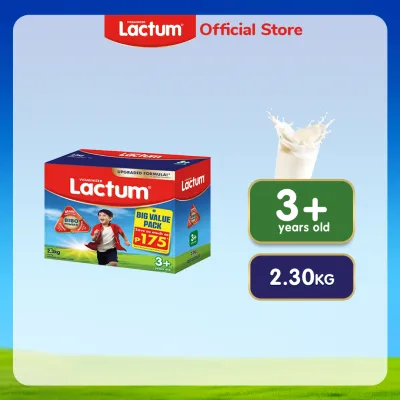

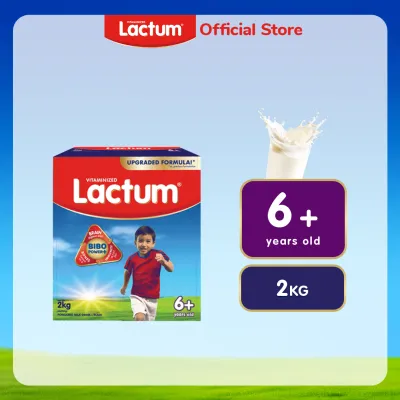
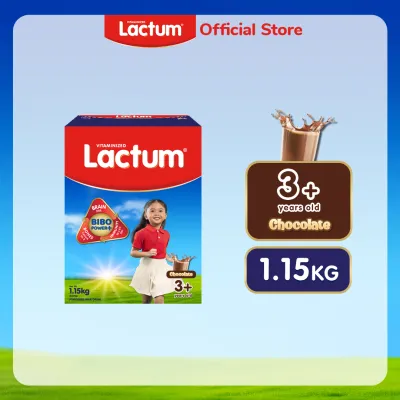
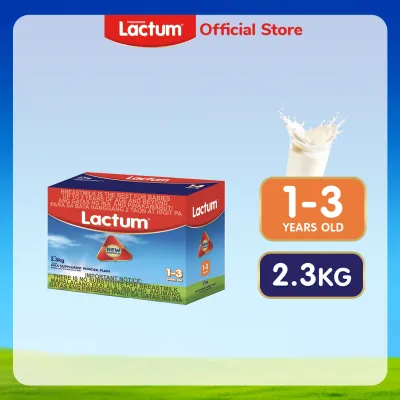
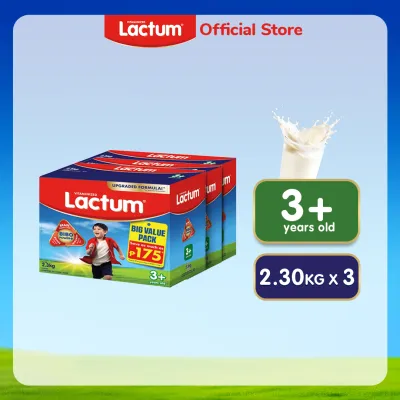
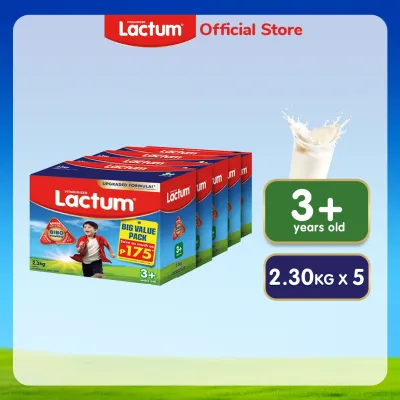
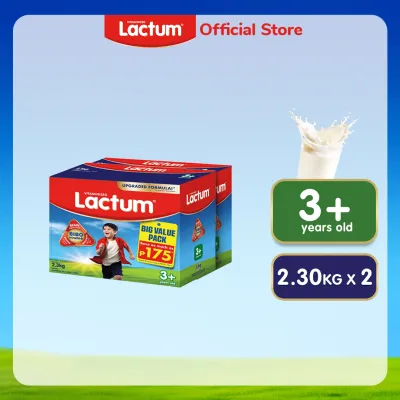
Prices are valid at publication and may change. Please refer to the product page for the latest price.
Manufacturers design formula milk to cater to specific age brackets, which are clearly indicated on the packaging. For example, formulas are typically categorized into Stage 3 for toddlers aged one to three years, and Stage 4 for preschoolers aged three years and older. Feeding your child a formula that matches their exact age stage is crucial because the nutrient concentrations are calibrated to support the specific physiological demands of that developmental period. Using a stage that is too advanced or too young for your child may lead to an imbalance in their nutrient intake.
Additionally, parents must remain vigilant for any signs of food sensitivities or digestive issues. Symptoms such as persistent abdominal bloating, excessive gas, skin rashes, or sudden changes in stool consistency can indicate lactose intolerance or a milk protein allergy. If you observe these reactions, standard milk formulas from Lactum, Nido, or Enfagrow may not be suitable. In such cases, you should immediately consult a healthcare professional who can recommend specialized, lactose-free, or hypoallergenic formulas tailored to your child’s medical needs.
Comparing Nutritional Profiles and Label Claims
When comparing Lactum, Nido, and Enfagrow, the most objective starting point is the nutrition facts panel and the ingredient list printed on the packaging. Parents should look for essential vitamins and minerals that support overall growth and development. Key nutrients to check include Iron, which supports cognitive development and oxygen transport; Calcium and Vitamin D, which are vital for building strong bones and teeth; and Vitamin C and Zinc, which contribute to normal immune function. Comparing the exact amounts of these nutrients per serving helps you understand what each brand offers.

Beyond basic vitamins and minerals, manufacturers often fortify their formulas with specialized ingredients. You will frequently see labels highlighting ingredients such as DHA (docosahexaenoic acid), lutein, prebiotics, or probiotics. DHA is an omega-3 fatty acid that is commonly associated with brain and eye development, while prebiotics (such as oligofructose or inulin) and probiotics are added to support gut health and digestion. When evaluating these claims, check the ingredient list to verify the presence of these components and compare their concentrations across the different brands to see which aligns best with your pediatrician’s recommendations.
Another critical factor to examine is the carbohydrate source and sugar content listed in the ingredients. Some formulas use lactose as the primary source of carbohydrates, which is the natural sugar found in breastmilk. Other formulations may include added sugars such as sucrose, corn syrup solids, or glucose syrup to enhance taste or adjust texture. If you prefer to limit your child’s intake of added sugars to encourage healthy dietary habits early in life, carefully read the ingredient list to identify which carbohydrate sources are utilized in each brand.
Age Stage Availability and Transitioning
Each of the three brands offers a structured product line designed to accompany your child through different growth phases. Lactum, Nido, and Enfagrow all provide options for toddlers (typically Stage 3 for ages 1-3) and preschoolers (Stage 4 for ages 3 and up). However, the specific age brackets and product variants can vary slightly. For instance, some brands may offer specialized versions for school-aged children beyond six years old, while others focus heavily on the toddler years. Reviewing the product lineup of each brand ensures you can maintain continuity as your child grows.
If you decide to switch your child from breastmilk, an infant formula, or another milk brand, transitioning must be handled carefully. Manufacturers generally recommend a gradual transition process rather than an abrupt switch. This involves slowly introducing the new formula by mixing it with the current milk in increasing proportions over several days. For example, you might start with a ratio of one-fourth new formula and three-fourths old formula, gradually shifting the ratio until the transition is complete. This gradual method allows your child’s digestive system to adapt to the new formulation and minimizes the risk of digestive upset.
Product availability is another practical consideration for busy parents. While Lactum, Nido, and Enfagrow are widely distributed across the Philippines, certain packaging sizes or specific variants may occasionally experience stock fluctuations. It is wise to verify the consistent availability of your chosen brand at your local supermarkets, drugstores, and authorized online stores on major e-commerce platforms. Ensuring a steady supply prevents the inconvenience of having to make sudden, unplanned brand switches due to local stock shortages.
Taste Acceptance and Digestibility Observations
A formula can have an excellent nutritional profile on paper, but it will only benefit your child if they actually drink it. Children have highly sensitive palates and can easily detect differences in the taste, aroma, and texture of different milk brands. Some formulas have a sweeter profile due to added sugars, while others have a more neutral, milky taste or a distinct aroma from specific nutrient fortifications. Observing your child’s initial reaction—such as whether they drink the serving willingly or refuse the cup—is a key part of finding the right match.
Alongside taste, monitoring how well your child digests the formula is critical. When introducing a new brand, keep a close eye on their digestive comfort over the first few weeks. Look for observable signs of digestive tolerance, such as regular stool patterns, comfortable bowel movements, and the absence of excessive spitting up or abdominal discomfort. Because every child’s digestive system is unique, a formula that works perfectly for one child might cause mild digestive changes in another.
If your child experiences persistent digestive issues, consistently refuses to drink the milk, or shows signs of an allergic reaction, stop using the formula immediately. Consult your pediatrician to get professional guidance on the symptoms. It is highly recommended to avoid switching between different brands frequently or without medical advice, as constant changes can irritate your child’s digestive tract and make it difficult to pinpoint the actual cause of their discomfort.
Calculating Price per Serving and Budget Planning
To manage your household expenses effectively, it is important to calculate the actual cost of feeding rather than relying solely on the retail price of the box or tin. The shelf price can be misleading because different brands require different scoop sizes and water ratios to prepare a single serving. To find the true cost, you can calculate the price per serving using the preparation instructions on the label.
To perform this calculation, first determine the total number of grams of powder required for one serving by multiplying the weight of one scoop (in grams) by the number of scoops recommended for a standard glass of water. Next, divide the total net weight of the package by the grams required per serving to find the total number of servings per pack. Finally, divide the retail price of the package by the total number of servings. This calculation gives you the exact price per serving in Philippine Pesos (₱), allowing for an accurate, head-to-head financial comparison.
Additionally, consider how packaging sizes affect your budget and product freshness. Large bulk tins (such as 1.2kg or 1.6kg packs) generally offer a lower cost per gram compared to smaller boxes or single-serve sachets. However, in the humid tropical climate of the Philippines, large containers must be stored in a cool, dry place and consumed within the manufacturer’s recommended timeframe after opening to prevent clumping or spoilage. For families on a tight budget or those testing a new brand, smaller boxes or sachets can be a practical way to minimize upfront costs and avoid waste before committing to a larger purchase. You can also look for official promotions, bundle deals, or loyalty rewards on authorized e-commerce platforms to help optimize your monthly budget.
Decision Framework: Choosing the Right Formula Milk
Selecting the right formula milk involves matching your child’s specific needs and your family’s circumstances to the characteristics of each brand. This conditional framework can guide your final decision:
- Choose Lactum if you are looking for a widely accessible, budget-friendly option that provides essential macronutrients and micronutrients aligned with standard growth requirements, and your child prefers its taste profile.
- Choose Nido if your priority is a highly accessible brand with a strong focus on everyday nutritional support, prebiotics, and immune-supporting nutrients for active toddlers and preschoolers, fitting comfortably within a mid-range household budget.
- Choose Enfagrow if your pediatrician recommends a formula with specific levels of DHA and other specialized nutrients, and your family budget accommodates a premium price point for targeted developmental support.
Keep in mind that if your child has diagnosed medical conditions, severe allergies, or metabolic disorders, standard formulas from these brands are not suitable. Always consult your pediatrician for a prescription formula tailored to your child’s specific health requirements.
Frequently Asked Questions (FAQ)
Can I mix Lactum, Nido, and Enfagrow in one serving?
Mixing different formula brands in a single serving is generally not recommended. Each brand is formulated with a specific balance of nutrients, proteins, and minerals, and has its own precise scoop size and water-to-powder ratio. Combining different powders can alter the intended nutrient concentration and osmolarity of the milk, which may lead to digestive issues, constipation, or dehydration. If you are transitioning your child from one brand to another, do so by gradually replacing entire servings over several days rather than mixing the powders together in the same cup, unless explicitly advised otherwise by your pediatrician.
How long can I keep prepared formula milk at room temperature?
Prepared formula milk should generally be consumed within one to two hours of preparation if kept at room temperature. In the warm and humid climate of the Philippines, bacteria can multiply rapidly in prepared milk, increasing the risk of foodborne illness. If your child does not finish the entire serving within this timeframe, discard the leftover milk immediately. Avoid saving half-empty cups for later feedings, as bacteria from your child’s saliva can contaminate the remaining milk and grow quickly.
Community discussion
Share your experience or ask a question. Comments are reviewed before publication.