
Choosing the right growing-up milk for your six-year-old child involves comparing nutritional labels, understanding taste preferences, and calculating the daily cost to fit your household budget. In the Philippines, where warm tropical weather and active school days demand consistent hydration and energy, powdered milk drinks like Lactim 6 Plus and Nido FortiGrow are popular choices for school-age children. While both options aim to support growth and development during these crucial school years, they differ in their specific nutrient formulations, flavor profiles, and overall cost per serving. By learning how to analyze their ingredient lists, calculate the actual cost per glass, and conduct a safe taste test at home, you can confidently select the milk that best supports your child’s daily activities and fits your family’s financial routine.
Core Nutritional Profiles and Label Checks
To make an informed choice between Lactim 6 Plus and Nido FortiGrow, start with a close inspection of the nutrition facts panel on the packaging. Compare the recommended serving size, usually measured in grams or tablespoons, and the corresponding calories per serving to ensure it matches your child’s daily energy needs. Look closely at key nutrients that support school-age development, such as calcium, vitamin D, iron, and zinc. Calcium and vitamin D work together to support strong bones and teeth as your child grows taller, while iron is essential for healthy blood oxygen levels and cognitive function during school hours. Some growing-up milks also include docosahexaenoic acid (DHA), an omega-3 fatty acid often associated with brain development, so check the label to see if and how much DHA is present in each option.
Beyond vitamins and minerals, examine the ingredient list to identify the primary carbohydrate source, which is ideally lactose, the natural sugar found in milk. Be on the lookout for added sugars, such as sucrose, corn syrup solids, glucose syrup, or maltodextrin, which manufacturers sometimes add to enhance flavor or texture. While these ingredients provide quick energy, a high intake of added sugars can impact dental health and shape your child’s preference for overly sweet foods. Finally, never overlook the allergen warnings and age-appropriateness statements printed on the packaging. If your child has known food sensitivities, reading the allergen statement is a vital safety step before introducing any new milk drink.
Products mentioned in this guide
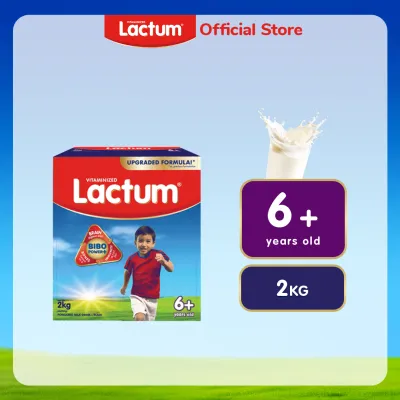
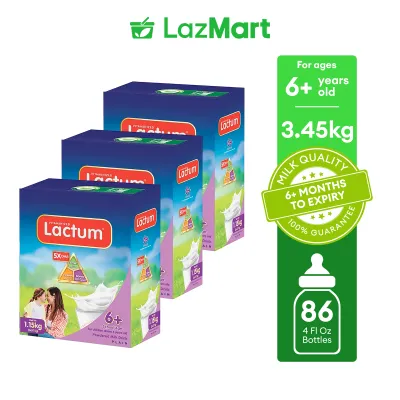
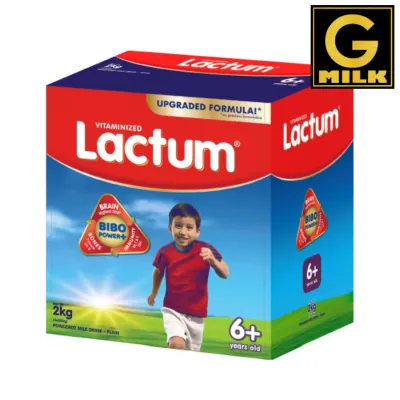
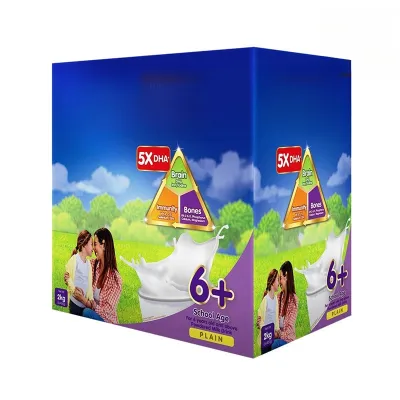

Prices are valid at publication and may change. Please refer to the product page for the latest price.
Taste, Mixability, and Daily Acceptance
Even the most nutritionally complete milk will not benefit your child if they refuse to drink it, making taste and daily acceptance crucial factors in your decision. Growing-up milks in the Philippines are available in various flavor profiles, ranging from classic plain milk flavors to sweet vanilla or chocolate options. When comparing Lactim 6 Plus and Nido FortiGrow, check the ingredient list for natural or artificial flavorings, which can significantly influence how sweet or aromatic the prepared drink is. To avoid purchasing a large, expensive tin that your child might reject, conduct a safe, small-scale taste test first using smaller trial pouches or boxes. Prepare a single small serving of each milk according to the package directions and let your child taste them side-by-side to observe their immediate reaction to the flavor and texture.

Proper preparation is also key to ensuring a smooth, clump-free texture that children find appealing. Always follow the manufacturer’s specific mixing instructions, which typically detail the exact ratio of powder to water and the ideal water temperature. In tropical climates, using lukewarm or room-temperature drinking water is generally recommended to help the powder dissolve completely without destroying heat-sensitive vitamins. While monitoring acceptance, stay alert for any physical signs that the milk might not agree with your child’s digestive system. Keep a close eye on their digestion during the first week of introducing a new brand, looking out for signs of discomfort such as bloating, excessive gas, stomach cramps, or changes in bowel movements.
Price per Serving and Value Assessment
Managing a household budget in the Philippines requires a clear understanding of the true cost of daily consumables, rather than just looking at the shelf price of a single tin. To compare the financial value of Lactim 6 Plus and Nido FortiGrow accurately, calculate the cost per serving by dividing the retail price in ₱ by the number of servings per package. When shopping, you will find that both brands are offered in various packaging formats, including small boxes, medium pouches, and large metal tins. Generally, larger tins or bulk pouches offer a lower cost per gram, making them more economical for long-term use if your child drinks milk daily. It is highly beneficial to compare prices across local supermarkets and authorized online marketplaces to find bundle deals or bulk discounts.
To understand the long-term impact on your family budget, project these costs over a full month based on your child’s recommended daily intake. If the manufacturer recommends two servings per day, multiply your calculated cost per serving by two, and then by thirty days to estimate the monthly expense for each brand. However, saving money through bulk buying requires careful attention to product freshness and storage conditions. Before purchasing multiple tins or large pouches, always check the expiration dates printed on the bottom or back of the packaging to ensure your child can consume the milk before it expires. In the humid Philippine climate, opened powdered milk must be stored in a cool, dry place in an airtight container to prevent moisture absorption and spoilage.
Making the Final Decision for Your Child
Making the final choice between Lactim 6 Plus and Nido FortiGrow involves balancing your child’s personal preferences with your family’s practical needs. Choose Lactim 6 Plus if your child prefers its specific flavor profile or if its label better aligns with your targeted nutrient goals, such as a lower sugar content or higher levels of a particular vitamin. Conversely, choose Nido FortiGrow if its ingredient list, widespread availability in local stores, and cost per serving better fit your family’s daily routine and budget. A milk brand that is easy to find at your local neighborhood supermarket or grocery store saves you time and prevents sudden disruptions in your child’s diet when a tin runs out.
It is important to recognize, however, that neither of these growing-up milks may be suitable if your child exhibits signs of underlying digestive sensitivities. If your child experiences persistent bloating, diarrhea, skin rashes, or vomiting after consuming either milk, they may be dealing with lactose intolerance or a cow’s milk protein allergy. Before making any major changes to your child’s diet, especially if they have specific dietary restrictions, growth concerns, or underlying medical conditions, always consult a pediatrician or a registered dietitian. A healthcare professional can assess your child’s overall growth chart, evaluate their solid food intake, and provide personalized recommendations on whether a fortified growing-up milk is necessary.
Frequently Asked Questions (FAQ)
Can a 6-year-old drink regular fresh milk instead of growing-up milk?
Plain fresh milk is an excellent source of calcium and high-quality protein, but it generally lacks the added vitamins, minerals, and iron that are commonly found in fortified growing-up milks. Whether your six-year-old should drink fresh milk or a fortified milk drink depends largely on their overall daily diet and eating habits. If your child is a picky eater who struggles to consume a wide variety of solid foods, a fortified growing-up milk can help bridge potential nutritional gaps in their daily intake. However, if your child already eats a well-balanced diet rich in fruits, vegetables, lean proteins, and whole grains, plain fresh milk may be perfectly sufficient. It is best to consult your pediatrician to evaluate your child’s specific nutritional status and determine which type of milk is most appropriate for their needs.
How many servings of growing-up milk should a 6-year-old have daily?
Parents should always refer to the specific serving recommendations printed on the product label of the chosen brand, as serving sizes and nutrient concentrations vary. Generally, most manufacturers recommend one to two glasses of growing-up milk per day for school-age children to supplement their solid food intake. It is important to avoid overconsumption, as drinking too much milk can fill your child’s stomach and significantly reduce their appetite for nutrient-dense solid foods during regular mealtimes. To support healthy growth, milk should be treated as a supplement to, rather than a replacement for, a diverse and balanced diet consisting of whole grains, proteins, vegetables, and fruits.

Community discussion
Share your experience or ask a question. Comments are reviewed before publication.