
Choosing between Lactum 6+ and Nido FortiGrow for your 6-year-old child comes down to matching their specific dietary needs, flavor preferences, and digestive comfort. There is no single one-size-fits-all option that fits every child in the Philippines. While both are widely recognized growing-up milk brands designed to support school-aged children, they feature distinct ingredient bases, nutrient balances, and taste profiles. By examining their packaging labels, understanding how to calculate their actual cost per serving, and observing your child’s physical response, you can make an informed decision tailored to your household budget and your child’s daily routine.
At six years old, children experience rapid physical growth and cognitive development as they transition into formal schooling. This stage demands consistent energy and a robust immune system to handle daily classroom activities and outdoor play. Growing-up milks are formulated to act as a nutritional safety net, filling potential gaps that may arise from picky eating or busy school schedules. However, because each child’s baseline diet and physical tolerance are unique, parents must look beyond brand popularity to evaluate what each product actually offers.
Understanding the Nutritional Focus of Each Formula
To determine which milk aligns with your child’s daily diet, start by comparing the ingredient lists and Nutrition Facts panels on the back of each package. Lactum 6+ and Nido FortiGrow are formulated with different nutritional priorities in mind, which are reflected in their base ingredients and added micronutrients.
Products mentioned in this guide
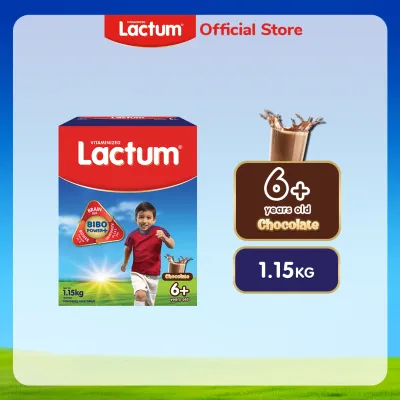
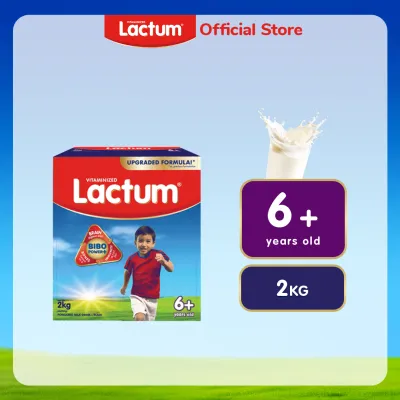
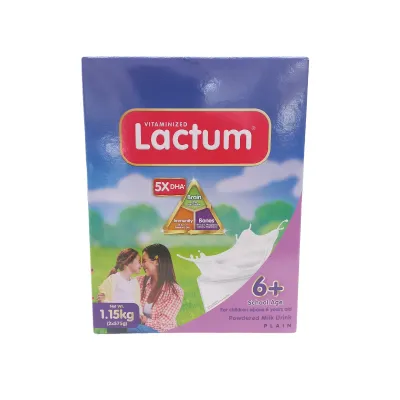
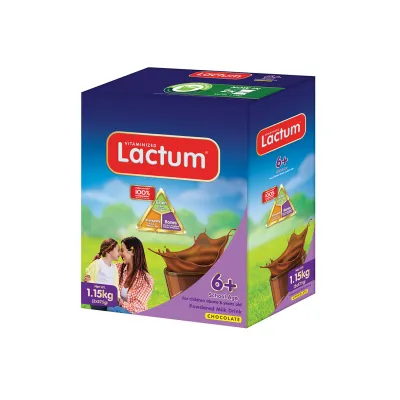
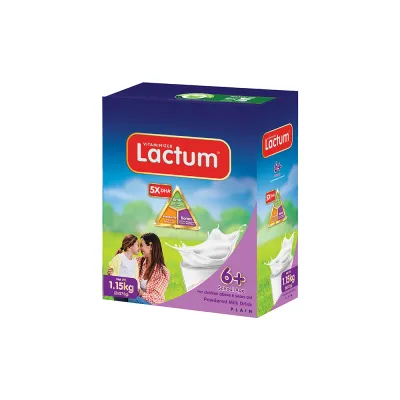

Prices are valid at publication and may change. Please refer to the product page for the latest price.
When reviewing the labels, look closely at the milk base. Some growing-up milks use a powdered whole milk base, which retains natural milk fats and provides a creamy texture. Others utilize a modified milk base or a blend of skimmed milk and vegetable oils to adjust the fat profile and macronutrient ratios. This base affects the overall caloric density and how easily your child digests the milk.
Next, compare the specific micronutrients added to support development. Look for the exact amounts of Docosahexaenoic Acid (DHA), iron, zinc, calcium, and vitamins listed per serving. Lactum 6+ packaging often highlights its blend of key nutrients designed to support brain development and overall growth, targeting school-age milestones. Meanwhile, Nido FortiGrow labels typically focus on a combination of nutrients aimed at school-age needs, emphasizing brain support, immunity, and bone development.
Rather than relying on front-of-pack marketing claims, calculate the nutrient density by comparing the values per 100 grams or per prepared serving. Pay close attention to the source and amount of carbohydrates, including added sugars like sucrose, corn syrup solids, or maltodextrin. If your child already consumes a diet high in carbohydrates, you may prefer a formula with lower added sugars to maintain a balanced daily intake.
Taste, Mixability, and Daily Acceptance
A milk powder can only provide nutritional value if your child actually drinks it consistently. Children at six years old have highly developed taste preferences, making flavor and texture critical factors in daily acceptance.

Start by checking the available flavor profiles for both brands at your local store. While classic plain milk flavors are standard, some brands offer options like chocolate to appeal to pickier eaters. If your child is sensitive to sweetness or specific flavors, introducing a new milk gradually is often more successful than an abrupt switch.
Mixability also plays a role in how well a child accepts the drink. Clumps or chalky textures can lead to refusal at the breakfast table. Always read the manufacturer’s preparation instructions on the packaging, paying close attention to the recommended water temperature and the exact powder-to-water ratio. Using water that is too hot can degrade heat-sensitive vitamins, while cold water may cause the powder to clump.
To test acceptance safely, consider purchasing the smallest available pack size of each brand. Prepare a small, single-serving batch according to the package directions and observe your child’s reaction to the taste, aroma, and mouthfeel. This step helps you gauge their preference before committing to a larger, more expensive tin.
Digestive Tolerance and Allergy Considerations
Every child’s digestive system reacts differently to milk bases and added ingredients. When introducing or switching to Lactum 6+ or Nido FortiGrow, monitoring your child’s digestive tolerance is essential for their comfort and health.
Begin by scanning the ingredient panels for potential allergens or sensitivities. Both products contain milk proteins and lactose, which can trigger reactions in children with dairy sensitivities. Additionally, check for secondary ingredients such as soy lecithin, which is commonly used as an emulsifier, or specific vegetable oils that might not agree with your child’s stomach.
During the transition period, closely observe your child for any signs of physical discomfort. Common indicators of digestive sensitivity include abdominal bloating, excessive gas, stomach cramps, or sudden changes in bowel habits, such as loose stools or constipation. Skin reactions, such as hives or dry, itchy patches, can also signal an adverse reaction to an ingredient.
Establish clear stop-conditions before starting any new milk. If your child exhibits persistent digestive distress, skin rashes, vomiting, or any signs of an allergic reaction, halt use immediately. In such cases, consult a pediatrician or a qualified healthcare professional to identify the underlying cause and obtain personalized dietary recommendations.
Cost, Availability, and Serving Size Value
Sustaining a daily milk routine requires a practical look at your household budget and local shopping convenience. Comparing the retail price of a tin is not enough; you must calculate the actual cost per serving to understand the long-term value.
To find the true cost, look at the preparation instructions on each package to find the recommended serving size, usually measured in scoops or grams per glass. Check the “Servings per Pack” listed on the Nutrition Facts label. You can calculate the cost per serving using this simple formula:
Cost per serving = Retail price of the pack / Total number of servings in the pack
This calculation reveals which brand offers better value per glass, as one product might require more scoops per serving than the other, emptying the container faster.
Additionally, consider how easy it is to purchase each brand consistently. Check the shelves of your local supermarkets, neighborhood pharmacies, and official online brand stores on major ecommerce platforms. A milk that is highly affordable but frequently out of stock can disrupt your child’s routine, making consistent local availability a key factor in your final decision.
How to Decide: A Conditional Choice Framework
To make your final decision, weigh the nutritional, practical, and sensory factors using a structured, conditional approach:
- Choose Lactum 6+ if: Your child prefers its specific flavor profile, digests it easily without any signs of stomach discomfort, and you prefer its specific blend of added micronutrients to complement their daily meals.
- Choose Nido FortiGrow if: Your child enjoys its taste, shows excellent digestive tolerance to its milk base, and the product's macronutrient and micronutrient balance aligns with their physical and school-age developmental needs.
- Consider alternative options if: Your child experiences bloating, skin irritation, or changes in bowel habits after consuming either milk. If these signs of intolerance occur, stop use immediately and consult a pediatrician.
Remember to evaluate whether your child actually needs a growing-up milk. If your six-year-old already consumes a diverse, well-balanced diet rich in whole foods, vegetables, fruits, and local proteins, supplemental milk may be entirely optional. Discussing your child’s growth chart and dietary intake with a healthcare professional can help you determine if a specialized milk drink is necessary.
Frequently Asked Questions (FAQ)
Can I mix Lactum 6+ and Nido FortiGrow in the same glass?
No, mixing two different growing-up milk powders in the same glass is generally discouraged. Each brand is formulated with a specific concentration of nutrients, proteins, and minerals designed to dissolve in a precise volume of water. Combining them alters the overall osmolarity and nutrient density, which can strain your child’s digestive system or kidneys. Always prepare each milk separately according to its respective manufacturer’s instructions.
Is growing-up milk necessary if my 6-year-old eats a balanced diet?
Growing-up milk is a dietary supplement, not a replacement for solid foods. If your child eats a well-rounded diet that meets all their daily nutritional requirements, supplemental milk may not be strictly necessary. You should consult a pediatrician to assess your child’s specific growth, development, and dietary intake before deciding whether to continue or introduce a growing-up milk.
How long can I keep the prepared milk before it spoils?
Prepared milk should be consumed immediately to prevent the growth of harmful bacteria, especially in warm and humid tropical climates. If your child does not finish the glass, refer to the exact storage instructions and time limits printed on your product’s packaging. Generally, unused prepared milk must be discarded after a short period or stored in the refrigerator according to the manufacturer’s strict guidelines; never leave prepared milk at room temperature for extended periods.
Community discussion
Share your experience or ask a question. Comments are reviewed before publication.