
Choosing the right weaning utensils is a major milestone in your baby’s self-feeding journey. As your little one transitions from milk to solid foods, the tools they use play a crucial role in developing their motor skills, oral coordination, and independence at the dining table. With numerous options available in the market, finding a set that balances safety, durability, and ease of use can feel overwhelming for many parents.
The best baby utensil set depends entirely on your child’s current weaning stage and motor skill development rather than a single universal winner. The Kurumi spoon and fork set is generally an exceptional choice for early self-feeding (typically around 6 to 12 months) due to its soft, food-grade silicone construction and chunky, ergonomic grips designed for the palmar grasp. However, older toddlers who have developed advanced scooping and piercing skills often benefit more from transitioning to rigid stainless steel alternatives that can handle firmer family meals.
To make an informed purchase decision, caregivers must evaluate several key factors. These include handle ergonomics, material safety, spoon bowl depth, fork tine safety, and ease of cleaning in high-humidity climates. Understanding how these features impact your baby’s daily feeding experience will help you choose the most suitable option for your home.
Products mentioned in this guide
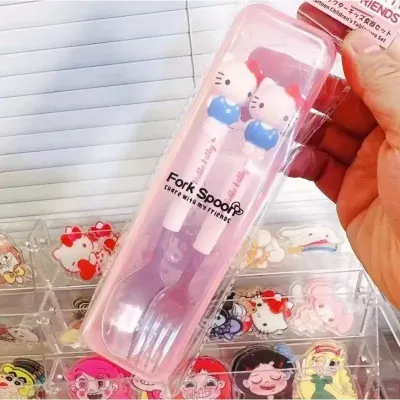

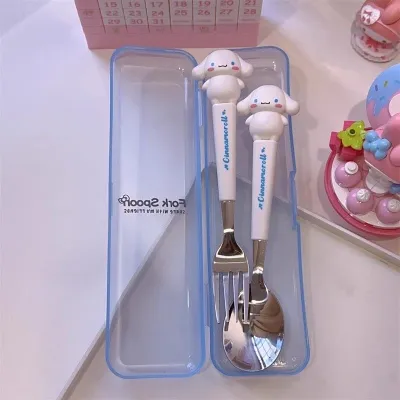
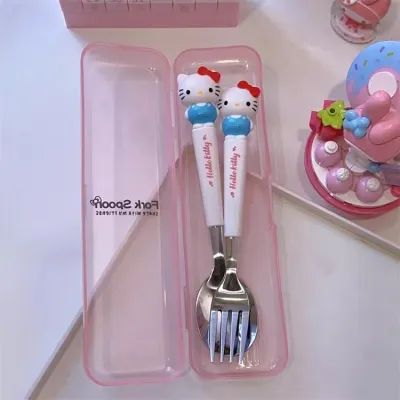
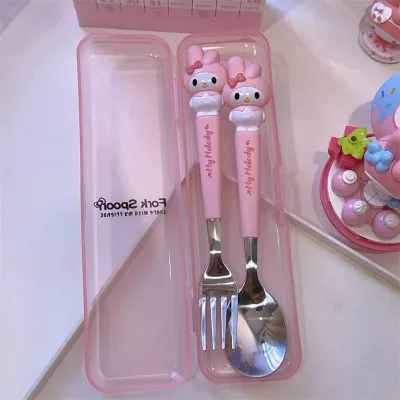
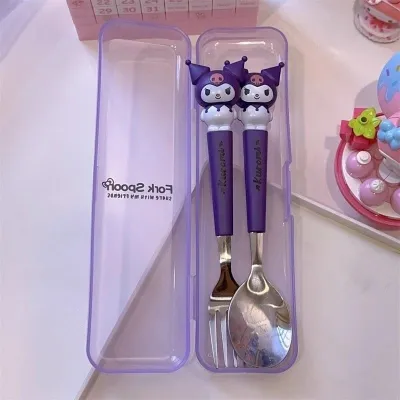
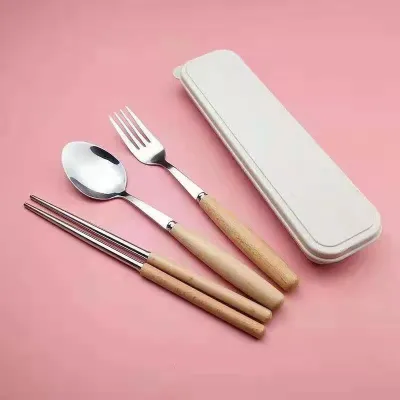
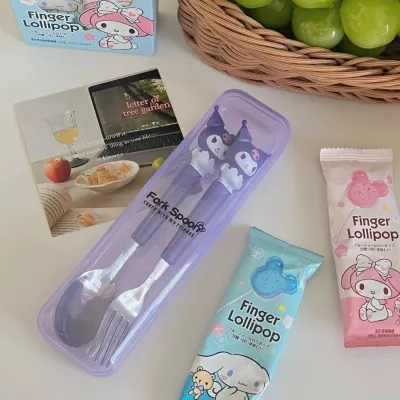
Prices are valid at publication and may change. Please refer to the product page for the latest price.
Essential Criteria for Comparing Baby Utensils
When evaluating baby utensils, understanding the physical and developmental needs of your child is key. Utensils are not merely smaller versions of adult cutlery; they are specialized developmental tools designed to bridge the gap between hand-feeding and independent eating.
Handle Ergonomics and Grasp Development
During the initial stages of weaning, babies do not possess the fine motor control required for a mature pencil-style grip. Instead, they rely on a palmar grasp, wrapping their entire fist around an object. Utensils with short, chubby, or bulbous handles are highly effective for this stage because they shorten the distance between the hand and the mouth, reducing the leverage and muscle control required to guide food successfully.
As your baby approaches 12 to 18 months, their grasp naturally matures into a digital grasp, where they begin using their fingers to hold and steer objects. At this stage, transitioning to utensils with slightly longer, contoured, or slimmer handles helps them practice more precise movements, preparing them for adult-style cutlery down the road.
Material Safety and Texture
Safety is the primary concern when selecting any product that comes into contact with your baby’s mouth. Food-grade silicone is highly favored for early weaning because it is soft, flexible, and exceptionally gentle on sensitive, teething gums. It acts as a soothing teether while your baby learns to navigate the spatial boundaries of their mouth.
Stainless steel is another popular material, prized for its durability, rigidity, and hygienic properties. Unlike plastic, high-quality stainless steel resists scratching, which prevents bacteria from nesting in microscopic grooves. When choosing any material, caregivers must verify that the product packaging explicitly states it is BPA-free, phthalate-free, and certified food-safe by recognized testing bodies.
Spoon Bowl Depth and Fork Tines
A common mistake is using a spoon with a bowl that is too deep. Young babies lack the oral motor skills required to scrape food out of a deep spoon bowl using their upper lip. A shallow, relatively flat spoon bowl allows them to easily slide purees and mashes into their mouths with minimal effort, reducing frustration and mess during mealtime.
Similarly, fork tines must be carefully designed for safety. Traditional metal forks have sharp, pointed tines that present a significant puncture hazard for an uncoordinated infant. Early-stage forks should feature blunt, rounded, and widely spaced tines that can catch soft foods or noodles without scratching the delicate lining of the mouth or gums.
Ease of Cleaning in Humid Climates
In warm, high-humidity environments like the Philippines, maintaining hygiene requires extra vigilance. Moisture can easily become trapped in microscopic crevices, joints, or hollow handles, creating a breeding ground for mold, mildew, and harmful bacteria. Seamless, single-piece designs are highly recommended because they eliminate these hidden areas, making them much easier to clean and dry thoroughly.
Kurumi Spoon and Fork Set: Features and Weaning Suitability
The Kurumi spoon and fork set is designed specifically to address the challenges of early self-feeding, making it a popular choice among parents navigating the initial stages of baby-led weaning (BLW) or traditional puree feeding.

Physical Characteristics and Material Build
The Kurumi set is typically constructed from high-quality, food-grade silicone, providing a soft and flexible texture that is highly forgiving for beginners. The handles are short, thick, and often textured, which helps prevent the utensil from slipping out of wet or sweaty little hands during warm-weather dining. The lightweight design ensures that your baby can lift and maneuver the utensils easily without experiencing muscle fatigue.
Suitability for Early Self-Feeding (6 to 12 Months)
At the start of the weaning journey, babies are exploring textures and learning hand-to-mouth coordination. The Kurumi set excels during this phase because its soft silicone material acts as a safe chewing toy. If a baby accidentally rams the spoon into their gums or the roof of their mouth, the flexible silicone cushions the impact, preventing pain and negative associations with mealtime.
The chunky handle fits naturally into a baby’s palmar grasp, allowing them to practice dipping the spoon into purees and bringing it to their mouth independently. This early success builds confidence and encourages the development of self-feeding habits.
Scooping and Piercing Efficiency
While the flexibility of silicone makes the Kurumi set exceptionally safe, it does introduce certain limitations regarding physical efficiency. The soft spoon bowl is excellent for scooping lightweight, soft foods like mashed squash (kalabasa), sweet potato (kamote), yogurt, or traditional rice porridge (lugaw). However, because the neck and bowl are flexible, they can bend under the weight of heavier, denser foods.
Similarly, the blunt silicone fork tines are designed primarily for safety rather than sharp piercing. They work well for grabbing soft, sticky foods or catching noodles, but they cannot easily pierce firmer solids like steamed carrots, broccoli florets, or pieces of chicken. Caregivers should expect to assist their babies by pre-loading the fork with firmer foods during meals.
Verification and Manufacturer Guidelines
Because product designs, material formulations, and manufacturing batches can change over time, caregivers must always check the specific product packaging or the manufacturer’s official guidelines before use. Verify the recommended age range, weight limits, and specific material certifications to ensure the set matches your baby’s current developmental stage.
How Kurumi Compares to Other Popular Utensil Categories
To understand where the Kurumi set fits into your weaning strategy, it is helpful to compare its performance against other common categories of baby utensils available on the market.
Kurumi vs. Standard Silicone Self-Feeding Sets
Standard silicone self-feeding sets are widely available on various online marketplaces and in local baby boutiques. While they share the same base material as the Kurumi set, significant differences often exist in handle thickness, neck flexibility, and silicone density.
- Grip and Balance: Many generic silicone spoons feature long, thin handles that are difficult for an infant using a palmar grasp to balance. The Kurumi set’s shorter, more bulbous handle design provides better leverage and stability, making it easier for the baby to guide the spoon directly to their mouth.
- Silicone Density (Durometer): Cheaper or lower-quality silicone utensils can be overly floppy. When a baby attempts to scoop a puree, a floppy neck bends backward, causing the food to fling off and create a mess. The Kurumi set generally balances flexibility with a sturdier core, allowing the spoon to hold its shape under the weight of thicker mashes while remaining gentle on the gums.
- In-Store Verification: When shopping, try gently bending the neck of the spoon. A good self-feeding spoon should offer resistance, bending slightly under pressure but returning quickly to its original shape. If the neck folds completely flat with minimal effort, it may prove frustrating for your baby during actual feeding.
Kurumi vs. Stainless Steel Toddler Utensils
As babies transition into toddlerhood, their physical capabilities and dietary needs undergo rapid changes, necessitating a parallel upgrade in their eating tools.
- Safety and Comfort: During the early weaning phase (6 to 12 months), the soft silicone of the Kurumi set is vastly superior for protecting sensitive gums and emerging teeth. Stainless steel utensils, with their rigid metal heads, carry a higher risk of oral discomfort or bruising if an uncoordinated baby accidentally strikes their mouth.
- Scooping and Piercing Power: Between 12 and 18 months, as toddlers develop a digital grasp and begin eating a wider variety of family foods, the limitations of silicone become apparent. Stainless steel utensils excel at this stage. The rigid metal tines easily pierce dense meats, vegetables, and fruits, while the firm spoon head allows for clean scooping of thick grains and stews.
- The Transition Phase: The transition from silicone to stainless steel should be guided by your child's motor skills. Once your toddler successfully brings a silicone spoon to their mouth without spilling, demonstrates frustration when a soft fork fails to pierce food, or actively tries to use adult metal cutlery, it is time to introduce a toddler-safe stainless steel set featuring rounded metal edges and ergonomic handles.
Decision Framework: Choosing the Right Set for Your Baby
To help you make the final decision, use the structured framework below to match your baby’s developmental stage and your household needs with the appropriate utensil type.
Choose the Kurumi set if:
- Your baby is in the early stages of weaning (6 to 12 months) and is just beginning to practice self-feeding.
- Your child is actively teething and tends to bite down hard on their utensils during meals.
- Your baby benefits from a short, chunky, or textured grip that fits perfectly into a palmar grasp.
- You primarily serve soft purees, mashes, yogurts, and easily mashable finger foods.
Choose standard silicone alternatives if:
- You prefer a specific handle angle, such as pre-bent spoons designed for left- or right-handed babies.
- Your highchair tray or dining setup benefits from utensils with built-in resting stands to keep the spoon head off dirty surfaces.
- You are looking for specific color palettes or aesthetic designs to match your existing baby tableware.
Choose stainless steel utensils if:
- Your toddler is older (typically 12 to 18+ months) and has mastered basic hand-to-mouth coordination.
- Your child's diet consists of firmer family foods that require actual piercing, stabbing, or cutting.
- You want long-term durability that can withstand heavy daily use, frequent high-temperature sterilization, and dishwasher cleaning cycles.
Verify first if:
- Your baby has specific oral sensitivities, developmental delays, or unique feeding challenges. In these situations, always consult your pediatrician, a pediatric occupational therapist, or the manufacturer's official guidelines before purchasing or introducing new feeding tools.
Safety, Cleaning, and Maintenance Guidelines
Proper care and maintenance of your baby’s utensils are essential for ensuring long-lasting usability and protecting your child from foodborne illnesses.
Low-Risk Cleaning Steps
- Immediate Rinsing: Rinse utensils under running water immediately after use to prevent food residue from drying and hardening in hard-to-reach areas.
- Washing: Wash thoroughly with warm, soapy water using a mild, baby-safe dishwashing liquid. Use a soft sponge to avoid scratching the surface of the utensils.
- Dishwasher Safety: If the manufacturer's label indicates that the utensils are dishwasher-safe, place them on the top rack only to prevent exposure to the high-heat heating elements at the bottom of the machine.
Proper Drying and Storage in Humid Climates
- Air-Drying: In the tropical climate of the Philippines, high humidity can easily foster mold growth. After washing, place the utensils in a well-ventilated, clean drying rack. Ensure they are completely dry before storing.
- Storage: Store the dry utensils in a clean, dust-free drawer or a dedicated airtight container. Avoid storing them in damp, enclosed spaces where moisture can accumulate.
Critical Safety Inspections
- Silicone Inspection: Before every single meal, inspect the silicone utensils. Pull firmly on the spoon bowl and fork tines to check for tears, splits, bite marks, or material degradation. Teething babies with sharp primary teeth can easily puncture or tear silicone over time.
- Metal Inspection: For stainless steel utensils, check the joints where the metal head meets the plastic or silicone handle. Ensure there is no loosening, wobbling, or sharp, bent metal edges that could injure your child.
When to Stop Use
- Material Breakdown: Discard and replace any utensil immediately if you notice signs of material breakdown, peeling, deep scratches that can harbor bacteria, or structural weakness.
- No Repairs: Never attempt to glue or repair a damaged baby utensil, as adhesives can introduce toxic chemicals and create choking hazards.
- Sterilization Limits: Refer to the manufacturer's specific care instructions regarding sterilization. Over-sterilizing silicone in boiling water, steam bags, or UV sterilizers can accelerate material degradation.
Frequently Asked Questions (FAQ)
At what age can my baby start using the Kurumi spoon and fork?
Readiness is determined by developmental milestones rather than chronological age alone. Most babies are ready to explore utensils when they can sit upright unassisted, show active interest in mealtime, and have developed the hand-to-mouth coordination to bring objects to their mouth, which typically occurs around 6 months of age. Always check the manufacturer’s packaging for specific age recommendations.
Are silicone utensils safe for hot foods?
High-quality, food-grade silicone is naturally heat-resistant and stable at typical food temperatures. However, you must verify the exact temperature limits printed on the product packaging. Always test the food’s temperature yourself before offering it to your baby to prevent accidental burns.
How do I know when to transition from silicone to stainless steel utensils?
Look for signs of physical readiness: your toddler successfully brings a silicone spoon to their mouth without spilling, shows frustration when the flexible silicone fork fails to pierce firmer foods, or actively tries to use adult metal utensils. This transition typically occurs naturally between 12 and 18 months of age.

Community discussion
Share your experience or ask a question. Comments are reviewed before publication.