
Determining whether Kuna changing tables and baby chairs are safe for your newborn depends entirely on verifying the specific model’s design, age ratings, and structural features. While nursery furniture brands offer various styles to fit your home, no single brand name guarantees absolute safety across all its product lines. For a newborn baby, safety is defined by developmental suitability—such as flat recline angles and secure guardrails—rather than aesthetic appeal. To ensure a Kuna product is appropriate for your infant, you must carefully inspect its physical specifications, check the manufacturer’s official labels, and follow precise assembly instructions.
Understanding Newborn Safety Requirements for Nursery Furniture
Newborn babies have highly specific physical limitations that dictate what kind of furniture they can safely use. During the first few months of life, infants lack the muscle strength to support their own heads or sit upright unassisted. Their skeletal systems are still developing, meaning their spine and neck require continuous, flat, and firm support to prevent airway compromise. Any furniture designed for this stage must accommodate these vulnerabilities by preventing the baby’s head from flopping forward, which can restrict breathing.
When evaluating any piece of infant furniture, structural integrity and material safety are paramount. The item must be constructed from sturdy, non-toxic materials that can withstand daily use without wobbling or shifting. It is essential to check for potential entrapment hazards, such as gaps between slats, joints, or fabric folds where a tiny hand, foot, or head could become wedged. Furthermore, finishes and paints must be lead-free and non-toxic, as babies eventually explore their surroundings by touching and chewing on accessible surfaces.
Products mentioned in this guide
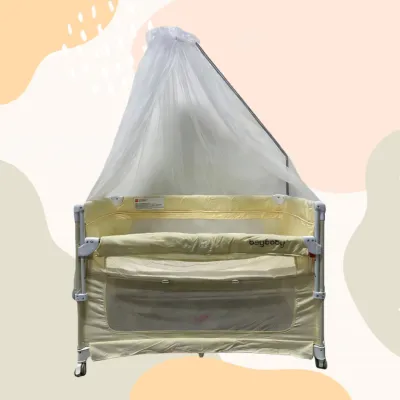
Prices are valid at publication and may change. Please refer to the product page for the latest price.
Ultimately, parents must match the furniture’s intended design to their baby’s current developmental stage rather than relying solely on a brand name. A product labeled generally as a “baby chair” might be excellent for an older infant who can sit up but highly dangerous for a newborn who requires a fully reclined surface. Always prioritize the functional design of the item over marketing terms, ensuring that every piece of furniture in your nursery serves a specific, developmentally appropriate purpose.
Evaluating Kuna Changing Tables for Newborn Use
A changing table is a central hub for daily infant care, making its safety features a critical consideration for parents. When inspecting a Kuna changing table, the first line of defense against accidents is the presence of raised guardrails. Safe changing tables typically feature protective barriers on all four sides, or at least the two longest sides, to prevent a rolling baby from falling. Even though newborns cannot roll over independently in their first few weeks, they can wiggle unexpectedly, making these physical barriers indispensable.

Alongside the guardrails, the structural integrity of the changing pad itself must be verified. The pad should fit snugly within the changing area without leaving wide gaps along the edges where a baby’s limbs could slip. A functional safety strap system integrated into the changing table or the pad is another essential feature to check. This strap should secure firmly across the baby’s torso, but caregivers must remember that a strap is never a substitute for active supervision. You must keep at least one hand on your newborn at all times during diaper changes, regardless of how secure the straps appear.
Stability is another crucial factor, especially in tropical climates like the Philippines where indoor humidity can affect wooden joints and fasteners over time. When setting up a Kuna changing table, perform a physical shake test to ensure the unit does not wobble or sway. Check the manufacturer’s instructions to see if wall-anchoring hardware is provided or required. Anchoring the changing table to the wall prevents accidental tipping, which is a vital safety measure as the child grows and begins to pull themselves up on the furniture.
Finally, consider the environmental conditions of your nursery space. High humidity can cause wood to swell or metal fasteners to rust if the materials are not properly maintained. Regularly inspect the joints of your changing table to ensure they remain tight and secure. If you notice any warping, loose screws, or structural instability, discontinue use immediately until the issue is resolved according to the manufacturer’s guidelines.
Assessing Kuna Baby Chairs and Seating for Newborns
The term “baby chair” encompasses a wide variety of products, from upright high chairs to low-profile infant bouncers. For a newborn, choosing the wrong type of seating can lead to serious safety risks, making it vital to understand what makes a chair suitable for the earliest weeks of life. Parents must carefully distinguish between products designed for active feeding and those meant for supervised relaxation.
Distinguishing High Chairs from Infant Bouncers
Placing a newborn in a standard, upright high chair is highly unsafe because they lack the core and neck strength to maintain an upright posture. In an upright position, a newborn’s head can easily fall forward onto their chest, a condition known as positional asphyxiation, which can silently block their airway. Standard high chairs are designed for older infants who have achieved the developmental milestone of sitting up unassisted, which typically occurs around six months of age.
For newborns, any acceptable seating must consist of infant bouncers, rockers, or specialized multi-stage chairs that offer a fully reclined position. These products are engineered to support the baby’s entire body, distributing their weight evenly along the spine and keeping the head in a safe, neutral position. When selecting a reclined seat, verify that it features a secure three-point or five-point harness system to keep the infant from sliding down or shifting into an unsafe posture.
Verifying Age, Weight, and Recline Specifications
To determine if a specific Kuna baby chair is safe for your newborn, you must locate and read the official specification label or user manual. This label is usually found on the underside of the seat frame or printed directly on the fabric cover. It contains critical safety data, including the minimum and maximum weight limits, as well as the recommended age range for the product. Never assume a chair is safe for a newborn simply because it is categorized as a baby product.
Ensure your newborn meets the minimum weight requirement specified by the manufacturer before placing them in the seat. Some bouncers or swing seats have a minimum weight threshold to ensure the harness fits securely. Additionally, verify that the seat can be adjusted to a fully flat or near-flat recline angle that is explicitly approved for infants who cannot yet hold their heads up. If the chair does not offer this level of recline, it must be stored away until your baby reaches the appropriate developmental milestone.
Essential Safety Checks Before Using Any Nursery Furniture
Before introducing any new furniture into your baby’s nursery, conducting a thorough pre-use inspection is a vital step to prevent accidents. Start by checking all assembly hardware, ensuring that every screw, bolt, and bracket is tightened securely according to the instruction manual. Loose hardware can cause the furniture to collapse or create small gaps that can pinch delicate skin. Additionally, loose screws or small plastic caps can easily become choking hazards if they fall off within reach of your baby.
Next, run your hands over all surfaces of the furniture to check for sharp edges, rough spots, or splinters. This is particularly important for wooden furniture, which can develop imperfections during shipping or assembly. Inspect the unit for any gaps or openings that do not align with safety standards; a newborn’s fingers, toes, or limbs can easily get caught in poorly aligned joints. If the furniture features fabric components, check the seams for loose threads that could wrap around a baby’s fingers or toes, causing a circulation hazard.
If you discover any structural damage, missing parts, or conflicting safety instructions during your inspection, do not attempt to use the furniture. Stop assembly immediately and contact the manufacturer or a qualified professional for guidance or replacement parts. Trying to improvise a fix with non-standard hardware or ignoring a minor wobble can compromise the safety of the entire unit, putting your newborn at risk.
Frequently Asked Questions (FAQ)
Can a newborn safely sit in a standard baby high chair?
No, a newborn cannot safely sit in a standard, upright baby high chair. Newborns do not possess the neck, head, or core muscle control required to support themselves in an upright position. Placing a newborn in such a chair can cause their head to slump forward, which can restrict their airway and lead to positional asphyxiation. A standard high chair should only be used once your baby has reached the developmental milestone of sitting up completely unassisted, which usually occurs between five and seven months of age. For earlier stages, only use seating options that are explicitly designed with a full recline and proper infant support.
What safety labels should I check on baby furniture?
When purchasing or assembling baby furniture, you should look for official manufacturer labels that indicate compliance with recognized safety standards, such as those from ASTM International or the Juvenile Products Manufacturers Association (JPMA). These labels are typically located on the underside of the furniture, on the frame, or inside the user manual. Additionally, check for clear warnings regarding weight limits, age recommendations, and proper assembly. Ensure the label specifies that the product is suitable for newborns or infants from birth, and always verify that the model has not been subject to any safety recalls before use.

Community discussion
Share your experience or ask a question. Comments are reviewed before publication.