
Selecting the right diaper pants for your baby involves balancing skin sensitivity, physical activity, and household expenses. With options like Kokomi, Pampers, Equator, and Huggies available, caregivers must look beyond brand names to evaluate structural designs, material specifications, and cost-efficiency. The ideal choice depends heavily on your baby’s unique body shape, wetting patterns, and how well a diaper handles the local tropical climate.
In warm and humid environments, diaper performance is closely tied to breathability and fit. A diaper that traps heat can quickly lead to skin irritation, while an improper fit around the waist or thighs often results in messy leaks. By understanding how different brands construct their waistbands, absorbent cores, and leg cuffs, you can make an informed decision that keeps your baby dry and comfortable.
Rather than relying on universal recommendations, caregivers should establish a systematic method for comparing these brands. This involves inspecting product packaging for specific material claims, calculating the actual cost per piece, and observing how the diaper physically responds to your baby’s movements. Taking a structured approach ensures you do not overspend on features your baby may not need, while still prioritizing their skin health and comfort.
Products mentioned in this guide
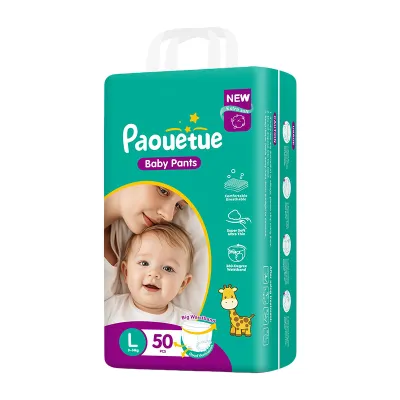
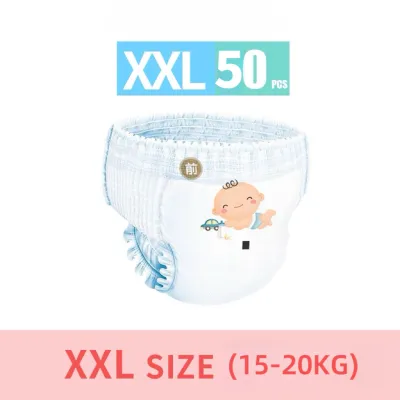
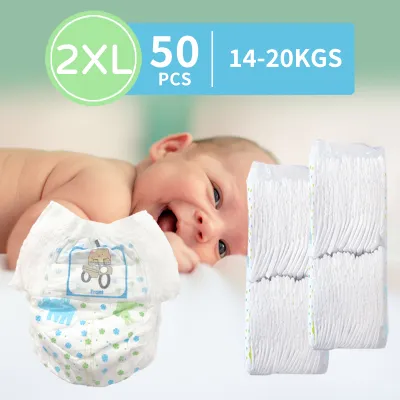
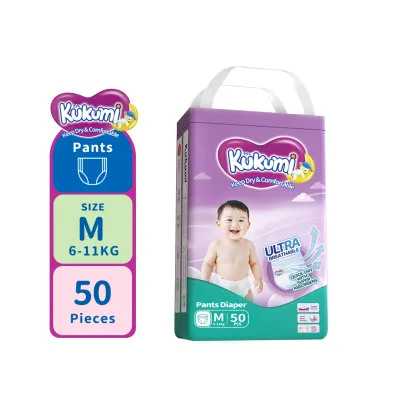
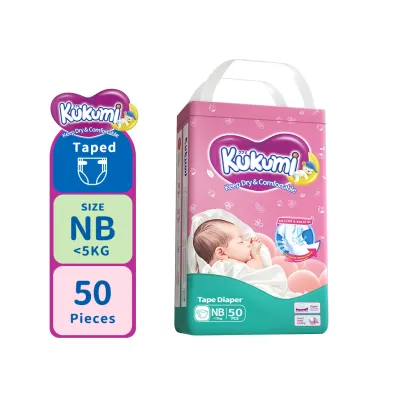

Prices are valid at publication and may change. Please refer to the product page for the latest price.
Understanding the Core Differences in Diaper Pants Design
The structural design of diaper pants determines how well they contain messes and how comfortable they feel during daily wear. When comparing Kokomi, Pampers, Equator, and Huggies, the first point of differentiation lies in the cut and fit mechanics. The waistband of diaper pants must provide enough elasticity to stay secure without digging into the baby’s soft skin. Caregivers should physically inspect the stretchiness of the waistband, looking for soft, multi-strand elastic bands that distribute pressure evenly across the abdomen. Leg cuffs also play a critical role; double-layered elastic barriers are essential for preventing side leaks, especially when your baby begins to crawl or walk.
The absorbent core structure is another fundamental element to analyze before purchasing. Manufacturers use different technologies to lock away moisture, ranging from traditional wood pulp mixed with superabsorbent polymers to advanced, multi-channel absorbent sheets. When examining diaper packaging, look for claims regarding distribution channels or specialized core designs. A well-designed core distributes liquid evenly across the entire surface, preventing the diaper from sagging or clumping in one spot when wet. This even distribution is particularly important for active babies, as clumping can restrict their natural movements and cause discomfort.
Top sheet materials and breathability features directly impact skin health, especially in tropical climates. The top sheet is the layer in direct contact with your baby’s skin, making its texture and composition highly critical. Many brands incorporate specific top sheet designs, such as 3D embossed patterns, to minimize the surface area touching the skin and allow air to circulate. Additionally, some manufacturers apply mild skin-care lotions or botanical extracts to the top sheet to help protect against moisture. Caregivers should verify these material claims on the product label, checking for hypoallergenic certifications or fragrance-free designations if their baby has highly sensitive skin.
Comparing Key Decision Factors Across Brands
Evaluating absorbency and leak protection requires looking closely at the manufacturer’s wear-time claims and the physical construction of the diaper. Many brands advertise extended dryness protection, often ranging from several hours to overnight coverage. However, actual absorbency depends on your baby’s specific output and sleep positions. To assess leak protection, inspect the physical height of the inner leak guards along the leg openings. Taller, more flexible leak guards provide a stronger physical barrier against sudden, heavy wetting events, which is a crucial consideration for overnight use or long car rides.

Comfort and skin friendliness are closely linked to how well a diaper manages heat and moisture. In warm climates, a diaper with poor breathability can trap sweat and urine, rapidly increasing the risk of diaper rash. Caregivers should verify breathability claims on the packaging, looking for mentions of microporous outer covers that allow hot air to escape while keeping liquid contained. Feeling the inner and outer materials of the diaper can also give you a practical sense of its softness; a stiffer outer backing may cause friction against your baby’s thighs during active play, leading to chafing.
Fit and mobility requirements change as your baby transitions through different developmental stages. For highly active babies who are constantly rolling, crawling, or walking, a diaper pants design with high-stretch side panels and a flexible silhouette is essential. Conversely, babies with chubbier thighs or rounder bellies may experience tightness or red marks from brands that feature a narrower cut or stiffer elastics. Observing how the diaper conforms to your baby’s body during movement will help you determine if the cut matches their physical build, ensuring they can move freely without restriction.
Evaluating Size, Fit, and Value for Your Baby
Selecting the correct size is not always as simple as matching your baby’s weight to the range printed on the packaging. Weight guidelines serve as a general starting point, but physical proportions like thigh circumference and waist shape vary widely among babies of the same weight. If your baby is near the upper limit of a size range, or if they have particularly chubby thighs, you may need to size up to prevent leaks and red marks. Keep in mind that sizing standards can differ slightly between brands, meaning a medium in one brand might fit differently than a medium in another.
To manage your household budget effectively, it is highly beneficial to calculate the cost per piece rather than comparing total package prices. To do this, divide the total retail price of the diaper pack in ₱ by the number of individual diaper pants inside. This simple calculation allows you to compare the true value of different brands and packaging sizes. Often, larger bulk packs offer a lower cost per piece, but this is only economical if the diaper fits your baby well and does not cause skin irritation.
Availability and packaging options also influence your purchasing decisions. Some brands are widely accessible in local physical supermarkets and neighborhood convenience stores, making them easy to purchase in small quantities during emergencies. Other brands may be primarily available in bulk quantities through online marketplaces and ecommerce platforms. While buying in bulk online can lead to significant savings, it is wise to purchase smaller convenience packs first when trying out a new brand to ensure compatibility with your baby’s skin and body shape.
Decision Framework: Which Brand Suits Your Baby's Needs?
To simplify your selection process, you can use a conditional decision framework based on your specific household priorities and your baby’s observable traits:
- Choose Kokomi if your primary goal is to minimize daily diapering expenses and your baby's daytime output is easily managed by basic absorbency. This brand is often highly suitable for frequent daytime changes, where diapers are replaced regularly to maintain hygiene, allowing you to save premium diapers for overnight use.
- Choose Pampers if you prioritize advanced material designs, such as ultra-thin absorbent cores or top sheets infused with protective skin-care lotions, as verified on the product packaging. This option is well-suited for caregivers who want a lightweight fit that minimizes bulk under clothing.
- Choose Equator if your baby is highly active and requires a specific waistband elasticity and leg cuff design that physically conforms to rapid movements. This brand is ideal if you have observed that other diapers slip down or gap during active play.
- Choose Huggies if your baby is a heavy wetter, particularly overnight, and you require a robust leak-guard structure and targeted absorbent distribution that aligns with their wetting patterns. This choice is beneficial for minimizing nighttime wake-ups caused by wet clothing.
Before committing to a large bulk purchase of any brand, always verify if your baby has a history of sensitive skin or contact dermatitis. If your baby is prone to skin irritation, consult a pediatrician for personalized guidance on material sensitivities. It is highly recommended to purchase the smallest available pack size of a new brand first, allowing you to test the physical fit and monitor your baby’s skin reaction over a few days before investing in larger quantities.
Frequently Asked Questions (FAQ)
How do I know if my baby's diaper pants are too small or too big?
You can determine if diaper pants are the wrong size by performing a few simple physical checks. If the diaper is too small, you will often notice deep red marks or indentations around your baby’s waist or thighs after removal, or you may experience frequent leaks despite regular changes. To check if the diaper is too big, look for gaps between the elastic leg cuffs and your baby’s skin, or check if the waistband sags significantly when wet. A properly fitting diaper should allow you to easily slide two fingers between the waistband and your baby’s tummy, ensuring a secure yet comfortable fit.
Is it safe to mix different diaper pants brands during the day and night?
Yes, mixing different diaper pants brands is a highly practical and safe strategy used by many caregivers. You can pair a thinner, highly flexible brand during the day to support your baby’s active movements and play, and switch to a high-capacity, heavily guarded brand at night to ensure uninterrupted sleep. When implementing this strategy, closely monitor your baby’s skin for any localized reactions, as using different materials and elastic designs throughout the day can sometimes make it trickier to identify the source of a skin irritation if a rash develops.
What should I do if my baby develops a rash after switching brands?
If your baby develops skin irritation or a rash after switching to a new brand of diaper pants, stop using that specific brand immediately and return to a previously tolerated diaper. Focus on keeping the diaper area clean and dry by performing frequent changes and allowing the skin to air-dry completely before putting on a new diaper. Check the packaging of the new brand for any listed ingredients, such as fragrances or specific lotions, that might have triggered the reaction. If the rash does not improve within a few days, spreads rapidly, or is accompanied by a fever, consult a pediatrician immediately for professional medical advice.

Community discussion
Share your experience or ask a question. Comments are reviewed before publication.