
Finding the right diaper for your baby in the Philippines involves balancing performance, comfort, and cost. With the tropical climate bringing high humidity and heat, choosing between KleenPant, Pampers, and Huggies requires looking closely at how each brand handles moisture, fit, and skin protection. While one brand might excel at overnight dryness, another might offer the perfect lightweight feel for active daytime play.
Every baby has a unique body shape, skin sensitivity level, and wetting pattern. A diaper that works perfectly for a friend’s baby might cause leaks or friction marks on yours. By understanding the core design philosophies of these three popular brands, you can make an informed decision that keeps your baby dry and comfortable without overstretching your household budget.
Core Design Differences: KleenPant, Pampers, and Huggies
KleenPant is designed primarily as a practical, value-first option for modern parents. Its design philosophy focuses on essential absorbency and a straightforward, functional structure. This makes it a popular choice for families who prefer frequent diaper changes during the day to maintain hygiene, especially during hot and humid afternoons when keeping a baby in a wet diaper for too long can quickly lead to skin irritation.
Products mentioned in this guide
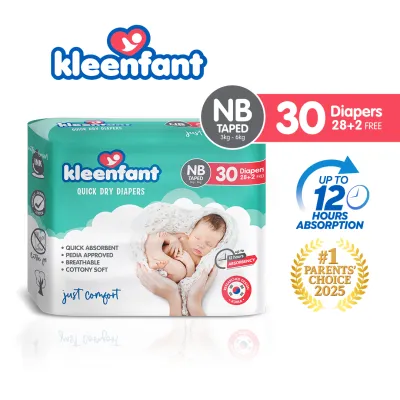
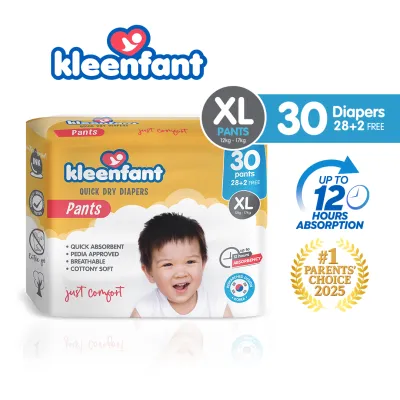
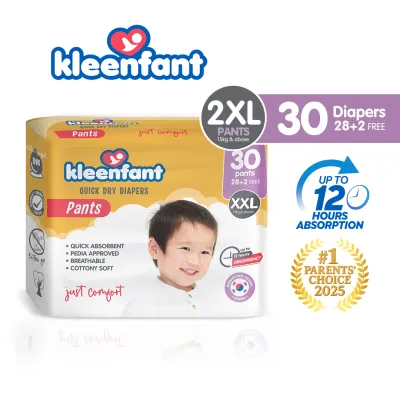
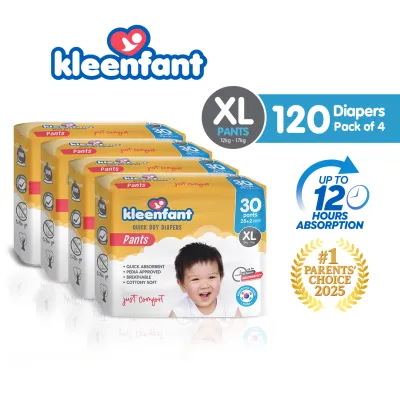
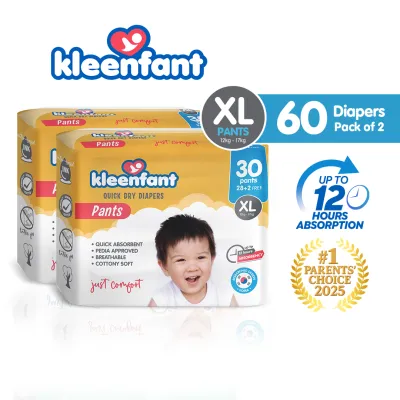
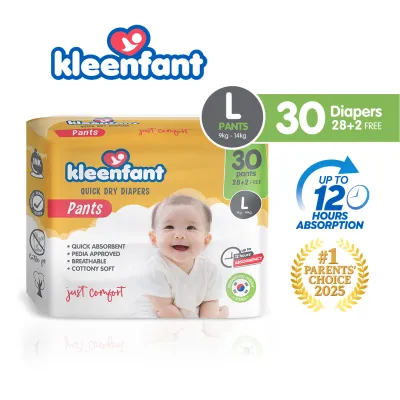
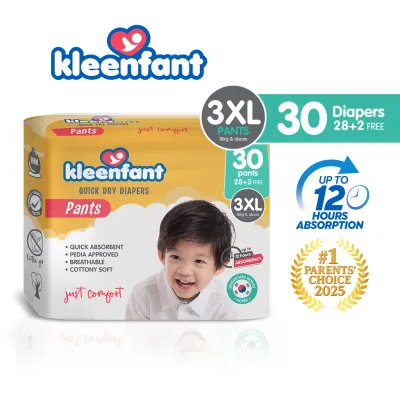
Prices are valid at publication and may change. Please refer to the product page for the latest price.
Pampers emphasizes a lightweight, highly flexible, and cloth-like feel across its product lines. The brand focuses heavily on stretchable waistbands and soft inner linings designed to minimize friction against delicate skin. This design approach aims to provide a barely-there feel, allowing active babies to crawl, roll, and walk without bulky material restricting their movements.
Huggies built its reputation on structural security and robust leak protection. Its diapers often feature pocketed waistbands designed to trap runny messes and double-layered leg guards to prevent side leaks. The brand typically utilizes high-capacity absorbent cores, making its products a common choice for parents seeking reliable containment during long outings or overnight sleep.
Evaluating Absorbency and Leak Protection
When evaluating absorbency, it is helpful to distinguish between daytime and overnight needs. During the day, babies are active and changed more frequently, whereas overnight diapers must manage multiple wetting cycles over several hours. To assess a diaper’s capacity, check the packaging for details on its core structure, such as channel technology or superabsorbent polymer distribution, which help distribute liquid evenly and prevent sagging.

Leg cuffs and waistbands play a critical role in blowout prevention. A diaper with weak elastics or shallow leg gathers is highly susceptible to edge leaks when your baby sits up or rolls over. Look for double-barrier leg cuffs that stand upright against the skin and a wide, elasticated waistband that conforms to your baby’s lower back without leaving deep gaps.
To evaluate performance at home, perform simple observable checks after your baby wears the diaper. Inspect the outer cover for dampness and check the inner lining for pooling or surface wetness. A high-performing core should lock moisture away, leaving the surface dry to the touch even when the diaper is heavy. If you notice frequent sagging, side leaks, or damp clothing, these are clear signs that the diaper’s absorbency limit has been reached.
If leaks occur consistently despite proper fastening and positioning, it is time to stop using that specific size or brand. Frequent leaks usually indicate that your baby has outgrown the diaper’s fluid capacity or that the cut does not match their body shape. In such cases, transitioning to a larger size or switching to a brand with a more robust core structure is recommended.
Assessing Comfort, Fit, and Skin Sensitivity
Diaper fit varies significantly across brands, making it essential to match the diaper’s cut to your baby’s specific body type. Babies with chunky thighs often benefit from wider leg openings and highly elasticated leg gathers that do not pinch or leave red marks. Conversely, slender babies require a snugger fit around the waist and thighs to prevent gaps that lead to leaks.
In the warm and humid Philippine climate, material breathability is crucial for maintaining healthy skin. Check the diaper packaging for claims regarding breathable outer covers or micro-pores that allow hot air and moisture to escape. A stiff, plastic-like outer shell can trap heat and sweat, increasing the risk of friction and discomfort during active play.
Parents must regularly perform skin reaction checks during diaper changes. Look for localized redness, chafing marks along the waistline or groin, or signs of diaper rash. If you notice persistent redness or friction marks, the diaper may be too tight, or the inner lining material may be causing friction against your baby’s skin. If a severe diaper rash develops or does not improve with standard barrier creams, consult a pediatrician or qualified healthcare professional.
Sizing discrepancies are common across different diaper brands. A size Medium in KleenPant may fit differently than a size Medium in Pampers or Huggies due to variations in elasticity, waistband height, and overall cut. Always verify the manufacturer’s recommended weight range printed on the packaging rather than relying solely on the letter size, and use the weight range as a starting guide rather than an absolute rule.
Calculating Price and True Value
To determine the true cost of your diapering routine, avoid looking only at the retail price of a single pack. Instead, calculate the cost per diaper using a simple formula: divide the total price of the pack by the number of diapers inside. For example, a pack costing ₱450 containing 50 diapers results in a cost of ₱9.00 per diaper. This calculation allows you to compare different pack sizes and bundle deals accurately.
There is a direct trade-off between upfront cost and the frequency of diaper changes. A lower-priced diaper that requires changing every two hours due to lower absorbency limits may end up costing more over a month than a slightly more expensive diaper that keeps your baby dry for four to five hours. Consider your daily routine and how often you realistically plan to change your baby when calculating overall value.
To find the best deals in the Philippines, verify current promotions, bulk discounts, and official store availability. Purchasing from official online flagship stores or major local supermarkets ensures you receive genuine products while taking advantage of seasonal sales, subscription discounts, or bulk-buy bundles. Avoid purchasing from unverified online sellers to reduce the risk of counterfeit or improperly stored products.
While managing a household budget is important, avoid compromising on diaper size or quality simply to meet a strict price point. Forcing your baby into a diaper that is too small or using a brand that causes frequent leaks or skin irritation can lead to higher overall costs. The expenses associated with treating severe diaper rash, washing soiled clothing, and replacing damaged bedding quickly outweigh the minor savings of a cheaper diaper.
Final Decision: Which Diaper Fits Your Baby Best?
Choosing the right diaper depends on your baby’s physical build, skin sensitivity, and your daily routine. No single brand is a universal winner, but matching their design strengths to your specific needs will help you find the most practical option.
Consider choosing KleenPant if you are looking for a budget-friendly option for frequent daytime changes. It is highly suitable for families who maintain a strict changing schedule during the day and whose babies have standard skin sensitivity without a history of severe diaper rash.
Consider choosing Pampers if your baby has highly sensitive skin, requires a flexible and lightweight fit for active movement, and softness is your primary concern. Its stretchable design is well-suited for babies who experience friction marks from stiffer diaper materials.
Consider choosing Huggies if you need maximum leak protection for overnight use, have a heavy wetter, or have a baby with chunky thighs who requires robust leg barriers. Its structured design is ideal for long stretches of sleep and containing active movement.
Before making any major switch, always verify your baby’s current weight and check for any signs of skin sensitivity. If your baby has a history of severe diaper rash, persistent skin irritation, or specific allergies, consult a pediatrician before changing diaper brands or introducing new materials to their skin routine.
Frequently Asked Questions (FAQ)
Can I mix different diaper brands for daytime and nighttime use?
Yes, mixing diaper brands is a highly effective, cost-saving strategy used by many parents. You can use a budget-friendly option like KleenPant for frequent daytime changes when you can monitor and change your baby regularly. For overnight sleep, you can transition to a high-absorbency diaper like Huggies or Pampers to ensure your baby remains dry and undisturbed throughout the night. When alternating brands, ensure both options fit your baby correctly and monitor their skin closely to ensure they do not react negatively to the different inner lining materials.
How do I know if I need to size up in KleenPant, Pampers, or Huggies?
You generally need to size up when you observe clear physical signs of a tight fit or frequent performance failures. Look for red friction marks or indentations around your baby’s thighs or waistline after removing the diaper. Another indicator is when the fastening tape or tabs no longer reach the designated landing zone easily, or if the diaper’s waistband sits significantly below your baby’s belly button. Finally, if you experience frequent leaks or blowouts despite proper fastening and positioning, it is a strong signal that your baby has outgrown the current size’s fluid capacity.

Community discussion
Share your experience or ask a question. Comments are reviewed before publication.