
Choosing between a dedicated Kiumo changing table and a multi-functional baby chair depends on your household’s immediate space, budget, and long-term utility goals. If you prioritize ergonomic comfort, dedicated storage, and a fixed diapering zone, the Kiumo changing table is highly practical. If you have limited space, a tighter budget, and want a single piece of furniture that transitions through multiple developmental stages, a multi-functional baby chair is a versatile alternative.
Core Differences in Daily Utility
A dedicated changing table like the Kiumo model provides a flat, elevated, and stable surface designed specifically for diaper changes. This setup allows you to keep essentials like diapers, wipes, rash creams, and change clothes organized in built-in shelves or drawers directly beneath the changing pad. In a tropical climate like the Philippines, where high humidity can make quick cleanups essential to prevent heat rash, having everything within arm’s reach prevents you from having to leave your baby unattended even for a second. The dedicated table’s surface is typically designed to accommodate a water-resistant, easily wipeable changing pad, which is crucial for maintaining hygiene during humid months when moisture can encourage bacterial growth.
In contrast, a multi-functional baby chair is designed to adapt to various activities, such as lounging, feeding, or playing. While some models feature configurations that allow for quick diaper changes, they often lack the expansive, flat surface area of a dedicated table. Transitioning a multi-functional chair from a feeding or lounging mode to a diapering setup can require manual adjustments, which may become tedious during middle-of-the-night changes. The lack of a wide, flat surface can also make the process feel more cramped, especially as your baby grows and becomes more active.
Products mentioned in this guide
Prices are valid at publication and may change. Please refer to the product page for the latest price.
Furthermore, storage on a multi-functional chair is typically minimal or non-existent. Caregivers using a chair as a temporary changing spot often find themselves carrying diapering supplies from room to room or storing them in separate organizers. This lack of immediate access can disrupt the flow of daily baby care, making the dedicated changing table a more seamless option for high-frequency diapering. Having a designated station means you never have to search for a misplaced tube of cream or a clean onesie in the middle of a messy cleanup.
Space and Layout Considerations
Nursery layouts in many homes in the Philippines, particularly in urban apartments or condominiums, require careful spatial planning. A dedicated changing table has a fixed footprint that occupies a permanent spot in your nursery or bedroom. While it takes up dedicated floor space, it compensates by utilizing vertical space, offering multiple tiers of shelving or drawers to keep baby essentials organized and off the floor. This permanent placement helps establish a clear routine and keeps diapering messes contained to one specific area of the home.

A multi-functional baby chair may have a smaller initial footprint, but its spatial requirements change depending on its configuration. If the chair reclines, rocks, or converts into a toddler seat, you must account for the clearance space around it. A chair that looks compact in a store might require significant clearance to operate safely without bumping into walls, cribs, or other furniture. Additionally, if the chair is designed to be moved from the living room to the kitchen, you must ensure your hallways and doorways can accommodate its width.
Before making a purchase, it is essential to physically measure your designated nursery area. Check the exact manufacturer dimensions for both the Kiumo changing table and your preferred multi-functional chair. When measuring, consider the working clearance—the space you need to stand, bend, and move comfortably around the furniture while holding your baby. Ensure there is enough room for you to stand comfortably in front of the changing table or fully extend the chair’s convertible parts without blocking walkways or door frames.
Budget and Long-Term Value
When evaluating the financial investment, caregivers should look beyond the initial price tag in ₱ and consider the cost-per-use over the item’s lifespan. A dedicated changing table is typically used from birth until the baby reaches the manufacturer’s specified weight limit or becomes too active to safely change on an elevated surface. This active diapering phase generally lasts around one to two years, after which the table must be repurposed or retired from its primary function.
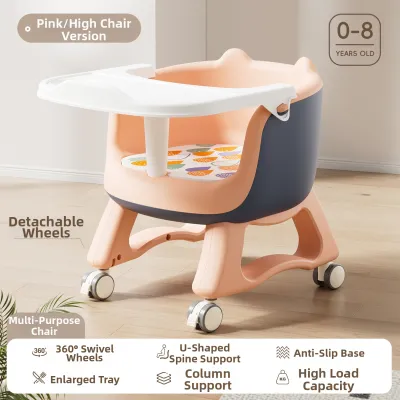
A multi-functional baby chair, however, is designed to grow alongside your child. Many convertible models transition from an infant lounger to a high chair, and eventually into a toddler booster or play chair. This multi-stage utility can extend the product’s lifespan to several years, potentially saving you from purchasing separate seating and feeding furniture down the line. For families looking to maximize the utility of every purchase, this adaptability represents a highly efficient use of household funds.
To determine which option offers better value for your household, check current retail listings in ₱ on local e-commerce platforms or baby specialty stores. Keep in mind that while a multi-functional chair might seem like a larger upfront investment, it may eliminate the need to purchase a separate high chair, toddler chair, or infant bouncer later on. Conversely, if you plan to have more children, a durable dedicated changing table can be passed down, multiplying its long-term value across multiple infancy stages. Additionally, consider the post-diapering phase: a well-designed changing table can often be repurposed as a standard storage cabinet or dresser, while a convertible chair continues to serve as dedicated seating for your growing toddler.
Safety and Ergonomics Checklist
Ergonomics play a critical role in daily baby care, as caregivers bend over to change diapers dozens of times a day. A dedicated changing table is designed at an optimal waist height, allowing you to stand upright and reduce strain on your lower back. Multi-functional chairs, especially those designed to sit directly on the floor or at lower heights, may require you to bend, kneel, or squat, which can lead to physical discomfort over time, particularly for mothers recovering from childbirth.
When verifying safety features on product labels and user manuals, look for specific indicators of stability and security. For a changing table, ensure it features raised safety barriers on all sides, a secure safety strap to keep the changing pad in place, and a stable, tip-resistant frame. For a multi-functional chair, verify the locking mechanisms for each convertible mode, the harness system, and the maximum weight limits specified by the manufacturer for each configuration. Always check that the materials are non-toxic and easy to sanitize to maintain a clean environment for your baby.
Regardless of the furniture piece you choose, safety guidelines are non-negotiable. Never leave your baby unattended on any elevated or convertible surface, even for a split second. Even if the changing table or chair features secure safety straps and high protective barriers, active babies can move unexpectedly, making constant physical supervision and keeping one hand on your baby essential during use. Prepare all your supplies before placing your baby on the surface to ensure you never have to step away.
How to Decide: The Final Verdict Framework
To finalize your decision, evaluate your household’s specific constraints and daily routines using a structured framework.
Choose the Kiumo changing table if:
- You have dedicated nursery space or room in your master bedroom to accommodate a permanent furniture piece.
- You prioritize ergonomic comfort and want to avoid back strain by changing your baby at waist height.
- You require centralized, immediate storage for diapers, wipes, clothes, and toiletries to keep your nursery organized.
Choose the multi-functional baby chair if:
- You are working with limited floor space, such as in a studio apartment or shared bedroom, where furniture must serve multiple purposes.
- You want to maximize your budget in ₱ by investing in a single piece of furniture that transitions through feeding, lounging, and toddler seating stages.
- You prefer a portable or adaptable solution that can be easily moved between rooms or stored away when not in use.
Verify first if:
- The specific model's weight limits, dimensions, and conversion mechanisms align with your baby's current growth percentile and developmental stage. Always consult the manufacturer's manual to ensure the product's structural limits match your child's physical needs before purchasing.
Frequently Asked Questions (FAQ)
Can I use a multi-functional baby chair as a primary changing station?
While some multi-functional baby chairs offer configurations that can accommodate quick diaper changes, they are generally not ideal as primary changing stations. They often lack the flat, spacious surface area and the raised safety barriers found on dedicated changing tables. Additionally, chairs rarely have built-in storage for diapering essentials, meaning you will need to carry wipes, creams, and diapers to the chair each time. If you plan to use a convertible chair for occasional changes, always check the manufacturer’s instructions to verify if the specific configuration is approved for diapering, and ensure the surface material is easily wipeable and water-resistant to handle inevitable spills.
What happens to the Kiumo changing table when my baby outgrows it?
Once your baby outgrows the diapering phase, a dedicated changing table like the Kiumo model does not have to become obsolete. Many high-quality changing tables are designed with aesthetics that allow them to transition into standard home furniture. By removing the changing pad and any detachable top safety rails, you can easily repurpose the unit as a bedroom dresser, a toy storage cabinet, or a shelving unit for books and crafts. Before purchasing, check the specific Kiumo model’s design to see if the changing topper is removable, allowing for a seamless transition into a stylish, long-term storage solution for your child’s room.

Community discussion
Share your experience or ask a question. Comments are reviewed before publication.