
Finding a kids plate set for girls that includes a matching weaning water cup simplifies the transition to solid foods while keeping mealtime visually engaging. Coordinated sets ensure that your little one’s tableware is visually cohesive, which helps build positive associations with eating. Instead of searching for separate items that may not match in color, material, or size, choosing a bundled set from a reputable brand ensures that both the plate and the weaning cup are designed for the same developmental stage. In the Philippines, where high humidity and daily washing require durable, easy-to-clean materials, selecting the right bundle involves looking closely at material safety, suction reliability, and cup mechanics.
By purchasing a complete set, you also save time and effort during a busy parenting phase. Rather than coordinating multiple orders or visiting different stores, a single bundle provides the essential tools needed for early self-feeding. This guide outlines the key features to look for, from material safety standards to practical design elements, so you can make an informed decision for your growing child.
Why Choose a Bundled Plate and Cup Set?
Choosing a coordinated plate and cup set offers several practical and developmental benefits that go beyond simple aesthetics. For toddlers and infants entering the weaning stage, familiarity and consistency play a significant role in how they interact with new foods. When a child sees a matching set with a consistent color palette or design theme, it helps establish a structured mealtime routine. This visual consistency can reduce anxiety and resistance, making the transition from bottle or breast to solid foods a more positive experience.
Products mentioned in this guide

![[Same Day Ship] 3Pcs/Set Baby Dinnerware Anti-hot Wheat Training Plate Baby Feeding Bowl Set Tableware Plates with Spoon and Fork](https://img.lazcdn.com/g/p/ffad040f903247da887e501c5e884882.jpg_400x400q80.jpg_.webp)
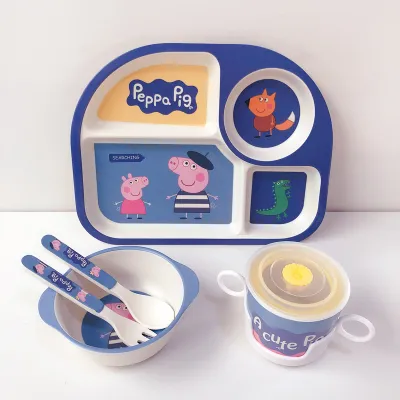
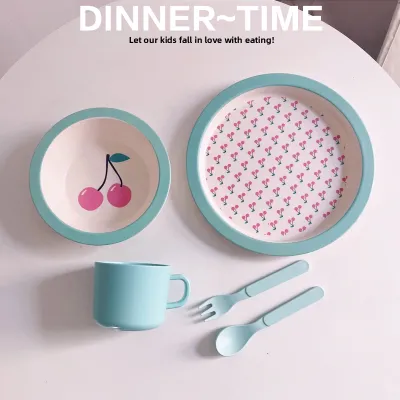
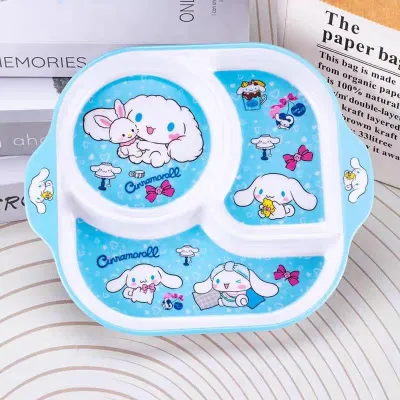
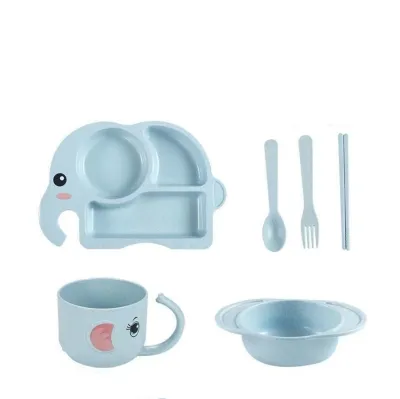
Prices are valid at publication and may change. Please refer to the product page for the latest price.
From a purchasing perspective, buying a bundle is highly efficient. Instead of spending hours comparing individual plates and cups from different manufacturers, a single transaction secures compatible, age-appropriate weaning tools. This ensures that the cup and plate are scaled appropriately for the same age group, preventing situations where a cup is too heavy for a baby who is just starting to use a divided plate.
Furthermore, bundled sets are often more cost-effective than purchasing individual items separately. When you calculate the individual prices of a high-quality suction plate and a specialized weaning cup, buying them as a package usually offers a better price-to-value ratio. This allows parents to allocate their budget toward other essential baby items while still securing premium, food-grade tableware that will last through multiple developmental stages.
Essential Features to Evaluate in Weaning Sets
When evaluating potential weaning sets, the functionality of the plate is your first line of defense against mealtime mess. Look for plates with distinct divided sections, which allow you to introduce different food groups without them mixing—a common preference for young children. The outer edges of the plate should be raised and slightly curved inward to help your child scoop up food with a spoon or their fingers. Additionally, a strong suction base is crucial; it prevents the plate from being easily lifted, tipped, or thrown off the highchair tray. You should verify that the suction cup is integrated into the plate’s design rather than being a separate, detachable piece that could easily get lost or collect moisture underneath.

The mechanics of the weaning cup are equally important for your child’s oral motor development. A good weaning cup should feature a spill-proof or leak-resistant valve to minimize messes as your child learns to tilt and sip. Easy-grip handles on both sides of the cup allow small hands to hold it securely, promoting independence. Depending on your child’s age, you will want to choose between a soft spout, a weighted straw cup, or a 360-degree rim cup. Weighted straws are particularly useful because they allow the child to drink from any angle, even when tilted, which is ideal for babies transitioning from bottles.
Cleaning and maintenance must not be overlooked, especially in tropical environments where humidity can encourage mold growth. Before purchasing, check the manufacturer’s instructions to confirm if the set is dishwasher-safe and can withstand sterilization. Examine the cup’s lid and valve mechanism closely; complex, non-detachable parts can trap milk or juice residue, leading to hygiene issues. Opt for sets where every component—including the straw, valve, and silicone seals—can be fully disassembled for thorough cleaning with a dedicated straw brush.
Safety Standards and Material Checks
Material safety is the most critical factor when choosing tableware for your child. The most common materials used in modern weaning sets are food-grade silicone, stainless steel, bamboo fiber, and BPA-free plastics. Food-grade silicone is highly favored because it is soft, flexible, virtually unbreakable, and resistant to extreme temperatures. Stainless steel is incredibly durable and hygienic but cannot be microwaved. Bamboo fiber sets are lightweight and often biodegradable, but they can crack if dropped repeatedly and are rarely microwave-safe. BPA-free plastics are affordable and lightweight, but they can scratch over time, creating tiny crevices where bacteria can multiply.
To protect your child’s health, always verify that the product packaging or official product description explicitly states that the materials are free from harmful chemicals. Look for labels indicating that the set is BPA-free, PVC-free, phthalate-free, and lead-free. These certifications ensure that no toxic substances will leach into your child’s food, even when exposed to warm meals or acidic fruits. If a product listing lacks these explicit safety declarations, it is best to avoid it in favor of a brand that prioritizes transparency.
Understanding heat and sterilization limits is essential for maintaining the integrity of the tableware. Always consult the manufacturer’s manual before placing any part of the set in a microwave, steam sterilizer, or boiling water. While high-quality silicone can typically withstand high temperatures, certain plastics or bamboo composites can warp, degrade, or release chemical byproducts when overheated. Never assume that all parts of a set are microwave-safe; often, the plate may be safe while the cup’s lid or straw is not.
Over time, all weaning tableware will experience wear and tear, and you must know when it is time to replace them. Inspect the items regularly for signs of degradation. For silicone plates and cups, look for tears, stickiness, or a soapy residue that does not wash off, which can happen if dish soap builds up in the material. For plastic items, deep scratches, cloudiness, or cracks are clear indicators that the item should be discarded, as these imperfections can harbor bacteria that standard washing cannot reach. If a suction base becomes warped or loses its ability to stick, the plate should be retired to prevent frustrating spills.
Design, Aesthetics, and Engagement for Girls
When shopping for a plate set for girls, design and aesthetics can play a helpful role in making mealtime engaging. Many brands offer beautiful color palettes, ranging from soft pastel pinks, lavenders, and sage greens to warm terracotta and dusty rose tones. Choosing a color or a gentle nature motif—such as clouds, flowers, or friendly animals—can make the table setting inviting. These designs can stimulate your child’s interest and create a positive association with sitting down to eat, without relying on rigid or overly commercialized gender stereotypes.
However, it is important to avoid the trap of prioritizing form over function. Some novelty plates feature elaborate 3D shapes, deep decorative ridges, or animal ears that extend far beyond the eating surface. While these may look adorable in photos, they often make the plate unstable, difficult to fit onto a standard highchair tray, and challenging to clean. Deep crevices can trap food particles, and awkward shapes can make it harder for a toddler to scoop food efficiently. Stick to clean, simple geometric shapes with subtle decorative touches that do not interfere with the plate’s primary purpose.
Ergonomics and scale are also vital for a successful weaning experience. Before buying, measure your highchair tray to ensure the suction plate will fit flat against the surface; if the plate overlaps the edge of the tray, the suction seal will fail. Similarly, the weaning cup should be lightweight and proportioned for small hands. A cup that is too large or heavy when filled with water or milk will frustrate your child and may discourage them from practicing their drinking skills.
Building Your Shortlist: Where and How to Shop
To build a reliable shortlist of kids plate sets that include a matching weaning cup, you need to employ smart search and evaluation strategies. When browsing online marketplaces or specialty baby stores, use specific search terms to filter out irrelevant individual items. Phrases like “toddler silicone suction plate with cup,” “girls weaning tableware set,” or “baby feeding bundle with straw cup” will yield more targeted results than a broad search for “baby plates.” This helps you quickly identify brands that offer true matching sets rather than separate pieces you have to piece together yourself.
As you review product listings, learn to decode product descriptions carefully. Look for precise, functional specifications rather than vague marketing buzzwords. A reliable listing will state the exact dimensions of the plate, the fluid capacity of the cup, the specific materials used, and clear care instructions. Be skeptical of claims like “100% mess-free” or “indestructible,” and instead focus on verifiable features like “integrated suction base” or “detachable silicone valve.”
User reviews are an invaluable resource for identifying potential issues before you buy. When reading reviews on ecommerce platforms, filter for feedback that mentions long-term durability and daily use. Look for comments regarding how well the suction base holds up on different surfaces, such as wood, plastic, or glass. Pay close attention to reviews mentioning the weaning cup; check if other parents have experienced leaks, if the straw is difficult to clean, or if the cup retains odors after washing. This real-world feedback will help you weed out sets that look great but perform poorly in daily life.
Finally, always prioritize purchasing from verified channels to ensure you receive authentic, safe products. Buy directly from brand official websites, authorized mother-and-baby specialty retailers, or verified flagship stores on major online malls. Purchasing from unauthorized third-party sellers increases the risk of acquiring counterfeit items made from sub-standard, non-food-grade materials that have not undergone proper safety testing. Buying from official channels also ensures you have access to customer support and clear return policies if a component arrives damaged or defective.
Frequently Asked Questions (FAQ)
At what age should I introduce a weaning cup with the plate set?
Most pediatricians and pediatric feeding specialists recommend introducing a weaning cup alongside solid foods around six months of age. At this stage, the cup is primarily used for practice and to help your baby learn the oral motor skills required for sipping rather than sucking. However, the exact timing depends on your child’s individual developmental milestones, such as their ability to sit upright with minimal support, their grasping reflex, and their swallowing coordination. It is always best to consult your pediatrician or a pediatric feeding specialist to determine the right time and cup style for your baby’s specific needs.
Can I use the matching weaning cup for hot liquids?
No, you should generally avoid using weaning cups for hot liquids. Most toddler weaning cups, especially those with straws or spill-proof valves, are engineered strictly for cold or room-temperature liquids like water, breast milk, or formula. Pouring hot liquids into a sealed cup can create steam and pressure buildup inside the container. This pressure can cause the liquid to spray out of the straw or spout when opened, potentially causing painful burns. Always check the manufacturer’s temperature guidelines printed in the user manual, and stick to cool or lukewarm beverages to ensure your child’s safety.
What if the suction plate stops sticking to the table?
If your suction plate loses its grip, there are several troubleshooting steps you can take to restore its suction power. First, thoroughly wash both the suction base and the table surface with warm, soapy water to remove any invisible grease, dust, or soap residue, then dry them completely. The table surface must be completely smooth, flat, and non-porous; suction plates typically will not stick to textured wood, matte finishes, or tiled surfaces. When placing the plate down, press firmly in the center to push out all the air and create a strong vacuum seal. If the silicone base has become warped, stretched, or torn over time, it will no longer be able to hold a vacuum, and the plate should be replaced.

Community discussion
Share your experience or ask a question. Comments are reviewed before publication.