
When buying a toothbrush and toothpaste for a 1-year-old, you must prioritize ultra-soft bristles, a compact brush head, an ergonomic handle designed for co-brushing, and a mild, swallow-safe toothpaste formulation. At twelve months, your baby is transitioning from simple gum-wiping to a structured oral hygiene routine as their primary teeth continue to emerge. Navigating the baby care aisle can feel overwhelming with the sheer volume of colorful products, but focusing on specific physical dimensions and ingredient labels ensures a safe, comfortable, and effective start to your child’s dental health journey.
In a tropical climate like the Philippines, where high humidity can affect product storage and hygiene, selecting the right tools is only half the battle. Caregivers must also understand how to evaluate these products against local conditions and developmental milestones. By learning what features to look for on packaging and how to verify manufacturer claims, you can confidently build a safe oral care routine that protects your baby’s developing teeth and gums.
Essential Toothbrush Features for a 1-Year-Old
The primary goal of a baby toothbrush is to gently remove plaque and food debris without irritating the delicate oral tissues. At one year old, your baby’s gums are often tender due to teething, making the texture of the bristles the most critical factor. Look for packaging explicitly labeled “extra-soft” or “ultra-soft.” These bristles are typically made of rounded nylon filaments that sweep over emerging teeth and massage the gums without causing micro-scratches. Avoid medium or hard bristles, as these can damage the enamel of primary teeth and cause pain, leading your baby to associate brushing with discomfort.
Products mentioned in this guide
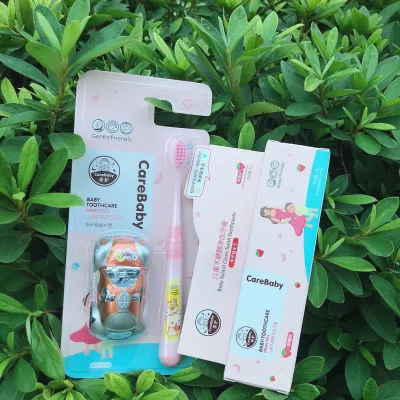
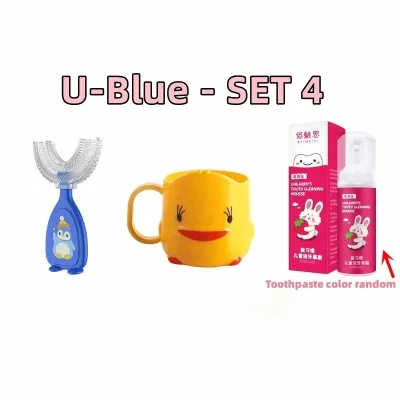
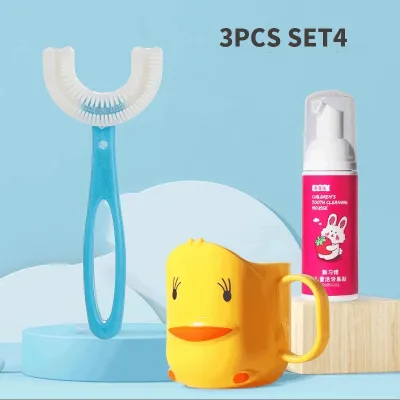
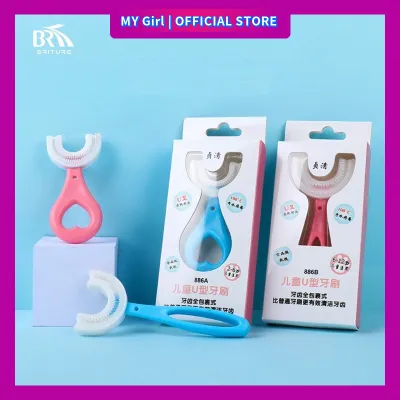
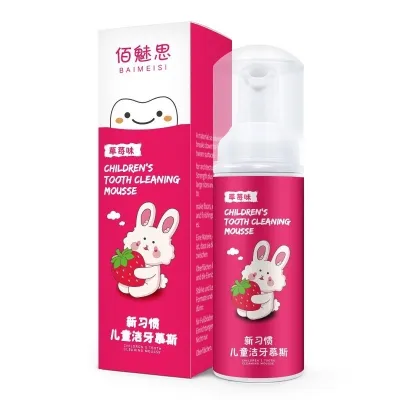
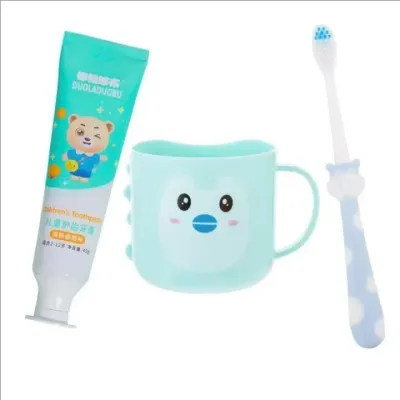
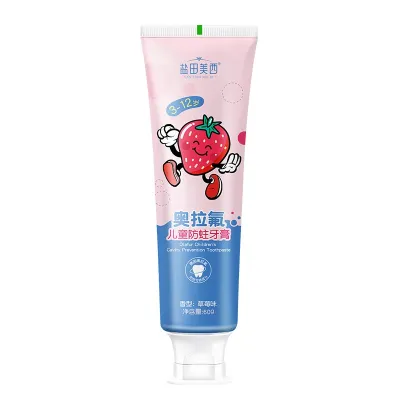
Prices are valid at publication and may change. Please refer to the product page for the latest price.
When evaluating the brush head, size and shape are paramount. A 1-year-old’s mouth is incredibly small, and a brush head that is too large will cause gagging or fail to reach the tight spaces behind the front teeth. Opt for a brush head that measures approximately 1 to 1.5 centimeters in length, with a rounded or oval shape. Oval heads slide easily along the inner cheeks and gums without scraping. Some modern baby toothbrushes also feature a soft rubberized coating around the back of the brush head, which acts as a bumper to protect sensitive gums if the baby suddenly moves or bites down during brushing.
Handle design must accommodate two distinct users: the baby and the caregiver. At twelve months, babies are developing their palmar grasp and often want to hold the toothbrush themselves to mimic your movements. A wide, chunky handle with textured rubber grips allows small hands to hold the brush securely. However, because toddlers lack the manual dexterity to clean their own teeth effectively, the handle must also be long enough or shaped appropriately for an adult to guide the brushing motion. Look for handles with a non-slip grip that won’t slide out of your hand when wet.
Safety guards are an excellent additional feature to look for on toddler toothbrushes. These are wide, circular shields that attach to the neck of the toothbrush, preventing the brush from being pushed too far into the baby’s mouth. While these shields offer peace of mind, they do not replace the need for constant caregiver supervision. Never leave a 1-year-old alone with a toothbrush, as sudden movements can lead to throat or mouth injuries.
Crucial Toothpaste Ingredients and Formulations
Selecting the right toothpaste requires a careful reading of the ingredient list, as 1-year-olds have not yet developed the ability to spit out excess paste. The discussion around fluoride is one of the most important aspects of early oral care. Fluoride is highly effective at strengthening enamel and preventing cavities, but swallowing too much of it can lead to dental fluorosis. Many pediatric dental guidelines suggest using a tiny smear of fluoride toothpaste (typically containing around 1,000 ppm fluoride) from the eruption of the first tooth, while others recommend starting with fluoride-free training toothpaste until the child is slightly older. You should consult your pediatric dentist to determine the best approach based on your child’s specific cavity risk and local water supply.

If you choose a fluoride-free training toothpaste, look for formulas that utilize safe, food-grade ingredients. Xylitol is a common natural sweetener used in baby toothpastes because it does not promote tooth decay and can help reduce plaque-causing bacteria. Ensure the formula is free from sodium lauryl sulfate (SLS), a common foaming agent found in adult toothpastes. SLS can cause dry mouth and irritate the sensitive oral mucosa of a 1-year-old, sometimes leading to painful mouth sores. The toothpaste should also be free from artificial dyes, parabens, and synthetic preservatives.
Flavor plays a massive role in whether your baby cooperates during brushing time. Strong, minty flavors designed for adults are often perceived as spicy or painful by toddlers, leading to a strong aversion to brushing. Look for mild, natural fruit flavors such as strawberry, banana, or apple. While a pleasant flavor encourages cooperation, it should not be so sweet that the baby treats the toothpaste as a snack. Avoid toothpastes containing artificial sweeteners like saccharin, opting instead for those sweetened naturally with fruit extracts or xylitol.
How to Build a Safe and Effective Oral Care Shortlist
To find the best products in local pharmacies or online marketplaces, you should establish a systematic comparison checklist. Do not rely on flashy packaging featuring popular cartoon characters, as these designs do not guarantee that the product meets safety standards. Instead, compare products based on physical measurements, bristle softness, and ingredient transparency. A reliable shortlist should only include products that clearly state their materials and ingredients on the outer packaging.
Always verify the explicit age recommendations printed on the product packaging rather than relying on general marketing terms like “baby” or “kids.” A product labeled “kids toothpaste” might be formulated for children aged six and older, containing higher concentrations of fluoride or abrasive polishing agents that are unsafe for a 1-year-old. Look for precise brackets such as “0-2 years” or “12+ months” to ensure the physical dimensions of the brush and the chemical formulation of the paste are developmentally appropriate.
When shopping on ecommerce platforms, exercise extra caution regarding product authenticity. Check for visible safety seals on both the toothbrush packaging and the toothpaste tube to ensure the products have not been tampered with. Look for clear manufacturer contact information, batch numbers, and expiration dates. In the Philippines, verifying that the product is registered with local health authorities or carries certifications from recognized dental associations provides an added layer of safety and quality assurance.
Establishing a Brushing Routine and Safety Checks
Once you have selected the appropriate toothbrush and toothpaste, establishing a hygienic routine is essential, especially in warm, humid environments. High humidity levels can encourage the growth of bacteria and mold on wet bristles. After each brushing session, rinse the toothbrush thoroughly under running water to remove all traces of toothpaste and food debris. Store the toothbrush upright in an open cup or holder in a well-ventilated area where it can air dry completely. Avoid using closed travel caps or storing the brush in damp cabinets, as these trap moisture and create a breeding ground for microbes.
Regularly inspect the toothbrush for physical signs of wear and tear. Toddlers often bite down on the bristles during brushing, which can cause them to splay, fray, or fall out much faster than adult toothbrushes. Splayed bristles lose their effectiveness at cleaning teeth and can scrape the baby’s gums. Plan to replace your baby’s toothbrush every two to three months, or sooner if you notice the bristles spreading outward. It is also wise to replace the toothbrush immediately after your child recovers from an illness to prevent reinfection.
Monitor your baby closely for any signs of oral irritation or allergic reactions when introducing a new toothpaste. Symptoms can include redness around the lips, swelling of the gums, a rash around the mouth, or sudden, unusual fussiness during brushing. If you observe any of these signs, discontinue use of the toothpaste immediately, rinse your baby’s mouth with clean water, and consult a pediatrician or pediatric dentist. Keeping a close eye on these details ensures that your child’s early dental experiences remain safe, healthy, and positive.
Frequently Asked Questions (FAQ)
When should I transition from a finger brush to a standard toddler toothbrush?
You should transition from a silicone finger brush to a standard toddler toothbrush when your baby’s primary teeth begin to erupt more fully, typically around their first birthday. While finger brushes are excellent for massaging sore gums and cleaning the very first emerging incisors, they lack the structural bristles needed to clean the grooves and crevices of multiple teeth. If your baby has several teeth visible or is starting to consume a wider variety of solid foods, a standard toothbrush with extra-soft nylon bristles is necessary to effectively sweep away plaque. Additionally, if your baby has started biting down hard on your finger during brushing, transitioning to a handled toothbrush will protect your fingers while allowing the baby to practice holding the brush under your supervision.
How much toothpaste should I use for a 1-year-old?
For a 1-year-old, you should use an extremely small amount of toothpaste, often described as a tiny smear or a portion no larger than a single grain of uncooked rice. This minimal amount is highly effective at cleaning the teeth while ensuring that the volume of toothpaste swallowed is negligible and safe, even if you are using a fluoride-formulated paste. Avoid squeezing a large dollop along the entire length of the bristles, as is commonly shown in commercials. Always read the specific dosage and usage instructions printed on your chosen toothpaste packaging, and consult your pediatric dentist for personalized guidance tailored to your baby’s unique oral health needs.

Community discussion
Share your experience or ask a question. Comments are reviewed before publication.