
Quick Answer: Essential Safety Checklist for Nursery Toy Racks
When setting up a baby’s nursery, selecting a toy rack requires prioritizing physical stability, material non-toxicity, and structural safety over mere aesthetics. A safe nursery storage unit must minimize risks like crushing, chemical exposure, entrapment, and physical injuries.
Before purchasing or using any toy rack, verify the following non-negotiable safety features:
- Tip-over prevention: The unit must include a robust wall-anchoring kit (anti-tip straps or brackets) and feature a wide, low-profile base.
- Non-toxic materials: All paints, plastics, finishes, and fabric bins must be certified non-toxic, lead-free, and BPA-free.
- Physical design: Look for smoothly sanded, rounded corners, concealed hardware, and built-in safety stops on drawers.
- Safe gap spacing: Ensure gaps between slats or shelves are either too narrow for a child's head and limbs to enter or wide enough to prevent entrapment.
Preventing Tip-Overs: Stability and Anchoring Features
A child’s natural curiosity often leads them to climb furniture to reach a desired object. For a freestanding toy rack, a wide, solid base and a low center of gravity are the first lines of defense against tipping. When a unit is bottom-heavy, it is far less likely to topple forward when a child pulls on a shelf or tries to step onto a lower tier. Manufacturers often design these units with flared legs or a deep base footprint to achieve this physical stability.
Products mentioned in this guide
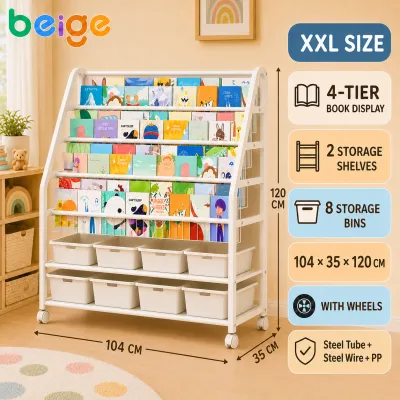
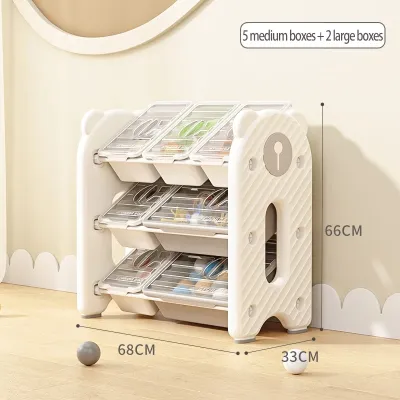
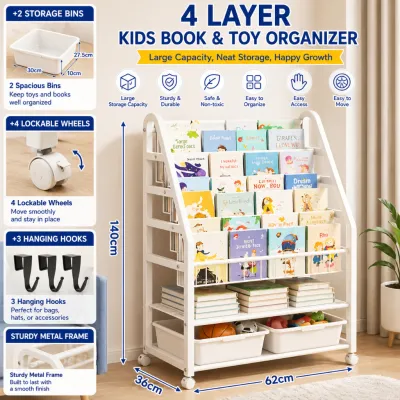
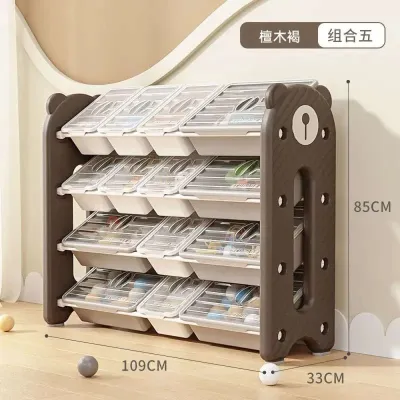
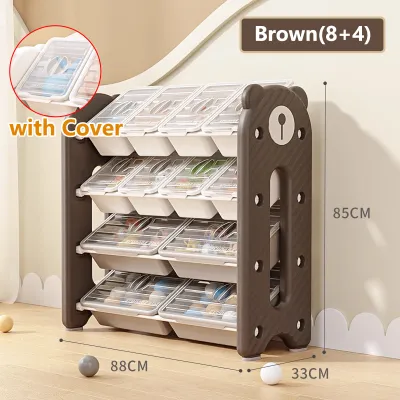
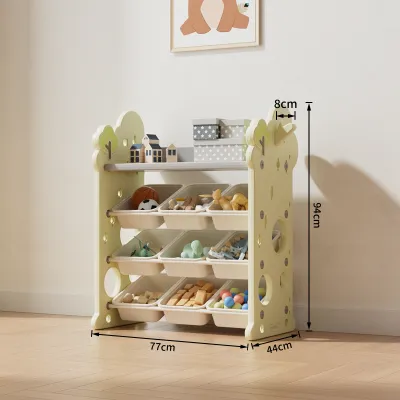
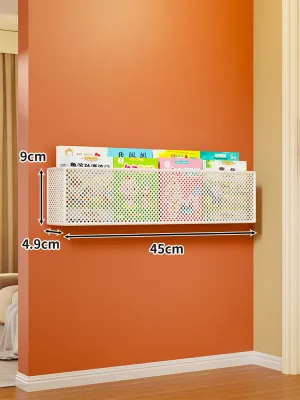
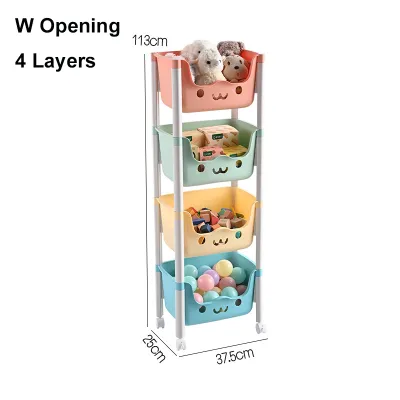
Prices are valid at publication and may change. Please refer to the product page for the latest price.

In regions prone to seismic activity, such as the Philippines, securing furniture is not just an optional precaution but a critical safety necessity. Regardless of the rack’s height, any unit taller than a child’s shoulder level should be anchored to the wall. Anti-tip straps or steel wall-anchoring kits are highly effective tools for this purpose. When purchasing a toy rack, verify whether the manufacturer includes a compatible anchoring kit in the packaging.
It is equally important to understand that wall construction dictates the type of hardware required. Many homes in the Philippines feature concrete, hollow block, or solid masonry walls rather than drywall. Standard plastic drywall plugs will not provide sufficient grip in solid concrete. You must verify the wall type and purchase appropriate masonry anchors, heavy-duty screws, and drill bits to ensure the anchor is deeply embedded and secure. If you are unsure of the installation process, consult a professional carpenter or handyman to complete the anchoring safely.
Proper weight distribution within the toy rack serves as an active daily defense against tipping. Always store the heaviest items—such as wooden blocks, thick books, and heavy activity sets—in the bottom bins or lowest shelves. Reserve the upper tiers for lightweight items like plush toys, fabric balls, or small plastic figurines. This deliberate loading pattern maintains a low center of gravity even as the child interacts with the storage unit.
Finally, always verify the manufacturer’s specified weight limits. Every shelf, bin, and overall frame has a maximum load capacity that must not be exceeded. Overloading a toy rack can lead to structural bowing, cracked joints, or sudden collapse. Check the product manual or the manufacturer’s official specifications to confirm these limits before organizing your child’s toys.
Material Safety: Identifying Non-Toxic Finishes and Plastics
Babies explore their world through touch and taste, making the chemical composition of nursery furniture a vital consideration. Wooden toy racks are highly popular for their classic look and durability, but they must be finished with safe, non-toxic materials. Look for wooden units that utilize water-based, lead-free paints and food-grade sealants. Avoid any furniture that emits a strong, chemical varnish odor, as this can indicate high levels of volatile organic compounds (VOCs).
In tropical climates with high relative humidity, such as the Philippines, wood is susceptible to moisture absorption and mold growth. While it is tempting to choose heavy varnishes to protect the wood, parents must verify that these protective coatings do not contain harmful heavy metals or toxic chemical additives. Check the manufacturer’s product documentation for compliance with international safety standards, such as the European Standard EN 71-3 (which regulates the migration of certain elements in toy materials) or ASTM F963. These certifications help ensure that even if a teething baby chews on the edge of the rack, the risk of chemical ingestion is minimized.
Plastic toy racks and storage bins offer excellent resistance to humidity and are exceptionally easy to clean, but they require careful evaluation. Some low-quality plastics may contain bisphenol A (BPA), phthalates, or heavy metal stabilizers. When choosing plastic components, verify that they are labeled as BPA-free and phthalate-free. If a newly unboxed plastic rack has a strong, pungent chemical smell—often referred to as off-gassing—do not place it in the baby’s room immediately. Instead, allow the unit to sit in a well-ventilated outdoor area or service yard for several days until the odor completely dissipates. If the chemical smell persists, it is safest to return the product.
Fabric bins are another common component of modern toy racks, serving as lightweight, removable drawers. Ensure these fabric elements are made from breathable materials, such as cotton, canvas, or high-quality non-woven polyester, and are free from harsh chemical dyes. If a child decides to crawl inside an empty fabric bin during play, breathable fabrics help reduce the risk of suffocation. Additionally, check that there are no long, decorative drawstrings, ribbons, or loose threads on the bins, as these can easily become strangulation or choking hazards.
When shopping for nursery storage, be skeptical of vague marketing labels. Terms like “eco-friendly,” “natural,” or “organic” are often used loosely without regulatory oversight. Instead of relying on these general descriptors, look for specific, verifiable safety certifications on the product packaging. If the manufacturer cannot provide documentation proving their materials are non-toxic and lead-free, it is best to choose an alternative product that prioritizes transparent safety testing.
Physical Design: Avoiding Pinch Points, Sharp Edges, and Entrapment
A safe toy rack must be structurally sound and free from design elements that could cause physical trauma. Run your hands carefully along every surface of the rack before assembling and placing it in the nursery. All edges, corners, and wooden slats must be smoothly sanded and rounded. Sharp, 90-degree corners present a severe hazard if a toddler loses their balance and falls against the furniture. Rounded edges, often referred to as radius corners, help distribute the force of an impact and reduce the severity of cuts or bruises.
Evaluate the spacing between any slats, bars, or shelves on the toy rack to prevent entrapment. Children often attempt to slide their hands, feet, or even their heads into gaps. As a general rule, ensure that any openings are either too narrow for a child’s limbs to enter (less than 6 centimeters or 2.36 inches) or wide enough that they cannot get stuck. If the spacing falls into an intermediate range, a child’s head or hand could easily slide in but become trapped when they try to pull back. Refer to the manufacturer’s safety guidelines and dimensions to verify that the design complies with pediatric safety recommendations.
Examine the hardware and assembly points of the toy rack. Screws, bolts, brackets, and dowels should be fully recessed, flush with the surface, or covered with secure safety caps. Exposed metal threads or protruding bolt heads can easily snag a baby’s clothing, potentially leading to falls or strangulation hazards. They can also cause painful scratches on a child’s delicate skin. Ensure that any protective plastic caps are tightly fitted and cannot be easily pried off by curious little fingers, as small caps can quickly become choking hazards.
Moving parts, such as cabinet doors, drawers, or folding lids, must be evaluated for pinch points. If the toy rack features a chest-style design with a heavy lid, it must be equipped with a safety lift support or friction hinge. This mechanism prevents the lid from slamming shut on a child’s fingers or head. For sliding drawers or bins, look for built-in safety stops that prevent the drawer from being pulled entirely out of the frame and falling onto the child.
Lastly, completely avoid toy racks that incorporate fragile materials or small, easily detachable parts. Glass panels, delicate acrylic sheets, or thin plastic components can easily shatter if struck by a thrown toy, creating sharp shards. Similarly, avoid racks with decorative wooden carvings, glued-on ornaments, or small knobs that can be twisted off. If a decorative piece breaks or detaches, it instantly transforms into a high-risk choking hazard in a nursery environment.
Age Appropriateness: Matching the Rack to Your Baby's Development
A toy rack that is perfectly safe for a five-year-old can pose significant hazards to a six-month-old infant. It is essential to match the storage solution to your baby’s current developmental stage and physical mobility. For infants who are crawling or just learning to sit up, floor-level open bins are the ideal choice. These low-profile bins allow the baby to see, reach, and select toys independently without needing to stand, climb, or stretch, minimizing the risk of falls.
As your baby transitions into a toddler and begins pulling themselves up to a standing position, their interaction with furniture changes dramatically. At this stage, a taller toy rack with shelves becomes an enticing climbing frame. If you have a multi-tiered rack, ensure that the shelves are not designed in a ladder-like configuration that encourages climbing. Keep all highly attractive, colorful, or noisy toys on the lowest shelves where they are easily accessible. If a child must climb to reach a toy, the risk of a fall or a tip-over accident increases exponentially.
Parents must remain vigilant and recognize the behavioral signs that indicate a child has outgrown a specific storage unit. If you observe your toddler attempting to step onto the lower bins, climb the outer frame, or hang from the top shelf, you must take immediate action. This behavior signals that the rack is no longer safe in its current state. You must either secure it firmly to the wall with heavy-duty anchors, relocate it to a room inaccessible to the child, or transition to a different, low-profile storage solution that eliminates climbing opportunities.
While vintage, antique, or hand-me-down toy racks can add historical charm to a nursery, they often carry hidden dangers. Older furniture was frequently manufactured before modern safety standards were established. They may feature unsafe gap dimensions, fragile joints, or lead-based paints that pose severe neurological risks to developing children. Wood can also degrade, splinter, or harbor mold spores over decades of storage. If you choose to use a second-hand rack, thoroughly verify its structural integrity, sand it down completely, and refinish it with certified non-toxic, lead-free products.
Safe Placement and Routine Maintenance in the Nursery
The safety of a toy rack depends not only on its physical design but also on where it is positioned within the nursery. Never place a toy rack directly beneath or adjacent to a window. A curious child can easily use the shelves or bins as a makeshift ladder to reach the window sill, creating a catastrophic fall hazard. Additionally, keep the rack far away from window blind cords, drapes, or electrical wires to eliminate the risk of strangulation.
Position the toy rack a safe distance from the crib or changing table. If a rack is placed too close to the crib, an older infant may attempt to climb out of the crib by stepping onto the rack, or they may reach out and pull heavy toys into their sleeping space. Ensuring a clear zone around the crib maintains a secure sleeping environment free from external physical hazards.
Nursery furniture is subjected to daily wear and tear, making routine safety inspections essential. Establish a monthly schedule to examine the toy rack thoroughly. Check for loose screws, wobbling joints, or structural instability. In humid tropical environments, inspect the wooden parts for signs of swelling, splintering, or mold growth. If the rack utilizes plastic bins, check for cracks or sharp, broken edges that could cut a child’s hands. Verify that the wall anchors remain tightly secured and that the straps have not frayed or loosened over time.
When cleaning the toy rack, select mild, baby-safe cleaning solutions to protect both your child and the furniture’s finish. Avoid harsh chemical disinfectants, bleach, or abrasive cleaners, as these can strip away non-toxic protective coatings and leave harmful residues on surfaces that your baby frequently touches or mouths. A simple mixture of warm water and mild dish soap is highly effective for wiping down wood, plastic, and metal surfaces. After cleaning, ensure that wooden racks are dried thoroughly with a clean, soft cloth to prevent moisture retention and mold colonization.
Frequently Asked Questions (FAQ)
Is it safe to use a DIY or handmade wooden toy rack in a nursery?
A handmade or DIY wooden toy rack can be safe, but only if you adhere strictly to modern pediatric safety standards. Untreated or poorly sanded wood can cause painful splinters, while improper structural design can lead to sudden collapse under weight. If you are building or commissioning a custom unit, you must use solid, high-quality wood and sand every surface until it is perfectly smooth. Crucially, apply only certified baby-safe, water-based, non-toxic paints or food-grade oil sealants, and allow the unit to cure fully in a well-ventilated space before bringing it into the nursery.
How can I stop my toddler from climbing the toy rack?
To prevent climbing, you must first eliminate the physical temptation and secure the environment. Ensure the toy rack is anchored to the wall with heavy-duty anti-tip hardware so it cannot fall if climbed. Keep the most desirable toys, books, and activities on the lowest, easiest-to-reach shelves, and leave the upper shelves empty or populated only with lightweight, unappealing items. If you catch your toddler climbing, immediately and calmly remove them, explain that climbing the rack is unsafe, and redirect their energy to a safe climbing toy or active play area.

Community discussion
Share your experience or ask a question. Comments are reviewed before publication.