
Welcoming a newborn into your home brings immense joy, along with the immediate need to create a soothing, secure environment. Among the various baby gear options available, a newborn rocking chair is often a top priority for parents seeking a dedicated space to calm, comfort, and gently rock their infant. However, with an overwhelming array of models, motion settings, and safety features on the market, choosing the right option requires careful evaluation. The ideal rocker must balance immediate soothing capabilities with strict safety standards to protect your baby during their most vulnerable developmental stage.
When selecting a newborn rocking chair, your primary focus must always be on safety, physical support, and practical usability in your daily routine. Newborns lack head and neck control, making ergonomic support and secure harness systems non-negotiable. Additionally, considering factors like the local climate, available living space, and power options will ensure the gear integrates seamlessly into your household. This guide outlines the essential features to prioritize, helping you make an informed and safe decision for your growing family.
Essential Safety and Stability Features
The safety of your baby is the absolute baseline when evaluating any newborn rocking chair. Before looking at color, brand, or high-tech additions, you must thoroughly inspect the structural integrity of the rocker to prevent accidental tipping or sliding. A high-quality rocker should feature a wide, low-profile base that distributes weight evenly across the floor. This structural design is crucial because as your infant grows, wiggles, and becomes more active, a narrow or top-heavy base poses a severe tipping hazard.
Products mentioned in this guide
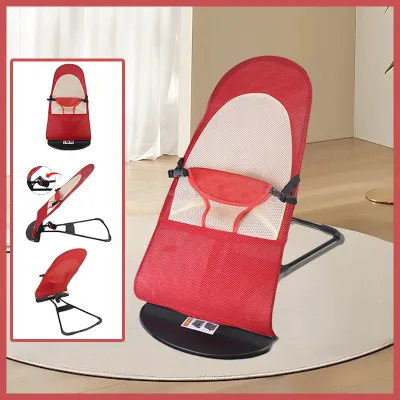
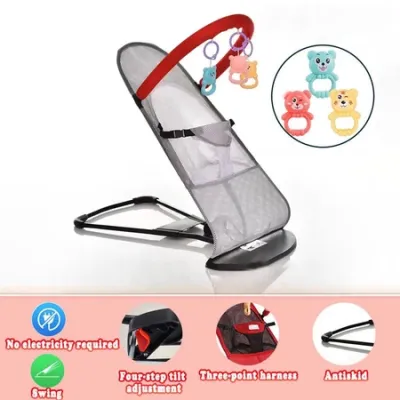
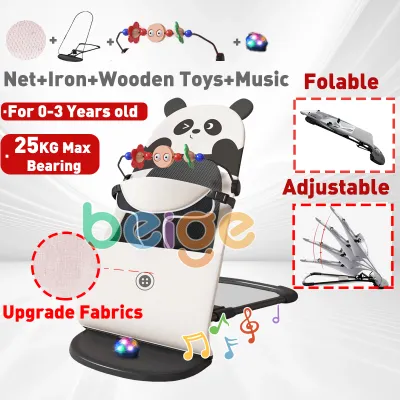
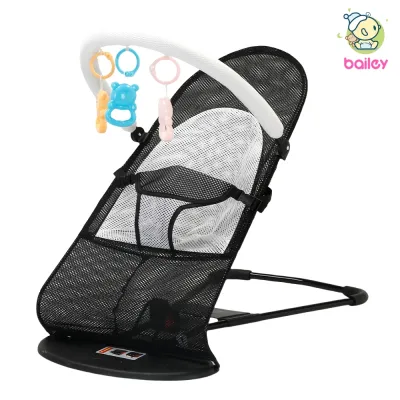
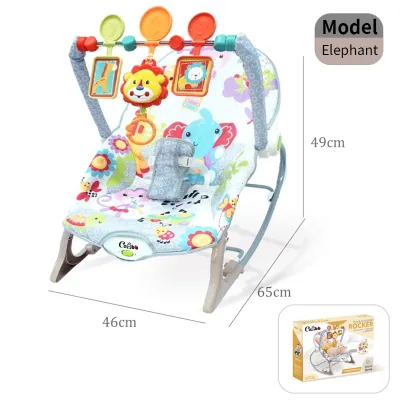
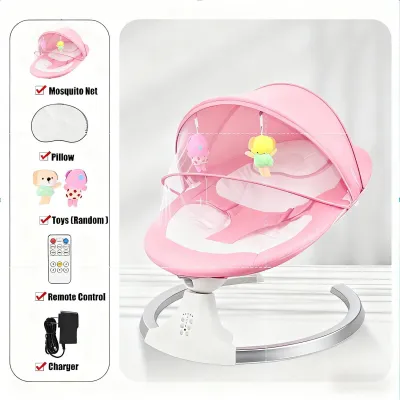
Prices are valid at publication and may change. Please refer to the product page for the latest price.
In the Philippines, home flooring often consists of smooth ceramic tiles, polished concrete, or hardwood, which can be slippery. Therefore, you must look for a newborn rocking chair equipped with robust, non-slip rubber feet or grips on the bottom of the frame. These grips prevent the chair from drifting or sliding across the floor during active rocking motions, protecting both your child and your flooring. A stable base ensures the rocker remains firmly anchored in place, whether you are using manual or automated motion settings.
A secure and adjustable harness system is another non-negotiable safety element. Most infant rockers come with either a 3-point or a 5-point harness. While a 3-point harness secures the waist and crotch, a 5-point harness adds shoulder straps for comprehensive security, preventing the baby from sliding upward or slumping sideways. For a fragile newborn, an adjustable harness is mandatory to keep them safely positioned in the center of the seat, even when the chair is stationary. Ensure the straps are made of soft, durable webbing that does not chafe your baby’s skin, and check that the buckles require a firm, adult-strength press to release.
Rather than relying on vague marketing claims of safety, you should actively verify the product’s compliance with recognized international safety standards. Look for physical labels or manufacturer documentation indicating certifications from organizations such as the Juvenile Products Manufacturers Association (JPMA), ASTM International, or European standards (EN). These certifications verify that the product has undergone rigorous mechanical, chemical, and structural testing to ensure it does not contain toxic materials, sharp edges, or pinch points that could injure small fingers.
Finally, you must adhere to crucial safety warnings regarding sleep. A newborn rocking chair is designed exclusively for supervised waking hours and soothing; it is not a safe environment for unsupervised sleep. Because of the inclined angle of most rockers, allowing a baby to sleep in one increases the risk of positional asphyxiation, where the baby’s heavy head falls forward, compressing their windpipe. Always maintain constant adult supervision while your baby is in the rocker, and if they do happen to fall asleep, immediately transfer them to a firm, flat crib or bassinet that complies with safe sleep guidelines.
Comfort, Recline, and Newborn Support
Newborns have unique physical requirements due to their developing musculoskeletal systems and lack of head control. When evaluating a newborn rocking chair, the recline angle is a critical factor for maintaining open, unobstructed airways. A deep, near-flat recline position is essential for young infants who cannot yet hold their heads up. If a rocker is too upright, the baby’s head can slump forward onto their chest, which can restrict their breathing. Always verify the manufacturer’s minimum weight and age guidelines for each recline position, and avoid placing a newborn in an upright seat until they have achieved full head and neck control.

To complement the recline angle, look for models that include removable, contoured infant inserts and dedicated head support. These inserts are designed to cradle a newborn’s fragile neck and spine, preventing them from slumping to one side and keeping their body properly aligned. However, these supportive inserts are not meant to be used indefinitely. As your baby grows and gains muscle strength, you must remove these inserts according to the manufacturer’s instruction manual to prevent overcrowding in the seat and to ensure the harness still fits correctly.
The climate in the Philippines presents unique challenges for infant comfort, with high temperatures and humidity prevalent throughout the year. Placing a newborn in a chair lined with thick, synthetic materials can quickly lead to overheating, sweaty backs, and uncomfortable skin conditions like heat rash (prickly heat). To prevent this, prioritize a newborn rocking chair made with breathable, moisture-wicking fabrics. Cotton blends and specialized mesh panels are highly recommended because they facilitate optimal airflow around your baby’s body, keeping them cool and comfortable even during warm afternoons.
Additionally, inspect the tactile quality of the fabric to ensure it is gentle on sensitive newborn skin. Avoid rough seams, heavy embroidery, or scratchy synthetic fibers near the headrest area. Hypoallergenic fabrics are an excellent choice to minimize the risk of contact dermatitis or allergies. By prioritizing both ergonomic physical support and climate-appropriate materials, you create a soothing environment that keeps your baby comfortable, calm, and safe from heat-related distress.
Motion Types and Soothing Mechanisms
Babies have distinct preferences when it comes to movement, and what calms one infant might frustrate another. When selecting a newborn rocking chair, it is helpful to understand the different motion directions available. Traditional rockers move in a front-to-back motion, mimicking the classic rocking chair experience. In contrast, many modern infant gliders or swings offer a side-to-side, cradle-like motion. Some advanced models even combine these directions, creating a multi-dimensional sway. If possible, observe how your baby responds to being held and rocked in your arms to determine whether they prefer a vertical bounce, a side-to-side sway, or a front-to-back glide.
Another major decision point is choosing between manual and powered rocking mechanisms. Manual rockers rely on your physical effort—such as a gentle push with your hand or foot—or the baby’s own natural movements to generate motion. These models offer direct control, operate silently, and require no electricity, but they do demand continuous parent interaction. Powered rockers, on the other hand, utilize electric motors to provide consistent, hands-free motion. This allows you to attend to other household tasks while your baby is safely soothed, though these models are typically heavier and more expensive.
Many modern rocking chairs come equipped with sensory add-ons designed to enhance the soothing experience. These features often include built-in sound machines that play white noise, gentle nature sounds, or soft lullabies, which can help mask ambient household noise and calm a fussy baby. When evaluating these sensory features, it is vital to check for adjustable volume controls. A newborn’s hearing is incredibly sensitive, so you must be able to lower the volume to a safe, whisper-quiet level. Avoid models that only have a single, loud volume setting, as prolonged exposure to loud sounds can damage developing auditory pathways.
To help you weigh your options, the table below compares the three primary categories of newborn rocking chairs across key performance and usability dimensions:
| Rocker Type | Motion Consistency | Parent Effort | Portability | Power Dependency |
|---|---|---|---|---|
| Manual Rocker | Variable (dependent on parent or baby movement) | High (requires manual pushing or baby kicking) | Excellent (lightweight, no cords or batteries) | None (fully mechanical) |
| Battery-Powered | Consistent (continuous automated cycles) | Low (hands-free operation once activated) | Moderate (cord-free but heavier due to motor) | High (requires frequent battery replacements) |
| Plug-In / AC | Consistent (continuous automated cycles) | Low (hands-free operation once activated) | Low (restricted by cord length and outlet proximity) | High (requires proximity to an active wall outlet) |
By analyzing these trade-offs, you can select a motion type and power system that aligns with your parenting style, daily routine, and your baby’s unique soothing preferences.
Practicality: Cleaning, Portability, and Space
While safety and comfort are paramount, the practical aspects of daily maintenance and household integration will heavily influence your long-term satisfaction with a newborn rocking chair. Newborns are notoriously messy, and you will inevitably have to deal with spit-ups, drool, and diaper leaks. Therefore, easy fabric maintenance is a critical feature to prioritize. Look for a rocking chair that features a fully removable, machine-washable seat cover. Avoid models that specify “spot-clean only” for the main fabric areas, as keeping these clean and hygienic over several months of daily use can be incredibly difficult and frustrating.
Before purchasing, check the manufacturer’s care instructions to see how difficult it is to remove and reattach the seat fabric. Some models require complex disassembly of the metal frame just to wash the cover, which can be a major inconvenience. Ideally, the fabric should secure with simple, sturdy snaps, zippers, or buckles that allow for quick removal and reassembly. Additionally, ensure the fabric can withstand frequent washing cycles without shrinking, fraying, or losing its soft texture, as this ensures the chair remains hygienic and comfortable for your baby.
Portability is another essential consideration, especially if you need to move the rocking chair between different rooms. For instance, you may want the rocker in the living room during the day while you work or do chores, and then move it to your bedroom in the evening. Evaluate the balance between a sturdy, stable frame and a lightweight design. Some models feature integrated carrying handles or lightweight aluminum frames that make them easy to lift and carry with one hand, allowing you to keep your other hand free to hold your baby.
Finally, consider the physical footprint of the rocker in relation to your home’s layout. In many urban Philippine homes, such as condominiums or townhouses, floor space is at a premium. Measure your available floor area before buying, keeping in mind that automated swings and gliders often require a wide clearance zone to sway safely without hitting walls or furniture. If space is limited, look for compact or foldable designs that can be easily collapsed and stored under a bed or in a closet when not in use. If choosing a folding model, always verify that the folding hinges lock securely into place during assembly to ensure the structural integrity of the frame is never compromised.
Power Options and Smart Features
If you decide to purchase an automated newborn rocking chair, you must carefully evaluate the available power options. Automated models generally run on either disposable batteries, rechargeable battery packs, or direct AC wall adapters. Battery-operated models offer excellent portability, allowing you to place the rocker anywhere in the room without worrying about tripping over power cords. However, the cost of replacing batteries can quickly add up, and the motion may slow down or stop unexpectedly as the batteries drain.
Plug-in models that utilize an AC adapter provide consistent, uninterrupted power, ensuring the rocking motion remains smooth and steady. The main drawback is that the chair’s placement is limited by the length of the cord and the proximity of electrical outlets. In the Philippines, where occasional power interruptions or brownouts can occur, having a dual-power option—a model that can run on both an AC adapter and batteries—offers the ultimate versatility. This ensures you can continue to soothe your baby even during a power outage or when traveling away from home.
Another highly useful feature to look for in automated rockers is an integrated timer with an auto-shutoff mechanism. These timers allow you to set the rocking motion to run for a specific duration, such as 15, 30, or 45 minutes, before automatically turning off. This is beneficial for several reasons: it helps conserve battery or electrical power, prevents your baby from becoming overstimulated by continuous motion, and encourages them to settle naturally once they have calmed down. It also provides peace of mind, knowing the motor will not run endlessly if you happen to step away or get distracted.
In recent years, many high-end rocking chairs have introduced “smart” features, such as Bluetooth connectivity, smartphone app controls, and digital touchscreens. While the ability to adjust the rocking speed or change the lullaby volume from your phone may seem convenient, it is important to critically evaluate whether these features justify a higher price tag. Many parents find that they rarely use app controls, preferring to adjust the settings directly on the chair’s physical control panel. When budgeting for baby gear, always prioritize core safety, structural stability, and ergonomic comfort over expensive technological extras that do not contribute directly to your baby’s physical well-being.
Frequently Asked Questions (FAQ)
Can a newborn sleep in a rocking chair overnight?
No, a newborn should never sleep in a rocking chair overnight or for unsupervised naps. Rocking chairs, bouncers, and swings are designed solely for supervised awake time and soothing. Because of the inclined angle of the seat, a sleeping baby’s head can easily slump forward, compressing their soft airway and leading to positional asphyxiation. Additionally, the soft, padded sides of some rockers do not meet safe sleep standards. For all sleep periods, always transfer your baby to a firm, flat, and level sleep surface, such as a crib, bassinet, or playard, free of any loose blankets, pillows, or toys.
At what age or weight should a baby stop using a rocker?
The appropriate time to stop using a newborn rocking chair depends primarily on your specific product’s maximum weight limit and your baby’s developmental milestones, rather than a strict age guideline. Most standard infant rockers are designed for babies up to approximately 9 kilograms (20 pounds), but you must consult your product’s instruction manual to verify the exact limit. More importantly, you must stop using the rocker as soon as your baby shows signs of being able to sit up unassisted, roll over, or attempt to climb out of the seat. Continuing to use the chair past these milestones poses a severe risk of the chair tipping over.
Are vibrating rockers safe for newborns?
Yes, gentle vibration features are generally safe for newborns and can be highly effective at soothing fussiness by mimicking the low-frequency vibrations and sounds they experienced in the womb. However, vibration should only be used in short intervals under active adult supervision. When using a vibrating rocker, always ensure that the harness is securely buckled to prevent the baby from slipping. Additionally, verify that the vibration motor is operating correctly and does not cause excessive, violent shaking, which could be harmful to a newborn’s delicate brain and body. Always follow the manufacturer’s specific guidelines regarding the safe use of electronic features.

Community discussion
Share your experience or ask a question. Comments are reviewed before publication.